REVIEW · HIROSHIMA
Hiroshima: Tour of Atomic Bomb Dome & Peace Memorial Museum
Book on GetYourGuide →Operated by DeepExperience, Inc. · Bookable on GetYourGuide
The Atomic Bomb Dome hits fast. This private, English-language guided visit pairs the exposed remains of the blast site with a careful look at the human cost in the Peace Memorial Museum. You get the story in a way that connects the scale of the damage to the people who survived.
I like that the tour is led by local guides who explain what you’re seeing in plain terms, not just dates on a wall. You’ll also appreciate how the visit is long enough to slow down—especially inside the Peace Memorial Museum where the exhibits and explanations take time. The only real drawback is that this is heavy subject matter, and you should expect it to feel uncomfortable at moments.
In This Review
- Key things I’d focus on before you go
- Hiroshima at 8:15: why this tour feels different
- Meeting point and how to plan your 3–4 hour window
- Atomic Bomb Dome: what you’re really seeing in 20 minutes
- Peace Memorial Museum: the time slot that does the heavy lifting
- Guides who tell the story with care (and sometimes with family ties)
- Why a private group matters in a memorial setting
- UNESCO and the role of physical reminders
- Walk, sit, reflect: what the pacing feels like
- Price and value: is $105 worth it?
- What’s included, what’s not, and what to bring
- Who should book this Hiroshima Dome and Museum tour
- Should you book this Hiroshima Atomic Bomb Dome and Peace Memorial Museum tour?
- FAQ
- What does this Hiroshima tour include?
- What sites will we visit?
- How long is the tour?
- Is the tour a private group?
- What languages are offered?
- Where does the tour start?
- Where do we get dropped off?
- Is food or drinks included?
- How much does the tour cost?
- What’s the cancellation window?
Key things I’d focus on before you go
- Local guides add context that makes the exhibits easier to process, including personal storytelling from guides like Gordon Michasiw.
- Atomic Bomb Dome is short but powerful, with about 20 minutes to look, listen, and understand why the structure matters.
- Peace Memorial Museum takes most of the time, around 2.5 hours, so you don’t feel rushed through the exhibits.
- You’ll learn the human aftermath, including how survivors faced burns, radiation damage, and discrimination.
- A private group keeps the pace sane, so you can ask questions without the tour moving like a bus line.
- UNESCO World Cultural Heritage sites are part of the route, with the Dome as a key stop.
Hiroshima at 8:15: why this tour feels different
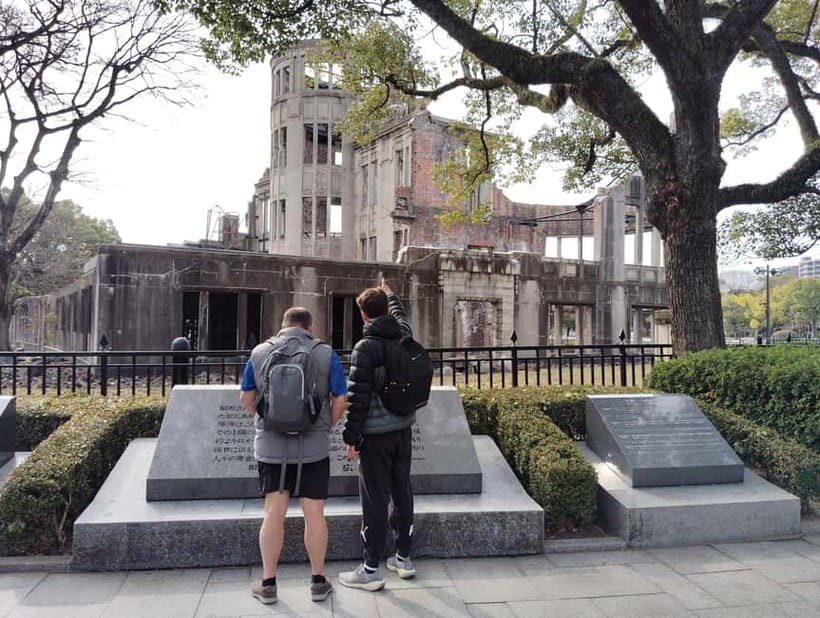
This tour has one job: make what happened in Hiroshima on August 6, 1945 feel real. It’s not “history as wallpaper.” It’s history as evidence—what the bomb did, what it looked like on impact, and what came next for people in the following days and years.
Right from the start, the framing is clear. You’re told the atomic bomb produced radiation, heat rays, and shock waves, and that the catastrophic damage spread across a roughly 10-square-kilometer area centered on the hypocenter. That scale matters because it helps you understand why the blast site didn’t just destroy buildings—it rewrote everyday life.
And then the tour asks the harder question: why was a bomb dropped on the people of Hiroshima? That question hangs in the air as you stand where the Atomic Bomb Dome still points to what remains.
Other Peace Memorial Park tours in Hiroshima

Meeting point and how to plan your 3–4 hour window
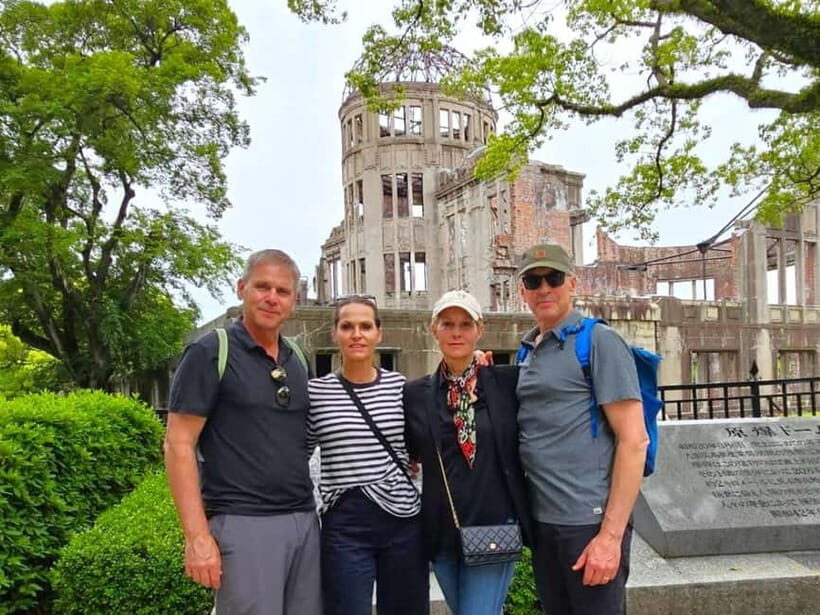
The tour runs about 3 to 4 hours total, and it moves in two main phases. You’ll spend a short, focused block at the Atomic Bomb Dome, then you’ll spend most of your time inside the Peace Memorial Museum.
You’ll want to choose your starting point so you’re not zigzagging across town with limited time. There are two starting options: Hiroshima Port (広島港) or Seven-Eleven Hiroshima Oote-machi 1-chome (セブン-イレブン 広島大手町1丁目店). Your drop-off is also flexible depending on the option you book, with stops at the Peace Memorial Museum (広島平和記念資料館) or Hiroshima Port (広島港).
One practical tip: plan to keep your day simple afterward. This is the kind of visit where you might want a quiet meal and a slower walk, not a packed schedule that demands energy.
Atomic Bomb Dome: what you’re really seeing in 20 minutes
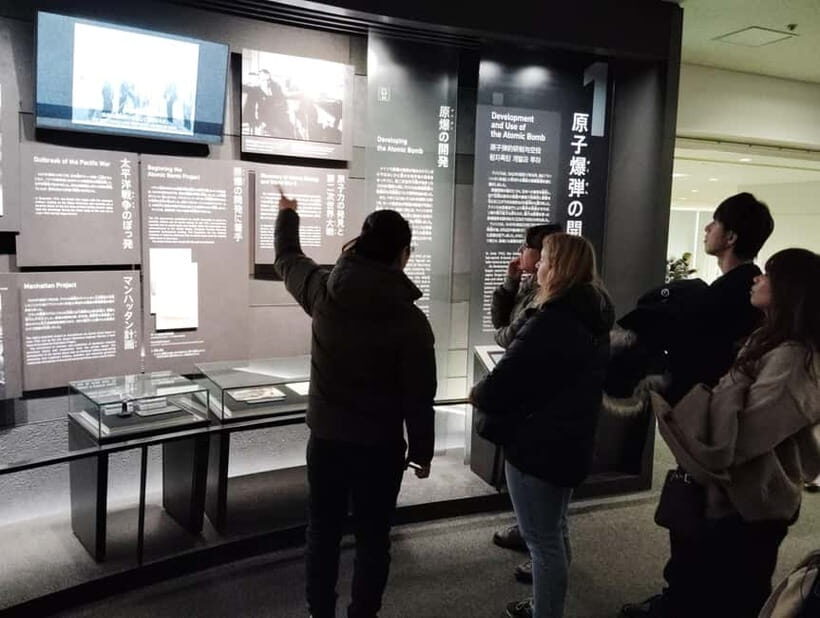
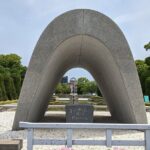
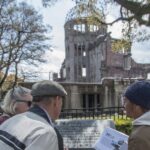
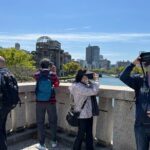
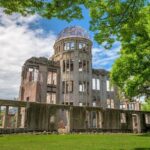
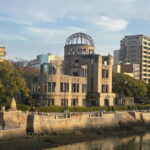
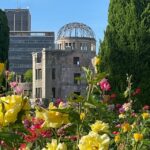
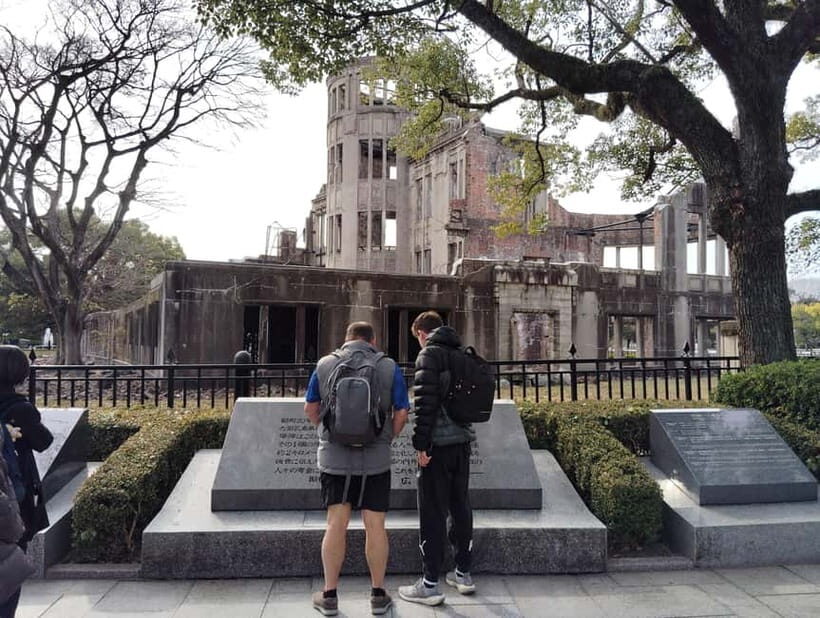
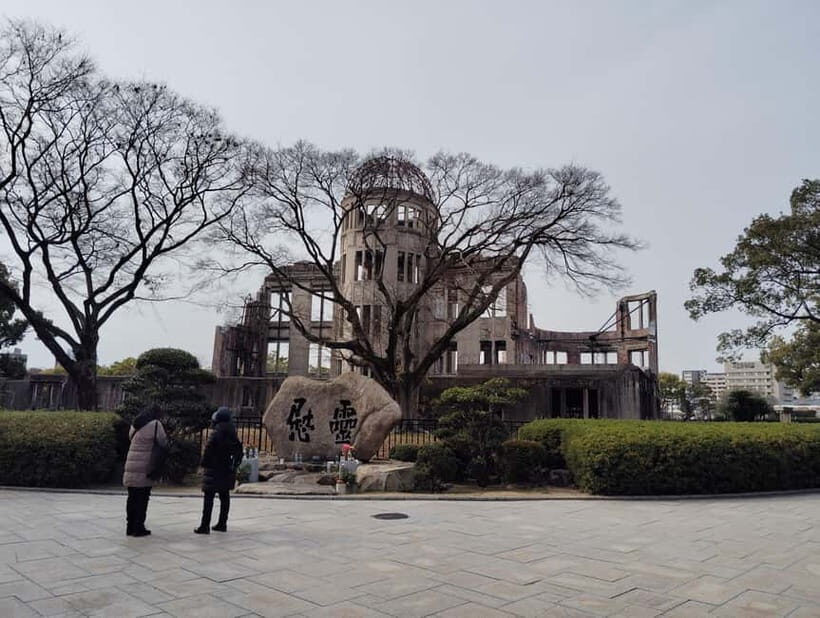
At the Dome, you’re not touring a museum with artifacts behind glass. You’re looking at remains—an exposed steel frame that survived in a way that’s hard to forget. That’s why this stop works even with a short visit time (about 20 minutes of guided sightseeing and walking).
A good guide doesn’t treat the Dome like a photo spot. They explain why leaving this structure visible matters. You learn how the blast’s forces—heat and shock, plus radiation—turned buildings and streets into destruction zones. Then you look again, and the Dome becomes more than a landmark. It turns into evidence.
What I’d pay attention to: the quiet. This place is visually striking, but it also feels like a memorial you have to approach with restraint. If you’re the type who likes to take in details slowly, this stop fits you well.
Peace Memorial Museum: the time slot that does the heavy lifting
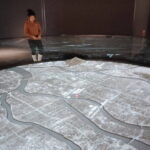
If the Dome gives you the “before/after” image, the Peace Memorial Museum gives you the “what it meant” layer. You’re there for about 2.5 hours, guided, with sightseeing time built in. That longer window is important because the museum doesn’t just list facts—it shows consequences.
Expect exhibits that address both immediate damage and long-term harm. You’ll hear about the catastrophic impact in a zone of about 10 square kilometers and how more than 100,000 people were killed in that area. And you’ll also learn what survivors endured: burns, radiation damage, and later discrimination from others.
This is the part of the tour where you might feel emotionally drained. The tour sets expectations up front that the visit may not make you comfortable. I agree with that warning, but I also think it’s the reason the experience sticks. The museum makes you face the reality that suffering didn’t end at the moment of the blast.
Guides who tell the story with care (and sometimes with family ties)
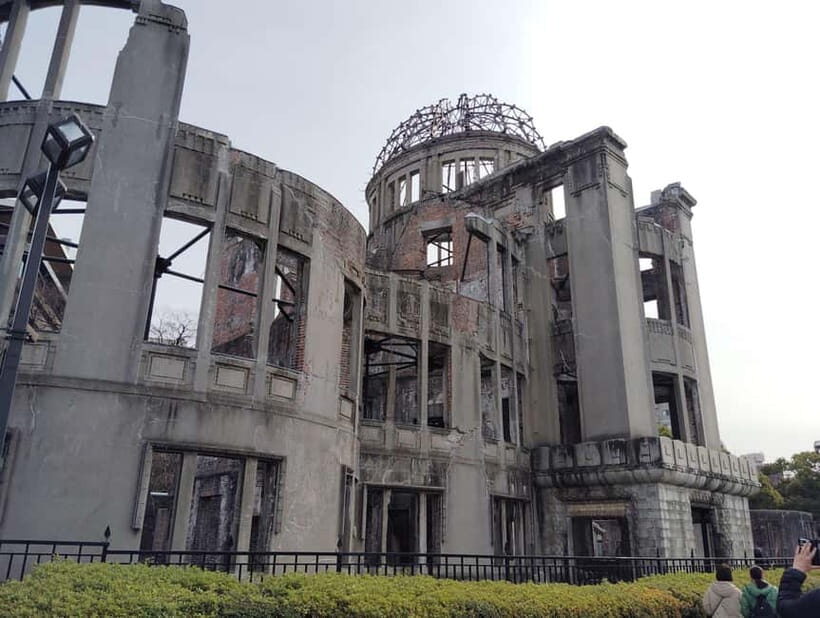
A huge part of the value here is the way local guides shape your understanding. Names show up in real-world ways: Gordon Michasiw’s walk-through is described as very informative, with background history tied to the area and the bombing itself. Another guide, Emiko, is noted for adding thoughtful details, including making a personal birthday gift for the guide’s wife—small human touches that remind you that this is not a distant topic to the people telling it.
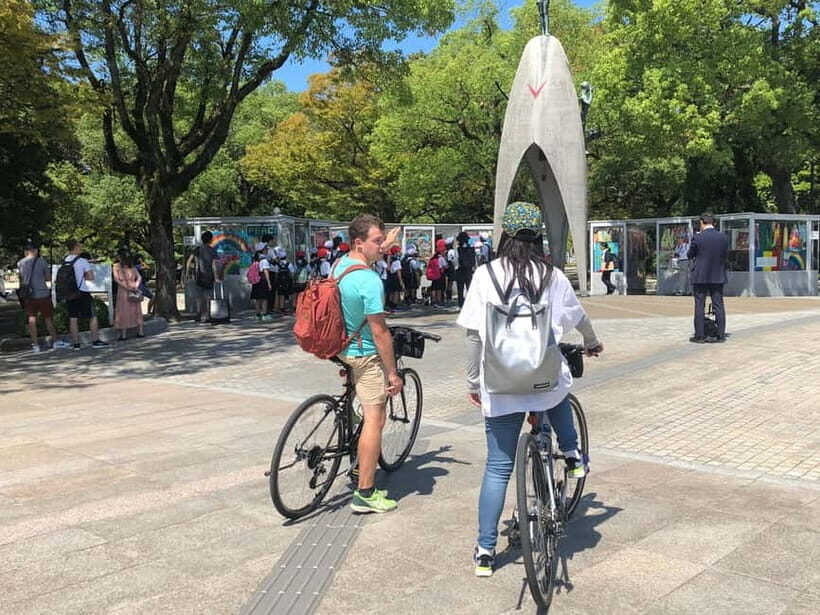
You may also get examples designed to help meaning land. One memorable one from a guide approach: making paper birds to connect emotionally to the story of Sadako. That kind of activity isn’t there to distract you. It’s there to help you carry the human element out of the museum.
If you care about context—why the exhibits are arranged the way they are, what certain details signify—this tour format supports that. You won’t just hear a lecture; you’ll get guided explanations aimed at helping you understand.
Other Atomic Bomb Dome tours in Hiroshima


Why a private group matters in a memorial setting
This is a private group tour. That matters more than it sounds. In a place like Hiroshima, you don’t want to compete with a loud crowd for attention or for a guide to answer a question. You also don’t want your pace forced by strangers who are rushing for photos.
With a private group, you’re more likely to get the explanations you need at the moment you need them. If you want to slow down at the Dome or stay with a particular exhibit longer, you can.
It also helps if you’re traveling with someone you want to experience this together. The tour’s emotional weight doesn’t have to be lonely. If your group is two people, you can make the questions conversational and keep the visit grounded.
UNESCO and the role of physical reminders
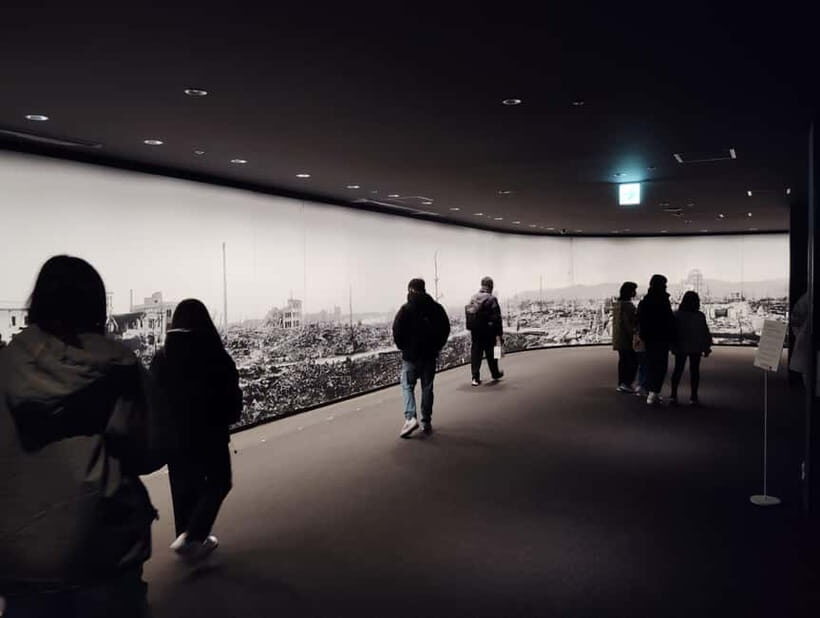
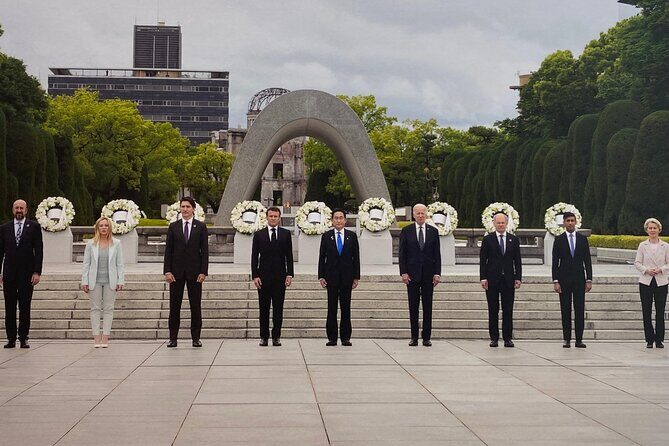
The tour includes UNESCO World Cultural Heritage sites, and the Atomic Bomb Dome is the anchor point here. UNESCO status isn’t just a label—it’s a signal that this site represents something the world agreed must be preserved.
Why that matters for you: physical reminders prevent forgetfulness. The Dome isn’t a reconstruction or a staged set. It’s a surviving structure that points back to what happened. When your guide explains the damage and then you stand there, you’ll likely notice how preservation turns into education.
This also means you’re seeing Hiroshima in a specific way—not as a general city highlight route, but as a place where memory is part of the streetscape.
Walk, sit, reflect: what the pacing feels like
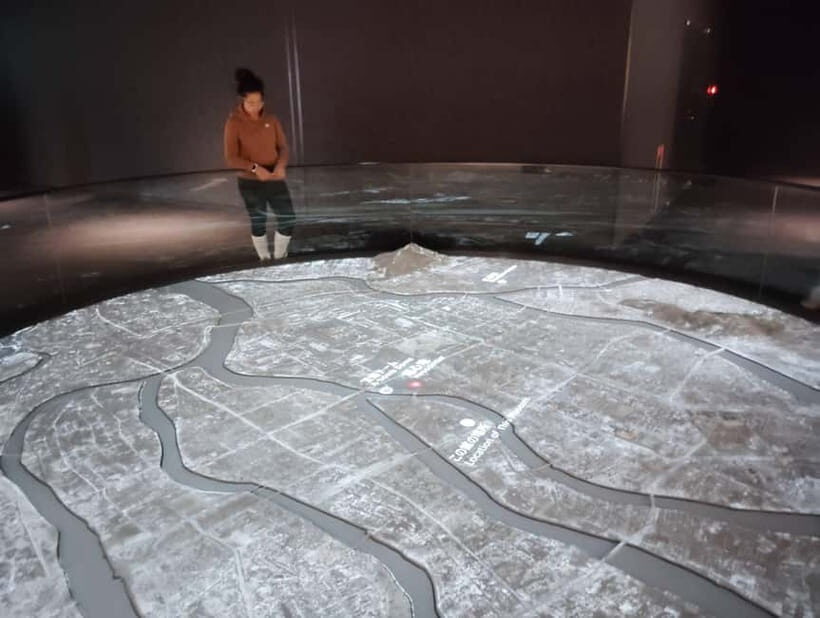
The tour isn’t long on paper, but it’s long enough to feel complete: a brief guided segment at the Dome and a much longer segment at the museum. You’ll do walks at both stops, and the museum time is the real commitment at roughly 2.5 hours.
Here’s how to make the time feel manageable:
- Plan to take breaks mentally, even if you’re still standing in the museum. Look, read, then let the explanation land before moving.
- Bring water, even though drinks and food aren’t included. You won’t be told to stop for snacks, so it’s smart to have the basics ready.
- Dress for comfort. You may be walking more than you expect, and you’ll want to stay present rather than focused on sore feet.
Even if you’re the type who usually “powers through” museums, I’d slow your pace here. The goal is understanding, not checking boxes.
Price and value: is $105 worth it?
At $105 per person for a 3–4 hour private guided experience, the cost isn’t cheap, but it’s not random either. You’re paying for two things: admission to the Peace Memorial Museum and the guide fee.
Admission is one piece, but the bigger value is the guided interpretation. This tour’s content depends on someone translating the meaning of what you’re seeing—especially at the Dome and inside the museum where context is crucial. Local guides also help you avoid getting lost in the sheer emotional intensity of the exhibits.
If you’re the sort of traveler who likes good explanation—someone who can answer why details matter—this price starts to feel fair. If you’re purely self-guided in style and you don’t want a structured explanation, then you might decide to do it independently. But for many people, the guide makes the difference between a haunting visit and a truly understandable one.
What’s included, what’s not, and what to bring
Included:
- Admission to the Peace Memorial Museum
- Guide fee
Not included:
- Drinks and foods
So I recommend you show up ready to stay focused. A simple plan: wear comfortable shoes, bring water, and consider light snacks if you know you’ll get hungry after the museum. This isn’t about adding distractions—it’s about keeping your body comfortable so you can stay with the experience.
Language-wise, you can expect a live guide in English or Japanese. That matters because accurate explanation is everything here.
Who should book this Hiroshima Dome and Museum tour
This tour is a strong fit if:
- you want a guided explanation rather than reading everything alone
- you care about understanding the damage and the human aftermath, not just seeing the landmarks
- you prefer a calmer pace in a sensitive place (private group)
It may not be the best choice if you’re looking for a light, casual sightseeing day. This is more demanding than a typical city tour. But if you want to honor the subject with time, context, and clear guidance, you’ll likely feel grateful you did it.
Should you book this Hiroshima Atomic Bomb Dome and Peace Memorial Museum tour?
Yes, if you want the experience to make sense as you’re standing in front of it. The Dome stop is brief, but it’s guided well enough to connect what you see to what happened. The museum time is long enough to absorb the exhibits without feeling like you’re sprinting through tragedy.
I’d especially recommend it if you’re traveling with only one other person or just your own group—private format plus sensitive pacing is a good match. Just go in with the right expectation: you’re not looking for entertainment. You’re looking for understanding, and it can be heavy.
FAQ
What does this Hiroshima tour include?
It includes admission to the Peace Memorial Museum and a live guide.
What sites will we visit?
You’ll visit the Atomic Bomb Dome and the Hiroshima Peace Memorial Museum.
How long is the tour?
The duration is about 3 to 4 hours.
Is the tour a private group?
Yes, it’s described as a private group.
What languages are offered?
The tour offers English and Japanese live guiding.
Where does the tour start?
Starting points can be Hiroshima Port (広島港) or Seven-Eleven Hiroshima Oote-machi 1-chome (セブン-イレブン 広島大手町1丁目店), depending on what you book.
Where do we get dropped off?
Drop-off locations can be the Hiroshima Peace Memorial Museum area or Hiroshima Port (広島港), depending on the option booked.
Is food or drinks included?
No. Drinks and foods are not included.
How much does the tour cost?
It’s listed at $105 per person.
What’s the cancellation window?
It offers free cancellation up to 24 hours in advance for a full refund.