REVIEW · HIROSHIMA
Kimono and Calligraphy Experience in Miyajima
Book on Viator →Operated by Okeiko Japan · Bookable on Viator
Kimono and calligraphy in one peaceful hour. This small-group Miyajima experience dresses you in kimono at Tokuzo-ji and teaches you Japanese brush basics before you practice your own writing. I like the crowd-quiet temple setting and I really love the hands-on payoff of making art you can take home.
One potential drawback is simply getting to the meeting point. It’s near public transportation, but you may still walk some uphill or along narrow paths depending on where you drop off.
In This Review
- Key things to know before you go
- Miyajima, but calmer: a temple workshop instead of the tourist strip
- The timing: a 1-hour session that doesn’t drag
- Dressing for the lesson: choosing from 100+ kimono at Tokuzo-ji
- Calligraphy class from scratch: brush grip, basic lines, then your kanji
- Writing your name: hiragana, katakana, and the final signature
- The take-home good-luck scoop: why writing on wood feels special
- Photo moments: guided pictures and a Japanese garden backdrop
- Small group energy: why max 6 makes the lesson easier
- Price and value: $84.92 for kimono + instruction + a take-home item
- How to pair it with your Miyajima day (especially tide timing)
- Meeting point reality: near transit, but expect some walking
- Who should book this, and who might skip it
- Short practical FAQ (quick answers before you decide)
- FAQ
- Where does the experience start and end?
- How long is the kimono and calligraphy experience?
- Is kimono dressing included?
- Do I choose what I write in calligraphy?
- Is there practice for my name too?
- What do I take home at the end?
- Are photos included?
- How big are the groups?
- What age can participate?
- What if the weather is bad or I need to cancel?
- Should you book the Miyajima kimono and calligraphy workshop?
Key things to know before you go
- Small group (max 6): more one-on-one help while you learn the brush and strokes.
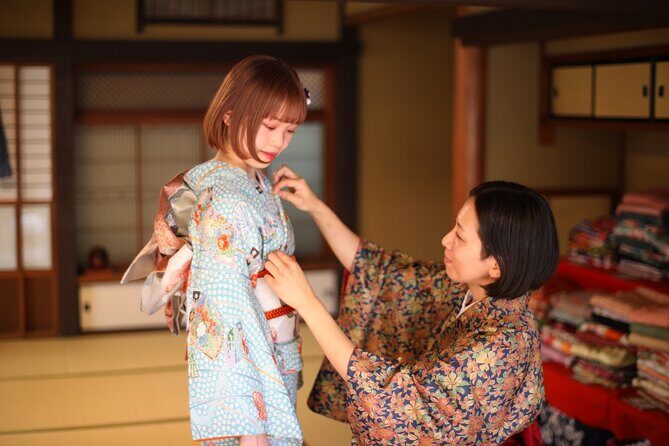
- Kimono first: pick from a collection of 100+ kimono, then get help with the obi and fit.
- Choose your kanji: you select a favorite kanji to practice from provided samples.
- Two writing styles: you create samples in hiragana and katakana for your name, then write/sign your final work.
- Take-home good-luck item: you write on a wooden scoop and get it in a container.
- Photos are part of it: your guide takes pictures during the lesson, then shares them after you answer a short questionnaire.
Miyajima, but calmer: a temple workshop instead of the tourist strip
Miyajima is famous for iconic scenes, and that can also mean shoulder-to-shoulder crowds. This experience gives you a different vibe: kimono and calligraphy in a temple setting away from the busiest sightseeing lanes. The setting helps you slow down, which matters because calligraphy is all about control—how you hold the brush, how you start a stroke, and how you finish.
I also like that you’re not just renting clothes and wandering. You’re doing something cultural while you’re wearing the clothing that makes the activity feel real. The atmosphere tends to feel quiet and focused, with room to look closely at what you’re making.
Other Miyajima Island tours in Hiroshima


The timing: a 1-hour session that doesn’t drag
The workshop runs about 1 hour and comes in either a morning or afternoon session. That’s a sweet spot. It’s long enough to get dressed properly, learn the basics, and produce a final piece you can keep. It’s short enough that you’re not stuck missing the rest of Miyajima’s sights.
In practice, the flow is simple:
- kimono selection and getting dressed
- brush basics and guided practice
- choosing and practicing kanji and your name
- signing, stamping, and packing up your take-home item
If your day on Miyajima is also built around other plans, the one-hour length makes it easier to slot in without stress.
Dressing for the lesson: choosing from 100+ kimono at Tokuzo-ji
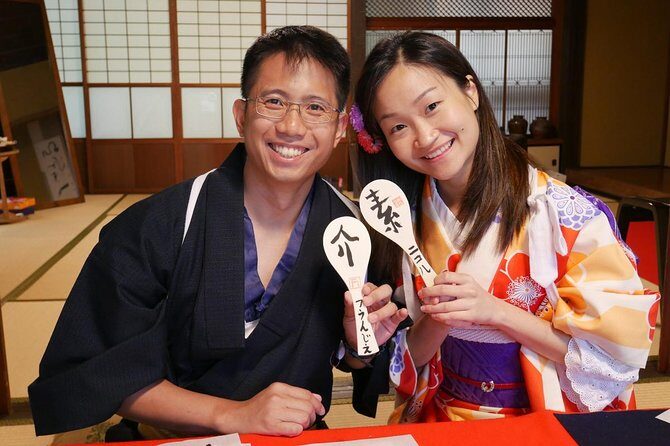
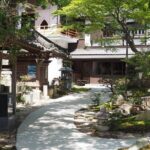
Your session starts at Tokuzo-ji (徳寿寺). This matters because you’re dressing at a temple location rather than a shop near the most photographed streets. It also sets the tone early: you arrive, you change, and you switch into the right mindset for a craft class.
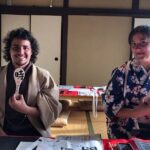
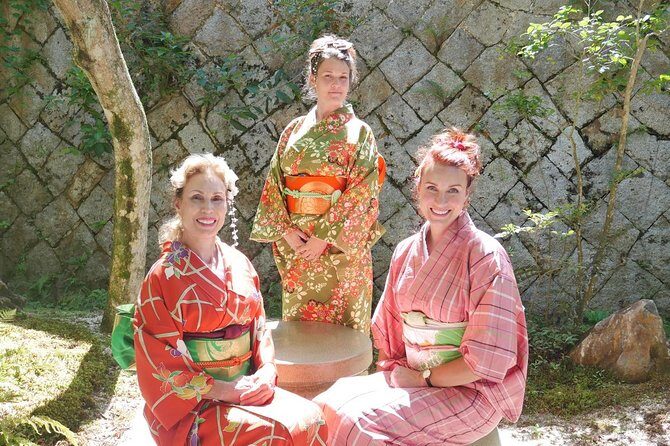
Kimono dressing is included, and there’s a large selection—100+ kimono. You choose one, then staff help you put it on and add the obi and other needed pieces. Sizes are included in a way that feels thoughtful; I’d expect you’ll be able to find something that fits comfortably, since the collection is meant for a wide range of body types.
One more practical plus: because you’re dressed and styled on-site, you’re primed for photos without needing to rush to a separate photo spot.
Calligraphy class from scratch: brush grip, basic lines, then your kanji
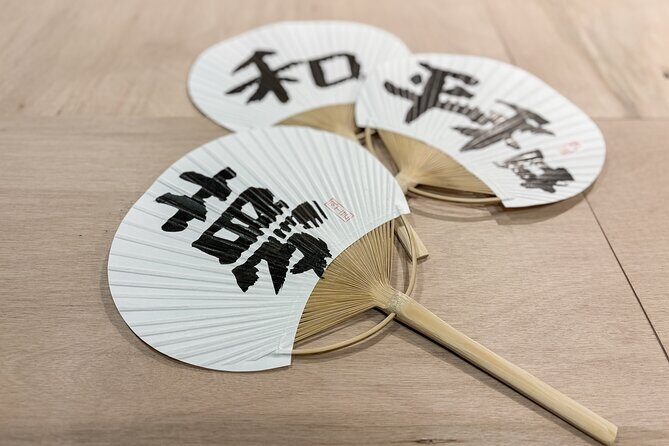
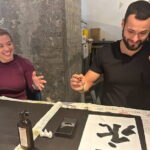
The calligraphy part is taught step by step. First, you learn how to hold the brush properly. That sounds basic, but it’s the difference between your strokes looking deliberate or looking like you were attacked by a paintbrush. You start with basic lines, so you can get comfortable before you move to actual characters.
Then you shift to kanji (Chinese characters). You’re not stuck with random assigned symbols. You choose from provided samples and practice a kanji you genuinely like. That choice turns the lesson from a demonstration into a small creative moment.
Writing your name: hiragana, katakana, and the final signature
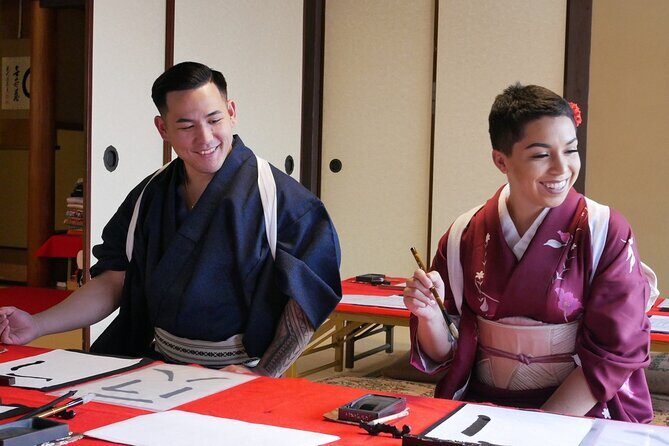
In addition to kanji practice, you create a sample of your name in hiragana and katakana. That’s useful even if you can’t read Japanese well—because it gives you something personal to work with and a concrete memory tied to your name.
When you’re ready to finish your piece, you don’t just leave it at pencil sketches. You complete the work by signing in Japanese and adding a stamp. That final step is what makes the writing feel like an artwork rather than a worksheet.
And yes, it’s meant to be taken home. You also get a proper container so your piece doesn’t get banged up on the walk back through Miyajima’s paths.
Other kimono tours in Hiroshima

The take-home good-luck scoop: why writing on wood feels special
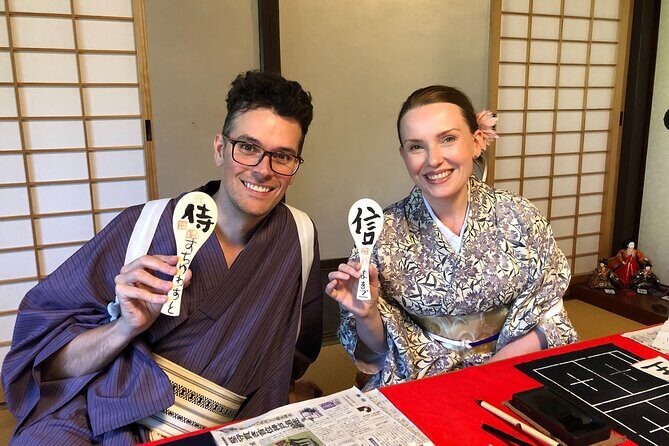
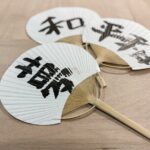
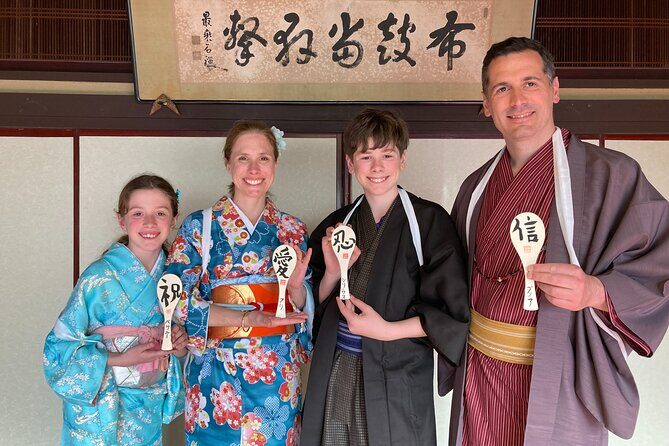
A highlight of this outing is that you don’t just write on paper. You practice on a wooden item—a personalized rice scoop that you take home for good luck. That turns your calligraphy into something physical, useful as a keepsake, and more memorable than a folded page.
You choose your favorite kanji, then you write it in the final format on the scoop. Doing the lettering on an object adds a new layer of challenge—your strokes need to match the shape and surface. That’s also why the result feels more satisfying.
If you like crafts with a clear ending point, this one delivers. You’ll leave with the finished item, not just photos of what you practiced.
Photo moments: guided pictures and a Japanese garden backdrop
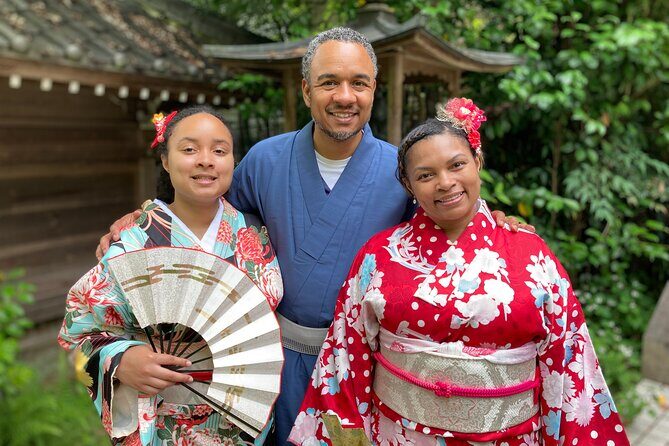
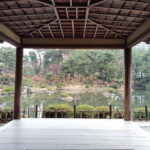
There are photo opportunities built into the experience. Your guide takes pictures while you do the lessons, and you can also take photos in a Japanese garden area during the session. That’s a nice detail because it means your outfit photos aren’t limited to a single pose in a single spot.
After the class, sharing happens through a questionnaire. By answering it, you can receive the pictures from your session. It’s a straightforward system that avoids awkward “send me your email” back-and-forth.
Small group energy: why max 6 makes the lesson easier
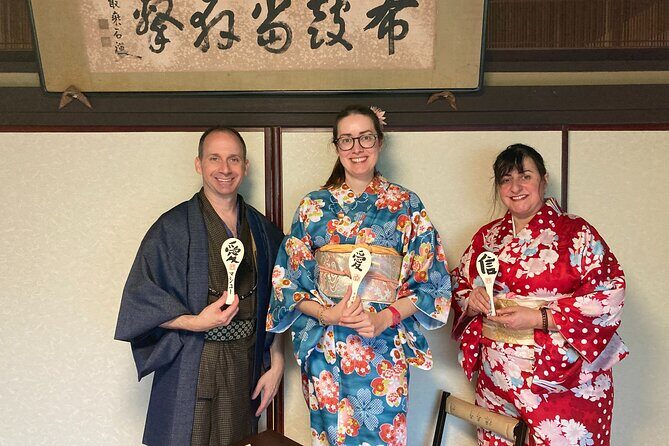
The group size is capped at 6 people. That matters more than it sounds. Calligraphy needs feedback: is your brush angle right, are your stroke starts too heavy, and do you need to slow down? Smaller groups mean staff can adjust and help without turning you into background noise.
This setup also makes it feel friendly. You’re in a calmer space, learning with others but not competing for attention. It’s a good fit for people who want structured teaching rather than wandering through an activity they have to figure out.
One note: the age minimum is 6. So it’s not only for adults, but it also means the instruction is likely paced in a way that works for kids who can follow directions and hold a brush carefully.
Price and value: $84.92 for kimono + instruction + a take-home item
At $84.92 per person for about 1 hour, the price isn’t just for calligraphy. You’re paying for:
- kimono dressing (with lots of options)
- guided calligraphy lessons (brush basics through kanji)
- a take-home personalized rice scoop with writing, signature, and stamp
- staff-guided photos and garden photo opportunities
- a container to take your work home safely
That’s why I think the value can be strong compared with doing “a kimono rental plus a separate class later.” Here, two activities are packaged together in one smooth slot. The experience also includes the materials and the guidance, which is where most workshops cost you time and confidence.
One practical way to judge value for yourself: if you’d otherwise skip calligraphy or you’re not sure you’ll have the patience to learn the strokes without help, this is the kind of guided class that can justify the price.
How to pair it with your Miyajima day (especially tide timing)
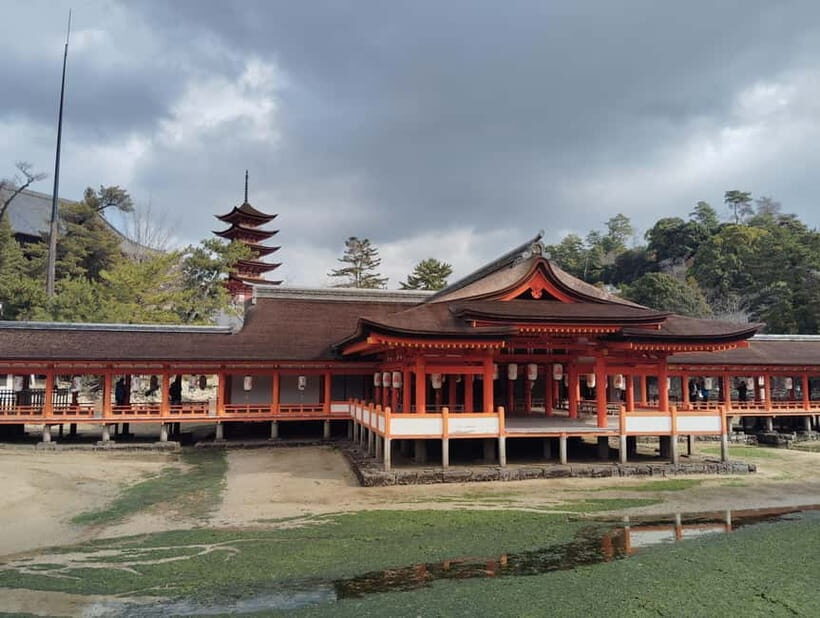
Miyajima is often scheduled around the tides, especially if you’re planning to walk toward famous areas during low tide. One easy strategy is to use this workshop as your “between moments” activity—when you need something cultural that doesn’t depend on tide timing.
Because this experience is about an hour, it works well while you wait for tide changes, or while you take a break from your shrine-side plans. You’re still on Miyajima, but you’re doing something that doesn’t require a specific water level.
Meeting point reality: near transit, but expect some walking
The start is at 徳寿寺 (Tokuzo-ji): 741-1 Miyajimachō, Hatsukaichi, Hiroshima 739-0513, Japan. The location is listed as near public transportation, which is reassuring.
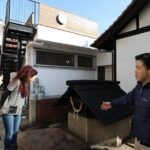
Still, be ready for some walking once you’re in the area. Temple grounds and nearby roads can involve uphill sections or narrow routes. Maps usually help, but sometimes routing can send you along a mountain-side road that adds extra distance. If you’re the type who hates surprise steep sections, give yourself a little buffer time so you don’t feel rushed.
Tip: if you’re coming from the main Miyajima sightseeing flow, aim to arrive with a margin so you can get settled and dressed without stress.
Who should book this, and who might skip it
This outing is a great match if you want:
- a cultural workshop rather than only photos
- kimono dressing without doing it next to the busiest streets
- a guided calligraphy lesson with step-by-step instruction
- a real take-home memory, not just a souvenir purchase
It’s also a nice fit for pairs and families because you’ll be working at the same table setup and finishing with a tangible item.
You might consider skipping it if:
- you don’t want to wear kimono and handle a brush
- your schedule is so tight that a fixed 1-hour block is hard
- you prefer long free-form sightseeing with minimal structure
Short practical FAQ (quick answers before you decide)
FAQ
Where does the experience start and end?
It starts at Tokuzo-ji (徳寿寺) in Miyajimacho, Hatsukaichi, Hiroshima. The activity ends back at the meeting point.
How long is the kimono and calligraphy experience?
It runs for about 1 hour (approx.).
Is kimono dressing included?
Yes. You select a kimono, then get help with wearing it, including the obi and other needed items.
Do I choose what I write in calligraphy?
Yes. You practice kanji based on samples you can choose from, including selecting your favorite kanji to practice.
Is there practice for my name too?
Yes. You make samples of your name in hiragana and katakana, and your final artwork includes signing in Japanese and a stamp.
What do I take home at the end?
You take home your personalized rice scoop with your calligraphy work. You’ll also receive a container for taking it home.
Are photos included?
Your guide takes pictures during the lesson, and there are photo opportunities in a Japanese garden area. Photos are shared after you answer a questionnaire.
How big are the groups?
The tour has a maximum of 6 travelers.
What age can participate?
The minimum age is 6.
What if the weather is bad or I need to cancel?
The experience requires good weather. If it’s canceled due to poor weather, you’ll be offered a different date or a full refund. You can cancel for a full refund up to 24 hours in advance.
Should you book the Miyajima kimono and calligraphy workshop?
If you want a Miyajima memory that’s more than a photo, I’d book it. The combination of kimono dressing, step-by-step calligraphy instruction, and a take-home personalized rice scoop makes the hour feel complete. The small group size is also a real advantage for learning without feeling rushed.
But be honest about logistics. If walking to the temple meeting point is a stress point for you, plan extra time. If you’re fine with that, this is one of the better ways to experience Miyajima beyond the busiest sights.