REVIEW · HIROSHIMA
Hiroshima: Morning Hiking Tour with Open-air Tea Ceremony
Book on GetYourGuide →Operated by MyJapan · Bookable on GetYourGuide
A morning hike with tea sounds simple, until you get the mountain views. This short tour links Futaba Mountain shrines with a calm outdoor tea moment, plus guided forest bathing above Hiroshima. I like that you get both culture (Hiroshima Toshogu Shrine and Kinko Inari Shrine) and nature (the walk through greenery). The main drawback is physical: you’ll climb roughly 500 steps, so it’s not for everyone.
You meet in central Hiroshima, then move as a small group of up to 6 people with a live Japanese or English-speaking guide. I especially like the way the tea ceremony is done outdoors, so you’re not stuck inside with just a screen and a snack. You’ll still want comfortable shoes, and if you have heart issues, skip this one.
In This Review
- Key highlights you’ll actually remember
- Meeting at Hiroshima Station and how the 3-hour rhythm works
- Hiroshima Toshogu Shrine: the cultural warm-up before the climb
- Kinko Inari Shrine trail: lush greenery and the stair reality
- Peace Pagoda viewpoint: where the city turns into a panorama
- Nodate open-air tea ceremony: matcha outdoors, rules and flexibility
- Forest bathing on Futaba: turning down the mental noise
- Price and value: is $106 worth it?
- Who should book this Hiroshima morning hike with tea
- Should you book it? My practical take
- FAQ
- Where is the meeting point?
- Is hotel pickup included?
- How long is the tour?
- What language is the guide?
- How big is the group?
- What should I bring?
- How many steps are involved?
- Is forest bathing included?
- Is the tea ceremony included?
- What if I need to cancel?
Key highlights you’ll actually remember
- Futaba Mountain sunrise-style views over Hiroshima, the Seto Inland Sea, and Miyajima
- Nodate open-air tea ceremony with your guide serving tea outdoors
- Shinto shrine strolls through Hiroshima Toshogu Shrine and Kinko Inari Shrine
- Peace Pagoda photo stop from a high viewpoint on the way
- Forest bathing guidance that slows you down instead of rushing you through the trail
- Small group feel (up to 6) so you can ask questions and take photos
Meeting at Hiroshima Station and how the 3-hour rhythm works
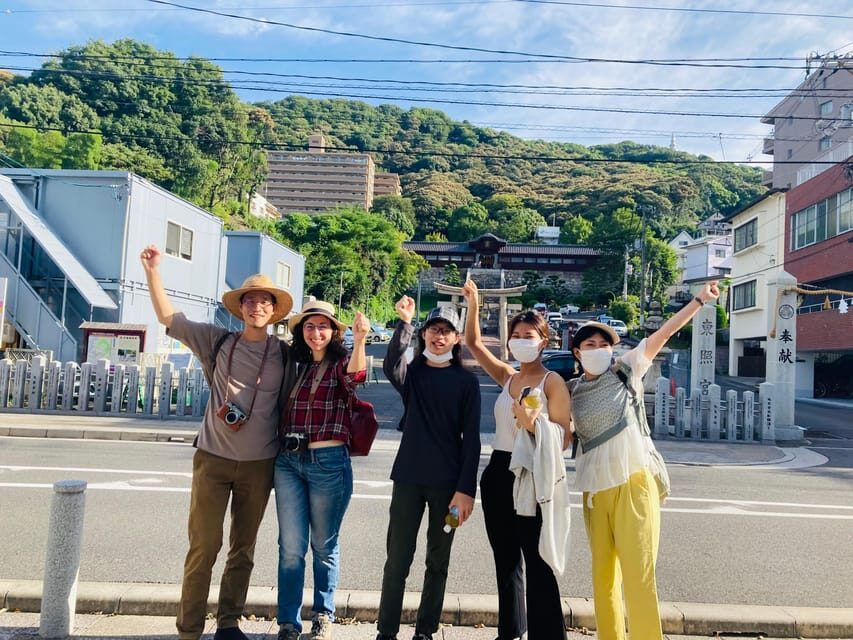
This tour is built around a quick start in the city. You meet your guide at the deck on the 2nd floor of Hiroshima Station, in front of the Shinkansen North Exit. No hotel pickup is included, so plan to roll up on your own transit.
The total duration is listed as 3 hours. In real life, it can stretch a bit because you’re doing multiple short shrine stops, climbing stairs, and then settling into the tea and forest bathing experience. My advice: don’t schedule a tight connection right after the tour ends. Give yourself a buffer and enjoy the fact you’ll likely be in a better mood than you were at 7-something in the morning.
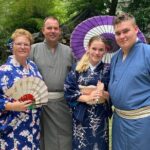
Group size matters here. With a maximum of 6 participants, you don’t get that rushed, mass-tour feeling. Guides you may encounter in past groups include Stephanie, Naomi, Nana, Michiyo, Mimi, and Michi. That variety can be nice, since each guide tends to focus on how they personally explain the area—Shinto details, practical shrine manners, or how to do forest bathing without overthinking it.
If you choose the breakfast option, breakfast is included. If not, you’ll be hiking and then eating later on your own—so I’d treat this as a morning activity that sets the tone, not a full-day food plan.
Other tea ceremony tours in Hiroshima
Hiroshima Toshogu Shrine: the cultural warm-up before the climb
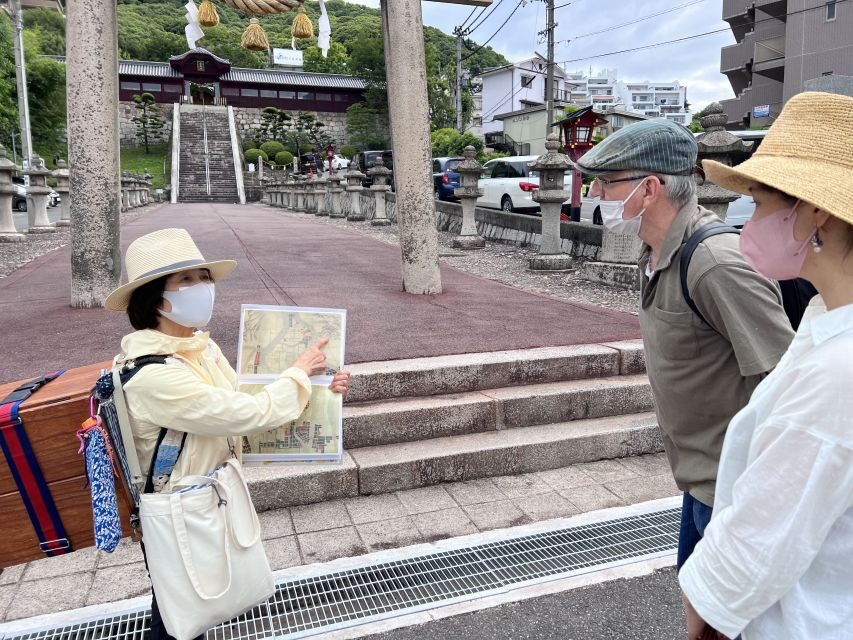
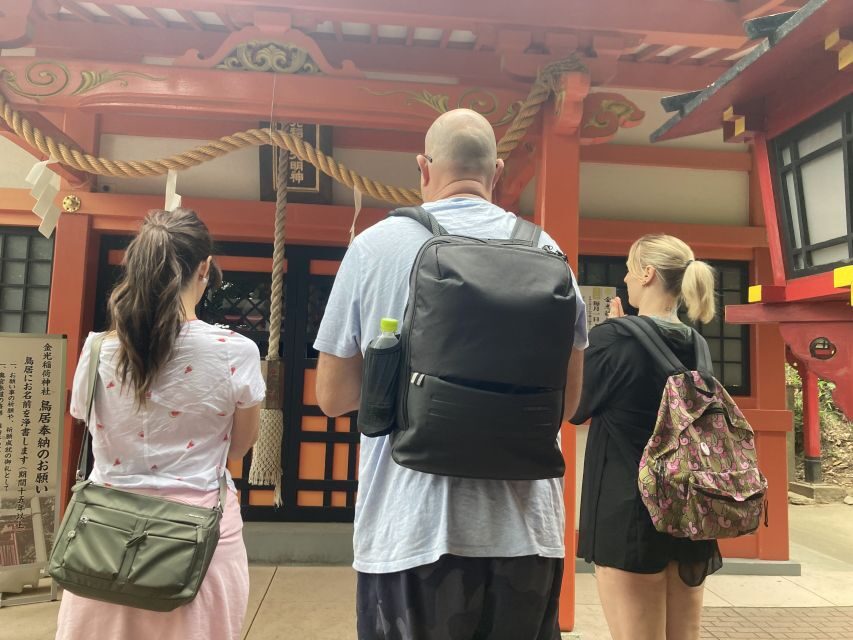
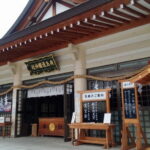
The tour kicks off with a visit to Hiroshima Toshogu Shrine. You’ll spend about 30 minutes here, with a guided walk and time to look around. This stop is a useful warm-up because it gives you a framework for what you’re seeing on the mountain: shrine architecture, the logic behind the grounds, and the basic Shinto vibe of respect and attention.
This isn’t a museum lecture. It’s more like walking slowly with someone who points out what your eyes might skip: patterns in structures, how sacred space is arranged, and why certain areas matter. One of the most praised parts of this experience is the way guides explain the grounds clearly—so even if you don’t know Japanese religious history, you’re not left guessing.
A good drawback to keep in mind: you’re going straight from shrine time into a stair climb. If you’re sensitive to cold or stiffness early in the day, show up with a light layer you can ditch once you start moving.
Kinko Inari Shrine trail: lush greenery and the stair reality
Next you head toward Kinko Inari Shrine in the mountains of Futaba. You’ll be walking and hiking for about 25 minutes in this stretch, with guided sightseeing along the way.
Here’s the thing: you’re not doing a casual stroll. You’ll need to go up about 500 steps total on the hike. Even if the group pace is steady and the guide builds in breaks, the stairs are real. Some people love this part because it makes the view feel earned. Others feel their legs the next day. Either way, it’s straightforward: bring comfortable shoes and don’t try to look elegant.
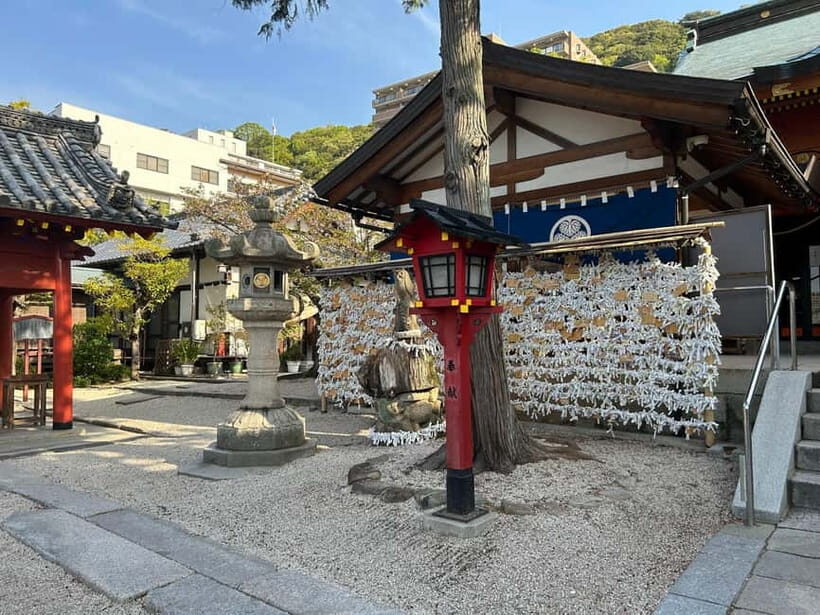
Along the route, you pass through mountain shrine spaces, so you’re not just climbing through trees—you’re also learning how shrine routes work in this setting. People consistently mention the shrines along the way and the explanations about Shinto. The best way to use this segment is simple: slow your pace on the stairs, and listen to what the guide tells you about what you’re seeing, not only what you’ll see later at the top.
Peace Pagoda viewpoint: where the city turns into a panorama
After the Kinko Inari portion, you’ll reach the Hiroshima Peace Pagoda area for a photo stop and guided sightseeing, with about 35 minutes here for the viewpoint and time on the way.
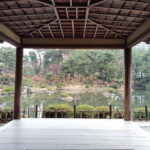
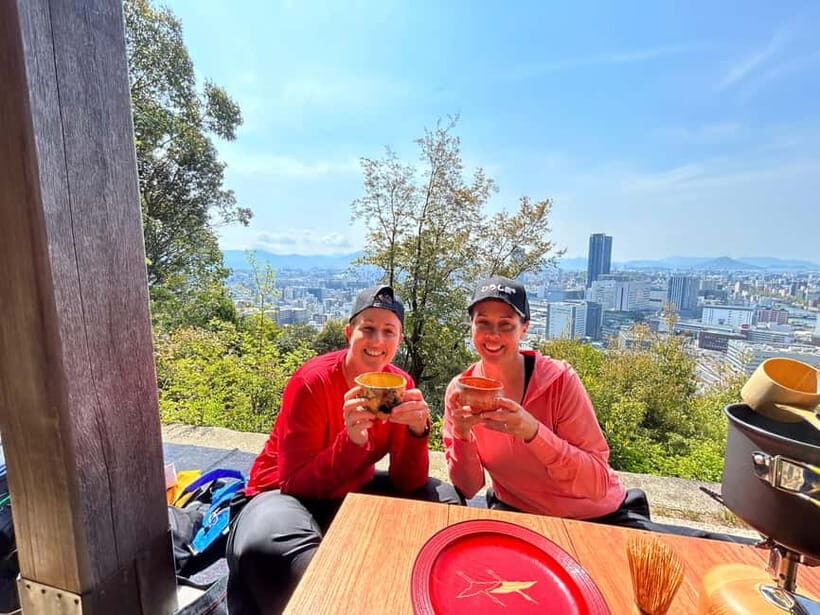
This is where the tour earns its morning hype. From the higher point, you get a sweeping view of Hiroshima City, the Seto Inland Sea, and Miyajima on a clear morning. Even if you’ve seen Hiroshima from street level before, this angle feels different—less “urban day” and more “coastline map.”
The Peace Pagoda stop also functions like a mental reset. You’ve just climbed; now you slow down. It’s not about rushing to capture a selfie. It’s about letting the panorama settle in while your guide frames what you’re looking at—so you understand the geography instead of just staring.
Practical note: viewpoints mean wind and uneven footing in spots. Wear shoes with solid grip, even if the weather looks calm.
Nodate open-air tea ceremony: matcha outdoors, rules and flexibility
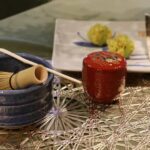
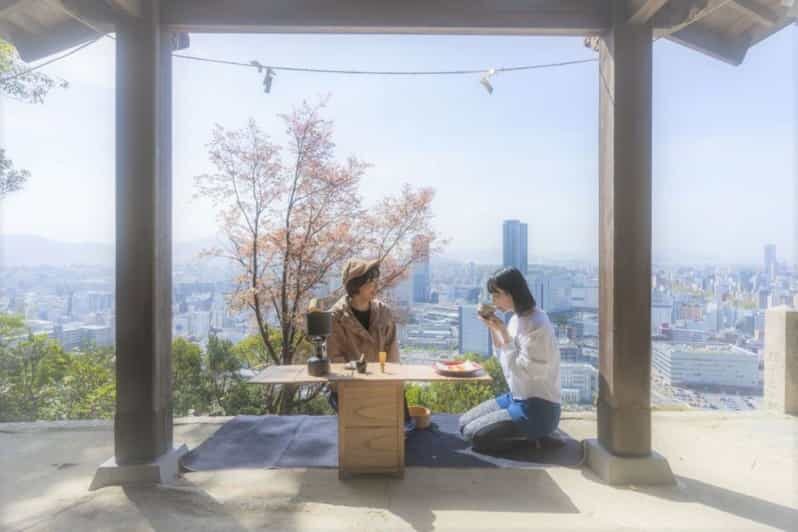
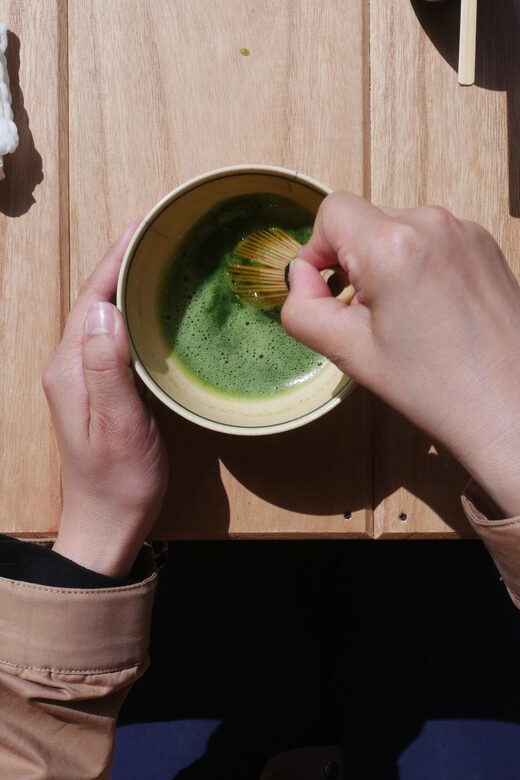
Then comes the moment many people highlight as their favorite: the Nodate tea ceremony, done outdoors during a break around the Kinko Inari area. You’ll spend about an hour here, including tea-making and time to pause with the group.
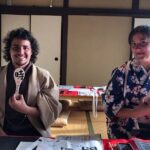
This is where Japanese hospitality turns into a real experience, not a demo. Your guide prepares green tea outdoors, and you’ll often get hands-on guidance. In past groups, guides like Nana and Naomi are praised for getting participants involved—sometimes even letting you master the matcha process within the ceremony format.
One review detail that’s helpful for expectations: this isn’t staged like a private indoor room with kimono. You’re outside, in the mountain air, in a more casual outdoor setting. That difference is part of the charm. You’re not pretending the city stopped existing—you’re drinking tea with the hillside and sky as your backdrop.
If you want to do the tea ceremony justice, bring a curious attitude. Notice how the guide explains steps, not just the final sip. Even if you don’t follow every word in Japanese, you’ll understand the structure through watching and simple cues.


Forest bathing on Futaba: turning down the mental noise
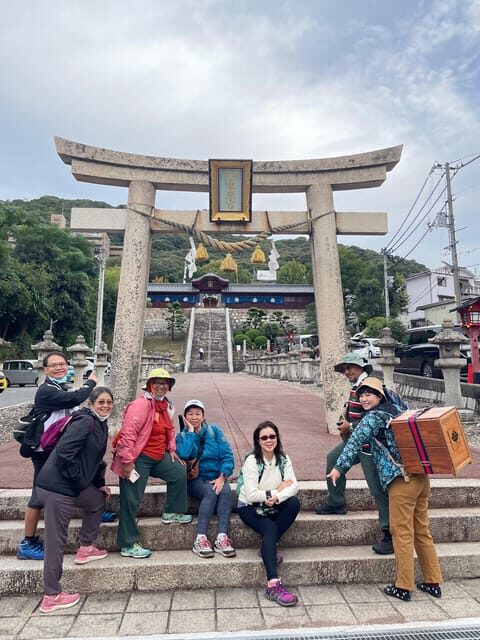
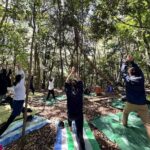
After tea, you’ll do forest bathing, guided as an activity that helps you slow down and connect to the natural surroundings.
People sometimes assume forest bathing means some kind of physical stretch or even a swim. Here it’s more like sensory meditation: paying attention to what you can hear, see, and feel as you move slowly through the greenery. The point is to experience the mountain instead of treating it like a staircase you have to conquer.
I like forest bathing on this tour because it sits right after tea and viewpoint time. You’re already in a calm, reflective mood. The guide’s instructions give you something practical to focus on, so you don’t end up just walking and chatting while your body never really gets that “slow down” message.
This segment is also a good reason to choose mornings for this kind of trip. You’re more likely to feel the quiet and the fresh air without the harsh pressure of a crowded day.
Price and value: is $106 worth it?
At $106 per person for about 3 hours, you’re paying for three things at once: a guided hike with shrines, a viewpoint stop with explanations, and guided tea plus forest bathing.
If you were doing these separately, it would likely cost more and take longer to coordinate. The value here is the structure. You’re guided to the right places, taught how to look at them, and given the time to actually do the experiences instead of just passing through. The small-group size (up to 6) also helps. You’re not fighting for attention or being herded.
The only real “cost” is effort. You’re climbing stairs, roughly 500 steps up. That’s not a tour you take lightly if mobility is a concern. Think of the money as buying not only access, but also pacing, interpretation, and a calm cultural-and-nature package in half a morning.
Who should book this Hiroshima morning hike with tea
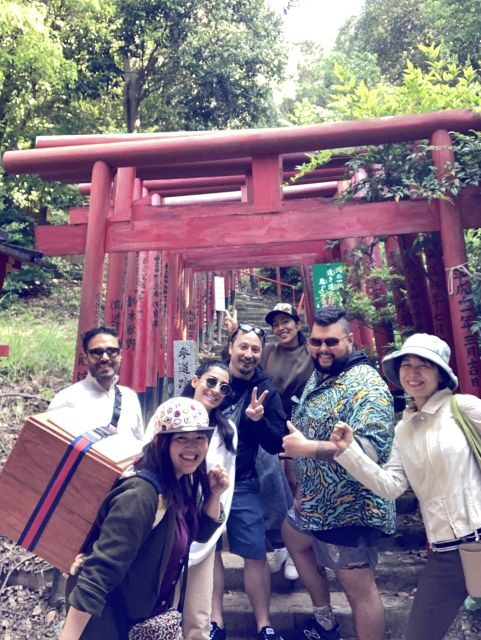
This tour is a great fit if you want a different side of Hiroshima. You’ll get religion and landscape in the same frame: Shinto shrine visits, the Peace Pagoda viewpoint, and a nature-based reset via forest bathing.
It’s especially good for:
- People who like mornings and don’t mind early starts
- Anyone curious about Japanese shrine culture and tea traditions
- Travelers who want a calmer experience outside the main city energy
- First-timers who want an easy way into forest bathing and tea ceremony basics
It’s not ideal if:
- You have heart problems (explicitly not suitable)
- You hate stairs, even when the guide keeps the pace gentle
- You want a purely flat walk or minimal walking
Should you book it? My practical take
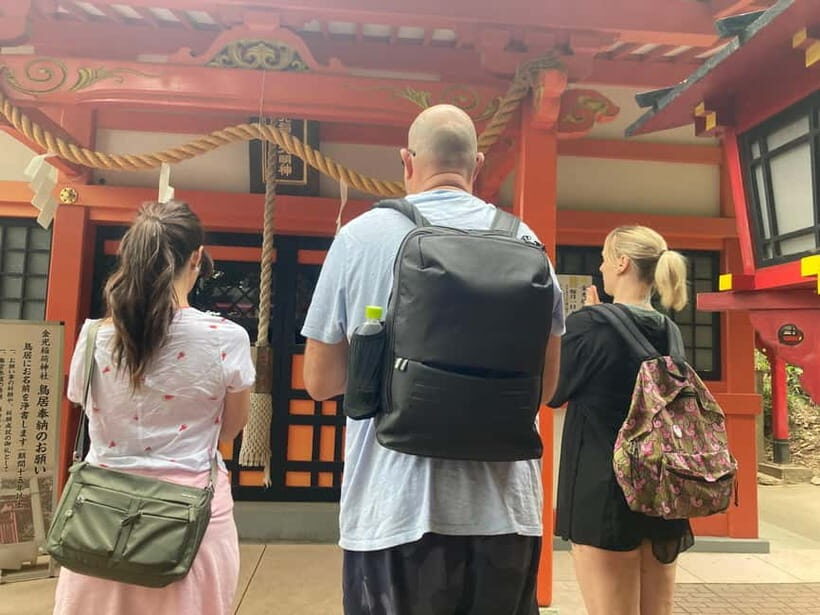
If you’re the type who enjoys walking with a guide, stopping often to look and learn, and you’d love a tea ceremony with real outdoor atmosphere, then yes—this is a strong choice. The experience is compact, but it covers a lot: shrine culture, a major viewpoint with sea and island views, then tea and forest bathing that actually changes your pace.
If stairs are your main concern, or you’re trying to keep things low-impact, I’d skip this and look for a gentler Hiroshima overview. This one is built around effort, then reward.
FAQ
Where is the meeting point?
Meet your guide at the deck on the 2nd floor of Hiroshima Station, in front of the Shinkansen North Exit.
Is hotel pickup included?
No. Hotel pickup and drop-off are not included.
How long is the tour?
The duration is 3 hours.
What language is the guide?
The tour includes a live guide in Japanese and English.
How big is the group?
It’s a small group limited to 6 participants.
What should I bring?
Wear comfortable shoes. The hike involves significant stairs.
How many steps are involved?
You need to go up 500 steps on this hike.
Is forest bathing included?
Yes. Forest bathing is included as part of the experience.
Is the tea ceremony included?
Yes. The open-air tea ceremony is included, with your guide making tea outdoors.
What if I need to cancel?
Free cancellation is available up to 2 days in advance for a full refund.