REVIEW · HIROSHIMA
Hiroshima: City and Miyajima Bike and Boat Tour
Book on GetYourGuide →Operated by InKansai Ltd · Bookable on GetYourGuide
Hiroshima hits different when you move through it. This bike-and-boat day pairs Peace Park commentary with time in Miyajima’s shrine lanes, so you get both the heavy story and the beautiful setting. I love how flat and easy the ride is, and I love the way guides like Ishan, Melissa, or Sage can answer questions while keeping the pace calm and manageable. One possible drawback: the tour is not for people who can’t ride a bike, and it’s a long, mostly outdoor day with topics that are intense.
The best part for me is the contrast: city streets around the memorials, then a quick ferry ride to an island that feels greener and quieter. You’ll also appreciate the small-group size (up to 8) because you’re not packed in, and slow riders get support. The consideration is simple—make sure you’re comfortable cycling for the day, and if you’re sensitive to emotionally heavy history, plan extra time afterward to decompress.
In This Review
- Quick hits on this Hiroshima and Miyajima bike-and-boat day
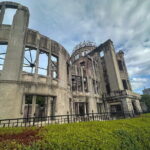
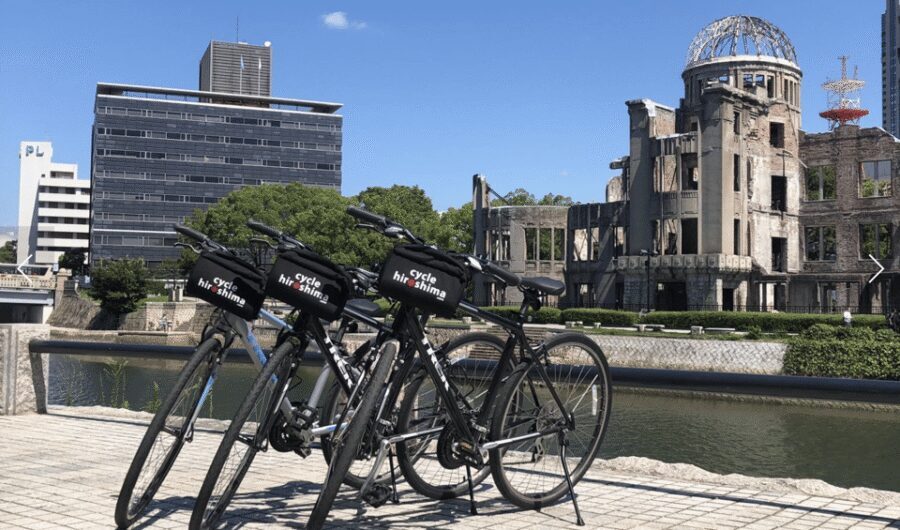
- Hiroshima Peace Park and the A-bomb Dome by bike
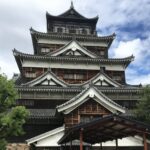
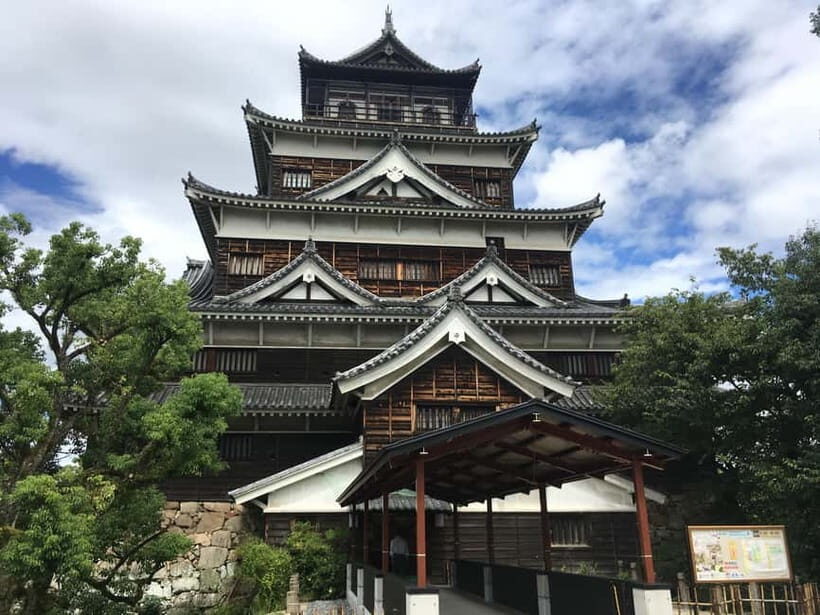
- Hiroshima Castle: feudal roots before you change scenery
- Flat cycling logistics and bike comfort you’ll actually notice
- Train and ferry to Miyajima: the quick mental switch
- Miyajima walking tour and Itsukushima Shrine photo time
- Price and value: why $138 can make sense here
- Who this tour suits best (and who should skip it)
- Should you book this Hiroshima and Miyajima bike-and-boat tour?
- FAQ
- FAQ
- How long is the Hiroshima and Miyajima bike and boat tour?
- Is the cycling difficult?
- What’s included in the price?
- Is the ferry to Miyajima included?
- Do I need to bring a helmet or bike?
- What happens if it rains?
- Is hotel pickup included?
Quick hits on this Hiroshima and Miyajima bike-and-boat day
- Peace Park + A-bomb Dome cycling with English commentary that helps you connect the sights to what happened
- Flat route on Trek bikes, including step-throughs and kid-sized bikes, so most riders feel in their comfort zone
- Hiroshima Castle visit that frames the city’s feudal past before the day shifts to the island
- Train + ferry transfers to Miyajima with the boat ticket included, so you’re not figuring transit out mid-day
- Miyajima walking tour focused on the island’s religious role and a stop at Itsukushima Shrine
- Lunch and water included, which matters when you’re mixing multiple modes of transport
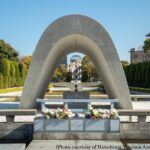
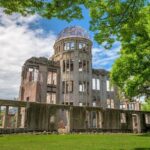
Hiroshima Peace Park and the A-bomb Dome by bike
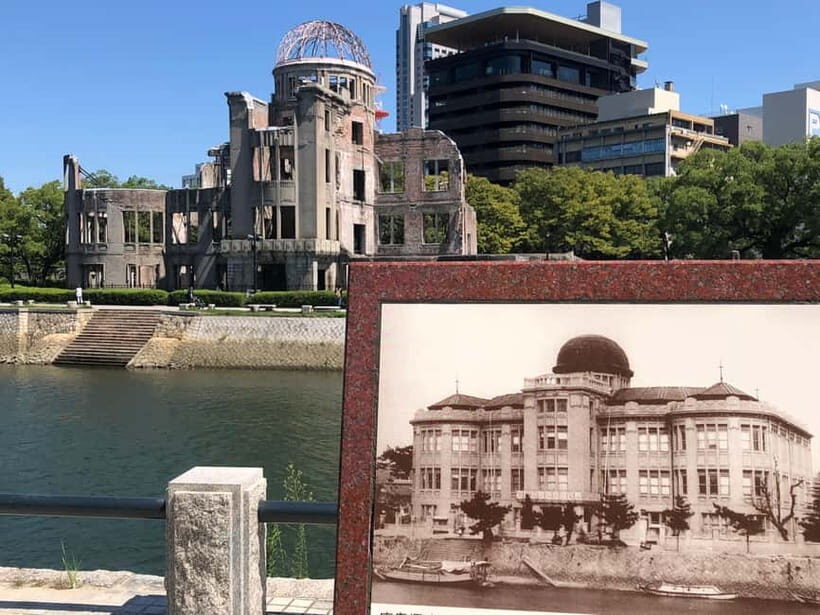
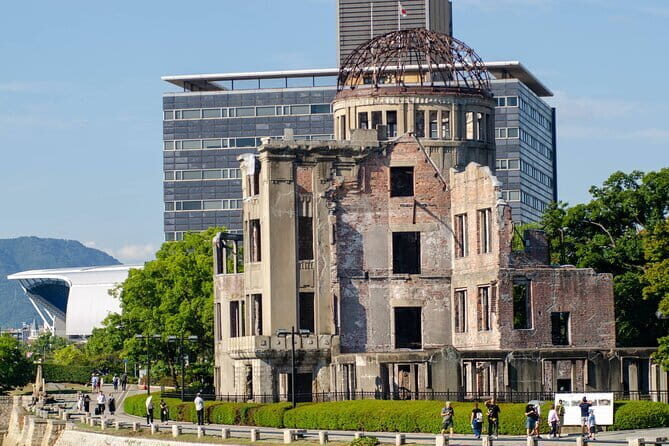
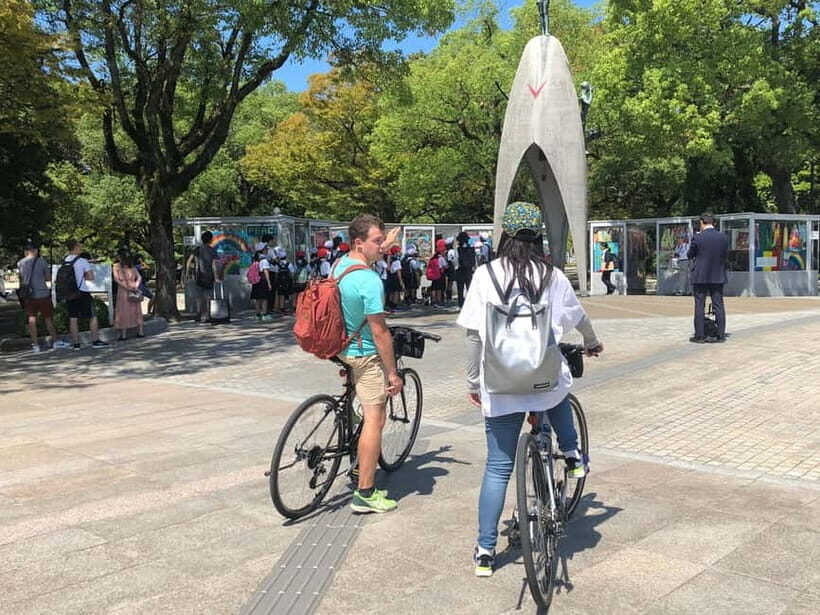
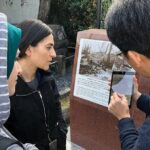
This is one of those tours where the route matters as much as the stops. Cycling around Peace Park and toward the A-bomb Dome gives you a steady, human-scale way to take in a place that many visitors only see while rushing from one viewpoint to the next.
What I like most is the guide-led commentary. The best guides don’t just list dates; they help you look. You’ll hear context about Hiroshima’s bombing and what the memorial landscape is trying to communicate. In guides like Ishan and Sage (and even Aimée-Linh, from what I’ve heard about her humor and Q&A style), you’ll often get room to ask questions, and you’ll usually feel the tour has a purpose beyond sightseeing.
A practical note: this section is part cycling, part mentally heavy. The ride keeps you moving, but it won’t turn the topic into something casual. If you’re booking for family or group friends, it’s smart to agree in advance on pacing—take breaks when your head needs a breather.
Other Miyajima Island tours in Hiroshima
Hiroshima Castle: feudal roots before you change scenery
After the memorial area, the tour shifts gears to Hiroshima’s earlier story. The Hiroshima Castle stop is where you start seeing the city not only through tragedy, but through the feudal past that shaped the region before modern Japan.
Even if you’re not a castle person, this part helps you understand why Hiroshima exists the way it does. It connects the city to its older power structure and the way places grow when politics and people keep changing over time. You’re not stuck in one theme all day; the tour gives you a second lens so your visit feels less like a one-note experience.
The trade-off is timing. After Peace Park, you’ll likely be ready for a mental reset, and the castle visit does that—but it also means you’ll want comfortable shoes. The tour includes lunch later, yet the day still has plenty of walking mixed in.
Flat cycling logistics and bike comfort you’ll actually notice
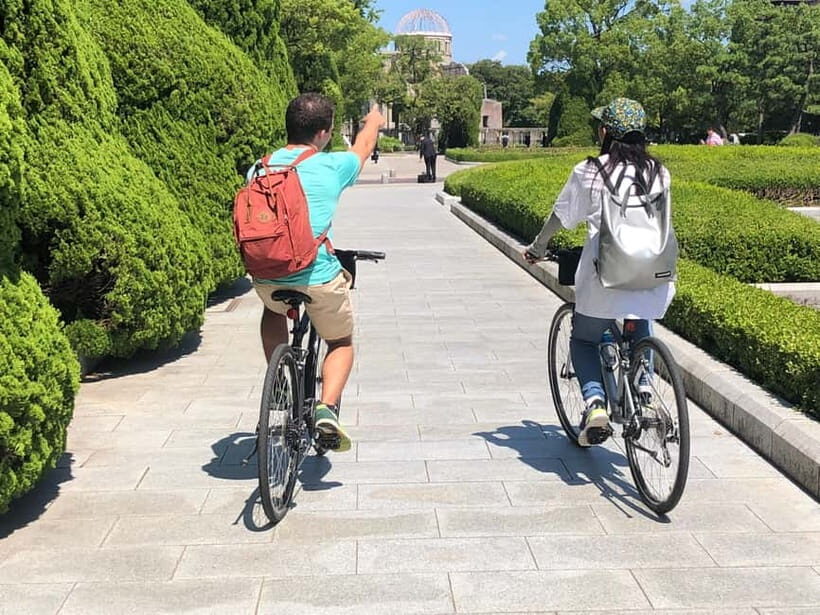
Let’s talk comfort, because it affects everything. The cycling route is completely flat, and the tour is designed for all skill levels. If you can ride a bike at a basic level, you should feel safe and in control.
You’ll ride Trek bikes in a range of sizes, and the fleet includes step-through options plus child-sized bikes. That’s a big deal if you’ve traveled with someone who normally struggles to find a bike that fits, or if you’re bringing kids. Helmets are provided too, and it helps that this isn’t a high-speed ride. The pace stays social, which means you can keep up with the guide’s narration without sprinting to catch up.
Group size also affects comfort. With a small group limited to 8, you get fewer traffic bottlenecks and less waiting around. In rain, you can also see why that matters: guides can switch plans to a walking tour around Peace Park, or you may be offered a full refund if weather doesn’t cooperate.
One more thing I’d plan for: you’ll be asked for everyone’s heights and dietary restrictions. That’s not just paperwork—it helps the bike matching and lunch planning run smoothly.
Train and ferry to Miyajima: the quick mental switch
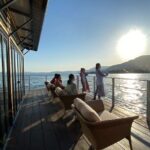
The tour uses train and ferry transfers to get you from Hiroshima to Miyajima, with the boat ticket included. The transit part isn’t just convenience; it’s the hinge between two moods.
Hiroshima, even when it’s calm, has a weight to it. Miyajima flips the feel quickly. Once you’re headed to the island, you’re basically moving from a memorial-focused city day to a place known for religious significance and shoreline views.
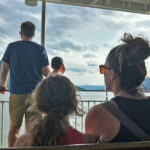
This is also a good time to watch how your attention changes. On the mainland, you’re looking for details tied to history and remembrance. On the ferry and after you dock, you’ll start noticing the greenery and the way the architecture frames the water.
If you’re the type who gets stressed by connections, this day is still easier than doing it on your own, because the transfers are handled and the tour keeps you moving in a single line.
Miyajima walking tour and Itsukushima Shrine photo time
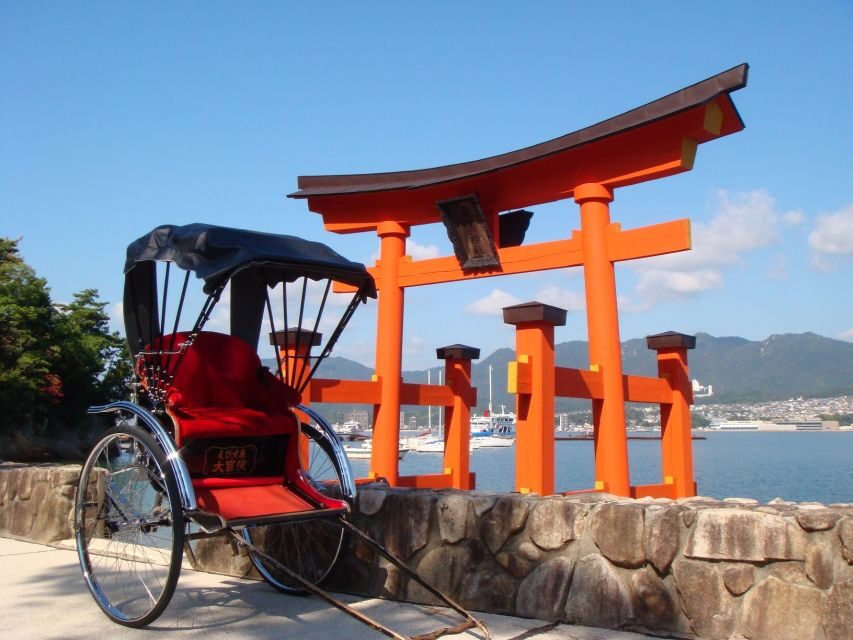
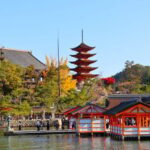
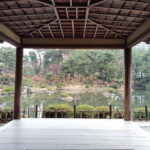
Miyajima is a UNESCO-listed experience, and this tour treats it like more than a quick photo stop. After docking, you’ll join a walking tour that focuses on how the island developed as a religious center, then you’ll explore the picture-perfect lanes and key sites.
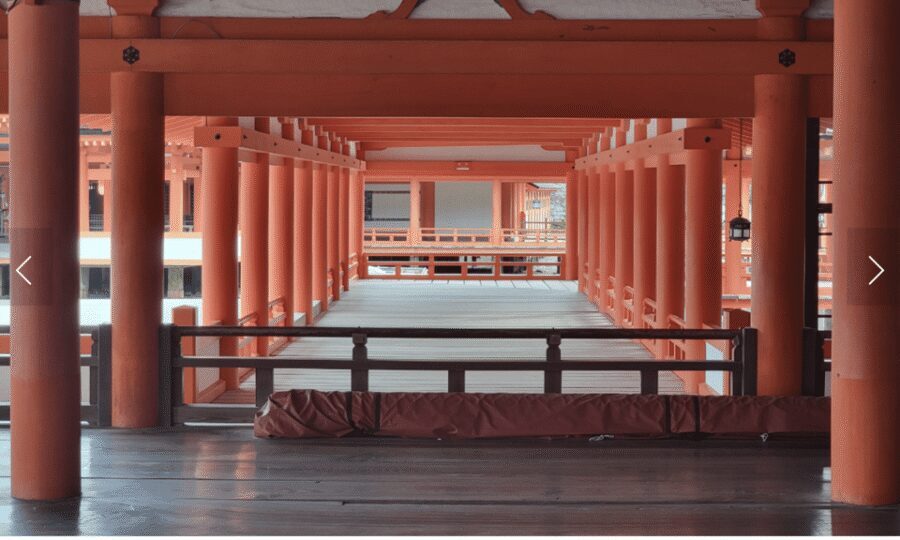
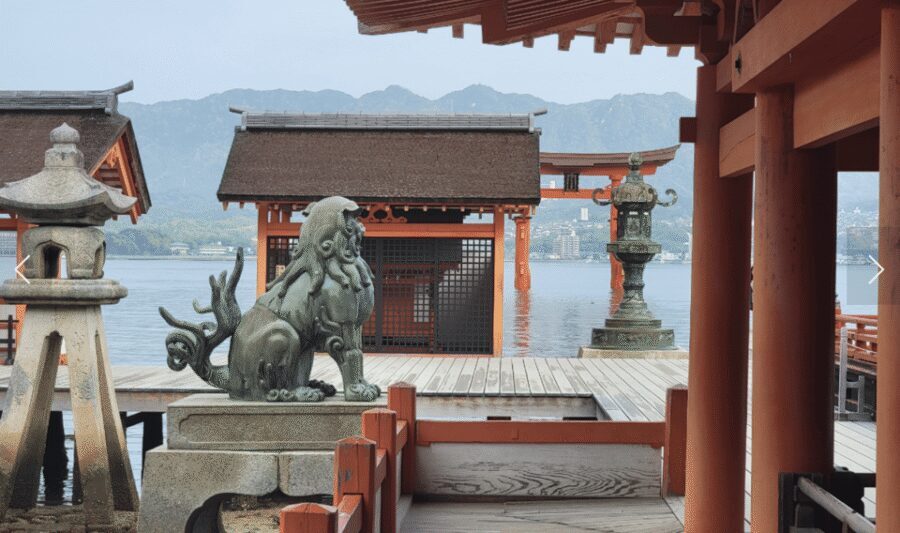
The standout in the package is Itsukushima Shrine. You’ll see the orange Shinto buildings set against lush greenery and the island setting. Even if you’ve seen shrine photos before, the combination of setting and scale tends to land differently in person.
What makes the walking tour valuable is that it’s not just directions and timestamps. Good guides connect the shrine area to the island’s religious role, so you’re not collecting images without meaning. Several of the strongest tour comments I’ve seen emphasize how guides managed both history and feeling, including explaining the difficult side of the bombing earlier in the day and then balancing it with the positive side of remembrance and the beauty on the island.
The one drawback to keep in mind: Miyajima walking adds time on your feet. The day includes lunch and water, but you’ll still want comfortable clothes and shoes you can trust.
Other Hiroshima cycling and bike tours in Hiroshima

Price and value: why $138 can make sense here
At $138 per person, you’re paying for a packed day that includes guided cycling, public transit transfers (train + ferry), a walking tour, bike and helmet, and lunch and water. On its own, a ferry to Miyajima might cost less, and you could theoretically do the day freeform. But this tour gives you the structure—and that’s what you’re really buying.
You’re also paying for English commentary and a guide who can keep questions flowing. Multiple guides in this program are praised for strong preparation and the ability to answer lots of questions without turning the day into a lecture. When you’re visiting sites like Peace Park and the A-bomb Dome, interpretation matters. Without it, it’s easy to see things and still miss what they mean.
Finally, the flat ride and the small-group cap help justify the cost for people who want a smooth, low-stress experience. You’re not stuck waiting in big crowds, and the bike sizing support (including step-through and kid bikes) reduces friction.
Who this tour suits best (and who should skip it)
This tour fits best if you want to cover a lot in one day without losing control of the details. If you like biking, you’re comfortable on flat routes, and you enjoy guided history, you’ll probably love the format.
It’s also a strong choice if you want both sides of Hiroshima: memorial-focused learning and the visual release of Miyajima’s lush setting. The day doesn’t pretend the story is light. It just changes the scenery in a way that helps the whole visit feel balanced.
Skip this one if you can’t ride a bike. It also isn’t suitable for wheelchair users, and it’s not recommended for pregnant women. If rain is a concern, the tour can switch to a walking option around Peace Park, but you’ll need to be reachable so the team can contact you if plans adjust.
Should you book this Hiroshima and Miyajima bike-and-boat tour?
I’d book it if you want an efficient, guided day that connects Hiroshima’s memorial story to Miyajima’s religious and scenic world—without needing to plan transit and routes mid-day. The flat cycling, small group size, and included bike, helmet, lunch, and transfers make the day feel unusually manageable for how much it covers.
I’d think twice if you’re not comfortable on bikes, or if emotionally heavy history makes you struggle to enjoy the rest of the day. And if you’re bringing a mixed group (kids, different comfort levels), this tour’s bike variety and guide support are exactly the kind of practical details that make the experience easier.
FAQ
FAQ
How long is the Hiroshima and Miyajima bike and boat tour?
The tour runs for 450 minutes.
Is the cycling difficult?
No. The cycling route is completely flat and suitable for all skill levels.
What’s included in the price?
You get a guided cycle tour around Peace Park and the A-bomb Dome, commentary, a visit to Hiroshima Castle, train and ferry transfers to Miyajima, a walking tour on Miyajima (including Itsukushima Shrine), plus bike and helmet. Lunch and water are also included.
Is the ferry to Miyajima included?
Yes. Train and ferry transfers are included, and the boat ticket is part of the day.
Do I need to bring a helmet or bike?
No. The tour provides the bike and a helmet.
What happens if it rains?
The operator contacts you to offer a choice between switching to a walking tour around Peace Park or taking a full refund. Make sure you’re reachable.
Is hotel pickup included?
No. Hotel pickup and drop-off are not included.