REVIEW · HIROSHIMA
Home Made Onigiri and Matcha Cooking Class in Hiroshima
Book on Viator →Operated by Home Made Onigiri and Matcha Cooking Class · Bookable on Viator
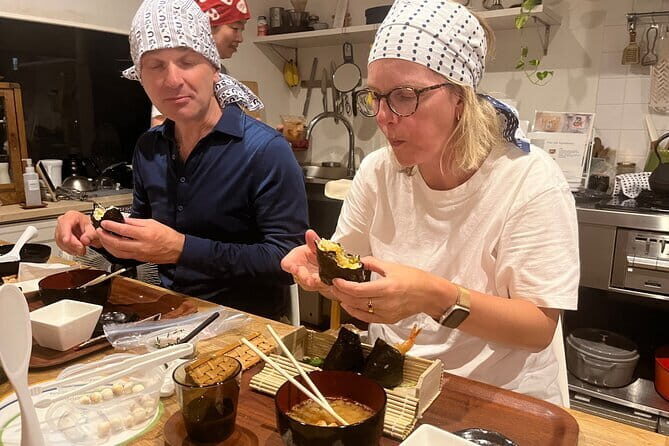
Some mornings in Hiroshima feel more personal. This onigiri and matcha cooking class turns your visit into a home-style lesson near Peace Park. You’ll learn how to shape rice balls by hand, pick from classic fillings, and finish with matcha plus wagashi while being taught basic tea-ceremony manners.
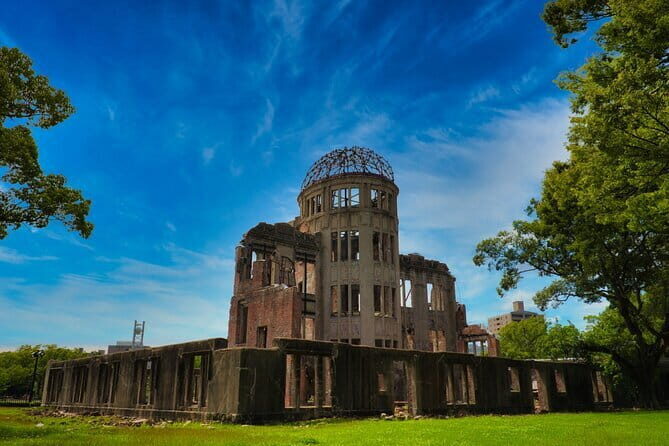
What I like most is the way the class mixes food with real human conversation. The hosts are English-speaking mothers (and one named Midori may pick you up), and you’re close enough to landmarks like the Atomic Bomb Dome that the morning feels grounded in place, not just a “food activity.” I also like how practical it is: two onigiri flavors, miso soup in a chawan bowl, and a dessert you can recreate later.
One consideration: it’s only about 1 hour 30 minutes, so you’re not going to get a full, slow cultural tour. Think of this as a focused cooking session that leaves you free to explore Hiroshima in the afternoon.
In This Review
- Key Highlights Worth Booking
- Why This Class Works So Well in Hiroshima
- Getting There: Peace Park Area Timing and Meeting Point
- What You Actually Make: Two Onigiri Fillings, Plus Miso Soup
- Tuna mayonnaise onigiri
- Shrimp tempura onigiri
- Optional fresh egg yolk
- Miso soup in a chawan bowl
- Matcha, Wagashi, and Tea Manners (SADOU)
- Kids and Families: A Workshop That Doesn’t Forget Children
- English-Friendly Hosts and Real Local Conversation
- Price and Value: Is $81.65 Worth It?
- Practical Tips So Your Morning Runs Smooth
- Who Should Book This Onigiri and Matcha Class
- Should You Book? My Honest Recommendation
- FAQ
- What time does the onigiri and matcha class start?
- How long is the cooking class?
- Where is the meeting point?
- Is pickup available?
- What food is included in the price?
- What are the onigiri flavors?
- Can kids join, and is there a place for them to play?
- Is there alcohol served?
- What if I have allergies?
- Can I cancel if plans change?
Key Highlights Worth Booking
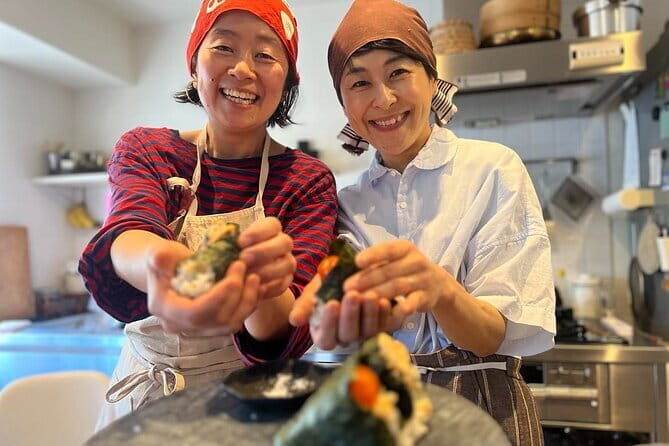
- Small group size (max 6) means you actually get help while you’re shaping the rice.
- Peace Park location: it’s a short walk from the Atomic Bomb Dome and close to the Peace Museum area.
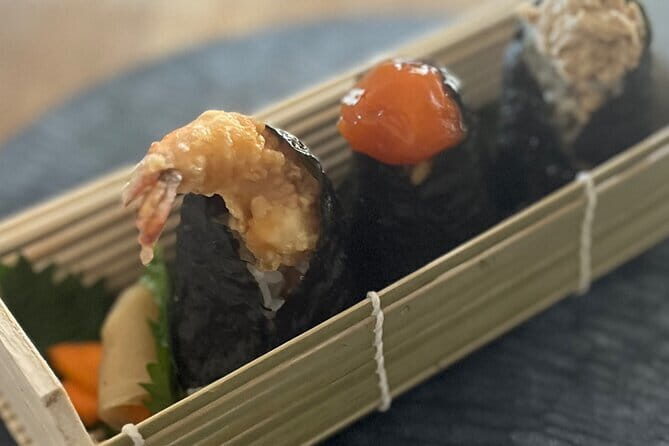
- Onigiri variety: tuna mayonnaise and shrimp tempura, plus an optional fresh egg yolk for those who book it.
- Miso soup in a chawan bowl gives the class a more traditional feel than a typical cooking demo.
- Matcha + wagashi with simple tea-ceremony manners (SADOU), not just tasting.
- Kids welcome, with a toy area, so families aren’t stuck watching from the sidelines.
Why This Class Works So Well in Hiroshima
Hiroshima can hit you fast. You step near the Peace Memorial Park, you look at what happened, then you spend the rest of your day trying to balance respect with normal life. This class fits that rhythm. You’re cooking with mothers in a calm setting, and you’re learning food that’s meant to be eaten, shared, and remembered.
Onigiri is the kind of Japanese staple that shows up in packed lunches, quick meals, and casual snacks. It also has a longer history than sushi, so you’re not just making “anime food.” You’re practicing a rice-ball tradition built for everyday life. The hosts even frame it around the idea of handling rice while it’s still hot, which makes the workshop feel immediate.
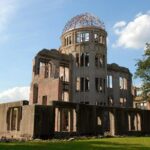
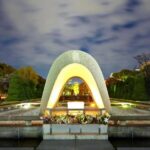
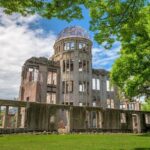
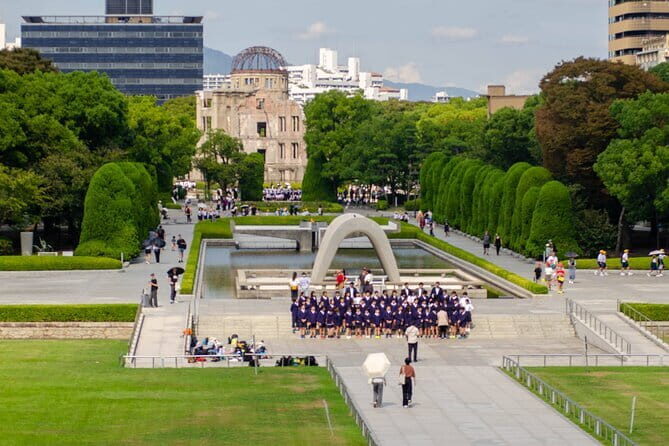
The Peace Park proximity matters too. The meeting area is near major sights (and the Atomic Bomb Dome is about a 5-minute walk away), so you can attach this meal-making experience to a larger Hiroshima day without wasting time commuting.
Other tea ceremony tours in Hiroshima
Getting There: Peace Park Area Timing and Meeting Point
This starts at 10:30 am. The meeting point is Guitar Top 1-chōme-1-3 Sakaimachi, Naka Ward, Hiroshima. The activity ends back at the meeting point, so you’re not left figuring out transit afterward.
If you prefer not to travel on your own, pickup is offered. In practice, the morning can feel smoother when someone meets you and brings you to the cooking space. One host name that comes up is Midori, who can handle pickup and drop-off (depending on your arrangement).
Location-wise, you’ve got solid walking options around the Peace Museum and Peace Park area. The class description places it near Peace Park, with the Peace Museum about a 6-minute walk and the Atomic Bomb Dome about a 5-minute walk. If you’re sightseeing that morning, you can plan this as the “food reset” before your afternoon walking.
Transportation notes you can use:
- Hiroshima Station to the cafe area is described as roughly 12 minutes by taxi.
- Hiroshima Station to the nearest station area is about 21 minutes by streetcar.
- Hilton Hotel to the cafe area is listed as about 26 minutes on foot.
What You Actually Make: Two Onigiri Fillings, Plus Miso Soup
Your lunch is built around two types of onigiri plus miso soup, and that’s a big reason this feels good value. You’re not buying a “small snack” experience. You’re making a real meal.
Tuna mayonnaise onigiri
This is a classic, easy-to-like filling. It’s also a good choice if you’re worried about unfamiliar flavors. The focus here isn’t on shock-value seasoning; it’s on technique—handling warm rice, forming the shape, and getting the filling into the right place.
Shrimp tempura onigiri
This gives you a bit more texture. Tempura-style fillings are a fun shift from more basic seafood options because the rice ball still feels compact and portable, but you get a crunch factor.
Other Hiroshima cooking classes tours in Hiroshima
Optional fresh egg yolk
If you want a more hands-on special step, ask about fresh egg yolk. It can be placed on the rice balls using a special cooking method. That detail matters because it turns the workshop from standard “mix and shape” into something you’d be hard-pressed to reproduce from memory without the guide’s instruction.
Miso soup in a chawan bowl
You’ll also make miso soup and serve it in a chawan bowl. That choice signals the class isn’t only about food-making; it’s about the feel of Japanese dining. Miso soup is also a practical complement to onigiri—it balances richness and keeps the meal light enough that you don’t feel stuffed after a short class.
Important practical note: if you have allergies, tell the provider in advance. They ask you to share allergy info beforehand, which is exactly what you want for a class where you’re tasting and eating what you make.
Matcha, Wagashi, and Tea Manners (SADOU)
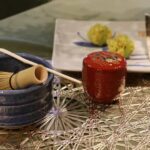
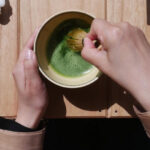
Dessert is built in. After you eat your onigiri and soup, you’ll make matcha tea and enjoy it with Japanese sweets (wagashi).
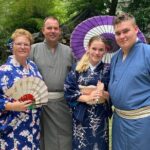
The matcha part isn’t just about drinking. You also learn tea manners from the tea ceremony tradition, called SADOU. Even if you’ve never seen a tea ceremony before, this is the kind of cultural detail that sticks because it’s performed while you’re holding something you just prepared.
One small plus: the class doesn’t serve alcohol. That keeps the experience calm and family-friendly, and it also makes it easier to stay alert for the rest of your Hiroshima day.
If you like the idea of bringing something home, the hosts also share recipes you can make later, including miso soup guidance and matcha-related ideas.
Kids and Families: A Workshop That Doesn’t Forget Children
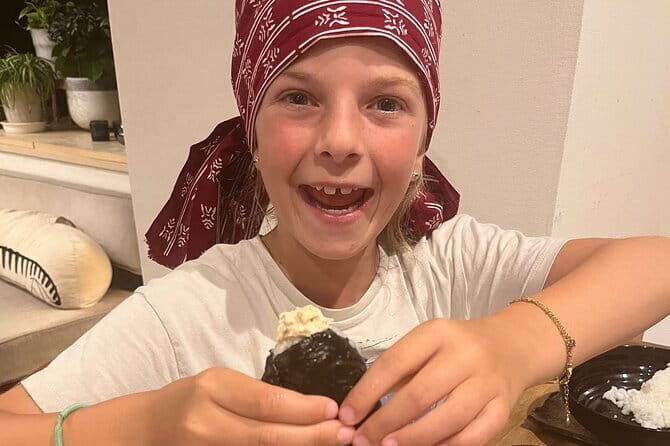
If you’re traveling with kids, this is one of the more workable Hiroshima food classes you can choose. The setup is described as kids welcome, and there’s an area with toys so children aren’t just sitting at a table watching adults work.
That said, this class is still about 1 hour 30 minutes. So the best approach is to treat it like a short, structured activity: fun and active, not a long sit-down lesson.
English-Friendly Hosts and Real Local Conversation
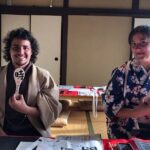
For many visitors, the best part of a cooking class isn’t the recipe—it’s the way you get to ask questions while you cook. This workshop is built around that. The hosts include mothers who speak English and have lived overseas, which means you’re not stuck with hand gestures or translation apps when you want to understand how Japanese rice-ball culture works.
Names that show up in the host story include Midori and Weiko. It’s also mentioned that classes can sometimes be held at homes, which helps explain why the tone is warm and conversational rather than stiff.
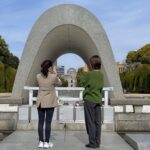
You’re also near major Hiroshima memorial sites, so the morning can shift your perspective. Food isn’t a distraction from history here; it’s a way to take part in daily life in Hiroshima after visiting the Peace areas.
Price and Value: Is $81.65 Worth It?
At $81.65 per person, this isn’t the cheapest Hiroshima activity. But it’s not overpriced either, given what you get.
You’re included:
- Lunch: two onigiri types
- Miso soup
- Matcha and wagashi
- Gratuities
- Restroom on board
- The core instruction and hands-on shaping
You also get a small group experience (max 6), pickup availability, and a location that’s easy to connect to Peace Park walking plans. For a food class, that “all-in” meal package matters. If you were to buy lunch in the area and add a separate class fee, the price would likely feel less strange.
My practical take: this is best value if you’ll actually eat everything included and you care about learning technique. If you’re only after a quick bite, you might feel it’s too structured for the price.
Practical Tips So Your Morning Runs Smooth
Here are a few smart moves that match how the class is designed:
- Plan your day around the finish time. It ends back near where you started, and the class is designed to wrap up by lunchtime so you can explore Hiroshima after.
- Tell them about allergies early. They request that upfront info.
- If you want the egg yolk option, reserve it. It’s not described as automatic.
- Bring your own water planning. Bottled water isn’t included, and coffee/tea aren’t included either—so consider handling hydration outside the class meal.
- Wear comfy shoes. You may do some walking around Peace Park landmarks before or after, depending on your day plan.
- If you’re vegetarian or vegan, ask ahead. The description says these menus are being prepared, and you should request them during booking.
Who Should Book This Onigiri and Matcha Class
This class is a strong fit if you:
- Want a small-group, hands-on food lesson rather than a big group tour
- Like cultural details that go beyond recipes (tea manners, local conversation)
- Are visiting Hiroshima and want one calm, human experience near Peace Park
- Travel with kids and need an activity that welcomes them
- Prefer a morning plan that still leaves the afternoon open
It’s less ideal if you’re looking for a longer sightseeing itinerary. This is about cooking and eating—short, focused, and then you’re back out to explore.
Should You Book? My Honest Recommendation
If your ideal Hiroshima morning includes fresh food, guided technique, and friendly conversation in a real setting, I think you should book this. The combination of onigiri, miso soup, matcha, and wagashi makes it feel like a full meal experience rather than a quick “try this and go” stop. And because it’s near the Peace Park area, it’s easy to stitch into a meaningful day.
If you’re extremely price-sensitive, you might want to compare it with a cheaper meal-only option. But if you care about technique, tea manners, and learning in a small group with English-speaking hosts, this is the kind of class that turns into a story you’ll tell later.
FAQ
What time does the onigiri and matcha class start?
It starts at 10:30 am.
How long is the cooking class?
The duration is about 1 hour 30 minutes.
Where is the meeting point?
The meeting point is Guitar Top 1-chōme-1-3 Sakaimachi, Naka Ward, Hiroshima, 730-0853, Japan.
Is pickup available?
Yes, pickup is offered.
What food is included in the price?
You’ll have two types of onigiri, miso soup, matcha, and wagashi. Gratuities are included too.
What are the onigiri flavors?
The class lists tuna mayonnaise and shrimp tempura. There is also an optional fresh egg yolk method if you request it when reserving.
Can kids join, and is there a place for them to play?
Yes. Children are welcomed, and there is an area with toys for kids to play with.
Is there alcohol served?
No alcohol is served.
What if I have allergies?
If you have any allergies, you should let them know in advance.
Can I cancel if plans change?
Yes. You can cancel for a full refund up to 24 hours before the experience’s start time, and cancellations are free. The class may also be rescheduled or refunded if canceled due to poor weather.