REVIEW · HIROSHIMA
Kimono and Tea Ceremony in Miyajima
Book on Viator →Operated by Okeiko Japan · Bookable on Viator
Matcha and silk beat the Miyajima crowds. This kimono and tea ceremony experience at Tokuju-ji gives you the full look and the hands-on steps: dressing first, then learning matcha manners and making your own cup. I love the small-group feel (it caps at 10), because you actually get to see the motions up close.
Second, I really like that you’re not just watching. You learn how to drink matcha properly, then you repeat the process yourself and taste what you made. One thing to consider: the ceremony is usually done at tables rather than sitting on the floor, so if you were dreaming of tatami kneeling, check your own comfort first.
In This Review
- Key reasons this Miyajima tea ceremony is worth your time
- Kimono and Matcha at Tokuju-ji in Miyajima
- Meeting at the temple: near the Miyajima ferry port
- Choosing from 100+ kimonos and getting fitted properly
- A practical comfort note
- Tea ceremony manners, sweets, and making matcha step by step
- Why the sweets matter
- Photos in the temple garden: a souvenir you don’t have to chase
- What to expect with photo focus
- Group size and pacing: why it feels personal, not rushed
- Price and value: what $85.89 includes (and why it adds up)
- Seating and comfort: tables instead of the floor
- Who should book this Miyajima kimono and tea ceremony?
- Who might want a different plan
- Should you book this tour?
- FAQ
- How long does the kimono and tea ceremony experience take?
- Where do I meet for the tour in Miyajima?
- Is the kimono included, or do I need to rent one myself?
- What will I do during the tea ceremony?
- Is there a minimum age?
- What happens if the weather is bad?
Key reasons this Miyajima tea ceremony is worth your time
- 100+ kimono options to choose from before the ceremony
- Matcha making you actually perform, not just observe
- Tea manners and etiquette taught step by step
- Sweets included with your tea
- Temple garden photos captured for you
- Calm, off-the-beaten-path setting at a small temple complex
Kimono and Matcha at Tokuju-ji in Miyajima
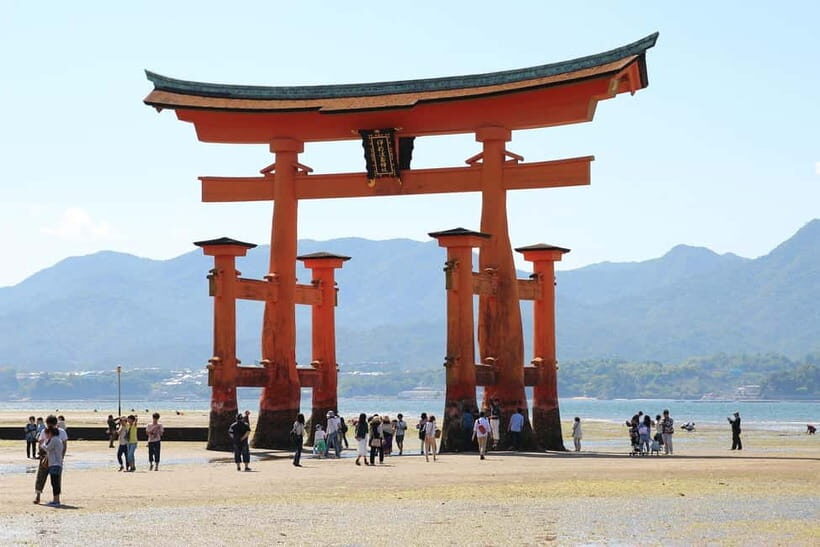
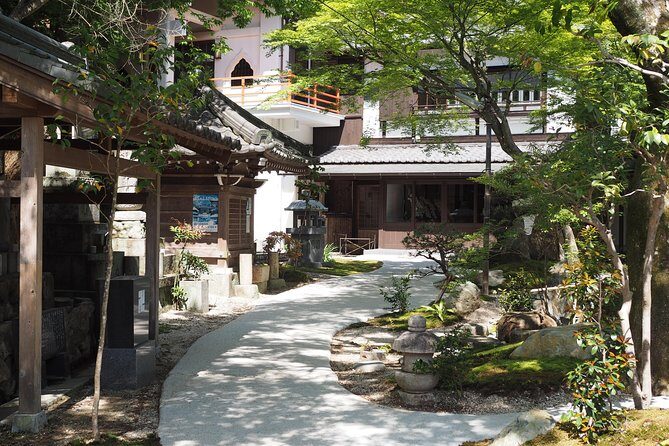
Miyajima has plenty of big-ticket sights, but this experience is a quieter kind of souvenir. It’s set at 徳寿寺 (Tokuju-ji), a small temple spot that feels removed from the main flow of tourists. You trade walking and snapping photos for stillness, cloth, and slow movements.
The star of the show is matcha. You’ll learn the etiquette around drinking it, then you’ll make your own cup to taste. It’s the kind of activity where you understand the ritual because you perform it, not because someone reads the steps off a card.
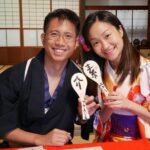
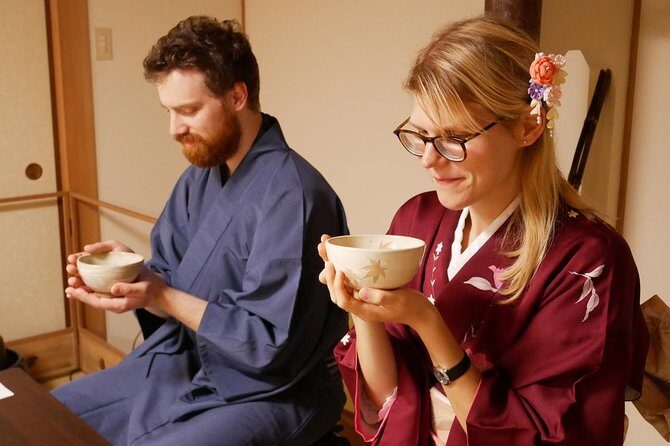
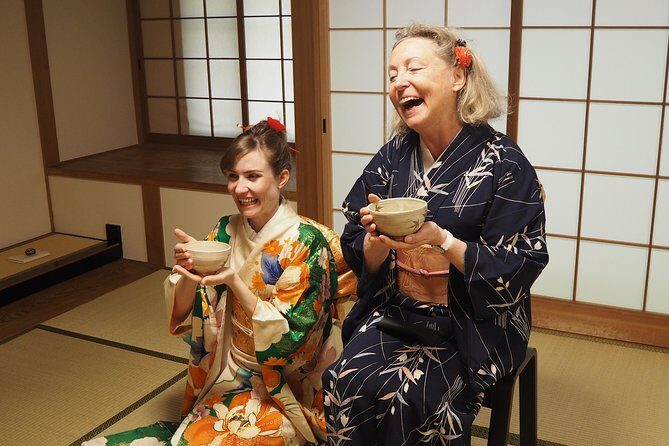
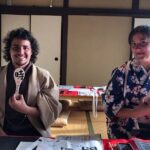
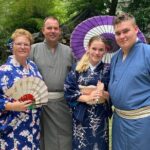
And yes, you wear a kimono. This isn’t the quick grab-a-jacket-and-go style. You pick from more than 100 kimono, get fitted, and then the rest of your time in the temple garden and tea room feels like part of the same story.
Other Miyajima Island tours in Hiroshima


Meeting at the temple: near the Miyajima ferry port
You meet your guide at 徳寿寺 (Tokuju-ji), located at 741-1 Miyajimacho, Hatsukaichi, Hiroshima 739-0513. The experience description also notes an easy meetup near public transportation, and it’s close enough to the Miyajima ferry-port area that you don’t feel stranded across the island.
This matters because Miyajima can be a timing puzzle. If you’re juggling ferry times and sightseeing bursts, a meetup point that’s not remote helps a lot. The activity ends back at the same meeting point, so you’re not forced into extra transfers right after your calm tea moment.
If you like clear instructions and short travel legs, you’ll appreciate this setup. It keeps the focus where it belongs: dressing, learning, and taking photos in a peaceful garden.
Choosing from 100+ kimonos and getting fitted properly
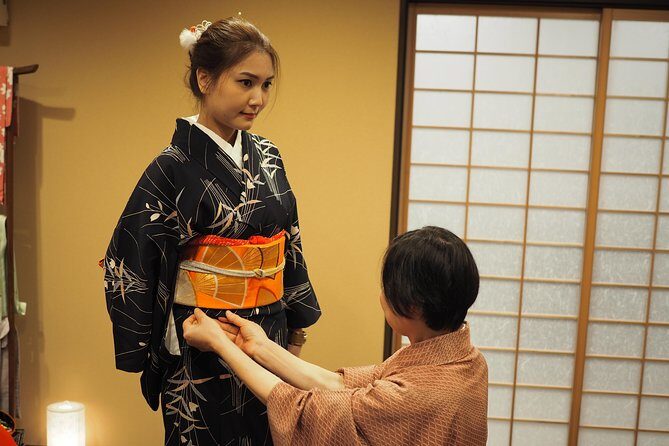
The first stage is dressing up, and it’s more important than it sounds. In Japan, wearing a kimono isn’t just aesthetics. The fit affects comfort, movement, and how you handle yourself during the ceremony.
Here, you get to choose from more than 100 kimono. Then the staff provides what you need to dress. Several reviews emphasize how careful and supportive the attendants are, especially with getting the kimono right for different body types. One review even called out help for a taller, larger frame, which is exactly the kind of practical reassurance you want.
What this looks like in real life: you’ll likely stand and be guided through dressing, adjustments, and final checks. Then you step out looking like you belong in a temple scene. It’s a fun way to start, and it also sets you up to take better photos because your outfit and posture feel intentional.
A practical comfort note
You’ll be in kimono for the full experience. If you’re sensitive to clothing stiffness, choose light layers under your kimono, and wear comfortable socks or footwear for the walk to and from the temple area.
Tea ceremony manners, sweets, and making matcha step by step
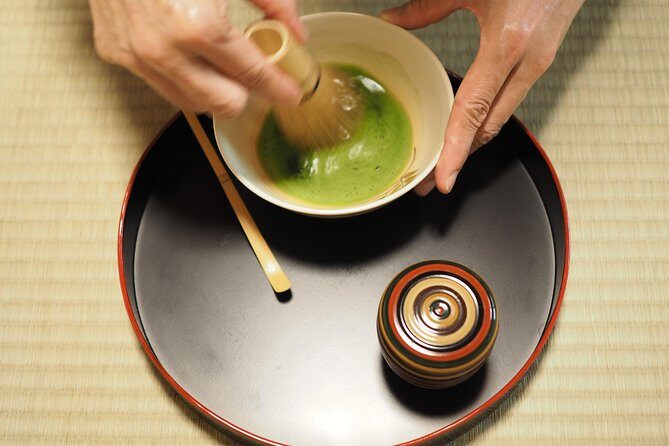
After dressing, you move into the tea portion. The flow is straightforward and structured, which is great if you’re not familiar with Japanese tea rituals.
Here’s what you can expect:
- You watch a demonstration of the tea ceremony by a tea master
- You learn specific manner and etiquette for drinking matcha
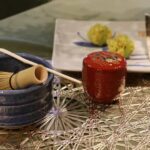
- You learn how to make matcha, not just how it’s supposed to look
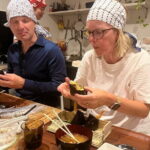
- You taste your own tea, and yes, it’s served with sweet accompaniment
The etiquette part is where this experience stops being just craft and becomes culture. You’re taught how to handle the cup and how to approach the drinking moment with calm attention. Even if you only remember a few steps, you’ll feel how the rhythm works.
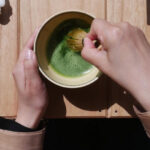
Then comes the hands-on matcha making. You get taught the process, and you do it yourself. That means you can ask questions, correct mistakes, and taste your own result. It’s a better learning loop than watching once and moving on.
Other tea ceremony tours in Hiroshima
Why the sweets matter
Tea ceremonies can feel intimidating if you think you need to be perfect. The sweets help the whole experience feel welcoming and less formal in the tourist sense. They also give your taste buds something to play off the bitterness and richness of matcha.
And if you like little food extras, this is one of the few cultural tours that includes a clear, enjoyable edible component.
Photos in the temple garden: a souvenir you don’t have to chase
You’re not left to fend for yourself with awkward self-timer photos. The staff takes pictures during the lessons, and you can receive them by answering a questionnaire.
Several reviews highlight that the temple setting and garden make for especially nice photos, and the timing works well. You’re wearing kimono, in a calm location, and the staff helps you look your best in that environment.
If you hate the scramble of finding the perfect spot while crowds surge, this is a relief. Instead of sprinting around Miyajima with your camera, you’re in one place, in costume, learning something meaningful, then getting photos to take home.
What to expect with photo focus
Because the staff is capturing moments throughout the process, you’ll likely be guided for poses and timing. It can feel a little like a mini production, but in a gentle way. The overall tone stays quiet and respectful, not loud and chaotic.
Group size and pacing: why it feels personal, not rushed
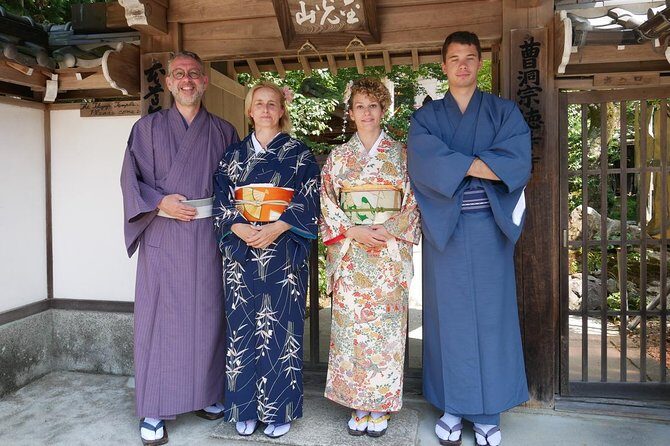
This activity limits group size to max 10 travelers, and the experience is built around an intimate setting. That matters because tea ceremony instruction works best when you can see what’s happening and hear the guidance without strain.
You’ll get time for questions, and the staff feels hands-on about kimono fitting and ceremony steps. One review even contrasted this with big-city experiences in Kyoto, basically saying the smaller feel is better if you want clarity and comfort.
At about one hour (approx.), the pacing is tight enough to keep energy high, but not so short that it feels like a gimmick. You dress, learn, make, drink, then you’re done. It fits easily into a morning or early afternoon temple-and-sightseeing plan.
Price and value: what $85.89 includes (and why it adds up)
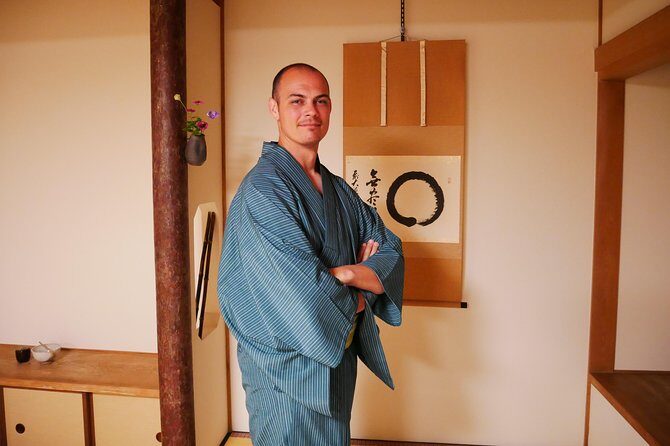
At $85.89 per person, you’re paying for more than a show. This price covers:
- Kimono selection from a large set
- Kimono fitting and the full dressing process
- Instruction on tea manners
- Tea ceremony demonstration
- Matcha making and tasting
- Sweet pairing
- Staff photography during the activity
When you compare that to the cost of renting a kimono plus paying for separate cultural experiences, this bundled format is usually the smarter deal. You also save time. You don’t have to coordinate multiple vendors, and you don’t have to figure out what to do once you rent the kimono.
The other value point is quality of attention. The reviews repeatedly mention staff politeness, support, and step-by-step explanation. That sort of teaching care is hard to measure in a price tag, but you feel it during the experience.
If you want an activity that looks great on your camera roll and teaches you something real you can try at home, this price starts to make sense.
Seating and comfort: tables instead of the floor
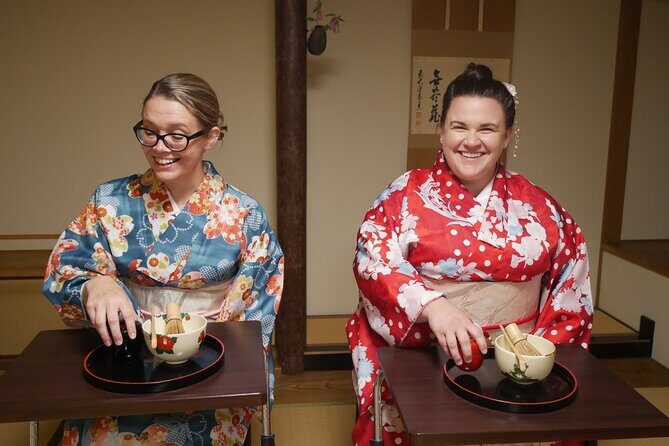
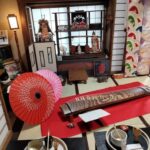
One detail worth knowing before you go: you may do parts of the ceremony at tables, not sitting on the floor. A review noted a wish for floor seating, and the response explained that table style is used for practicality and comfort nowadays.
So if your dream version of a tea ceremony includes kneeling on tatami, adjust expectations. The key point is that you’ll still learn the manners and steps. The learning goal remains intact; the posture setup is just different.
If you have knee or mobility limits, table seating is probably a plus. If you’re extremely committed to the traditional sitting posture, you may want to consider whether the table format matches your own preferences.
Who should book this Miyajima kimono and tea ceremony?
This is a strong fit if you want:
- A traditional activity that’s more than a quick photo stop
- An experience designed for learning, including hands-on matcha making
- A calm temple setting away from the busiest walking routes
- A small-group format where staff can help with kimono fit and questions
- Something family-friendly for kids 6 and up (the minimum age is 6)
It’s also a great choice if you’re traveling with a partner or small group and want to look coordinated. Several reviews mention couples and families having a memorable, relaxed time.
Who might want a different plan
If your top priority is long sightseeing time around multiple landmarks, this one-hour format may feel short. Also, if you strongly prefer floor seating as part of the ritual, the table setup could disappoint.
Should you book this tour?
Yes, I’d book it if you want a classic Japan experience without the stress of sorting out kimono basics and tea etiquette on your own. The combo of kimono dressing + matcha you make yourself + calm temple surroundings is exactly what makes this tour more than a tourist gimmick.
If you do Miyajima for the big icons, make room for this one calmer chapter. It’s a good counterweight: a little quiet, a little craft, a little taste of tradition you can repeat later.
One final tip: wear comfortable clothing under the kimono. You’ll spend time in outfit and in stillness, and comfort helps you enjoy the ceremony instead of thinking about your straps.
FAQ
How long does the kimono and tea ceremony experience take?
It runs for about 1 hour.
Where do I meet for the tour in Miyajima?
You meet at 徳寿寺(曹洞宗 金光山 徳寿寺)741-1 Miyajimachō, Hatsukaichi, Hiroshima 739-0513, Japan. The activity ends back at the meeting point.
Is the kimono included, or do I need to rent one myself?
The tour provides the kimono. There are more than 100 kimono options to choose from, and the staff provides what you need to dress.
What will I do during the tea ceremony?
You’ll learn how to drink matcha with proper manner, watch a tea master’s demonstration, learn how to make matcha tea, and taste the matcha you make. Tea is served with sweet.
Is there a minimum age?
Yes. The minimum age is 6.
What happens if the weather is bad?
The experience requires good weather. If it’s canceled due to poor weather, you’ll be offered a different date or a full refund.