REVIEW · HIROSHIMA
Hiroshima: Private City Highlights Walking Tour
Book on GetYourGuide →Operated by F and five. · Bookable on GetYourGuide
Hiroshima has a way of staying with you. This private walk gives you Peace Park context and a guided route that also reaches Hiroshima Castle, so you see the story of the city in one smooth loop. I like that the guide keeps things respectful and clear at the most important sites, and I also like the extra time at smaller monuments that most people rush past. One consideration: this is a heavy, outdoor day, and some visitors may feel 4 hours is long if you want a lighter pace.
I especially value the “private” part here. You’re not stuck listening to a loud group explanation. Guides named Maria, Ali, Ihsan, Wajid, and even duo teams like Maria plus another guide have been reported as thoughtful, flexible, and attentive to questions, which matters a lot when the topic is sensitive.
What you’re really buying is time with someone who can connect what you’re seeing to what it means. The tour includes entry to the Peace Memorial Museum and the Atomic Bomb Dome, so you’re not hunting tickets mid-walk. The route also ends where you started in Nakajimachō, which keeps logistics simple.
In This Review
- Key points worth knowing before you go
- How the private walk starts in Nakajimachō (and stays easy)
- Peace Park route: from Gates of Peace to the smaller monuments
- What can feel tough (and how to handle it)
- Hiroshima Peace Memorial Museum: why the guidance matters
- Atomic Bomb Dome: respectful viewing, not just a selfie stop
- Hiroshima Castle after the memorials: a different kind of history
- Pacing, private groups, and why the guide is the whole difference
- Price and value: what $90 covers (and why it’s not just a guided walk)
- Who should book this, and who might prefer a lighter plan
- Quick tips to make the walk feel easier
- Should you book this private Hiroshima highlights walking tour?
- FAQ
- How long is the Hiroshima private city highlights walking tour?
- Where does the tour start?
- What are the main stops on the tour?
- Are entrance fees included?
- Is this a private tour?
- What languages are available for the guide?
- Is food included?
- What is the cancellation policy?
Key points worth knowing before you go
- Private guide, real pacing: You can ask questions and slow down where your mind needs a second.
- Peace Park monuments in sequence: From the Gates of Peace to the Children’s Peace Monument, you get the meaning behind each stop.
- Museum time with direction: You spend an hour at the Hiroshima Peace Memorial Museum with guidance that helps you read what you’re looking at.
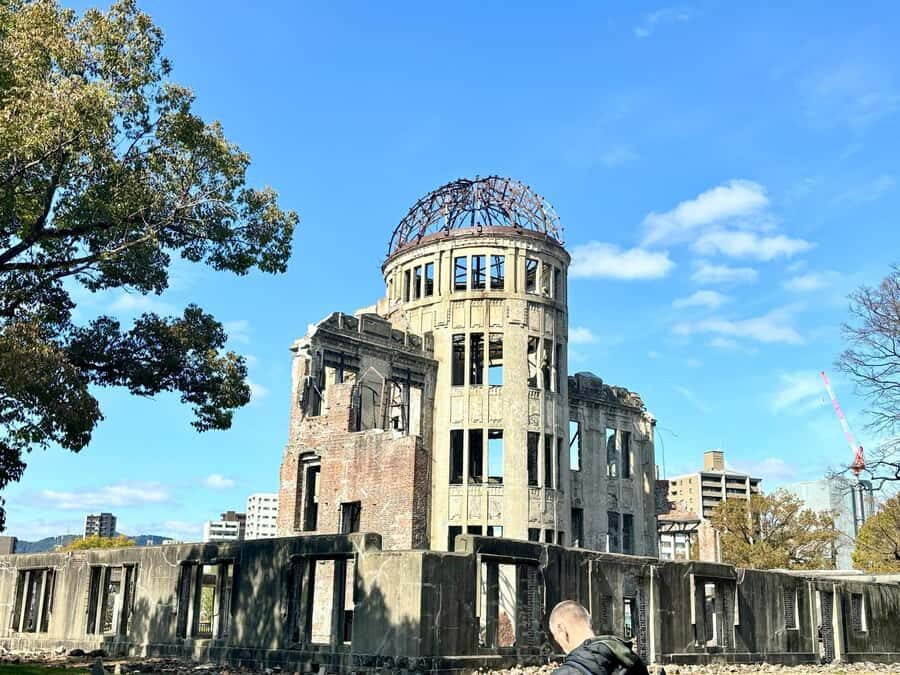
- Atomic Bomb Dome visit included: Entry to the Dome is covered, and you get a focused stop rather than a quick photo only.
- Hiroshima Castle follows the memorials: You finish with a very different site—16th-century-era history—without the day feeling disconnected.
How the private walk starts in Nakajimachō (and stays easy)
The tour meets at 1-2 Nakajimachō, Naka Ward in Hiroshima. It’s a smart starting point because it puts you close to the Peace Park area without making you coordinate transfers or taxis during the busiest part of your day. You also end back at the meeting point, which helps if you have dinner plans afterward.
The walk is set for about 4 hours. That’s long enough to cover several major Peace Park monuments, plus a castle visit, but not so long that you’re stuck outdoors all day. Still, plan your expectations: this route is emotionally intense, and it moves at a pace that aims to be thorough, not rushed.
You’ll likely appreciate the language options if you’re not fully confident in English. The tour offers live guidance in English, Malay, Urdu, Hindi, and Punjabi. In the reviews, guides like Maria and Ali are singled out for clear communication, including empathy and careful explanations—exactly what you want when you’re trying to understand the human impact, not just facts.
Finally, this tour is wheelchair accessible. Even with that, it’s a walking experience, so comfortable shoes help a lot for uneven areas and long stretches outdoors.
Other Hiroshima walking tours in Hiroshima
Peace Park route: from Gates of Peace to the smaller monuments
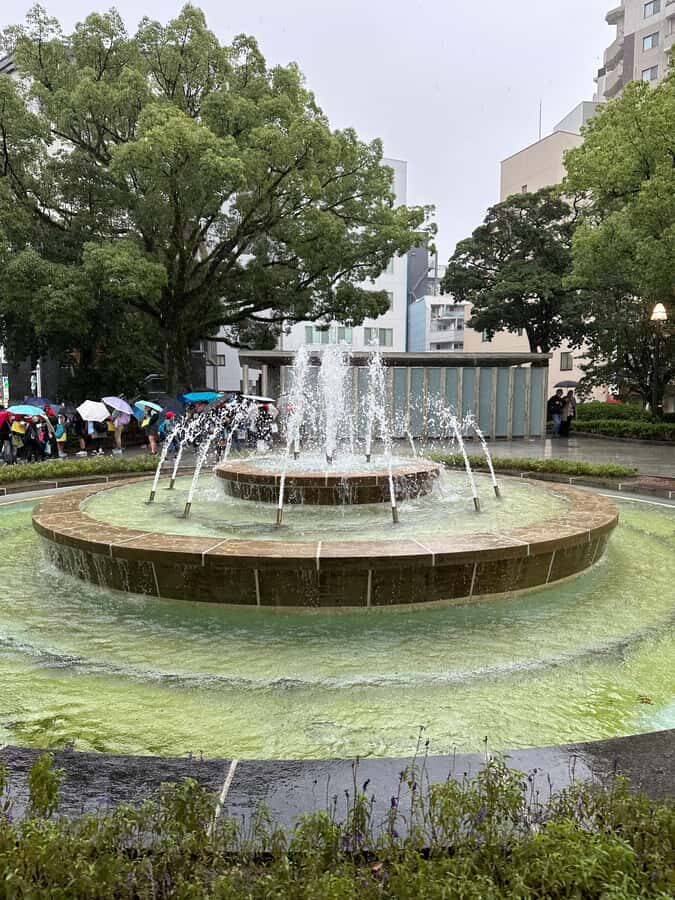
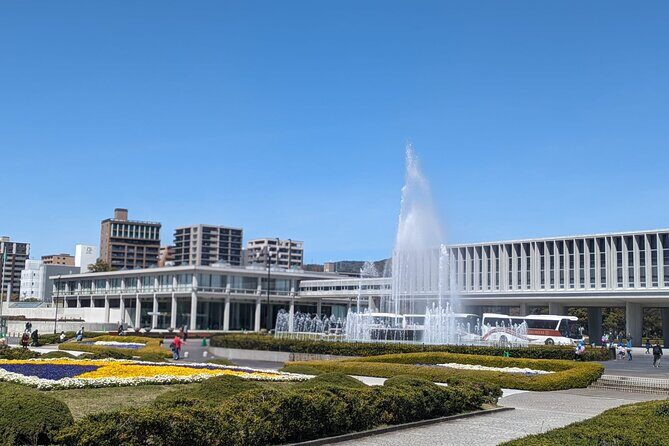
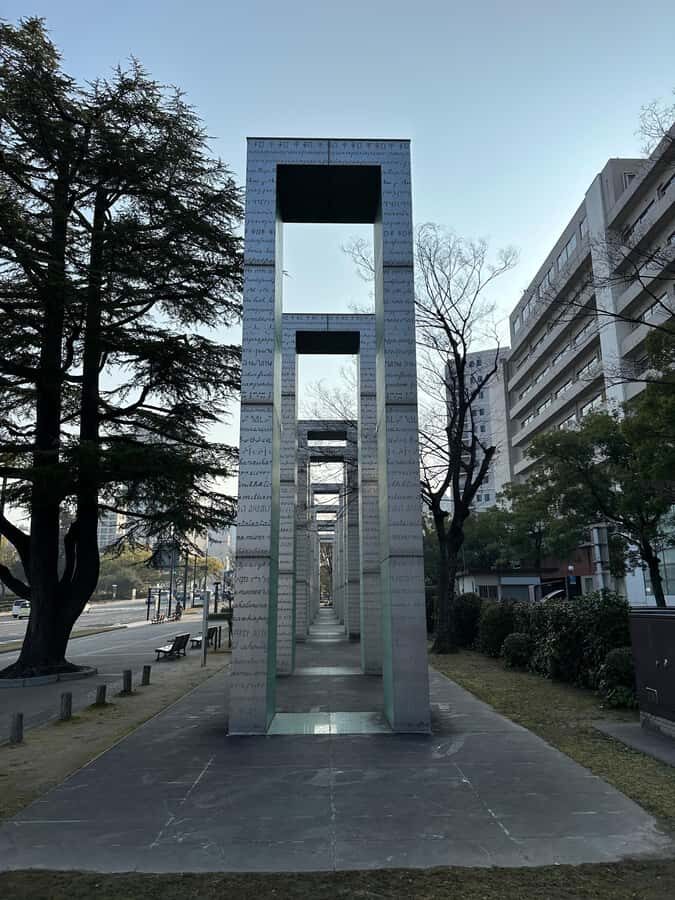
You start in the Hiroshima Peace Memorial Park area, moving through key memorial points that form a chain of meaning. The first early photo stop is the Gates of Peace, followed by a visit and guided time. Right after that you’ll stop at the Prayer Fountain for another short guided moment. These early stops matter because they set the tone: this isn’t just sightseeing, it’s a place designed for reflection.
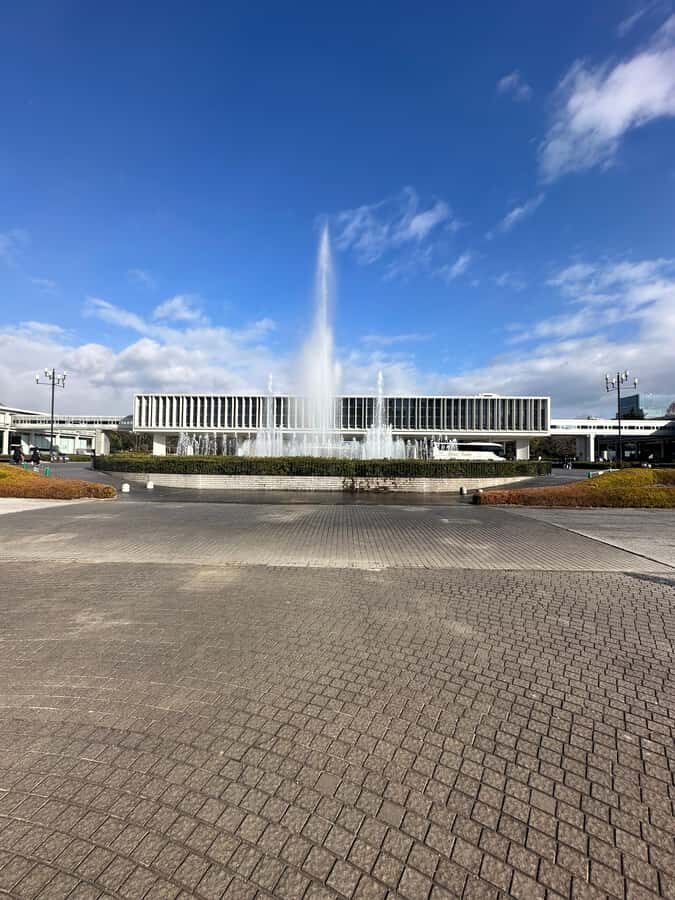
From there you reach the Hiroshima Peace Memorial Museum for about an hour. The museum visit is where the day turns from walking and looking into understanding. You’ll see collections connected to August 6, 1945, the event that shaped Hiroshima’s modern identity and memory. Having a guide here helps you notice what a typical museum entry might miss, especially if your brain wants a timeline or cause-and-effect structure.
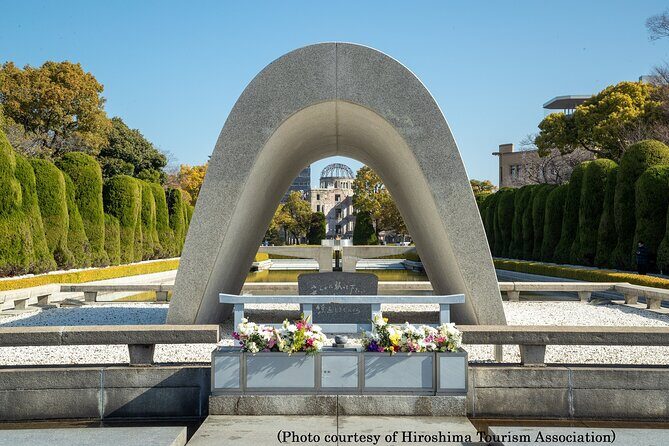
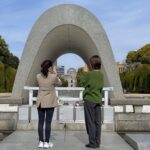
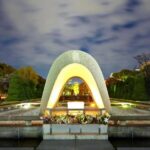
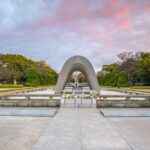
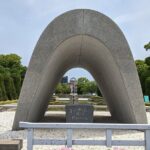
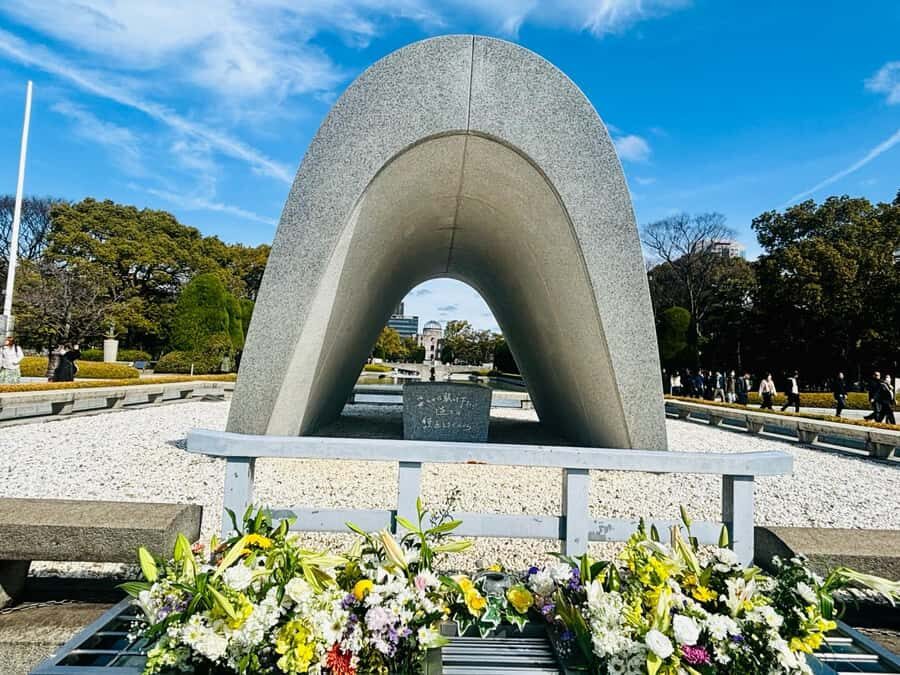
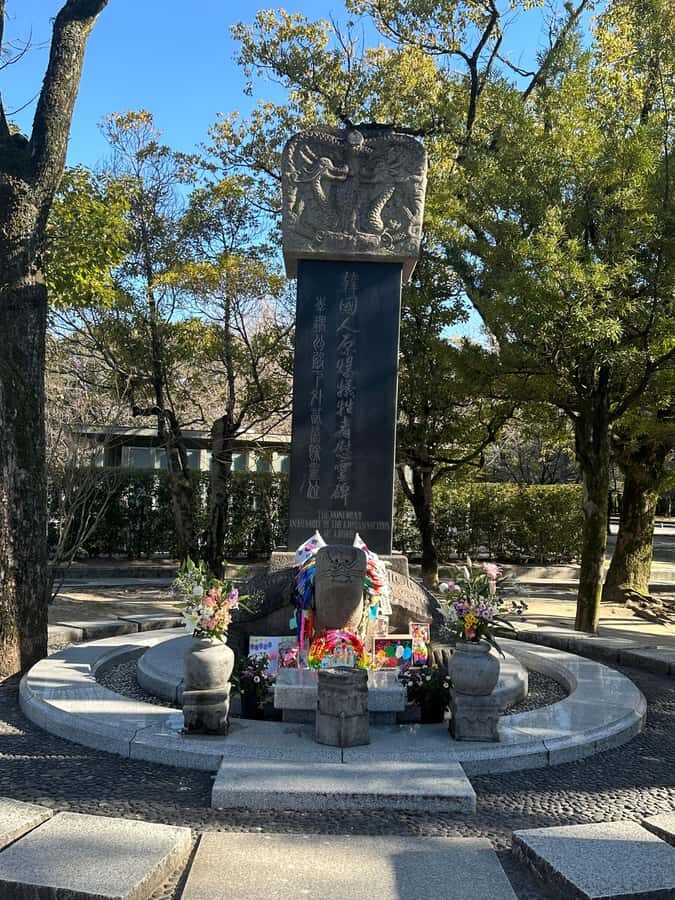
After the museum, you continue through more monuments in the park. You’ll spend time at the Hiroshima Victims Memorial Cenotaph, then the Flame of Peace, and also the Korean Atomic Bomb Victims Cenotaph. One standout of this tour is that it doesn’t treat the larger sites as the whole story. The guide’s job is to connect these memorials to the broader human scope—different names, different communities, and different ways people are remembered.
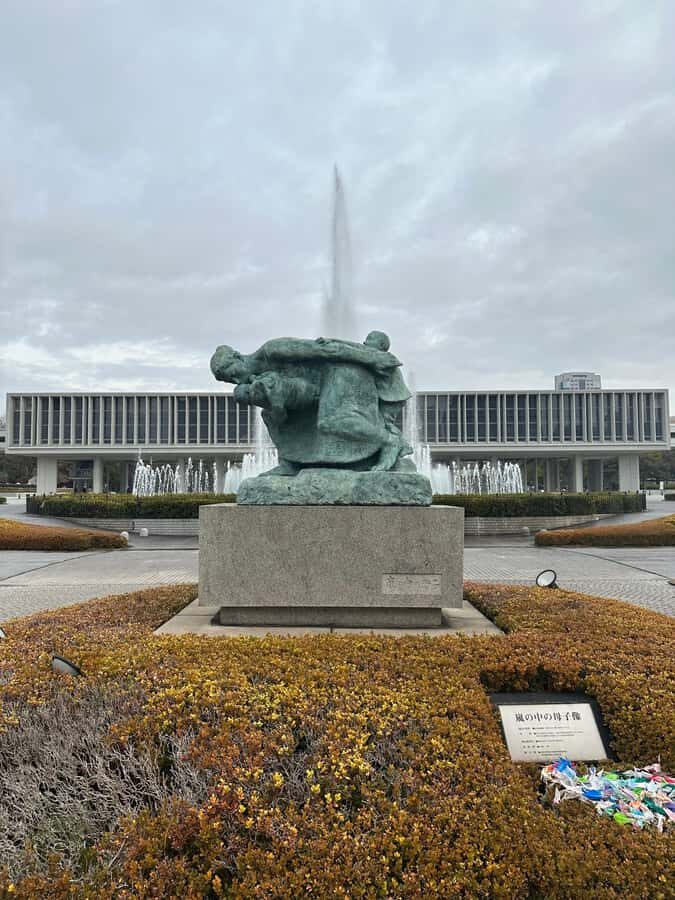
You’ll also visit the Bell of Peace and the Children’s Peace Monument. Those last two can feel like a shift in tone—still solemn, but more focused on the future. If you pay attention here, you’ll see why these monuments are included in a highlights walk: they’re not just markers of loss. They’re also a message about protecting life after catastrophe.
What can feel tough (and how to handle it)
This kind of route can wear you out, even if you’re emotionally ready. If you know you get overwhelmed in museums, pace yourself: take a breath, stand back for a minute, and don’t force yourself to absorb everything at once. A private guide can usually adjust pacing, and that flexibility is one of the most praised parts in the experience descriptions you provided.
Hiroshima Peace Memorial Museum: why the guidance matters
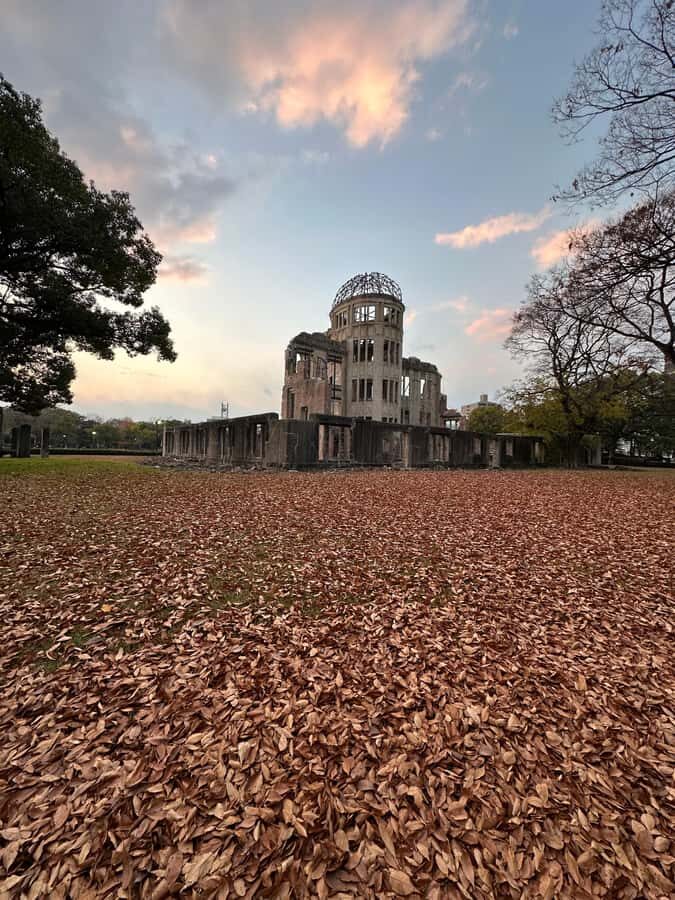
Spending time at the Hiroshima Peace Memorial Museum is not the same as a standard museum browse. The exhibits are intense, and the museum experience benefits from someone helping you frame what you’re seeing. On this tour, you get a guided visit plus time to move through key areas during that one-hour block.
Here’s how I’d think about the value: you’re not only looking at objects. You’re trying to understand how Hiroshima chooses to remember, and how that remembrance shapes policy, community, and identity. A guide can help you track the story so it doesn’t just feel like a collection of images.
Also, it’s useful that you aren’t alone with the museum. Reviews you shared repeatedly credit guides like Maria and Ihsan for patience and for pointing out what to focus on. That’s the difference between feeling lost in a big room and actually getting meaning from it.
If you’re the type who likes questions, bring them. When you ask, you’ll often hear context that turns the museum from depressing to educational in the best way—clear, grounded, and human.
Atomic Bomb Dome: respectful viewing, not just a selfie stop
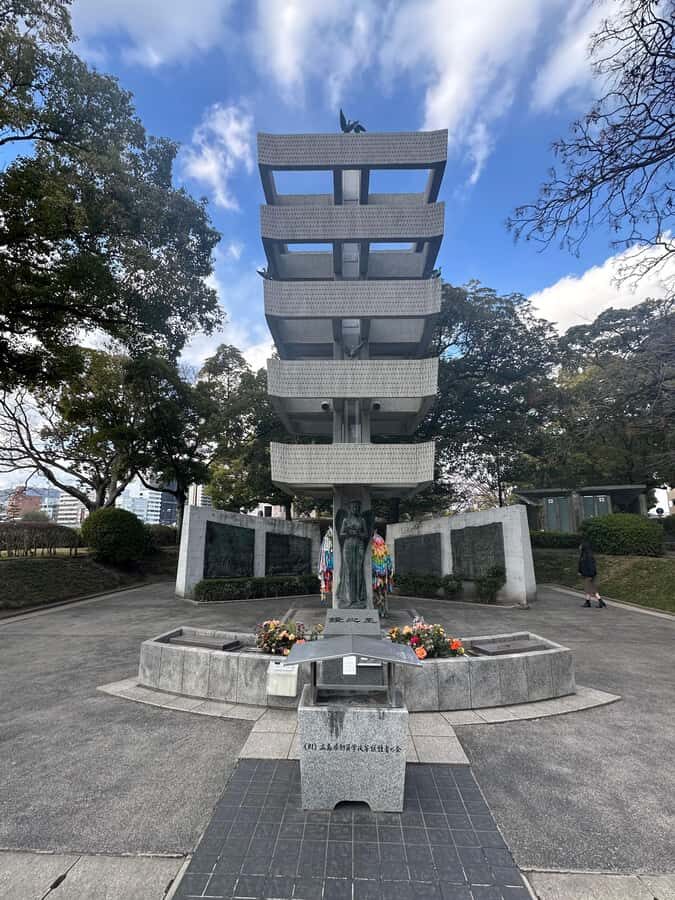
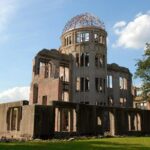
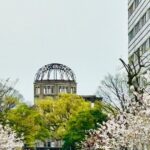
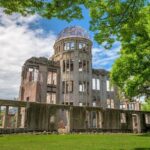
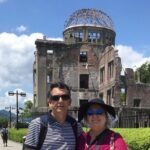
The Atomic Bomb Dome is the headline for a reason. The tour includes entry to the Atomic Bomb Dome and a guided stop that’s long enough to do more than snap a quick photo and move on. You’ll get a photo stop, then guided time around the Dome itself.
This is one of those places where a guide’s framing is crucial. Without it, you might focus only on the building’s shape and survival. With a guide, you’re more likely to understand why it stands where it does and what people believe it represents—memory, warning, and a demand for peace that’s still relevant today.
Practical tip: keep your pace slow here. I don’t mean physically slow; I mean mentally slow. Look up, then look at the surroundings. Try to picture how this space functioned before the event and how Hiroshima rebuilt afterward. That mental shift is the point.
And yes, it’s outdoors—so weather matters. Bring a layer you can tolerate, because you’ll spend real time walking between monuments before you reach the Dome.
Other Hiroshima highlights tours in Hiroshima

Hiroshima Castle after the memorials: a different kind of history
After the Peace Park portion, you’ll head to Hiroshima Castle, described as a 16th-century old castle. The tour includes a guided visit plus a walk time, and you get another photo stop before going in.
This change of setting is not accidental. It helps you see Hiroshima as more than one day in 1945. You get a different thread of history: the city’s older identity, its regional role, and the longer arc of place. If you only visited the Peace Park area, Hiroshima could feel one-dimensional. Adding the castle gives you contrast.
A small caution: some people run into timing issues if the day gets slowed by transit changes. In the reviews you provided, one situation noted missing inside access to the castle due to delays, though the guide still shared history. So, keep a bit of flexibility in your schedule and wear shoes that won’t punish you if you end up walking more than expected.
Pacing, private groups, and why the guide is the whole difference
In a private tour, the guide can adjust in real time: how fast you walk, which monument you linger on, and what you want to know. That flexibility is repeatedly praised, especially for guides who are described as warm and thoughtful, like Maria and Ali in the feedback you shared.
This matters because Peace Park isn’t a checklist. It’s a memory landscape. If you’re moved by a particular cenotaph or want to understand the specific meaning behind a children’s monument, you don’t need to rush to keep up with a group.
Language also affects pacing. If your guide speaks your language well, you’ll spend less time translating mentally and more time absorbing context. The tour supports English, Malay, Urdu, Hindi, and Punjabi, and that’s a big deal for emotional accuracy when you’re hearing about human suffering.
One more reality check: some people felt the four-hour duration might be too long, and that’s reasonable. If you prefer shorter museum visits or you know you tend to process slowly, consider whether you want this entire loop or a shorter focus day.
Price and value: what $90 covers (and why it’s not just a guided walk)
At $90 per person, the big value isn’t only the guide. It’s what’s included with the walking route. Your ticket set includes entry to:
- Hiroshima Peace Memorial Museum
- Atomic Bomb Dome
- Hiroshima Peace Memorial Park
- plus the private walking tour and guide
That matters because it saves you from adding extra planning stress at the exact moment you most want to be present. You’re also buying interpretation. In a place like this, interpretation changes the experience from looking at monuments to understanding the structure of remembrance.
Is it a bargain? It’s not a low-cost option, but it’s also not paying for extras you don’t need. It’s paying for a focused route where you’re not waiting around, not guessing what to read, and not deciding on your own which memorials are most meaningful.
Also, private format helps you avoid wasted time. If you’ve tried DIY in a major memorial area before, you know how easy it is to miss the “why” behind each stop. Paying for a guide is often cheaper than spending hours confused and then leaving feeling like you didn’t get it.
Who should book this, and who might prefer a lighter plan
This tour fits best if you want:
- A guided explanation at Peace Park and the museum
- Time at multiple memorials, not just the headline sights
- A private pace where you can ask questions
It’s also a good fit if you like structure. The day follows a clear, logical path through the memorials and then continues to Hiroshima Castle. That flow helps you hold the story together.
It might be less ideal if:
- You want a short, upbeat sightseeing day
- You prefer no guided explanation at all
- You get emotionally drained quickly and want more breaks than a four-hour loop can offer
If you’re traveling with someone who needs frequent recovery time, you can still make it work, but you’ll want to be honest with yourselves about pacing and energy.
Quick tips to make the walk feel easier
- Bring water. Food and drinks aren’t included, and you’ll be outdoors enough to notice.
- Wear shoes you trust. You’ll walk between Peace Park sights and toward Hiroshima Castle.
- If you have questions, save them for when the guide is describing the monument you’re standing in front of. That’s when answers will connect best.
- Dress for weather. Rain and humidity can turn a “short” walk into a long one, and this route is exposed in many parts.
Should you book this private Hiroshima highlights walking tour?
I’d book it if you want Hiroshima explained with care and a route that doesn’t skip the memorial details that matter. The strongest reason is simple: you’re not only visiting sites, you’re learning how they fit together, and you’re doing it with a private guide at places like the Peace Memorial Museum and the Atomic Bomb Dome where context is everything.
I’d think twice if you want a purely relaxed walk or you’re very sensitive to long, solemn museum-and-monument days. In that case, you might prefer a shorter option focused only on Peace Park, or you might just plan extra downtime afterward.
Bottom line: for the price, you’re getting a tight private route plus included entry to the key sites. If your goal is to leave Hiroshima with understanding, not just photos, this is the kind of tour that earns its cost.
FAQ
How long is the Hiroshima private city highlights walking tour?
It lasts about 4 hours.
Where does the tour start?
You meet your guide at 1-2 Nakajimachō, Naka Ward in Hiroshima.
What are the main stops on the tour?
The tour includes the Hiroshima Peace Memorial Park area, the Hiroshima Peace Memorial Museum, the Atomic Bomb Dome, and Hiroshima Castle.
Are entrance fees included?
Yes. Tickets are included for the Hiroshima Peace Memorial Museum, the Atomic Bomb Dome, and the Hiroshima Peace Memorial Park.
Is this a private tour?
Yes, it’s a private walking tour with a guide.
What languages are available for the guide?
The tour offers live guide service in English, Malay, Urdu, Hindi, and Punjabi.
Is food included?
No. Food and drinks are not included.
What is the cancellation policy?
You can cancel up to 24 hours in advance for a full refund, and you may be able to reserve and pay later.