REVIEW · HIROSHIMA
Miyajima Highlights: Itsukushima Shrine & Island Nature
Book on Viator →Operated by Local Gem Tour Hiroshima · Bookable on Viator
Floating gates set the tone here. This private walking day pairs Itsukushima Shrine at the right tide with quiet temple time at Daishoin, guided by a person who can explain what you’re looking at instead of just pointing. I also like that you get to steer the pace with a private guide, which makes the whole island feel calmer. One drawback to plan around: it’s a walking day and you’ll be using public transport, so if you want lots of extra time in other Hiroshima sights, you may find the schedule tight.
I like that this tour is built for flexible sightseeing. If the tide timing matters most to you, the guide can adjust the day’s flow between Miyajima and the Hiroshima Peace area so you have a better shot at seeing the floating torii the way you imagined it.
You’ll also want to come ready for small practical realities. Lunch isn’t included, and the walking plus transport add up, even though the tour is only about 5 hours.
In This Review
- Key Things to Know Before You Go
- From Hiroshima to Miyajima: A Day That Feels Less Rushed
- The Tide Trick: Seeing the Floating Torii Gate the Right Way
- Itsukushima Shrine Grounds: UNESCO, National Treasure Feeling, and Quiet Moments
- Daishoin Temple in the Trees: Oldest Temple, Nature-Set Calm
- Senjokaku Halls: A Quiet, Wall-less UNESCO Structure
- Miyajima Omotesando Street: Food Stops and Momiji Manju
- The Journey Toward Hiroshima Peace Memorial Park
- Price and Value: What $141.23 Covers (and What Doesn’t)
- Who This Tour Fits Best
- Should You Book This Miyajima Highlights Tour?
- FAQ
- How long is the Miyajima highlights tour?
- Is pickup available, and where do we meet the guide?
- What’s included in the price?
- What transport is used during the day?
- Do I need to pay for Senjokaku?
- Is lunch included?
- What happens if the weather is poor?
Key Things to Know Before You Go
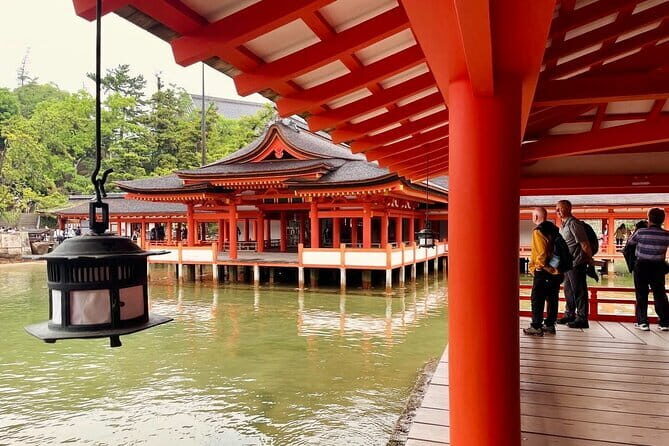
- Floating Torii timing depends on the tide: you’ll see why high water makes the gate look like it rises from the sea.
- Private guide equals real context: ask questions on the spot and get answers tied to the places you’re standing in.
- Daishoin Temple offers a calmer rhythm: it’s set in nature and tends to feel less rushed than the main highlights.
- Senjokaku adds UNESCO structure and space: large, wall-less halls that feel quiet and open.
- Omotesando shopping street is part snack break, part culture: expect oyster and conger eel rice bowls, plus momiji manju.
- You end the day moving toward Hiroshima Peace Memorial Park: the tour includes travel planning so you’re not stuck figuring out connections.
From Hiroshima to Miyajima: A Day That Feels Less Rushed
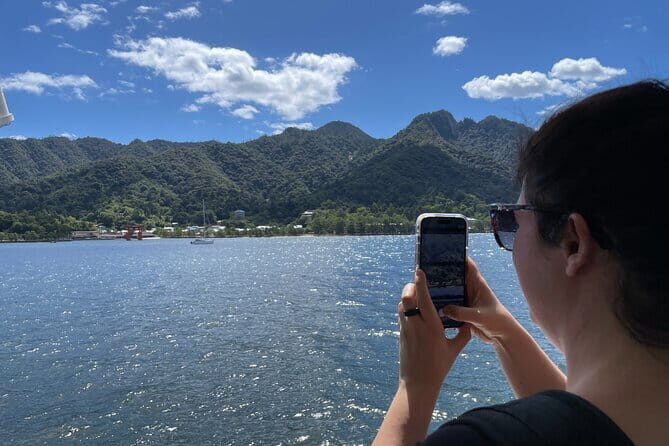
This is a private, guided walking tour based in Hiroshima. You meet your guide in Hiroshima on foot, and then you head to Miyajima using public transportation (with travel time added along the way). The whole point is to focus on Miyajima’s spiritual core and island atmosphere rather than trying to sprint through every major photo spot.
For me, the value here is simple: you spend your time walking on Miyajima instead of waiting around. The guide also has the freedom to reorder the flow between Miyajima and the Hiroshima Peace area depending on what you most want to see—especially the floating torii gate. That flexibility matters, because Miyajima’s best visual moments aren’t only about geography; they’re about time of day and tide.
One more practical note: the tour runs about 5 hours. That’s enough time to enjoy Itsukushima Shrine and Daishoin with breathing room, but it isn’t enough if you’re aiming to add major extra stops beyond what’s planned.
Other Miyajima Island tours in Hiroshima

The Tide Trick: Seeing the Floating Torii Gate the Right Way
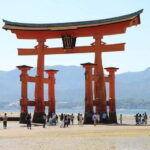
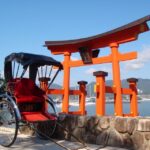
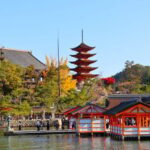
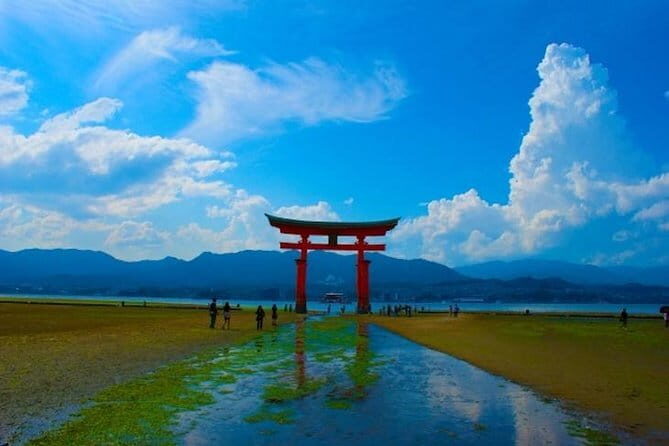
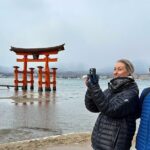
Itsukushima Shrine’s famous torii looks different depending on the tide. At high tide, the gate appears to rise from the sea. At low tide, you can walk closer along the shoreline and see the scale up close.
Here’s the practical takeaway: don’t treat the torii as a single “check-the-box” moment. The guide’s job is to explain why the shrine looks like it’s in motion with the water, and you’ll get a chance to actually experience that effect rather than just glance at it once. That’s also why the tour is designed around timing and a flexible day flow.
If you want the low-tide look, you’ll usually need to be comfortable with walking on uneven, sometimes slippery surfaces near the water. If you want the high-tide look, it’s worth trusting the guide’s plan for timing and tide awareness. Either way, keep your expectations flexible: nature runs the schedule on Miyajima.
Also, bring your eyes for details. The shrine setting isn’t just “pretty scenery.” The whole experience is about how people have treated this place as sacred for centuries, with the environment acting like part of the architecture.
Itsukushima Shrine Grounds: UNESCO, National Treasure Feeling, and Quiet Moments

You’ll spend time at Itsukushima Shrine itself, including the main shrine area where you can feel the ebb-and-flow vibe in your body. The shrine is UNESCO-listed, and it’s also described as a national treasure in the tour details. The big idea is that the shrine’s appearance changes with the tides, so it doesn’t feel like a static monument.
In practical terms, this is the part of the day where you slow down. The shrine’s layout can feel open and spacious, and your guide can point out how people read the place—where to look first, what to notice in the surroundings, and what specific elements mean.
Time-wise, you’re there about 30 minutes for the shrine entrance portion. That’s enough to enjoy the atmosphere without feeling rushed, but it’s not enough for a long, wandering “we’ll see everything” approach. If you’re the type who loves reading every plaque, you might want to ask your guide a couple of focused questions early so you get the meaning without losing your whole time budget.
Daishoin Temple in the Trees: Oldest Temple, Nature-Set Calm
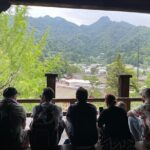
After the shrine, the day shifts to Daishoin Temple. The tour frames Daishoin as the oldest temple on Miyajima, surrounded by nature and full of attractions. It’s also noted as a place loved by Shogun Hideyoshi, which helps explain why it carries weight beyond being just another temple stop.
What I like about putting Daishoin after Itsukushima is the contrast. The floating torii area pulls you toward the sea and spectacle. Daishoin pulls you inward—toward quiet, walking paths, and the feeling that the island’s spirituality isn’t only about one famous view.
You’ll have about 45 minutes here. That’s a sweet spot for a temple visit: enough time to appreciate the grounds and key sights without turning it into a stamina test. If you’re traveling with kids or older relatives, this part of the day often works well because it feels less rushed than the sea-front crowds can.
One practical tip: this is a walking segment, so wear shoes you trust. Temple steps and forest paths don’t always match the comfort of city sidewalks.
Senjokaku Halls: A Quiet, Wall-less UNESCO Structure
Senjokaku is another stop tied to the Itsukushima shrine complex and UNESCO status. Built in the 16th century, it’s described as having large halls and wall-less spaces that feel quiet and peaceful. It’s also linked to Shogun Hideyoshi’s orders to build it.
This is the kind of place where structure becomes atmosphere. Even without walls, the space can feel contained because of how it’s designed and how people naturally behave there. The tour gives you about 20 minutes here, and you’ll likely get more value from the time if you treat it as a pause, not a photo sprint.
Also, note the entrance detail: Senjokaku’s admission is marked as not included. If you’re trying to manage costs tightly, check how this fits into your expectations for what’s covered.
Other Hiroshima highlights tours in Hiroshima

Miyajima Omotesando Street: Food Stops and Momiji Manju
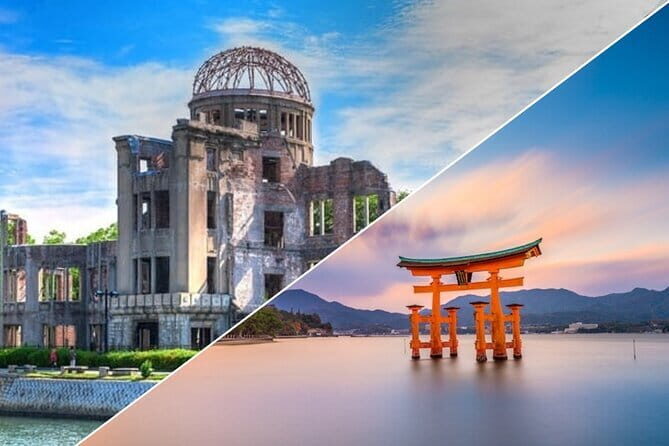
Between temples, you’ll stroll Miyajima Omotesando shopping street. This is one of the best places on the island to get a feel for everyday visitor life—snack runs, souvenir browsing, and quick bites that connect to local produce.
The tour highlights typical foods sold there, including oyster and conger eel rice bowls, plus momiji manju (steamed buns shaped like maple leaves). Even if you don’t buy much, this street is useful because it helps you understand what people come for beyond the UNESCO sites.
You’ll have about 40 minutes on the street. That’s enough time to grab one snack and one souvenir without turning it into a full shopping afternoon. I’d plan your purchases with intention: pick the food you’ll actually eat, then decide on one or two gifts. Momiji manju is an easy choice because it’s closely tied to the island, and it travels better than many fresh foods.
The Journey Toward Hiroshima Peace Memorial Park
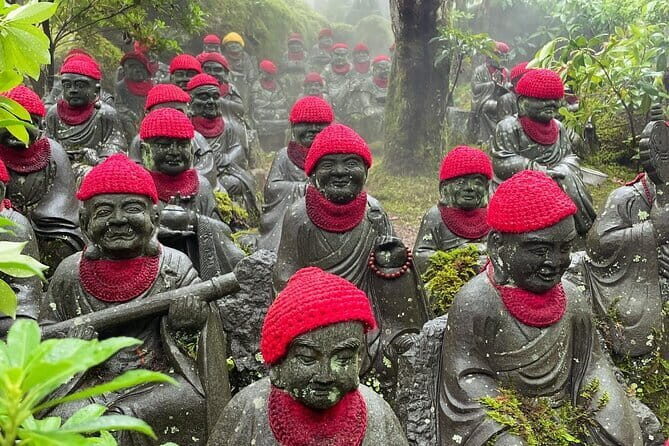
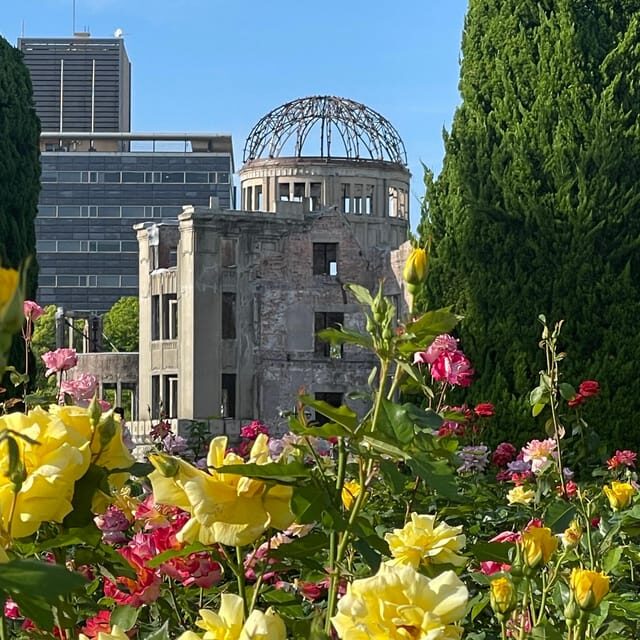
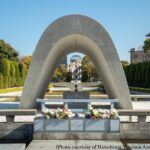
As the day ends, you move toward Hiroshima Peace Memorial Park. The tour notes that the transfer uses ferry, JR, or train, taking about an hour. There’s also an option for a direct boat that cuts the travel time to about 45 minutes.
This final transfer piece matters because Hiroshima can be confusing if you’re relying only on intuition. Having a guide plan the route helps you avoid wasting time and energy when you’re already tired from walking.
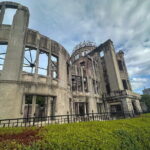
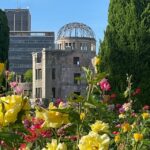
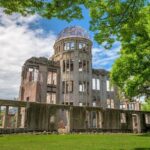
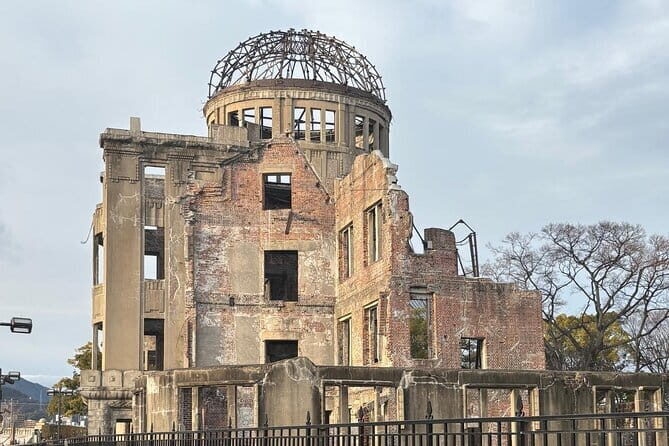
A gentle caution: this is still a half-day style tour. If your goal is a deep visit to the Hiroshima Peace Memorial Museum and the Atomic Bomb Dome area, you might feel pressed for time. It can work well if you want a meaningful taste plus a calmer, guided route, but if you want a long museum session, consider adding more time on your own later.
Price and Value: What $141.23 Covers (and What Doesn’t)
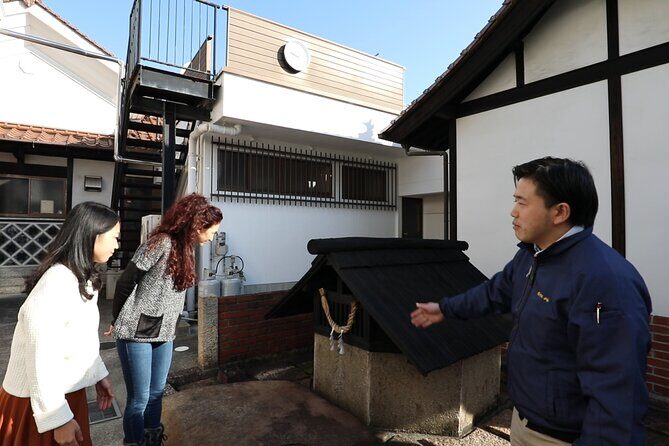
At $141.23 per person for around 5 hours, the price covers a lot of the “hard part” of travel: a live local guide, a customized consultation in advance, the Itsukushima Shrine entrance fee, and even tour photo data. It also includes the guide meet-up in Hiroshima on foot and the structure of the day so you’re not piecing together transport while trying to enjoy the island.
What’s not included is equally important:
- Lunch isn’t included, so you’ll want to budget for snacks and drinks (Omotesando makes that easy).
- Public transportation costs are listed separately at ¥1,340 per person.
- Optional private transportation can cost extra, especially if you go for faster boat options or taxis.
- Tips are not included.
So is it good value? For most people who care about meaning and not just photos, yes—because you’re paying for guidance that helps you read the shrine, the temple, and the island’s traditions. If you’re the type who prefers to design your own day tightly with zero guidance, you might find it more expensive than DIY. But if you want the tide-aware experience and cultural context, the guide time is the core value.
Also, the tour uses a mobile ticket, which is a small convenience that can reduce hassle once you’re on the move.
Who This Tour Fits Best
This tour is a strong match if you:
- Want Itsukushima Shrine and Daishoin Temple without sprinting between stops.
- Like learning what you’re seeing and asking questions as you go.
- Prefer a private guide so your pace isn’t tied to other people.
- Appreciate UNESCO sites but also want quieter, calmer moments on the island.
It may be less ideal if you’re chasing an ultra-packed day that includes lots of extra Hiroshima stops and museum hours. The day is designed for Miyajima highlights and a planned connection toward the Peace area, so it’s not meant to replace a full Hiroshima deep-dive.
It’s also worth noting from the tour info that most travelers can participate, and service animals are allowed. It’s a walking tour, so comfort and good shoes matter.
Finally, a name note: in past departures, guides such as Aya-san, Yuka-san, Mana, Masa, and Masayo Kobayashi have been mentioned for being punctual, kind, and strong on history and cultural explanations. Even if you don’t get the exact same person, it’s a good sign of the guide style you can expect.
Should You Book This Miyajima Highlights Tour?
Book it if you want Miyajima’s spiritual sites with a plan that respects timing, especially tide-related views of the floating torii. The private format and cultural context are the main reasons this works, and the schedule is built so you can enjoy both sea-front shrine drama and temple calm.
Skip it or adjust expectations if you’re hoping for a marathon day in Hiroshima beyond what’s planned. With only about 5 hours, you’ll still have a great experience—but you’ll want to add extra time only if Peace Memorial sites are your top priority.
If you’re deciding between DIY and guided for this specific route, my call is simple: for Itsukushima and Daishoin, guidance pays off fast.
FAQ
How long is the Miyajima highlights tour?
It runs about 5 hours.
Is pickup available, and where do we meet the guide?
Pickup is offered, and the guide meet-up in Hiroshima is on foot.
What’s included in the price?
Entrance fee of Itsukushima Shrine is included, along with tour photo data, advance customization consultation, and a live local tour guide.
What transport is used during the day?
The tour mainly uses public transportation. Public transportation costs are not included, listed as ¥1,340 per person.
Do I need to pay for Senjokaku?
Senjokaku admission is listed as not included, while Itsukushima Shrine and Daishoin are free or included as specified in the tour details.
Is lunch included?
No. Lunch and any food or drinks are not included.
What happens if the weather is poor?
The experience requires good weather. If it’s canceled due to poor weather, you’ll be offered a different date or a full refund.