REVIEW · HIROSHIMA
From Hiroshima: Miyajima Island Day Trip with Ropeway Ride
Book on GetYourGuide →Operated by Machinovate Japan Ltd. · Bookable on GetYourGuide
Miyajima turns a day trip into a coastal pilgrimage. In about 9 hours, you’ll ride train and ferry from Hiroshima, visit Senjokaku, Itsukushima Shrine, and Daisho-in, then go up Mt. Misen by ropeway for big island views, with a timed walk for the iconic O-torii.
I especially like two parts: the low-tide O-torii timing that changes what you see, and the ropeway-to-Mt.-Misen options that let you choose between staying near Shishiiwa Observatory or going on the steeper summit walk.
The only downside is that it’s a packed itinerary. You’ll do a fair amount of walking, and if you hate heat, hills, or crowds, you’ll want to plan your footwear and energy level carefully.
In This Review
- Key points to know before you go
- A Day That Starts Under the Shinkansen Gates
- Train and Ferry to Miyajima: Part Transportation, Part Atmosphere
- Senjokaku Pavilion: The Unfinished Shrine You’ll Remember
- Itsukushima Shrine: Where Shinto, Sea, and Architecture Meet
- Daisho-in Temple: Buddhist Statues That Interrupt Your Walk
- Omotesando Shopping Street: Two Hours to Choose Your Lunch and Souvenirs
- Mt. Misen by Ropeway: The View Payoff (With an Optional Summit Hike)
- The O-torii Gate at Low Tide: Why a Guide Matters
- How to Handle the Walking and Weather on Miyajima
- Price and Value of a Guided 9-Hour Circle
- Who This Tour Suits Best (and Who Might Prefer DIY)
- Should You Book This Miyajima Day Trip?
- FAQ
- What’s the duration of the Hiroshima to Miyajima day trip?
- How much does the tour cost?
- What’s included in the price?
- Is lunch included?
- Where do I meet the guide in Hiroshima?
- Does the tour include the ropeway to Mt. Misen?
- Is it possible to skip the steep summit hike?
- Can I see the O-torii gate at low tide?
- What should I wear?
- Is the tour refundable if my plans change?
- Is this tour wheelchair accessible?
Key points to know before you go
- Floating O-torii viewing depends on the tide, and the guide tries to schedule your walk at the best moment
- Small group size (max 15) helps you keep moving and spend less time stuck waiting
- Senjokaku’s unfinished pavilion gives you a unique story angle before you reach Itsukushima Shrine
- Daisho-in offers Buddhist statues and temple halls that feel different from the Shinto sites
- Mt. Misen is the view payoff, with ropeway access plus an optional steep summit hike
A Day That Starts Under the Shinkansen Gates
Your day begins at Hiroshima Station, under the Tourist Information sign outside the Shinkansen gates. If you’re coming by Shinkansen, look for the sign to your left as you exit the gates. If you’re arriving from JR lines, you’ll be routed toward the Shinkansen gates on the same floor.
Practical tip: Hiroshima Station is under heavy construction, so arrive a bit early. You don’t want to waste time hunting for the correct platform while everyone else is boarding.
This tour runs as a small group of up to 15 people with an English-speaking guide. You’ll spend the day with a plan, not just a list of stops, which matters on an island day where tides and timing affect what you see.
Other Miyajima Island tours in Hiroshima
Train and Ferry to Miyajima: Part Transportation, Part Atmosphere
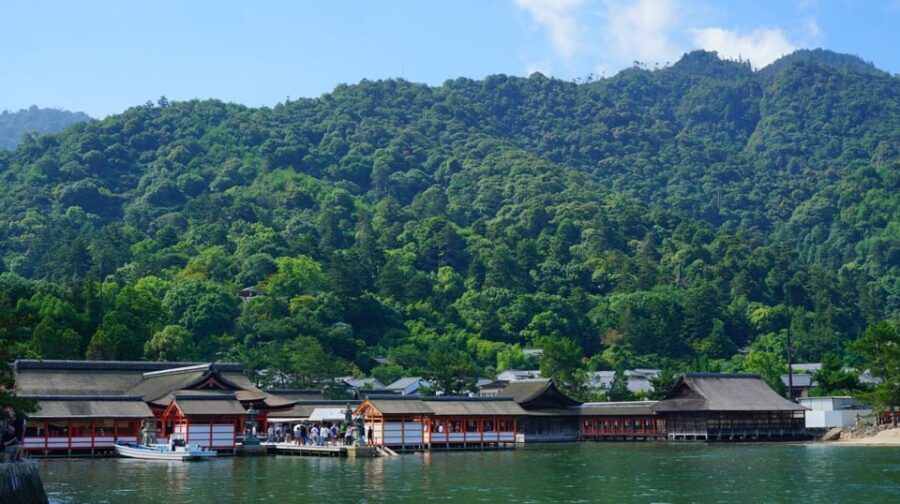
Once you’re out of Hiroshima, the route uses train and ferry to reach Miyajima Island. That’s more than logistics. The ferry ride turns Miyajima from an idea into a setting, with the Seto Inland Sea in your peripheral vision and a sense that you’re leaving “city” behind.
You’ll also get a guided context as you travel. The guide’s job isn’t just to point at buildings. It’s to explain why these places matter, and how Shinto and Buddhism shape what you notice.
You’ll return to Hiroshima the same way at the end of the day, with the guide accompanying you to the ferry and then the final train ride back to Hiroshima Station.
Senjokaku Pavilion: The Unfinished Shrine You’ll Remember
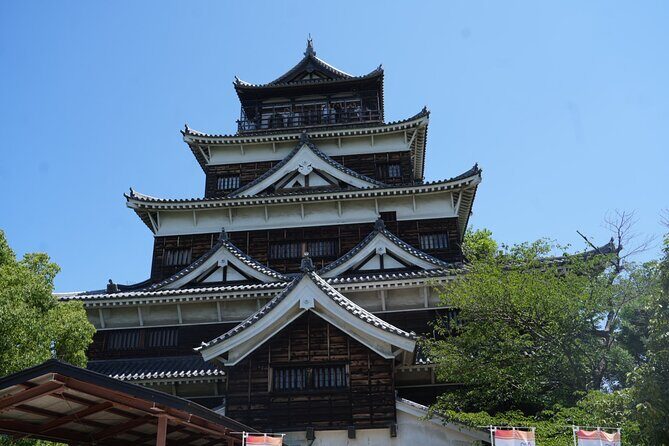
Senjokaku Pavilion is one of the stops that sets the tone early. It’s a shrine whose construction was never completed, and that unfinished state still remains today. Instead of feeling incomplete, it gives the site a strange, memorable mood.
This is a good moment in the day to slow down. You’re still near the start of the island loop, so you can take in the “place story” before you get into the more famous visuals at Itsukushima.
Expect your guide to connect the dots here. When you understand the meaning behind the unusual details, the later stops hit harder.
Itsukushima Shrine: Where Shinto, Sea, and Architecture Meet
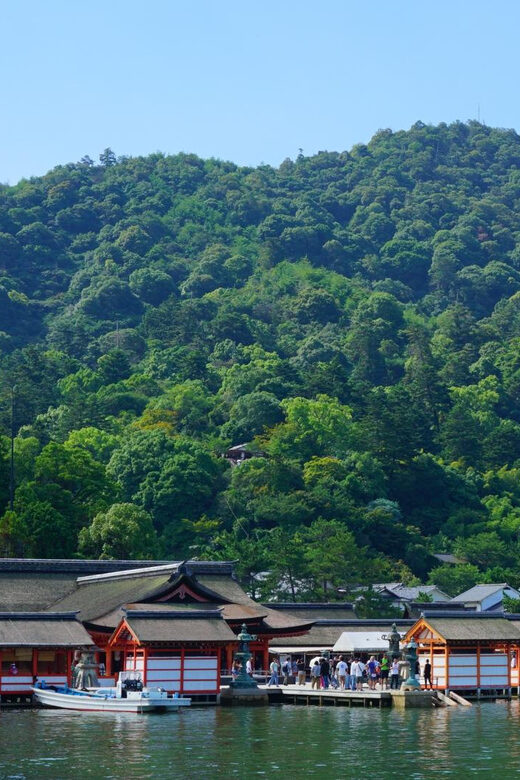
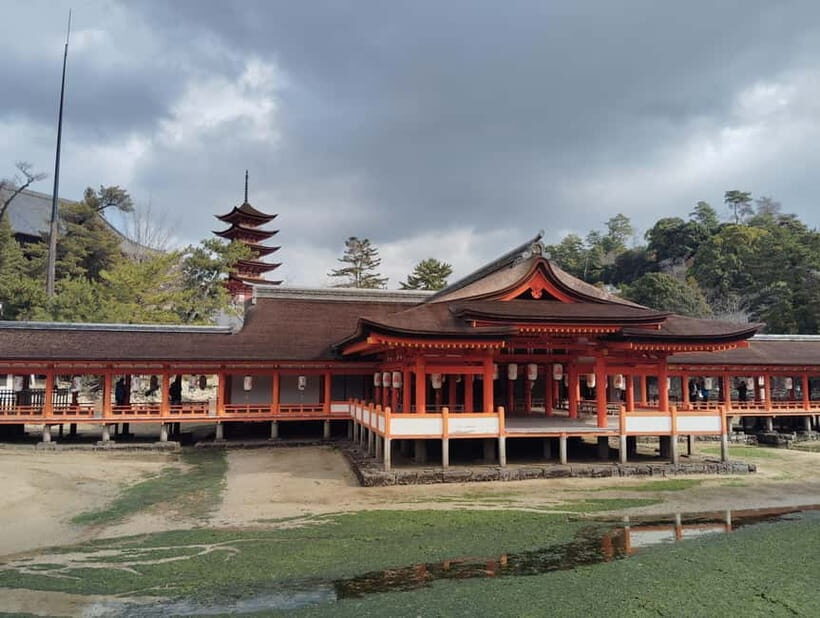
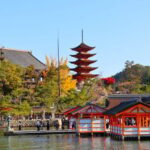
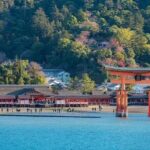
If you only cared about one thing on Miyajima, it would probably be Itsukushima Shrine. You’ll walk through worship halls and see the distinctive architecture designed for the island setting.
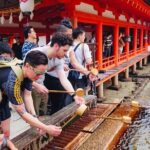
This is also where Shinto comes into focus. Your guide will explain Shintoism as Japan’s indigenous religion and give context for what you’re seeing, including the shrine’s history.
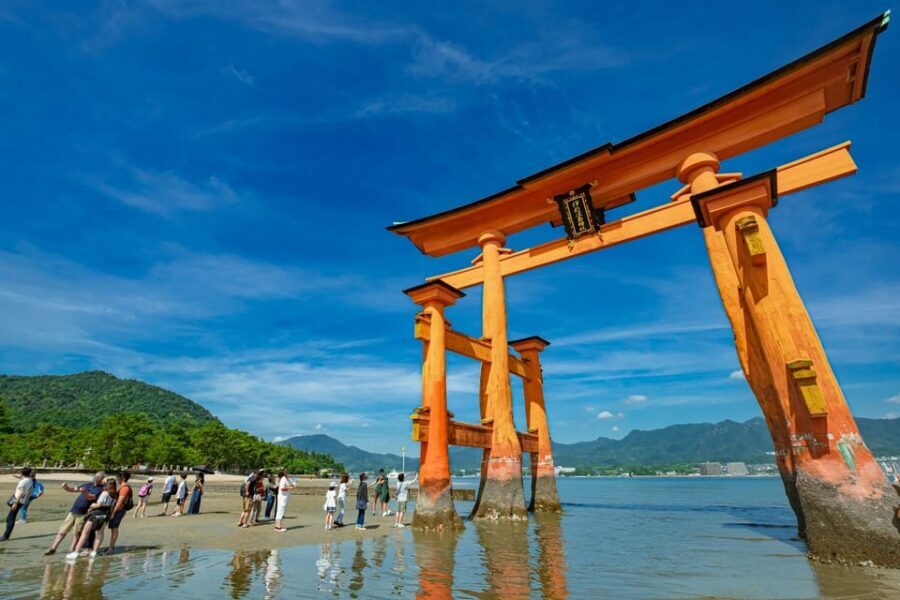
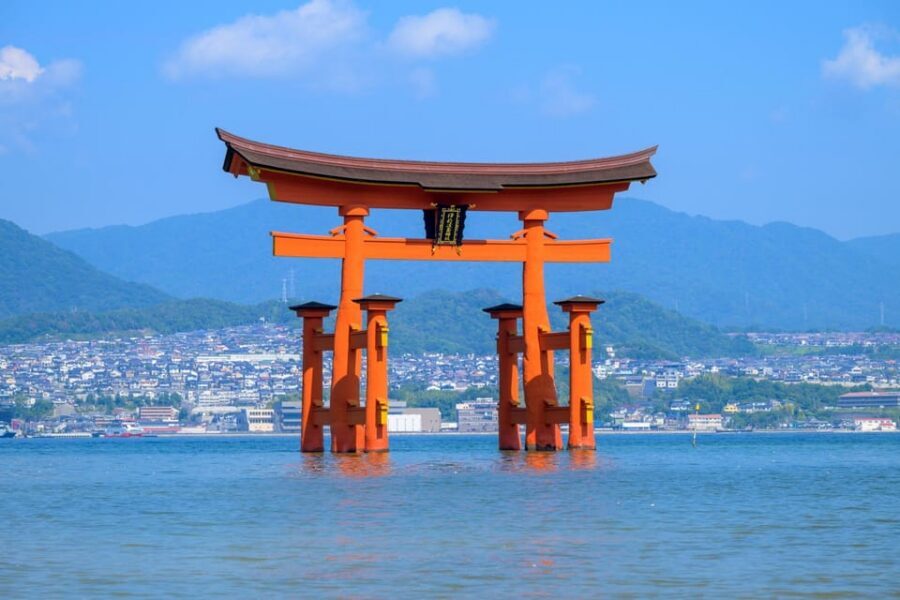
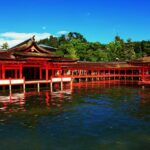
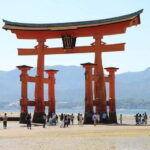
Then comes the big signature sight: the O-torii gate over the Seto Inland Sea. In day-trip terms, this is the photo everyone wants, but it’s also the sight where timing matters.
High-tide vs low-tide is the whole game. Your guide will do their best to schedule a walk toward the gate at an appropriate moment during your tour, since tide changes can vary day to day.
Daisho-in Temple: Buddhist Statues That Interrupt Your Walk
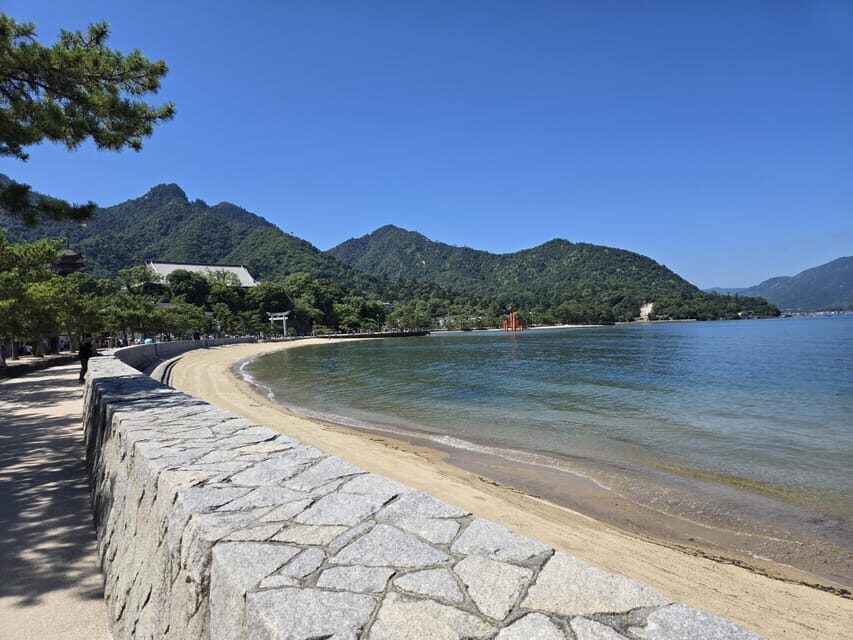
After Itsukushima, you’ll shift from Shinto to Buddhism at Daisho-in temple. Daisho-in is a prestigious Shingon Buddhist temple, and it’s not a passive stop—you’ll notice figures and sculpture as you move through the grounds.
One of the most useful things the guide can do here is help you read the place. You’ll see many Buddhist figures, with different statues greeting you from different angles as you walk. That means you’ll have plenty of chances to look around rather than just stand still for a single “main view.”
A practical note: this stop includes time spent walking temple paths. It’s manageable, but it’s not a quick photo break.
A few more Hiroshima tours and experiences worth a look
Omotesando Shopping Street: Two Hours to Choose Your Lunch and Souvenirs
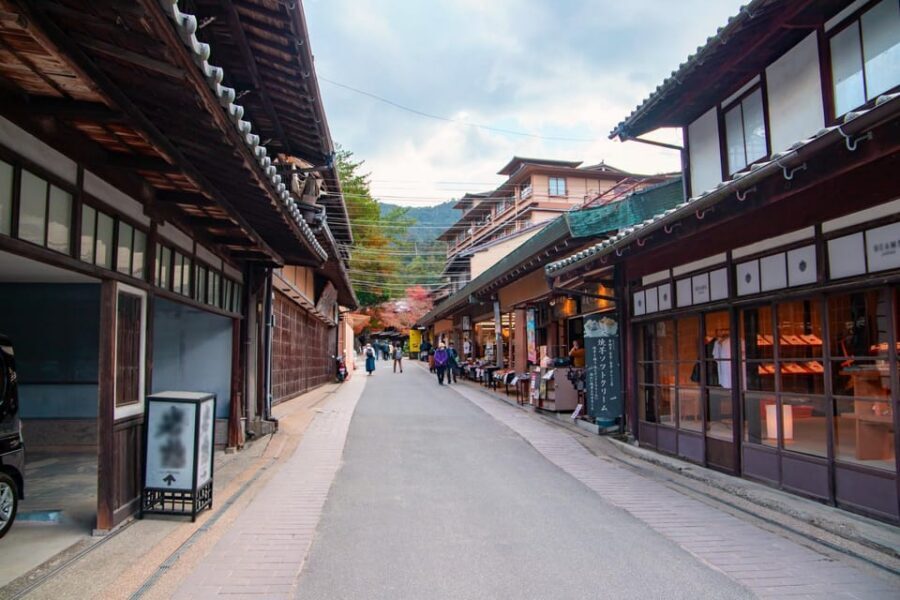
Omotesando Shopping Street is where the tour gives you room to breathe. You’ll have around two hours of free time to explore shops and restaurants, including lunch. Lunch isn’t included in the price, so this is when you decide where you want to eat and what you want to snack on.
This is also your souvenir moment. The street layout makes it easy to browse without needing to plan transit.
I like this part because it protects the day from feeling like a museum sprint. You’ll leave the morning temples with lots of images in your head, and then Omotesando helps you reset with food, small purchases, and slower walking.
Mt. Misen by Ropeway: The View Payoff (With an Optional Summit Hike)
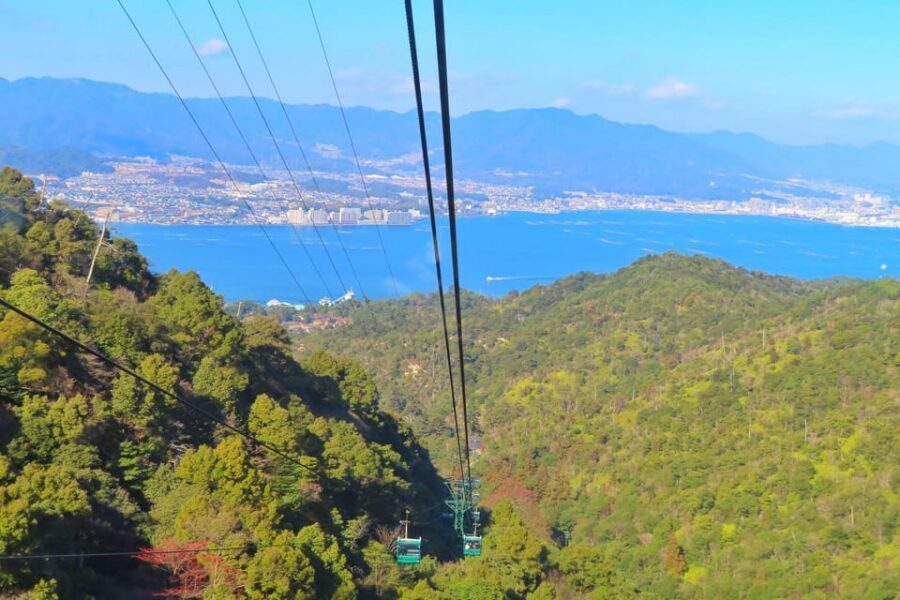
Mt. Misen is the last major destination, and it’s where the day becomes about panorama. You’ll ride the Miyajima Ropeway to the top area, and inside the cabin you’ll get aerial views of the island. It’s the kind of transport that adds scenery instead of just moving you.
Once at the top, you’ll have options. You can stay near the Shishiiwa Observatory next to the ropeway station, or you can take the trek to the Mt. Misen Observatory at the summit.
The summit route is steep and arduous. If you’re okay with a hard walk, you’ll likely feel rewarded by views with fewer obstructions. If you’d rather conserve energy, the Shishiiwa Observatory option still keeps the day’s “big view” goal in reach.
On the way back down, you’ll take the ropeway again, then head toward the pier for your return.
The O-torii Gate at Low Tide: Why a Guide Matters
A Miyajima trip isn’t complete without the O-torii at low tide. The issue is simple: the tide timing isn’t fixed like a clock. It shifts from day to day.
That’s why your guide’s role here is real value. The plan will try to schedule the guided walk to the gate at the most appropriate moment during your tour. Translation: you’re not leaving it to chance.
When you get the timing right, the visual effect is dramatic. Even if you’ve seen pictures before, it’s one of those moments that makes you understand why this gate became a symbol.
How to Handle the Walking and Weather on Miyajima
This day trip includes lots of outdoor time and walking, plus an optional steep summit hike. Bring shoes that won’t punish you by hour five.
Footwear tip: if you plan to join the summit trek, wear close-toed shoes like sneakers. For the rest of the tour, easy walking shoes are the smart call.
Weather matters here. In summer, temperatures can hit around 32°C (90°F) and higher with extreme humidity. In winter, averages are about 1°C to 10°C (34°F to 50°F). Dress for conditions you can sweat through—or for cold that sneaks into your bones.
Also, pack sunscreen and plan for shade. The route includes outdoor viewpoints, and there’s no “temple walls only” strategy for the whole day.
Price and Value of a Guided 9-Hour Circle
The price is about $180 per person for a full day. That sounds steep until you itemize what’s included: an English-speaking guide, entry fees at all tour locations, ropeway tickets, and transportation to and from Miyajima (ferry and train).
For a day that would be awkward to coordinate alone—especially with tide-dependent timing—that bundle makes sense. The guide’s planning can also reduce time lost to confusion and crowd friction, which is a big deal at popular shrine sites.
You’re paying for coordination and interpretation, not just transport. And the small group format (up to 15) helps you move efficiently without feeling like you’re in a cattle line.
Is it the cheapest way to visit Miyajima? No. But it’s a strong value if you want a structured day and you’d rather spend your energy seeing rather than figuring out.
Who This Tour Suits Best (and Who Might Prefer DIY)
This tour is a great fit if you’re doing Hiroshima for a short time and want a single-day, high-impact Miyajima experience. It’s also ideal if you appreciate context—Shinto at Itsukushima, Buddhist art at Daisho-in, and the unusual story behind Senjokaku.
I’d also recommend it if you like having an English guide who can adjust to what the day demands. In the guide feedback tied to this experience, names like Simarjeet, Miki, Samar, and Isabella show up with praise for planning the day, explaining history clearly, and keeping the pace workable for different walkers.
This may be less ideal if you want a fully independent, no-schedule island day. The itinerary is structured, and the summit option adds effort. Also, it’s not suitable for wheelchair users.
Should You Book This Miyajima Day Trip?
Book it if you want the core Miyajima highlights—Itsukushima Shrine, Daisho-in, Senjokaku, Omotesando free time, and Mt. Misen—handled in one smooth day with English guidance. You’ll get the kind of tide-aware timing that can be hard to nail on your own.
Skip it if you’re looking for a relaxed, slow-paced itinerary with minimal walking. Consider a different plan if steep hikes or rough walking days don’t match your style, because the summit trek is optional but real.
If you’re the type who likes to understand places while you’re there, this is the sort of day trip that turns sightseeing into something you can explain later at dinner.
FAQ
What’s the duration of the Hiroshima to Miyajima day trip?
The tour lasts about 9 hours from start to finish.
How much does the tour cost?
It’s listed at $180 per person.
What’s included in the price?
The tour includes an English-speaking guide, entry fees at all tour locations, ropeway tickets, and transportation to/from Miyajima by ferry and train.
Is lunch included?
No. Lunch is not included, but you’ll have about two hours of free time on Omotesando Shopping Street to get it.
Where do I meet the guide in Hiroshima?
Meet under the Tourist Information sign outside the Shinkansen gates at Hiroshima Station.
Does the tour include the ropeway to Mt. Misen?
Yes. You’ll ride the Miyajima Ropeway up to the top of Mt. Misen, and take it back down on the return.
Is it possible to skip the steep summit hike?
Yes. At the top you can choose to stay at the Shishiiwa Observatory or make the steep trek to the Mt. Misen Observatory.
Can I see the O-torii gate at low tide?
The tour includes a guided walk timed for the best moment during your day, since tide changes vary. Your guide schedules it accordingly.
What should I wear?
Wear comfortable clothes and easy walking shoes. If you plan to hike to the summit, wear close-toed shoes such as sneakers.
Is the tour refundable if my plans change?
Yes. Free cancellation is available up to 24 hours in advance for a full refund.
Is this tour wheelchair accessible?
No. It’s not suitable for wheelchair users.