REVIEW · HIROSHIMA
Miyajima Half-day Trip Historical Walking Tour
Book on Viator →Operated by MagicalTrip Inc. · Bookable on Viator
Miyajima hits you fast with spiritual sights. You get a focused walking route, curated photo moments, and an easy rhythm on an island where navigation can eat up your time. I especially love the small-group size (max 6), which keeps the pace human and lets you ask real questions.
My second big win is the included Hiroshima lunch—oysters (fresh or grilled) plus momiji dumplings—so you’re not hunting for food between major landmarks. I also like that you get tour photos, meaning you spend less time waving your camera at the sky.
One practical drawback: the ferry fee is extra (500 yen round-trip), and you’ll be walking in real island weather—summer humidity can be intense, and there are stairs.
In This Review
- Key things I’d plan around before you go
- Why this Miyajima half-day feels different from DIY
- Ferry views and the first Ōtorii moment
- Strolling from the coast to Itsukushima Shrine
- Inside Itsukushima: more than a photo backdrop
- Daishō-in Temple: Buddhist statues and stair stamina
- Momijidani Park and Senjokaku: quick stops that land
- Miyajima Omotesando: where the day turns into food
- Lunch that justifies the tour price
- Dietary notes you should take seriously
- The pace, the weather, and why comfort matters
- Guides: the real reason people rave, and why that matters
- Who should book this Miyajima walking tour
- Should you book? My decision checklist
- FAQ
- How long is the Miyajima half-day walking tour?
- How many people are in each group?
- Is the ferry to Miyajima included in the price?
- What lunch is included during the tour?
- Are entrance fees included?
- Can the lunch accommodate vegetarian or vegan diets?
- Is a gluten-free lunch available?
- What should I do if I have allergies?
- Where do I meet the guide?
- Can I cancel for a full refund?
Key things I’d plan around before you go
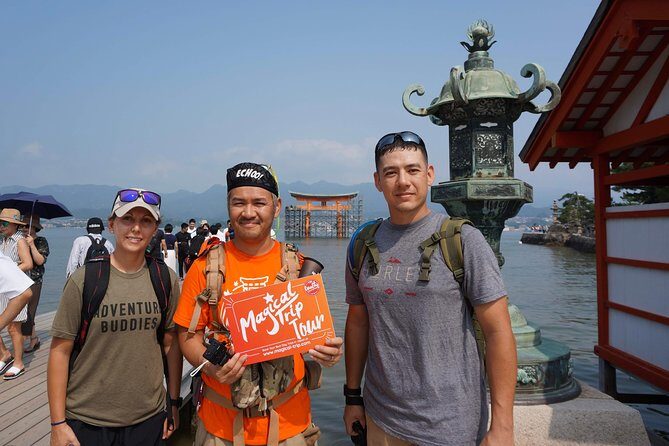
- Max 6 people keeps it more like a guided walk with a friend than a cattle line.
- Ōtorii at Itsukushima is the star photo—sometimes low-tide conditions even make it feel closer.
- Itsukushima Shrine’s Heian-period story gives meaning to the architecture instead of just looking at it.
- Daishō-in Temple adds Buddhist context plus statues, but expect stairs.
- Momijidani Park + Senjokaku are shorter stops that still hit major visual and cultural notes.
- Food is built in: oyster lunch first, then more bites on Omotesando.
Why this Miyajima half-day feels different from DIY
Miyajima is one of those places where you can absolutely go on your own—but you end up doing the same loop tourists do, and you miss why the island matters. This tour is built for flow: ferry over, coastal walking, shrine and temple focus, then a food break that doesn’t feel tacked on.
With a group capped at six, you also get something quietly important: your guide can slow down for questions, correct for timing, and help with photos without everyone crowding the same spot at once. If you’ve ever tried to photograph the famous Ōtorii while other people hover in your frame, you’ll appreciate the smarter pacing.
And while Miyajima is scenic, this experience leans cultural. You’re not just collecting postcard views—you’re learning what you’re looking at, including the Buddhist ideas behind the stops and how the island’s sacred sites connect.
Other Miyajima Island tours in Hiroshima

Ferry views and the first Ōtorii moment
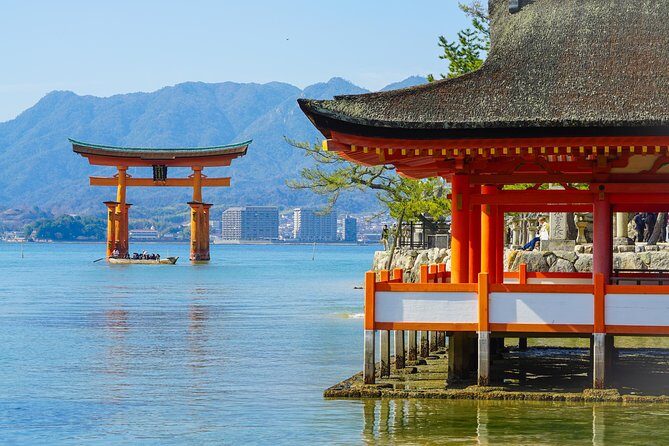
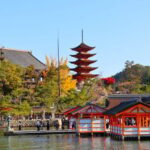
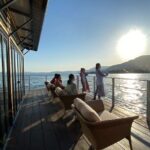
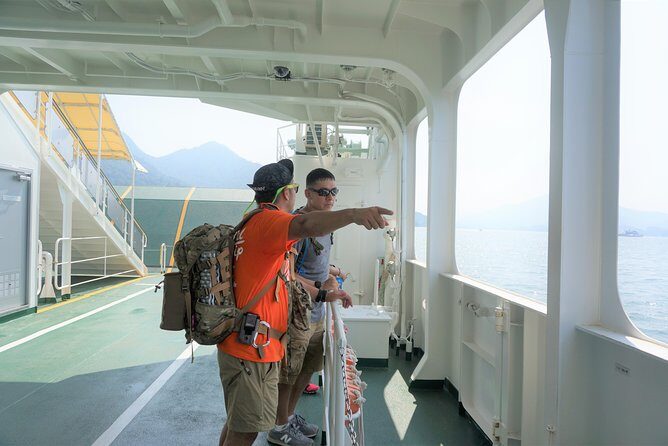
The tour starts in Miyajimaguchi, then you board a ferry to the island. That boat ride is more than transport. The Seto Inland Sea views put everything in context, and the famous Ōtorii shows up as Miyajima’s symbol almost immediately.
This is one of the smartest parts of the day because you’re not standing around waiting for the “main event.” You arrive on the island already warmed up by the water views and the first glimpse of what you came to see.
Practical tip: the island mood changes fast with weather. On grey or rainy days, the scene can feel calmer, but you should pack for comfort (light rain layer, breathable layers). One reason I like this format is that the walking route keeps moving even when conditions aren’t perfect.
Also keep your camera ready, because this is exactly the kind of place where you’ll want multiple shots: a wide view, a close one, and something framed with the shoreline.
Strolling from the coast to Itsukushima Shrine
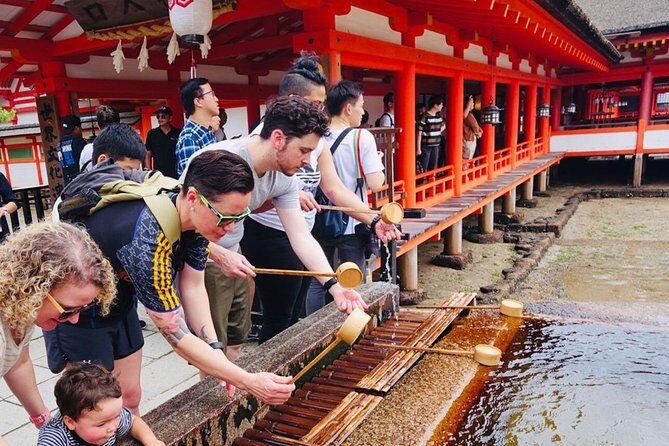
After landing, you walk along the coast toward the Ōtorii Gate and then up to Itsukushima Shrine. This section matters because it’s where the island’s shape starts to make sense. You’re learning how the shrine sits in relation to tides and sea air—so when you finally stand in front of it, you’re not just seeing a structure. You understand why it looks the way it looks.
The It’sukushima story here is specific: the shrine’s distinctive architecture dates to the Heian period (794–1192). And the guide’s explanations connect that design to the reality of coastal living, including the way structures endure the rhythm of tides.
I like this approach because it turns your photos into evidence, not just decoration. You’ll know what should be impressive, instead of guessing.
Inside Itsukushima: more than a photo backdrop
Itsukushima Shrine is the big one, and the tour makes sure you actually get time for it rather than a rushed “quick look.” You spend a full hour here, with a picture-friendly setup as you orient yourself to the grounds and shrine elements.
The standout value is the interpretation. The architecture isn’t just scenic; it’s part of a spiritual setting that has been maintained through centuries. When a guide points out details tied to tide patterns and survival, you start noticing features you would normally miss at tourist speed.
If you’re lucky with timing, you may also experience the kind of closeness people talk about when tides are low—one visitor described getting a rare view that felt close enough to touch the weathered surface. You shouldn’t count on that every day, but it’s a real possibility depending on conditions.
Either way, treat this hour as your “slow down” part of the walk. Stand where the guide suggests, take a couple calm shots, and then listen for the parts you can’t photograph.
Daishō-in Temple: Buddhist statues and stair stamina
Then you shift from shrine atmosphere to temple focus at Daishō-in Temple. This stop is shorter—about 30 minutes—but it’s packed with meaning, especially if you enjoy understanding Buddhist symbolism.
You’ll get an explanation of Buddhism and see statues up close. Daishō-in is described as the main temple of the Omuro school of Shingon Buddhism on Miyajima-cho. That helps you connect the physical place to the religious tradition behind it.
The one heads-up: this temple area is famous for stairs. Even if your legs are fine, you’ll likely feel it in your calves by the time you’re done. Wear shoes you trust. And if you want fewer stops for photos during the stairs, tell your guide early—most good guides will adjust the pace.
Why this works on a half-day tour: you get a strong contrast. Shrines give you the coastal sacred drama. Temples give you the inland spiritual depth and the human-scale closeness of statues.
Other Hiroshima walking tours in Hiroshima
Momijidani Park and Senjokaku: quick stops that land
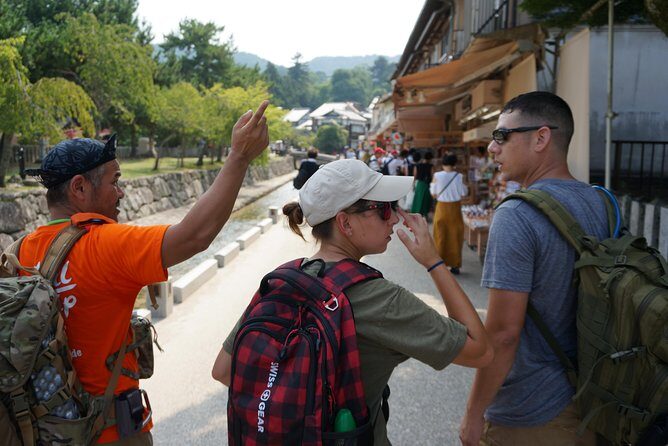
Next come two shorter photo-and-explanation segments.
At Momijidani Park, you get a dedicated window (about 30 minutes) mainly for pictures. This is useful because it gives you breathing room between the larger spiritual sites. It’s also a chance to step back, reset your legs, and enjoy the island atmosphere without feeling rushed.
Then you move to Senjokaku. Here, the guide explains the visit, and the site’s identity matters: Senjokaku is the common name for the main hall of Itsukushima Shrine’s terminal shrine, linked with Toyokuni Shrine. In other words, this isn’t just another building—it’s part of how Itsukushima’s religious system is structured.
Even in a short time, this stop adds layers. You start seeing the island as a connected sacred map, not a set of separate stops.
Miyajima Omotesando: where the day turns into food
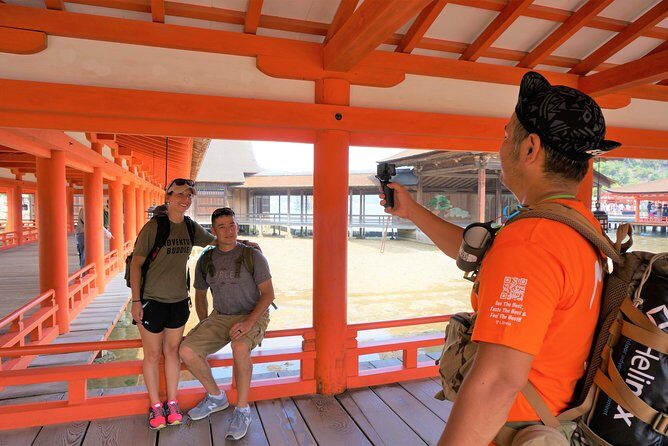
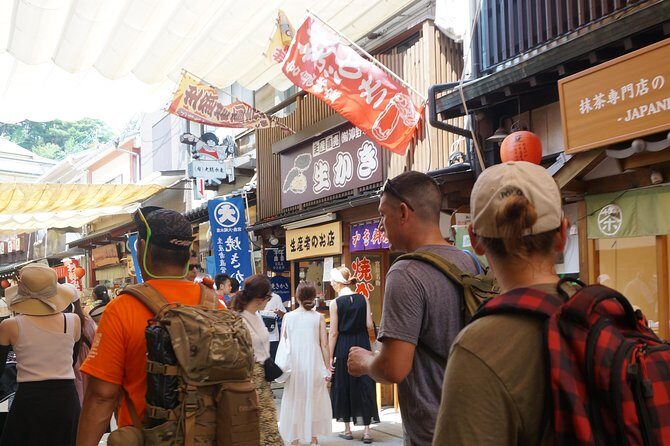
By the time you reach Miyajima Omotesando Shopping Street, you’ll be ready for real breaks. You get about an hour here, and the street is lined with souvenir shops plus food stalls.
This is where you’ll likely see the island’s signature flavors again—grilled oysters and other local treats. Since the tour includes lunch earlier, this part is less about a full meal and more about tasting at your pace.
Practical approach for value: treat the lunch as your main fuel, then use Omotesando for small, high-reward bites. That keeps your budget sane and avoids the classic problem of over-ordering when you’re hungry and excited.
If you’re tempted by souvenirs, set a spending cap before you arrive. The street makes it easy to drift from snack time into shopping time.
Lunch that justifies the tour price
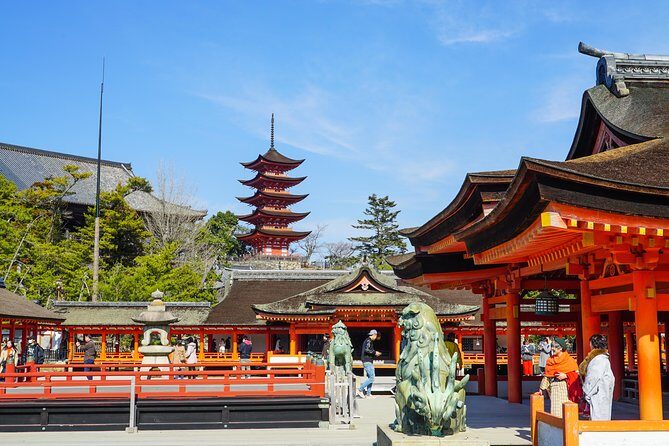
Let’s talk money—because $109.43 is not cheap for a half-day unless you’re clear on what you’re getting.
Your price covers:
- A certified guide by MagicalTrip
- Entrance fees to shrines, temples, and a museum on the route
- Tour photos
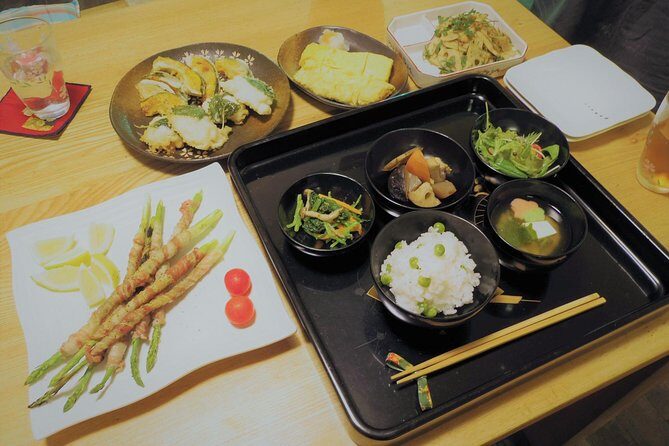
- A Hiroshima local lunch (oysters—fresh or grilled—and momiji dumplings)
The ferry is extra (500 yen round-trip), so add that to your mental math. But even with that, the value stays strong because you’re buying time, guidance, and included food.
If you’re doing DIY, you would still pay for ferry, potentially entrance costs, and you’d spend your own time figuring out the best sequence. Here, the sequence is the product. You’re paying to avoid the wasted moments of rerouting and to get cultural context while you’re walking.
Also, lunch timing helps your energy. You’re not trying to solve where to eat while carrying bags, chasing crowds, and timing ferries.
Dietary notes you should take seriously
The lunch can work for some dietary needs, but with limits. Vegetarian and vegan options exist but are limited. Gluten-free lunch is not available. Allergy-free meals can’t be guaranteed, since food prep happens in kitchens not controlled by the tour operator.
If you have dietary requirements, tell them at least one day before. Requests made on the tour day can’t be accommodated.
If you need strict allergy safety or gluten-free, plan on eating outside the included lunch rather than trusting substitutions.
The pace, the weather, and why comfort matters
This is a walking tour, so comfort is part of the planning. Even though it’s half-day, you’ll be on your feet for hours, and the temple stop is notably stair-heavy.
Japan’s weather changes how hard the day feels. Summer can hit extreme heat and humidity. Bring water and a hat. In winter, expect cold snaps down around -5°C, so layer up and don’t rely on just one warm item.
One more practical angle: rain won’t cancel the experience. You should still pack for it. A small umbrella or light rain jacket keeps you moving without feeling miserable.
And yes, you may also see deer on the island. Treat that as an extra photo opportunity—just keep your footing when the animals wander close.
Guides: the real reason people rave, and why that matters
What consistently makes this tour worth it isn’t just the sights. It’s how the guide connects them.
In guide-led moments, you’ll notice:
- Clear explanations that make the shrine and temple architecture click
- Help with photos, including where to stand
- A flexible approach when conditions change (rainy day accounts include a smooth plan)
Guide names vary by date—people have shared experiences with guides such as Mariko, Hiro, Yuji, Kaori, Eri, Hika, Shun, Meri, and Tommy. The useful takeaway isn’t who your guide is, but the standard they seem to bring: friendly, professional, and focused on getting you to the right places without confusion.
If you like to travel with structure but still want human conversation, this style fits well.
Who should book this Miyajima walking tour
Book it if:
- You’re visiting Miyajima for the first time and want a smart route
- You care about shrine and temple meaning, not just photos
- You want an included lunch with local flavors
- You prefer small groups (max 6) so the guide can manage pace and questions
Consider skipping or swapping it for a different plan if:
- You need guaranteed allergy-safe or gluten-free food
- You struggle with stairs or long walking (temple areas can be steep)
- You’re the type who enjoys figuring routes on your own and moving at your own pace for hours
Should you book? My decision checklist
Say yes if you want a half-day plan that covers the essentials—Ōtorii, Itsukushima, Daishō-in, Senjokaku—and you like the idea of paying once for guide, entrance fees, lunch, and photo support. For most first-timers, this saves both stress and time.
Pause before booking if food needs are strict (gluten-free or severe allergies), or if you’re going in peak heat and know you won’t enjoy stair-heavy walking. In those cases, you can still enjoy Miyajima—but this specific value model depends on the included lunch and your ability to keep walking.
FAQ
How long is the Miyajima half-day walking tour?
It runs for about 5 hours 30 minutes.
How many people are in each group?
The tour is limited to a maximum of 6 travelers.
Is the ferry to Miyajima included in the price?
No. The ferry fee is 500 yen round-trip.
What lunch is included during the tour?
The tour includes a Hiroshima local lunch with fresh or grilled oysters and momiji dumplings.
Are entrance fees included?
Yes. Entrance fees to shrines, temples, and the museum on the tour are included.
Can the lunch accommodate vegetarian or vegan diets?
Vegetarian and vegan lunch options are available but limited. You should inform them at least one day before the tour.
Is a gluten-free lunch available?
No. Gluten-free lunch is not available.
What should I do if I have allergies?
Allergy-free meals can’t be guaranteed. Food is prepared in kitchens that do not belong to MagicalTrip, and requests made on the day can’t be accommodated.
Where do I meet the guide?
You meet at 1-chōme-3-26 Miyajimaguchi, Hatsukaichi, Hiroshima 739-0411, Japan, and the tour ends back at the same meeting point.
Can I cancel for a full refund?
Yes. You can cancel up to 24 hours in advance for a full refund.