REVIEW · HIROSHIMA
Hiroshima and Miyajima 1 Day Walking Tour
Book on Viator →Operated by H.I.S.Co., Ltd. · Bookable on Viator
Two worlds in one day: water and peace. This Hiroshima and Miyajima 1 Day Walking Tour strings together island beauty and sobering memorial sites with an English-speaking guide who explains what you’re seeing and why it matters—often with personal stories like Aya, Joe, and Miyuki shared in their groups. You’ll also get the smooth logistics of local transit and a round-trip ferry, so you can focus on the sights.
I especially liked two things: the chance to visit Itsukushima Shrine on Miyajima (including admission) and then shift gears to Hiroshima’s Peace area, including the Peace Memorial Park and the Peace Memorial Museum (with museum admission included). A possible drawback to plan around: this is a walking tour, and some routes include stairs, so it’s smart to think about your comfort level.
In This Review
- Key Points You’ll Care About
- How This 8-Hour Walking Day Feels in Real Life
- Getting to Miyajima: Ferry Ride Energy and Easy Transit
- Miyajima’s Torii Views: The Island Start That Sets the Tone
- Inside Itsukushima Shrine: Why This World Heritage Stop Matters
- Hiroshima’s Atomic Bomb Dome Area: A Fast Stop With Big Weight
- Peace Memorial Park: Where You’ll Understand the City’s Promise
- Peace Memorial Museum: Tange Kenzo’s Design and Museum Admission
- The Real Value: Why the Price Can Make Sense
- Customizing on the Day: How Flexible Is This Tour?
- Who This Tour Fits Best (and Who Might Prefer Something Else)
- Practical Tips to Get the Most From Your Day
- Booking Advice: Should You Book This Tour?
- FAQ
- How long is the Hiroshima and Miyajima 1 Day Walking Tour?
- What’s included in the price?
- Is lunch included?
- Is this tour private?
- What if the weather is bad?
- Can I change or cancel after booking?
Key Points You’ll Care About
- Miyajima’s ferry-to-shrine flow: round-trip ferry from Hiroshima plus a guided island walk
- World Heritage focus: Itsukushima Shrine and Hiroshima’s Peace Memorial sites in one day
- A guide who puts meaning on the facts: English interpretation plus context that goes beyond signs
- Time for both reflection and sights: park + museum, then the island atmosphere
- You can tweak the day: your guide can help adjust your schedule, within reason
How This 8-Hour Walking Day Feels in Real Life
This tour is built for people who want a guided route through Hiroshima and Miyajima without spending the whole day figuring out trains, ferries, and entrances. Expect an around-8-hour schedule with breaks between major stops, and a pace that works best if you’re comfortable walking and climbing some stairs.
I like that the day mixes two very different moods. Miyajima gives you salt-air views and classic shrine scenery, while Hiroshima’s Peace area brings weight and context. If you’re the kind of traveler who hates “checklist tourism,” this setup usually lands well because the guide ties the places together.
One more practical note: lunch is not included. That means you’ll want to plan to buy your own meal on the day, and your guide can help you find options that fit the timing and your preferences.
Other Miyajima Island tours in Hiroshima
Getting to Miyajima: Ferry Ride Energy and Easy Transit
Your day starts with movement. You’ll use local transit around Hiroshima and then take the round-trip ferry to Miyajima. The ferry part matters more than you might think, because it’s a natural transition: you leave the city behind and head toward an island that feels like its own world.
The tour includes local train and local bus fees in Hiroshima city, which helps you avoid the annoying add-on costs that pop up when you’re routing yourself. It also means you don’t have to guess which stop is best for your first time in Hiroshima.
Most groups go with the flow, but if you’re picky about timing—like you want specific photo moments at particular times—this is where the guide’s flexibility helps. Many guides can adjust the order a bit as long as you still hit the core sites.
Miyajima’s Torii Views: The Island Start That Sets the Tone
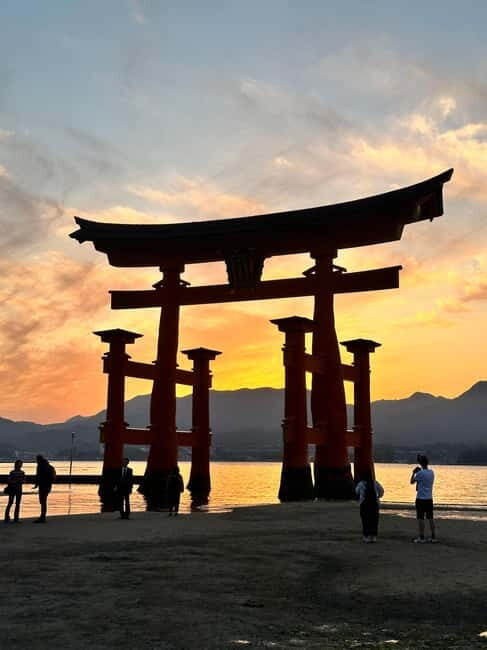
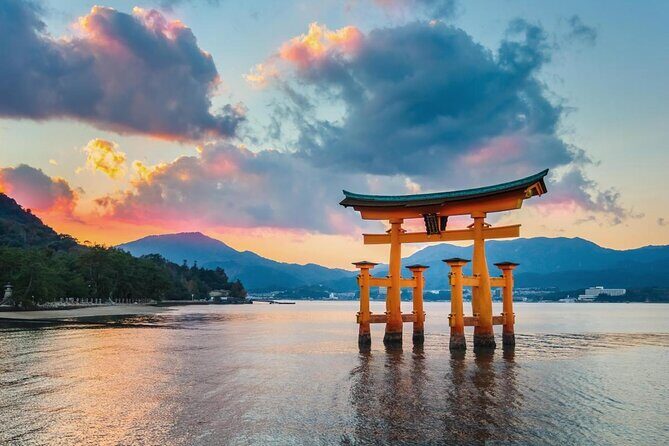
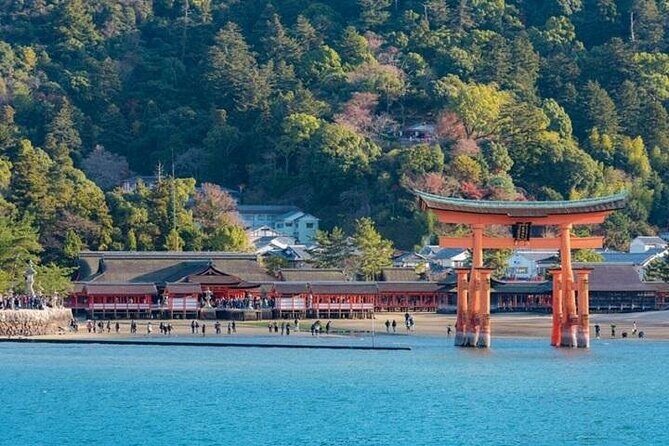
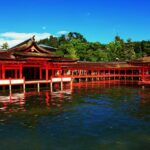
Miyajima is compact—less than an hour from Hiroshima—and famous for its giant torii gate that appears to float at high tide. Even if you’ve seen photos already, standing near the water makes it feel more real. It’s one of those scenes that works whether you’re a serious photographer or just a “wow” person.
You’ll spend about 1 hour 30 minutes at the Miyajima stop. That sounds short, but for a first visit it’s enough to take in the main sights, get a few photos, and still keep enough energy for the next segments of the day.
What to watch for: tide and crowds. The torii’s look changes with the water level, and popular areas can get busy. Your guide can help you aim for the best experience within the time you have—especially if you care more about photos than shopping.
Inside Itsukushima Shrine: Why This World Heritage Stop Matters
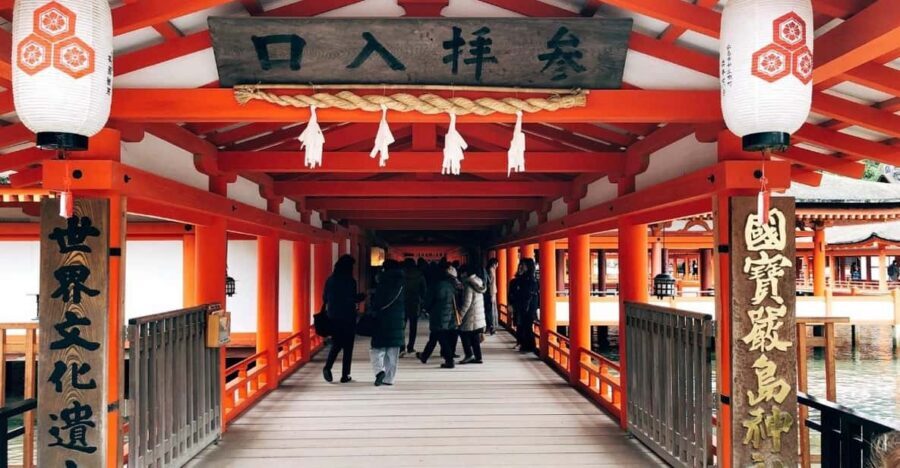
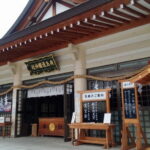
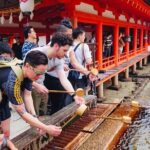
Next comes Itsukushima Shrine on Miyajima, and the admission is included. This is the core reason people make the trip: the centuries-old shrine is tied to the island’s name and reputation, and the design is meant to be seen in relation to the sea.
You’ll have about 1 hour here. In that time, you can do the basics well: understand what you’re looking at, walk around the key areas, and take in the surroundings without feeling rushed.
This is also where a guide really earns their fee. The shrine is visually striking, but it gets more memorable when someone explains the purpose of the site and the details you’d otherwise miss. In past groups, guides like Aya and Miyuki were praised for bringing history and personal connection into the explanation. That kind of context changes the tone from scenery to meaning.
If you’re wondering what to wear: plan for walking shoes. You’re on an island, and surfaces can be uneven. Also keep in mind weather—Miyajima can feel slippery or windy when conditions change.
Hiroshima’s Atomic Bomb Dome Area: A Fast Stop With Big Weight
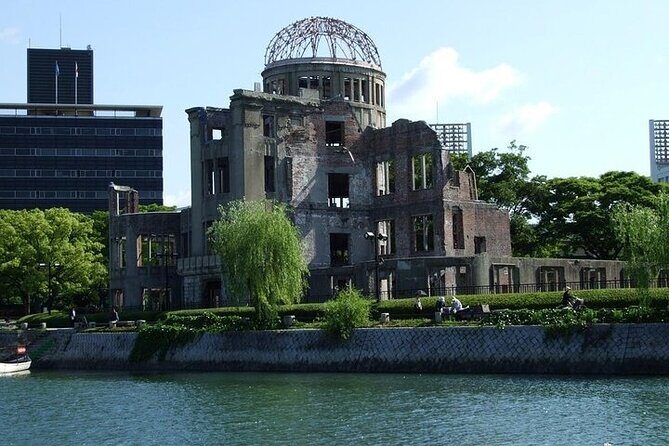
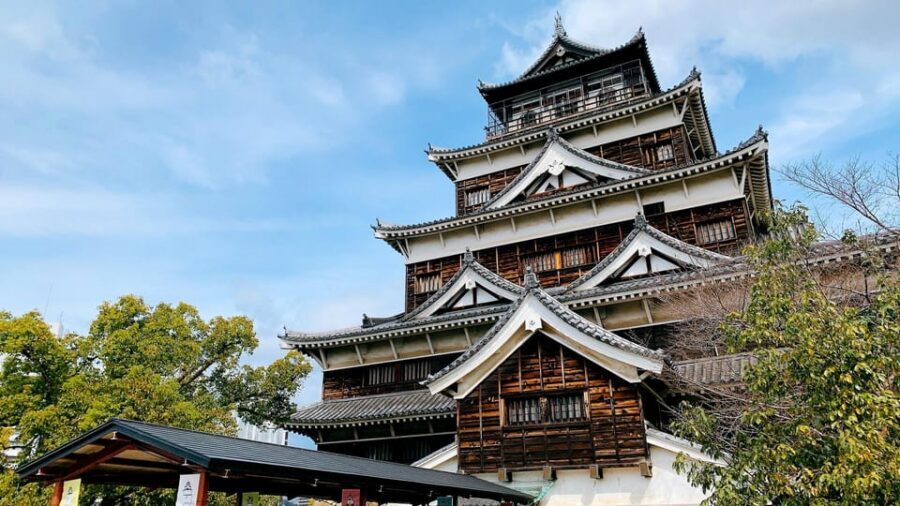
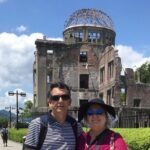
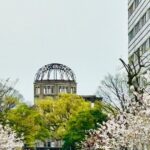
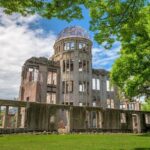
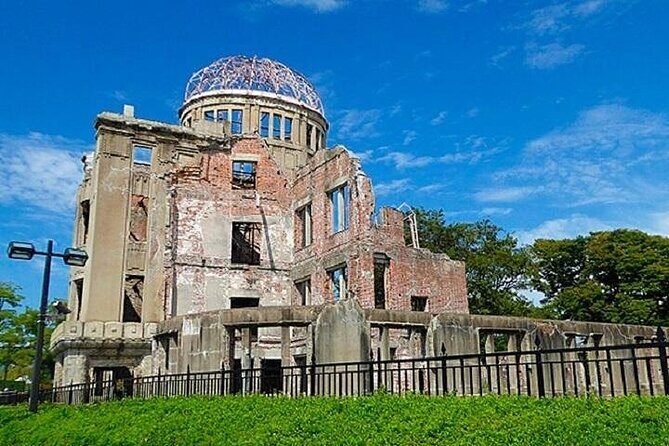
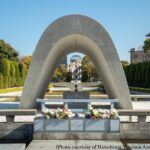
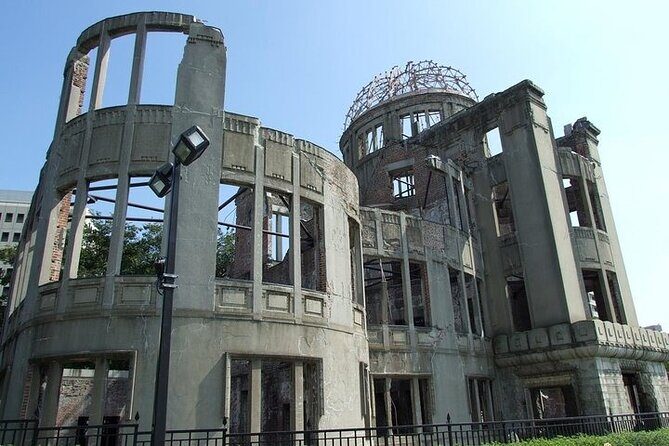
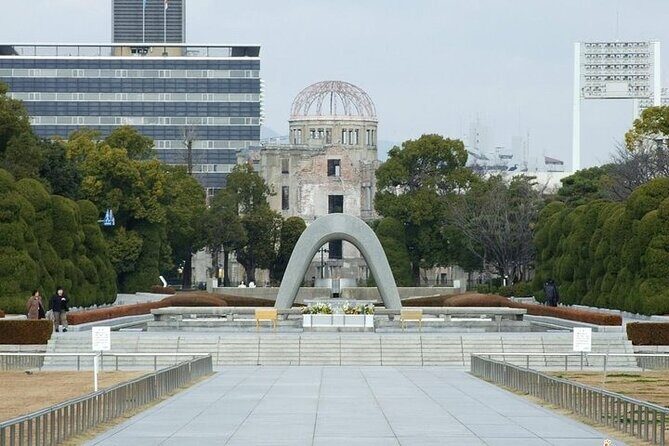
From Miyajima, you’ll head back to Hiroshima for the Peace sites. One of the stops is the Atomic Bomb Dome, described as a symbol of Hiroshima and a focus for prayers for world peace. The dome is tied directly to the event of August 6, 1945, when the first atomic bomb in human history was dropped on Hiroshima.
Time here is about 30 minutes, and that short window has a purpose: it keeps the day moving so you don’t miss the larger memorial areas that follow. You’ll be close to an emotionally heavy place, and having a guide helps you process what you see without turning it into a blur.
A practical consideration: you’ll likely want a few extra minutes if you’re the type who reads memorial plaques carefully. The tour gives you a set amount of time, so don’t count on wandering endlessly unless your guide adjusts your schedule.
Other Hiroshima and Miyajima combo tours in Hiroshima
Peace Memorial Park: Where You’ll Understand the City’s Promise
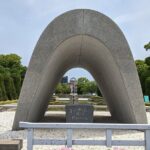
Next up is Hiroshima Peace Memorial Park, with about 1 hour allotted. The park spans over 120,000 square meters, so even though it’s one area, you’re not “just visiting one spot.” You’ll see the space as a whole: a designed environment for remembrance and peace.
Even people who weren’t planning to focus on history often find themselves slowing down. That’s the power of layout and scale. It’s hard to stay in “tour mode” here, even if you normally would.
What I like about having a guide in this segment is the pacing. Without help, it’s easy to zigzag and miss connections between monuments and the overall message. With a guide, you can walk with purpose—seeing the main points and understanding what each area is meant to communicate.
Peace Memorial Museum: Tange Kenzo’s Design and Museum Admission
The final major stop is the Hiroshima Peace Memorial Museum, with about 1 hour allotted and admission included. The museum opened in 1955, and it was designed by architect Tange Kenzo. That design detail is worth remembering because it signals the museum’s intent: this isn’t a casual display. It’s structured to make you face the reality of what happened.
This is the part many people find most moving. Several guides in this tour’s history were praised for turning the material into something you can grasp: Joe-san’s passion for history, and others being described as making the museum and park feel connected rather than separate.
A balanced way to handle a museum like this: don’t rush your reading. Spend your time on the sections that match your questions. If you’re interested in the broader timeline, focus there. If you want to understand daily life and aftermath, look for those threads. An hour is enough if you’re intentional.
Also, plan your energy. This is emotionally demanding. Pair it with moments of calm—like a short pause in the park—so you don’t feel wiped out.
The Real Value: Why the Price Can Make Sense
At $143.99 per person for an approximately 8-hour private experience, you’re paying for more than transport. You’re paying for interpretation—especially in Hiroshima, where the meaning of each site can get lost if you only rely on signage.
You’re also getting practical inclusions that add up:
- Round-trip ferry to Miyajima
- English-speaking guide
- Local train and bus fees in Hiroshima city
- Shrine and museum admissions included
Even if you plan to travel independently, you’d still pay for the ferry, transit, and entry tickets. The guide’s biggest value is how the day connects: Miyajima’s atmosphere, then Hiroshima’s Peace message, without you having to build the whole story yourself.
One more value lever: this is private, meaning it’s only your group. That matters for families, couples, and small friend groups who don’t want to share a timeline with strangers. Reviews often highlighted how guides tailored the pace for different needs and helped with priorities.
Customizing on the Day: How Flexible Is This Tour?
This tour is built to be adaptable. You can customize as you like, and if you want to change the schedule even on the tour day, your guide will help. If you decide to skip a spot you’re not going to visit, you can do that, though there’s no refund for skipped fees.
You can also add new spots by request, but you’ll likely pay ticket fees on the spot and there may be extra transportation costs. So think of customization as “within the day” rather than a full rewrite of the itinerary.
In practical terms, this means:
- If you want more time for photos on Miyajima, ask early.
- If you want to spend longer reading at the museum, mention it before you reach the Peace Memorial areas.
- If your group includes different energy levels (for example, elderly friends mentioned in one account), tell your guide at the start.
Who This Tour Fits Best (and Who Might Prefer Something Else)
This works best for you if:
- you want first-time-friendly navigation of Miyajima and Hiroshima’s Peace sites
- you prefer an English-speaking guide for context and history
- you want a day that balances beauty and remembrance
- you’d rather pay for a structured route than spend your time routing yourself
It might be less ideal if:
- you strongly dislike walking and stairs (some routes do have them)
- you prefer a completely self-paced visit with no guide structure
- you want lunch included in the price
If you’re traveling with mixed interests—like someone who wants shrine views and someone else who wants memorial depth—this tour’s structure is a good compromise.
Practical Tips to Get the Most From Your Day
A good day here comes down to small choices you make before you get tired.
1) Wear comfortable shoes. You’ll be on foot and likely on stairs at points.
2) Bring a light layer. Even in pleasant seasons, island wind and museum heat/cold swings can surprise you.
3) Plan for lunch on your own. The guide can recommend options, but you’re responsible for the meal cost.
4) Bring your questions. If you wonder why certain memorial choices exist, ask your guide as you walk. It keeps you engaged and helps you focus your time in the museum.
Booking Advice: Should You Book This Tour?
If you’re doing Hiroshima and Miyajima in a single day, I think this tour is a smart way to avoid logistics stress while still getting meaningful context at the places that matter. The best part is the pairing: Miyajima’s shrine setting gives you the cultural and scenic side, then Hiroshima brings the heavy message of peace.
I’d book it if you value guidance in English, want admissions and ferry handled for you, and are comfortable with walking. I’d hesitate only if stairs and walking fatigue are a big concern, or if you’re the kind of visitor who wants a long, slow museum read with no time limits.
FAQ
How long is the Hiroshima and Miyajima 1 Day Walking Tour?
The tour runs about 8 hours.
What’s included in the price?
It includes an English-speaking guide, local train and local bus fees in Hiroshima city, round-trip ferry from Hiroshima to Miyajima, and admission for Itsukushima Shrine and the Hiroshima Peace Memorial Museum.
Is lunch included?
No. Lunch is not included.
Is this tour private?
Yes. Only your group participates.
What if the weather is bad?
This experience requires good weather. If it’s canceled due to poor weather, you’ll be offered a different date or a full refund.
Can I change or cancel after booking?
This experience is non-refundable and cannot be changed for any reason.