REVIEW · HIROSHIMA
Hiroshima: 1-Day Hiroshima and Miyajima Tour
Book on GetYourGuide →Operated by Machinovate Japan Ltd. · Bookable on GetYourGuide
History hits hard in Hiroshima. This one-day tour strings together Hiroshima’s most moving memorial stops with Miyajima Island’s famous shrine and temple sights, all in a tight walking-and-transit schedule. I especially like how it builds context step by step—from Shukkei-en and the castle ruins to the Peace Memorial Park’s main monuments—and then pivots to Shinto and Buddhist architecture on Miyajima. The other win is the guidance quality: the tour is led by an English-speaking guide who explains both the big events and the on-site details, and I’ve seen praise for guides like Isabella for being organized and strong on Japanese culture. One thing to plan around: the day is busy, and the Peace Memorial Museum portion can feel short, so if you want maximum time in the museum galleries, you may feel slightly rushed.
Key idea: you’re not just checking boxes. You’re walking through places that explain how people live with tragedy, memory, and faith—then ending with Miyajima’s iconic sea view structures. A possible drawback is that the tour involves significant walking and includes a ferry, train ride, and multiple transfers, so it may not be comfortable if you’re tired easily or if mobility is an issue.
In This Review
- Key Points You’ll Actually Care About
- Meeting Hiroshima Station and Getting Oriented Fast
- Shukkei-en Garden: Edo Photo Spots and “Miniaturized” Scenery
- Hiroshima Castle Ruins: Tower Views and Local Meaning
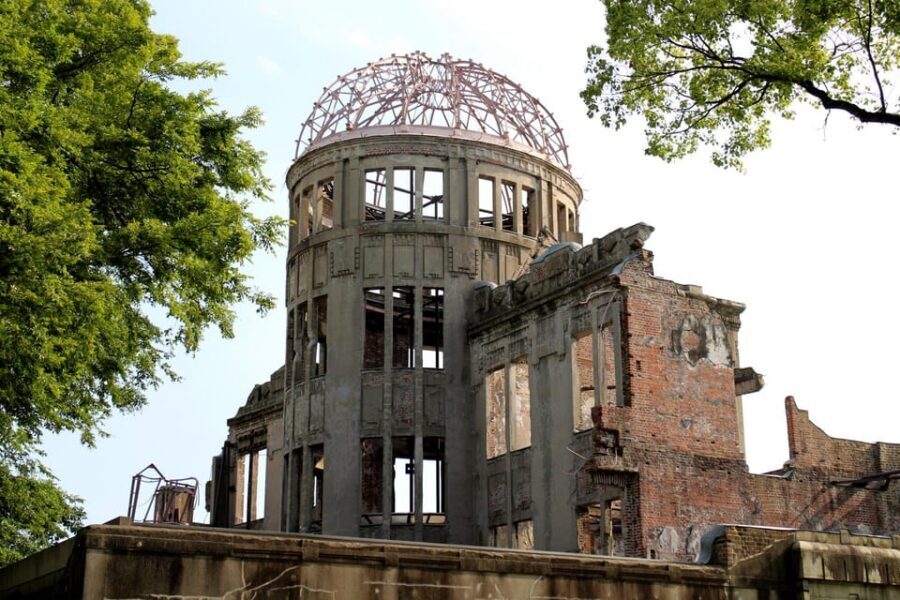
- Hiroshima Peace Memorial Park: Atomic Bomb Dome, Flame of Peace, and the Museum
- Ferry to Miyajima and Using the Omotesando Break Well
- Senjokaku Pavilion: The Unfinished Shrine That Draws Your Eye
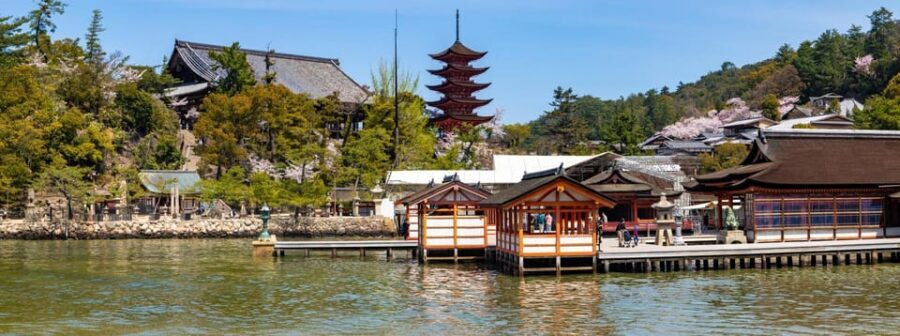
- Itsukushima Shrine and the O-torii Gate Views
- Daisho-in Temple: 88 Statues, Golden Lantern Light, and Daishi Hall
- Price and Logistics: Is $170 Worth the Trade-Off?
- Who This Tour Suits Best (and Who Should Skip It)
- Should You Book This Hiroshima and Miyajima Day?
- FAQ
- Where is the meeting point in Hiroshima Station?
- What does the tour include for transportation?
- Is lunch included?
- What are the main sights in Hiroshima?
- What memorial stops are included in the Peace Memorial Park area?
- How much time do you have on Miyajima before the guided tour?
- What Miyajima religious sites does the tour cover?
- How physically demanding is this tour?
Key Points You’ll Actually Care About
- Meeting at Hiroshima Station (Shinkansen gates area): look for the Tourist Information sign and a guide holding a Snow Monkey Resorts tour sign.
- Shukkei-en’s Edo-period design: you’ll learn the “miniaturized” approach and get photo-stop time at tea houses, bridges, and hills.
- Peace Park alignment moments: you stop at monuments including the Children’s Peace Monument and Cenotaph, with the Flame of Peace and Atomic Bomb Dome in view.
- Ferry time to Miyajima plus a lunch buffer: the ferry ride is about 45 minutes, and you get around two hours of free time on Omotesando Shopping Street.
- Senjokaku’s unfinished construction: an unusual shrine complex that’s still not completed—worth slowing down for.
- Daisho-in’s 88 statues and golden lantern lighting: Daishi Hall plus the Shikoku pilgrimage set creates strong visual impact.
Meeting Hiroshima Station and Getting Oriented Fast
Your day starts at Hiroshima Station, under the Tourist Information sign outside the Shinkansen gates. If you come out of the Shinkansen area, the sign is to your left as you exit the gates. From other JR entrances, follow signs toward the Shinkansen gates, then meet your guide holding a SNOW MONKEY RESORTS tour sign.
This is one of the reasons the tour works: you’re not left wandering. The route is built around getting you from Hiroshima Station to key sites in an efficient order—garden, castle ruins, Peace Memorial Park, then the ferry to Miyajima, and finally back by ferry and train.
If you arrive early (and you should), coin lockers are available at Hiroshima Station. That’s handy because you’ll likely want your hands free for photos and souvenirs once you’re out and walking.
Other Miyajima Island tours in Hiroshima
Shukkei-en Garden: Edo Photo Spots and “Miniaturized” Scenery
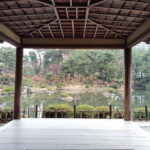
After meeting up, you head to Shukkei-en Garden. This is where the tone shifts from transit-life into old Japan. You’ll admire tea houses, bridges, and the garden’s hills, while your guide points out the best photo spots along the way.
Shukkei-en’s appeal goes beyond pretty views. Your guide explains how it was constructed during the Edo period and why it’s described as a “miniaturized” scenic concept—basically, a smaller space designed to suggest broader nature. You’ll also hear about restorations over the past 400 years, which helps you see the garden as something living and maintained, not just a frozen postcard.
A practical tip: wear shoes with grip. Garden paths aren’t usually dramatic, but you’ll be on your feet for a while, and later parts of the day ramp up walking again.
Hiroshima Castle Ruins: Tower Views and Local Meaning
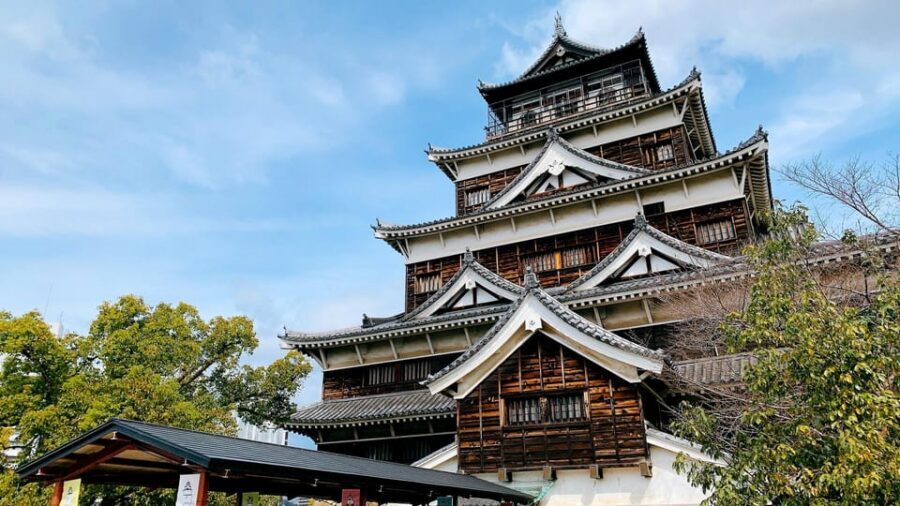
Next is a walk to the Hiroshima Castle Ruins, where you learn the main locations within the ruins and what each area was for. The stop is built around historical context: purpose, significance, and how the site fit into the city’s story.
You’ll visit highlights such as the Castle Tower, the Ninomaru enclosure, and the Hiroshima Gokoku Shrine. Even if you’re not a “castle person,” this segment helps you understand Hiroshima as a city with layers before the 1945 events—and after.
The value here is that you’re getting groundwork before you reach the Peace Memorial Park. It makes the later stops hit harder in a thoughtful way, because you know this was a real place with real life, not only a symbol.
Hiroshima Peace Memorial Park: Atomic Bomb Dome, Flame of Peace, and the Museum
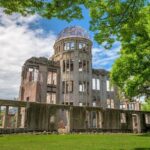
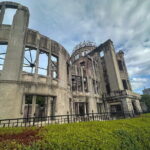
This is the heart of the day: Hiroshima Peace Memorial Park and the surrounding memorials. You’ll first visit the Atomic Bomb Dome, then your guide sets the World War II context—especially the events leading up to the bombing.
From there, the tour turns to remembrance with key stops:
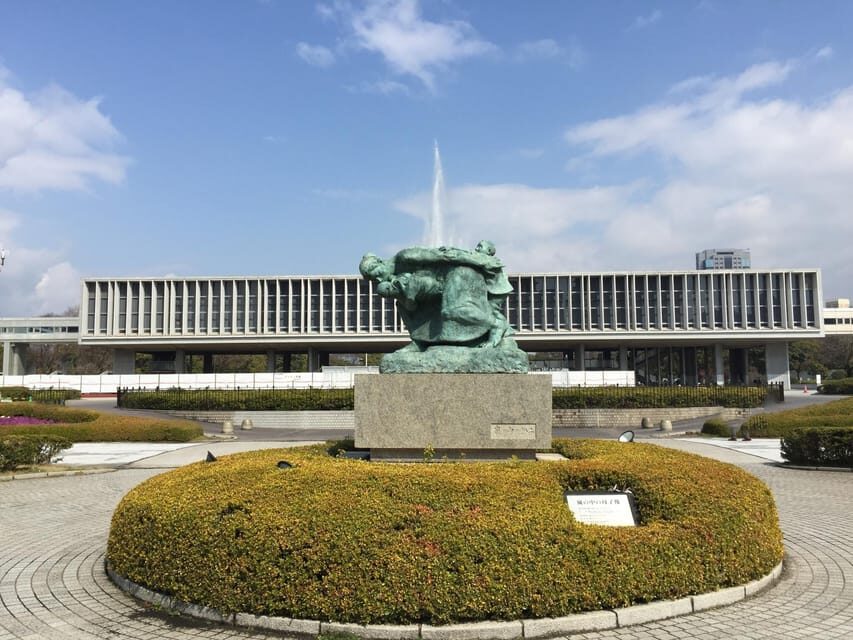
- Children’s Peace Monument, where you learn the story of Sadako Sasaki and other children who died as a result of the atomic bombing.
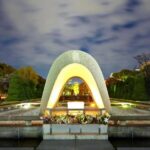
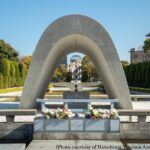
- The Cenotaph for the Victims of the Atomic Bomb, which includes a registry of names.
- A reflective viewing area where you stand in front of monuments to see the Flame of Peace and the Atomic Bomb Dome in alignment.
That alignment moment matters because it’s not just “look at a building.” It’s visualizing how the memorials were arranged for perspective and focus. Your guide’s explanation helps you understand why the positioning is intentional and how it shapes the experience.
Then you move to the Peace Memorial Museum. The museum shows exhibits that walk you through August 6, the hardship that followed, and the city’s reconstruction, including personal belongings left behind by victims.
Here’s the main consideration: the museum stop can feel shorter and more rushed than you might hope for. If you like reading every caption and taking your time, plan to be okay with a highlights approach. In my view, that’s not a dealbreaker, but it is a reality: this tour is designed to include Miyajima too, so you’re trading depth for breadth.
Ferry to Miyajima and Using the Omotesando Break Well
After the Peace Park, you head to the pier near the museum and board the ferry to Miyajima. The ride is about 45 minutes, and your guide points out relevant spots along the way. This is a nice reset moment in the day because the pace changes from memorial walking to island arrival.
Once you land at the Miyajima pier, you walk toward Omotesando Shopping Street. This is where you get about two hours of free time—enough for lunch, snack hopping, and souvenir shopping without feeling like you’re on a timer every minute.
I like this structure because it’s genuinely flexible. If you want something casual, you can keep moving and snack; if you want a proper lunch, you can slow down. Just remember you’ll still have guided time after this, and the later shrine and temple areas involve stairs and walking.
If weather changes, don’t underestimate it here. Bring a hat, sunscreen, and a reusable water bottle if you have one. You’ll be out in open areas at multiple points.
Other Hiroshima and Miyajima combo tours in Hiroshima
Senjokaku Pavilion: The Unfinished Shrine That Draws Your Eye
Your guided Miyajima portion begins with Senjokaku Pavilion. It’s described as a shrine whose construction was never completed, and you’ll still see it that way today. That unfinished status is part of the experience, not a flaw.
Your guide explains the shrine’s history and the elements you can see on-site. The result is that you’re not just looking at architecture; you’re learning what its incomplete nature meant, and how visitors interpret it. Even if you’re not religious, you’ll probably find yourself thinking about time—how projects, intentions, and history can leave visible marks.
This stop is also a good moment to breathe. You’re moving from memorial heaviness into island spirituality, and Senjokaku is one of the clearer “why Miyajima is special” introductions.
Itsukushima Shrine and the O-torii Gate Views
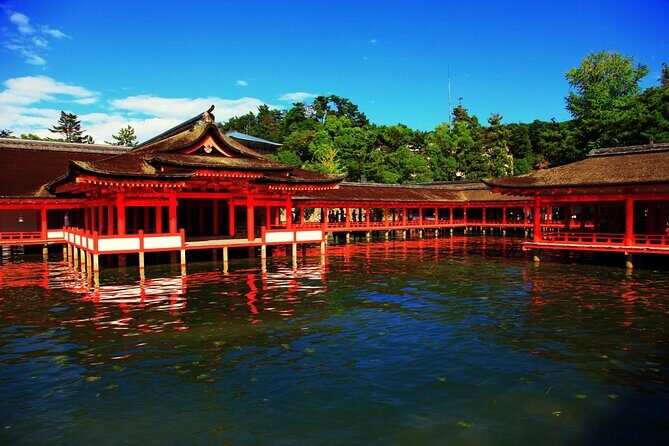
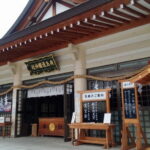
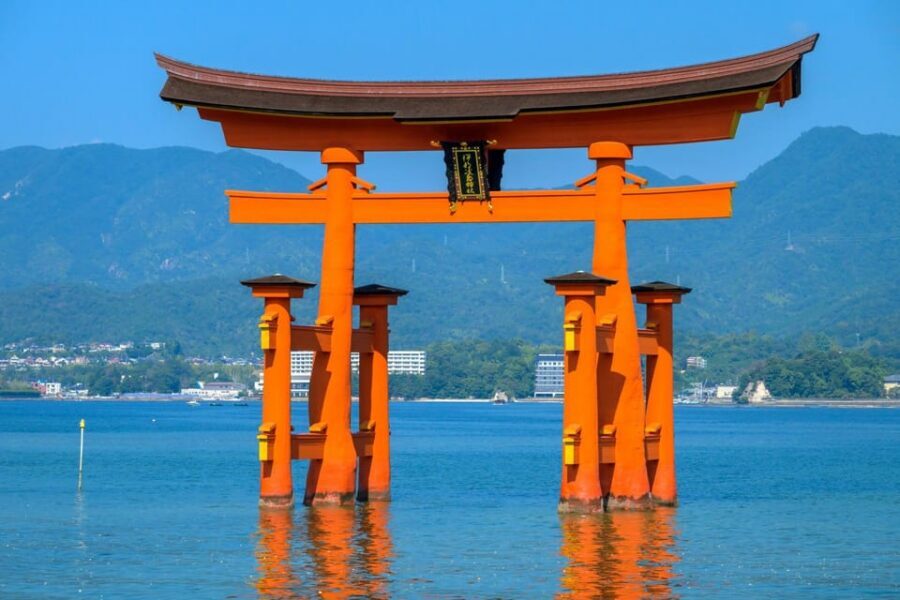
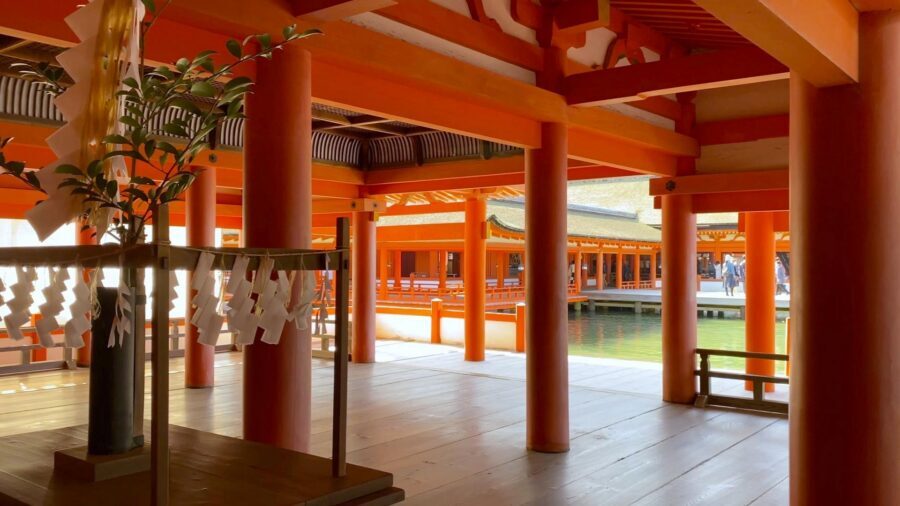
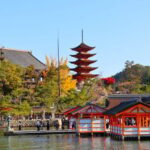
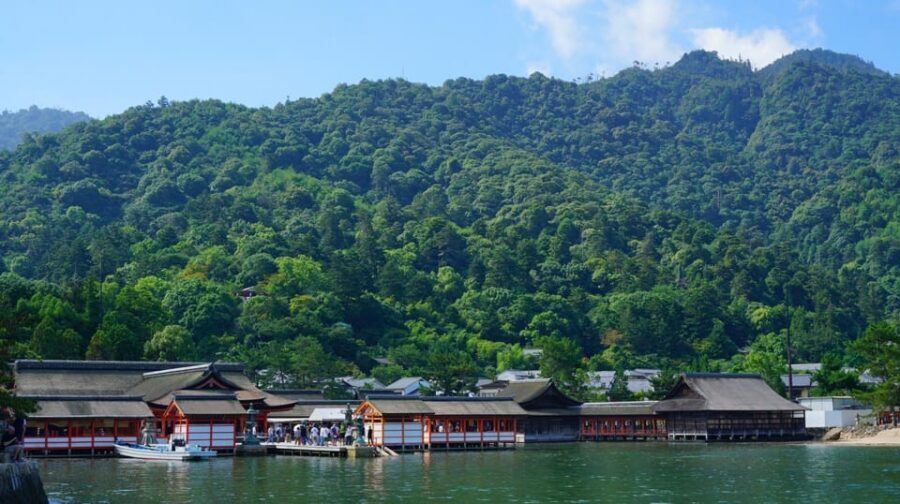
Next is Itsukushima Shrine, one of Japan’s signature spiritual sites. Your guide covers Shintoism, then walks you through the shrine’s history and architecture as you make your way through the worship halls.
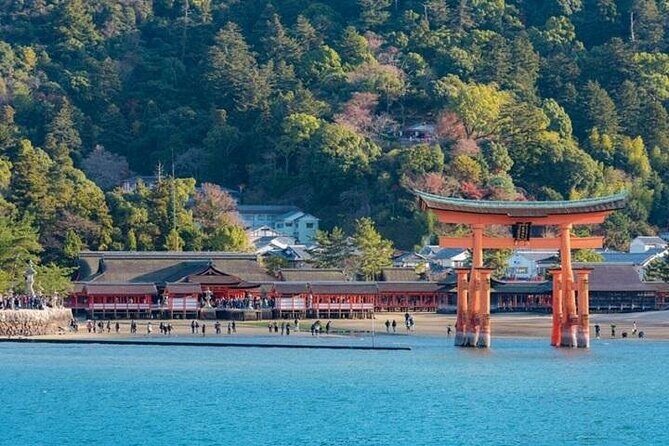
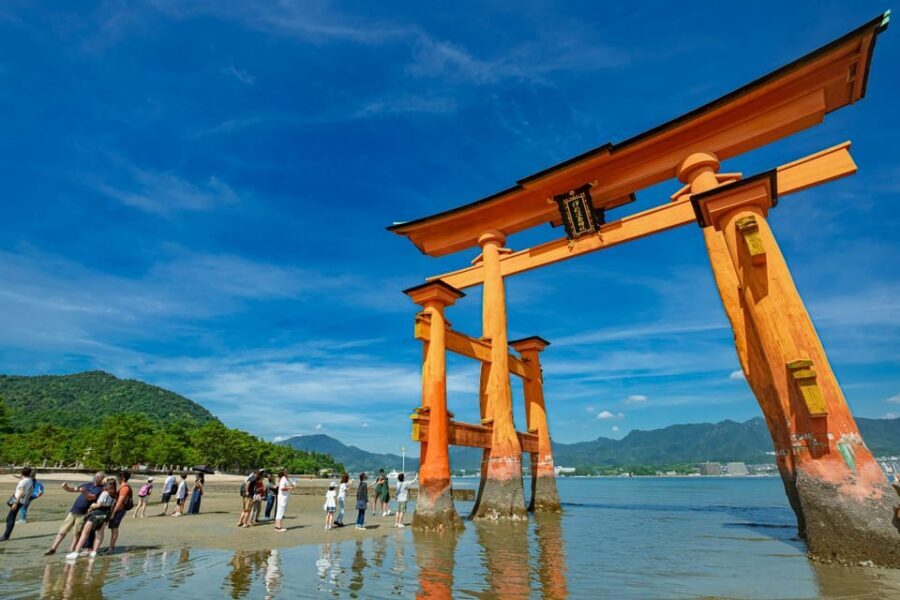
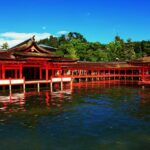
The big visual hit is the so-called floating shrine look, and of course the iconic O-torii gate out over the Seto Inland Sea. Even if you’ve seen photos before, being there in person gives scale. The gate sits like a marker between land and water, and your guide’s explanations help connect the scenery to the shrine’s cultural meaning.
A practical note: there’s no getting around it—you’ll be doing a fair amount of walking and pausing for photos. If you’re doing this in hot weather, plan to pace yourself during the shrine approach roads and steps.
Daisho-in Temple: 88 Statues, Golden Lantern Light, and Daishi Hall
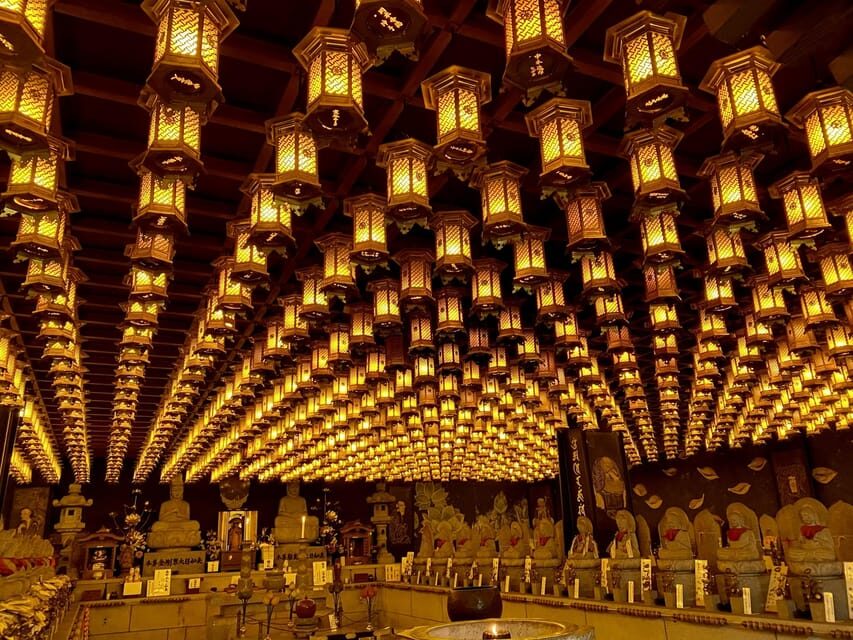
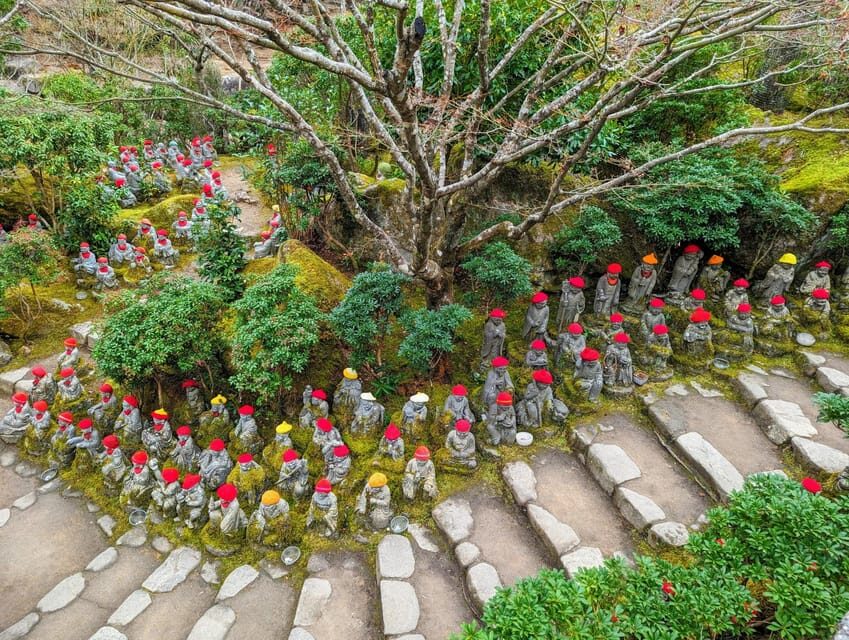
The day ends with Daisho-in Temple, a prestigious Shingon Buddhist temple. You’ll visit Daishi Hall and see the 88 statues representing the Shikoku pilgrimage of 88 temples.
Lighting here is a big deal. The hall is lit by golden lanterns hanging from the ceiling, creating a unique scene that feels warm and theatrical in a way that contrasts with the daytime sea views you had earlier.
If you like places that have both meaning and atmosphere, this is a strong closer. The 88-statue theme also gives you something to mentally track as you look around, so you’re not just taking pictures—you’re absorbing an idea.
Price and Logistics: Is $170 Worth the Trade-Off?
At $170 per person for about 510 minutes (roughly 8.5 hours), this tour is priced for a full, guided, entry-fee-included day with transport. What you’re buying is not only access to sites—it’s the sequencing and the explanations that keep the day from becoming scattered.
Here’s what’s included:
- An English-speaking guide
- Entry fees at all tour locations
- Transportation to/from Miyajima by ferry and train
Not included is lunch, plus accommodation and transportation to meet-up. That’s normal for day tours, but it matters because you’ll need to budget for food during the Omotesando free time.
Value-wise, the big question is whether you want breadth in one day. This tour gives you Hiroshima’s memorial core plus Miyajima’s most famous shrine and temple stops, all without you organizing ferries and ticketing. If you’d rather spend more time in one place—especially the museum galleries—you might feel the time pressure. If you want a guided “greatest hits with context,” the price can feel reasonable.
Also, the tour duration being fixed means you won’t be free to chase extra detours. That’s good if you like structure, less good if you’re a slow explorer.
Who This Tour Suits Best (and Who Should Skip It)
This one-day Hiroshima and Miyajima tour is best for people who want:
- A guided, English explanations-heavy day
- A balance of history and spirituality
- A ready-made plan that includes ferry and train transport
It’s not suitable for children under 6, people with mobility impairments, or wheelchair users. The tour also warns you to wear comfortable walking shoes because there’s significant walking. If you know you’ll struggle with stairs, uneven ground, or long periods standing, you may want to choose a different pace.
If you’re the type who likes learning from a guide rather than reading on your own, you’ll likely appreciate the added context—especially around the memorial stops and the Shinto and Buddhist elements on Miyajima.
One small but meaningful note from a past booking: the guide experience can feel personal. A verified booking mentioned having the guide mostly on their own and still getting very strong education and extra information beyond the basics. That’s not something you can count on, but it hints that your guide may work hard to connect with the group.
Should You Book This Hiroshima and Miyajima Day?
I’d book it if you want one day that connects Hiroshima’s memorial meaning with Miyajima’s shrine artistry, without you doing research and route planning. The pairing works because the tour starts with context (Shukkei-en and castle ruins), then leads into the Peace Memorial Park’s key monuments, and only then moves you to Miyajima.
I’d think twice if your top priority is spending a long, unhurried day inside the Peace Memorial Museum. This tour’s museum time may not satisfy deep readers who want every detail and extra time with exhibits. You can still see the core story, but it won’t feel like a slow museum day.
If you do book, go in with one mindset: this is a day of respectful attention, not just sightseeing. Bring water and sun protection, wear good shoes, and treat the Peace Park stops as the main event—not a quick photo mission.
FAQ
Where is the meeting point in Hiroshima Station?
Meet under the Tourist Information sign outside the Shinkansen gates. If you exit the Shinkansen gates, the sign is directly to your left. The guide will be holding a Snow Monkey Resorts tour sign.
What does the tour include for transportation?
You’ll get transportation to and from Miyajima using a ferry ride (about 45 minutes) and train ride back to Hiroshima, plus local transport within the day.
Is lunch included?
No. Lunch is not included, but you’ll have free time on Omotesando Shopping Street where you can grab snacks or a meal.
What are the main sights in Hiroshima?
You’ll visit Shukkei-en Garden, Hiroshima Castle Ruins (including the Castle Tower, Ninomaru enclosure, and Hiroshima Gokoku Shrine), and Hiroshima Peace Memorial Park (including the Atomic Bomb Dome).
What memorial stops are included in the Peace Memorial Park area?
You’ll see the Children’s Peace Monument, the Cenotaph for the Victims of the Atomic Bomb (with the registry of names), and viewpoints where the Flame of Peace and Atomic Bomb Dome are aligned.
How much time do you have on Miyajima before the guided tour?
After arriving, you’ll walk to Omotesando Shopping Street and have around two hours of free time before the guided Miyajima portion.
What Miyajima religious sites does the tour cover?
You’ll visit Senjokaku Pavilion, Itsukushima Shrine (including the O-torii gate area), and Daisho-in Temple (including Daishi Hall and 88 statues).
How physically demanding is this tour?
It involves a significant amount of walking and comfort-focused advice is to wear comfortable walking shoes. It is not suitable for wheelchair users or people with mobility impairments.