REVIEW · HIROSHIMA
Hiroshima and Miyajima Bus Tour with Indian Lunch
Book on Viator →Operated by H.I.S.Co., Ltd. · Bookable on Viator
Hiroshima and Miyajima in one full day. You get an air-conditioned bus ride, a ferry to Miyajimaguchi, and a tight hit list: the Atomic Bomb Dome area, the Peace Memorial Museum, and Itsukushima Shrine on Miyajima. It’s a powerful mix of remembrance and scenery, timed so you don’t feel rushed, even though you’re moving.
Two things I really like: first, the day is well-paced for what you’re seeing, with set time blocks like an hour at the Dome area and an hour at the Museum. Second, the included Indian curry lunch can be adjusted to vegetable, so you’re not stuck hunting for food mid-tour. One consideration: this is not great if you have difficulty with long walking periods, since you’ll be on your feet during the shrine visit and memorial stops.
In This Review
- Key Highlights Worth Booking For
- A One-Day Hiroshima and Miyajima Mix: What You Actually Get
- Hiroshima Station to the Atomic Bomb Dome Area: Straight to the Point
- Gandhi Statue Stop: A Small Pause Near Something Big
- Hiroshima Peace Memorial Museum: The Hour That Changes the Tone
- Lunch on the Clock: Indian Curry With Vegetable Options
- Ferry to Miyajimaguchi: The Practical Way to Get Great Torii Photos
- Itsukushima Shrine at Miyajima: About 3 Hours to See It Properly
- Price and Logistics: Is $117.27 Good Value?
- Who This Tour Fits Best (and Who Should Skip)
- A Note on Guides and the Emotional Tone
- Should You Book This Hiroshima and Miyajima Bus Tour?
- FAQ
- What time does the Hiroshima and Miyajima tour start, and where do I meet?
- Is lunch included, and can it be vegetarian?
- Are admission tickets included for the main sites?
- How does the tour travel to Miyajima?
- How long is the full day?
- Is the tour suitable for people who struggle with walking?
- What happens if the Peace Memorial Museum is closed?
Key Highlights Worth Booking For
- Air-conditioned bus + max 20 people keeps the day calm and easy to follow.
- Ferry route from Hiroshima to Miyajimaguchi gives you a practical way to photograph the Great Torii from the nearest spot on the water.
- Atomic Bomb Dome + Peace Memorial Museum are time-managed stops (1 hour each) that respect the seriousness of the subject.
- Itsukushima Shrine visit for about 3 hours gives you time to slow down and take in the inlet views.
- Lunch is included as Indian curry, with advance vegetable changes available.
A One-Day Hiroshima and Miyajima Mix: What You Actually Get
This is a full-day tour built around two different moods. Hiroshima’s peace sites are solemn and reflective, and Miyajima is all about scenic walking and that famous shrine-in-the-sea look. The magic is that you don’t have to plan the logistics—your transportation connects the story.
The day starts at Hiroshima Station at 10:00am, and it ends back at the same meeting point. Expect roughly 6 to 8 hours total, depending on timing and conditions outside the operator’s control.
You’ll be on a tour bus that’s comfortable and air-conditioned, and the group size caps at 20 travelers. That matters because you get fewer bottlenecks when you’re boarding, stopping, and regrouping.
Other Miyajima Island tours in Hiroshima
Hiroshima Station to the Atomic Bomb Dome Area: Straight to the Point
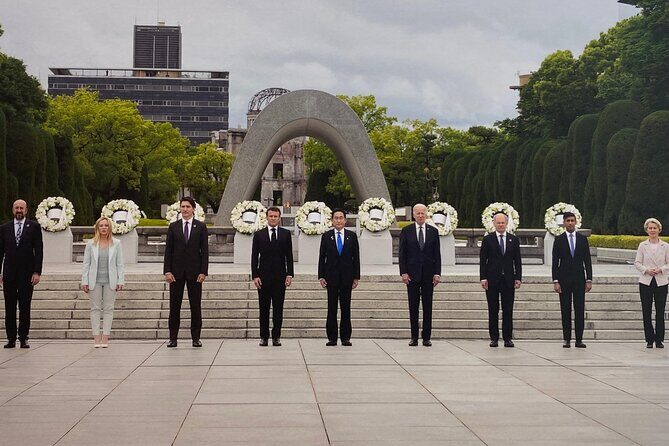
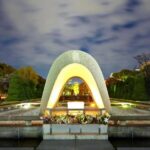
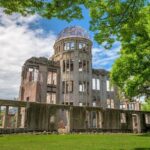
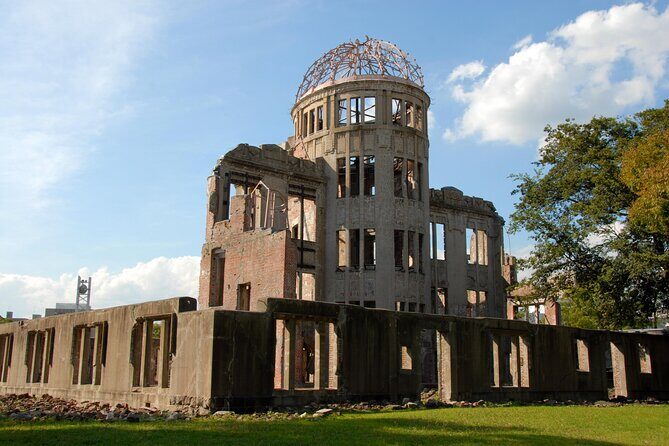
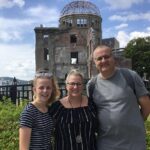
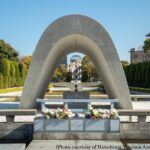
After you meet at the station (look for the listed meeting spot at Hiroshima Station 1-2, 37), you’ll head straight to the memorial area. The first major stop is the Atomic Bomb Dome, with about 1 hour on-site and admission marked as free.
This is one of those places where timing is everything. An hour is long enough to see the site clearly and read what you can without rushing, but short enough that the day doesn’t drag on before you even start the Museum.
Also, the tour doesn’t make you navigate the area alone. You’ll have a guide with a plan, which is a big deal in Hiroshima’s memorial zones where it’s easy to lose your bearings.
Gandhi Statue Stop: A Small Pause Near Something Big
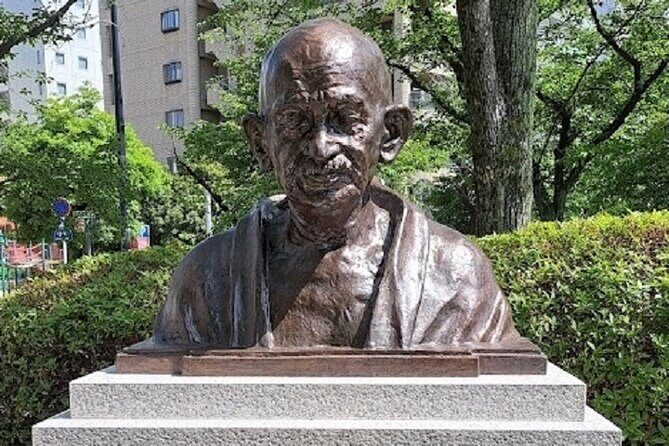
Next comes a brief stop at the statue of Gandhi, located near the Atomic Bomb Dome area. The schedule gives you about 10 minutes here, and admission is free.
This short timing is intentional. It functions like a reset button: you’re still in the same emotional geography, but you get a quieter, human-scale moment before moving into the museum experience.
If you’re the type who likes to read signs slowly, 10 minutes might feel tight. On the other hand, it’s enough for a photo, a quick look, and then you move on with the day’s flow intact.
Hiroshima Peace Memorial Museum: The Hour That Changes the Tone
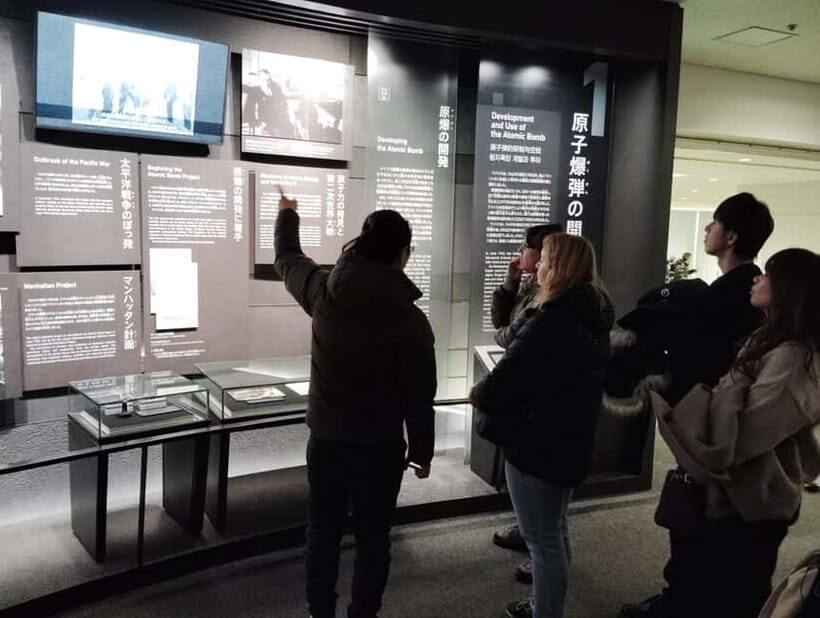
Then you go to the Hiroshima Peace Memorial Museum, scheduled for about 1 hour, and admission is listed as included. The tour description emphasizes the meaning of peace and the misery caused by nuclear warfare—so you can expect a serious, reflective visit.
An hour in a museum like this is a balance: it gives you time to take in the main materials without forcing you to sprint through. If you want to linger, you might need to choose what you focus on—this isn’t the kind of museum visit where you can comfortably read everything at a leisure pace in just an hour.
One practical note from the tour rules: if the Museum is closed, the itinerary may shift to another peace memorial facility. So if your travel date lands on a closure day, don’t panic—there’s a fallback plan.
Lunch on the Clock: Indian Curry With Vegetable Options
By the time you reach lunch, your brain has already had a workout. That’s why I appreciate that the tour includes Indian curry and lets you swap to a vegetable menu if you need it.
Lunch is included, and the operator specifically notes that you must request any dietary needs in advance when you book. Also, you can’t expect menu changes on the day of the tour, so if you have allergies or specific dietary restrictions, don’t wait until morning.
Another small rule that affects comfort: you’re asked not to bring your own food and drinks into the restaurant. So plan on eating what the tour provides, and use the advance request option to make it work for you.
Other Hiroshima and Miyajima combo tours in Hiroshima
Ferry to Miyajimaguchi: The Practical Way to Get Great Torii Photos
Here’s a big reason this tour feels efficient: you don’t just “get to Miyajima,” you move there via a special ferry route from Hiroshima to Miyajimaguchi. That ferry ride is built into the schedule rather than being something you have to figure out yourself.
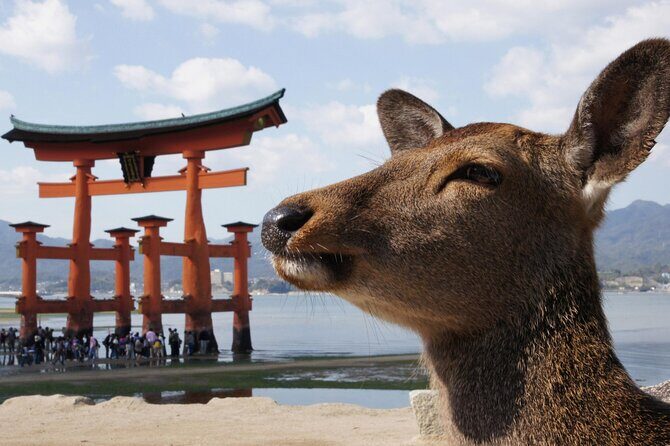
And yes, the photo moment is part of the plan. The tour description promises chances to take pictures of the Great Torii from the nearest location on the ferry. That’s exactly the kind of detail that saves time later, because Torii photo angles are easier when you’re already in the right place.
Ferry timing can be breezy—literally and figuratively. Even if you don’t love boats, this one is more than transit. It’s part scenic break, part viewpoint.
Itsukushima Shrine at Miyajima: About 3 Hours to See It Properly
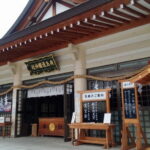
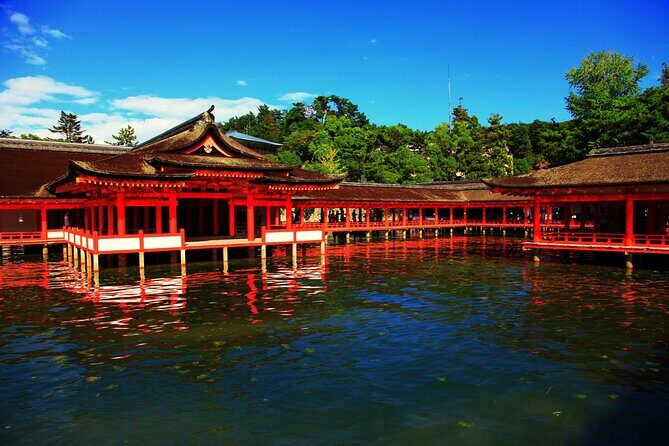
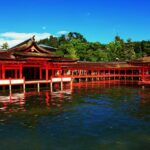
The centerpiece on Miyajima is Itsukushima Shrine, with about 3 hours scheduled and admission included. The shrine is described as a famous historic site connected with Shinto, and it’s known for that iconic view of the red shrine appearing to be floating in the sea.
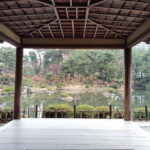
The setting is a big part of why this stop works. The shrine sits in a small inlet, with the Torii gate in the Seto Inland Sea, and visitors walk paths around the inlet while looking outward at the water.
Three hours is a smart amount of time. If you’re the kind of person who likes photos, you have space to try angles and wander. If you’re more focused on atmosphere, you can take it slower and enjoy the walk without feeling like you’ll miss your group.
One real-world consideration: the tour is not recommended if you have difficulty with long walking. So if you’re mobility-limited, it’s worth evaluating your comfort with prolonged walking during the shrine and approach areas.
Price and Logistics: Is $117.27 Good Value?

At $117.27 per person, you’re paying for a package: guided transportation, scheduled stops, ferry connection, and included admissions where listed (Atomic Bomb Dome is free, the Museum is included, and Itsukushima Shrine is included).
Is it expensive? It depends on how you’d plan it yourself. If you’re starting from Hiroshima Station and want one organized day that covers peace sites plus Miyajima, this price starts to look fair. The tour reduces the stress of coordinating multiple segments—bus, ferry, and the on-island timing—into a single plan.
Also, the group size cap of 20 travelers is part of the value. Smaller groups typically mean less waiting and more attention when you need help during stop-and-go transitions.
Finally, the mobile ticket helps day-of convenience. You don’t need paper tickets in your pocket while you’re managing photos, water breaks, and regrouping points.
Who This Tour Fits Best (and Who Should Skip)
This tour fits best if you want a full-day structure that hits the major Hiroshima peace sites and still delivers Miyajima’s visual payoff. It’s especially good if you like having a guide manage the time blocks, because both the Dome area and the Peace Memorial Museum are set at about an hour each.
If you enjoy food as part of travel (not just “somewhere to eat”), the lunch inclusion is a plus. The Indian curry option that can be changed to vegetable is a practical feature, not just a marketing line.
But skip or consider carefully if walking is hard for you. The tour isn’t designed around short hops only; it notes it’s not recommended for those who have difficulty walking for long periods.
A Note on Guides and the Emotional Tone
Hiroshima has weight, and Miyajima has beauty. The tour’s success depends on pacing and how the guide holds that emotional balance.
In guidance from past tour operations, the day has been praised for moving, attentive support and for guides who keep things organized. Names that came up include Masahiko Joguchi and Miyuki, mentioned in connection with professionalism and care—one standout point was how support was handled for someone who was mobility impaired.
That kind of guide attention matters on a day like this because you’re moving through solemn places and scenic areas in the same time window. The best tours don’t just drive you around; they help you make sense of the order.
Should You Book This Hiroshima and Miyajima Bus Tour?
Book it if you want a ready-made day that combines Hiroshima’s memorial sites with Miyajima’s iconic views, without handling transit complexity yourself. The best argument for booking is the structure: Atomic Bomb Dome (1 hour), Peace Memorial Museum (1 hour), Gandhi statue (10 minutes), Itsukushima Shrine (~3 hours), plus the ferry connection and included lunch.
Consider booking only if you can handle long walking days, since the shrine visit involves enough movement that it may not work for everyone.
If you want a one-day plan that’s efficient, guided, and built around the right stops, this is a strong option.
FAQ
What time does the Hiroshima and Miyajima tour start, and where do I meet?
You meet at Hiroshima Station at 10:00am at the listed meeting point (1-2, 37 Matsubarachō, Minami Ward, Hiroshima).
Is lunch included, and can it be vegetarian?
Yes. Lunch is Indian curry, and it can be changed to a vegetable option. You need to inform the operator of allergies or dietary restrictions when you book.
Are admission tickets included for the main sites?
The Atomic Bomb Dome is listed as free entry, the Peace Memorial Museum admission is included, and Itsukushima Shrine admission is included.
How does the tour travel to Miyajima?
The tour uses a special ferry route from Hiroshima to Miyajimaguchi, and the schedule includes time for Great Torii photo opportunities from the ferry.
How long is the full day?
The tour runs about 6 to 8 hours.
Is the tour suitable for people who struggle with walking?
It’s not recommended for those who have difficulty walking for long periods.
What happens if the Peace Memorial Museum is closed?
If it’s closed, the itinerary may be changed to another peace memorial facility.