REVIEW · HIROSHIMA
Hiroshima: Miyajima Half-day Historical Walking Tour
Book on GetYourGuide →Operated by MagicalTrip · Bookable on GetYourGuide
Miyajima feels like a storybook. I really like how this tour ties together Itsukushima Shrine and the island’s everyday culture, then rewards you with a proper lunch of Hiroshima flavors. My other favorite part is the pacing: you see the famous O-torii gate and then move on to quieter temple areas with time to breathe. One drawback to plan for is that you’ll do a fair amount of walking on a place that can get muddy, so bring shoes you trust.
What makes this experience work is the combination of a small group (up to 7 people), an English-speaking local guide, and built-in time for the sights you’d otherwise rush past. You’ll start with the ferry ride over the Seto Inland Sea, then hop into the shrine-and-temple loop: Itsukushima, Daisho-in, and additional stops like Senjokaku Pavilion and Momijidani. Guides named in real bookings, like Kaz and Yuji, are repeatedly praised for slowing down, sharing context, and helping the day feel more like time with a friend than a speed-walk.
At $106 per person (plus the ferry ticket, paid in cash), it’s not the cheapest way to visit Miyajima. But you do get a real guide, entrance fees, a local lunch, and tour photos, so you’re paying for someone to connect the dots while you focus on the experience. If you’re prone to seasickness, have limited mobility, or hate heat, you’ll want to read the practical notes before booking.
In This Review
- Key points to know before you go
- From JR Miyajimaguchi to Miyajima: Ferry Views and Deer-First Arrival
- O-torii to Itsukushima Shrine: How the Tides Shape What You See
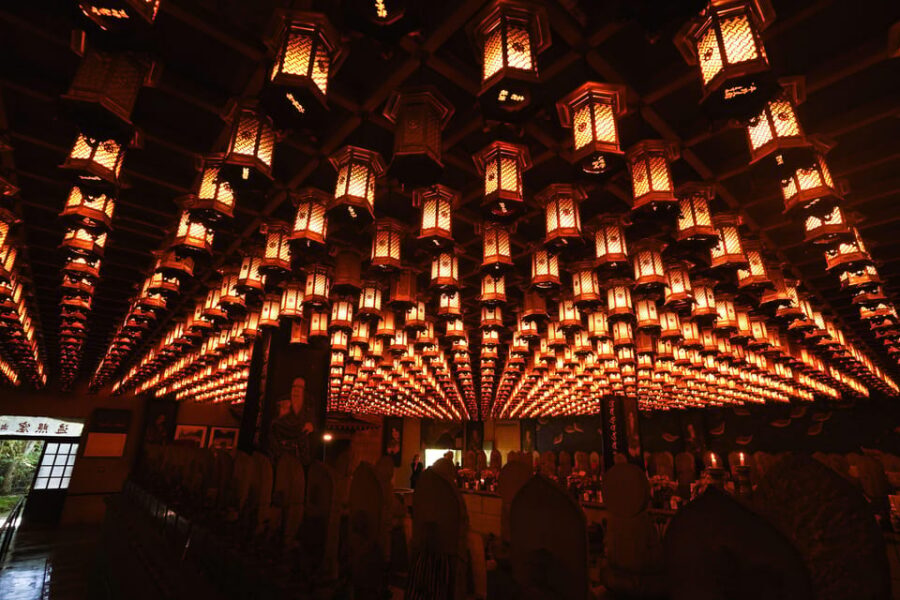
- Daisho-in Temple Complex: Statues, Shrines, and 1,200 Years on One Island
- Museum Break, Gardens, and Crafts: Seeing Miyajima Beyond the Postcards
- Local Lunch With Hiroshima Ingredients: Oysters and Fried Momiji Dumplings
- Senjokaku Pavilion, Momijidani, and a Hidden-Gem Hour Off the Main Drag
- Walking Reality: Heat, Mud, and Who Might Feel Uncomfortable
- Price and Value: Why $106 Works Here (and When It Might Not)
- The Guide Factor: Why English Interpretation Changes Shrine Time
- Who Should Book This Tour
- Should You Book the Hiroshima: Miyajima Half-day Historical Walking Tour?
- FAQ
- How long is the tour?
- Is the ferry ticket included?
- What does the price include?
- What’s the group size?
- What language is the tour guide?
- Is lunch included, and what kind of food will I get?
- Are vegetarian or vegan meals available?
- Do I need cash during the day?
- Is this tour okay if I get seasick?
- What should I wear for Miyajima?
Key points to know before you go
- The ferry ride sets the tone: views of the Seto Inland Sea and the iconic O-torii gate before you even step onto Miyajima
- Heian-period shrine design meets tidal reality: you’ll learn why the shrine’s architecture handles ebb and flow
- Daisho-in is a long-time centerpiece: a temple complex tied to 1,200 years of history on the island
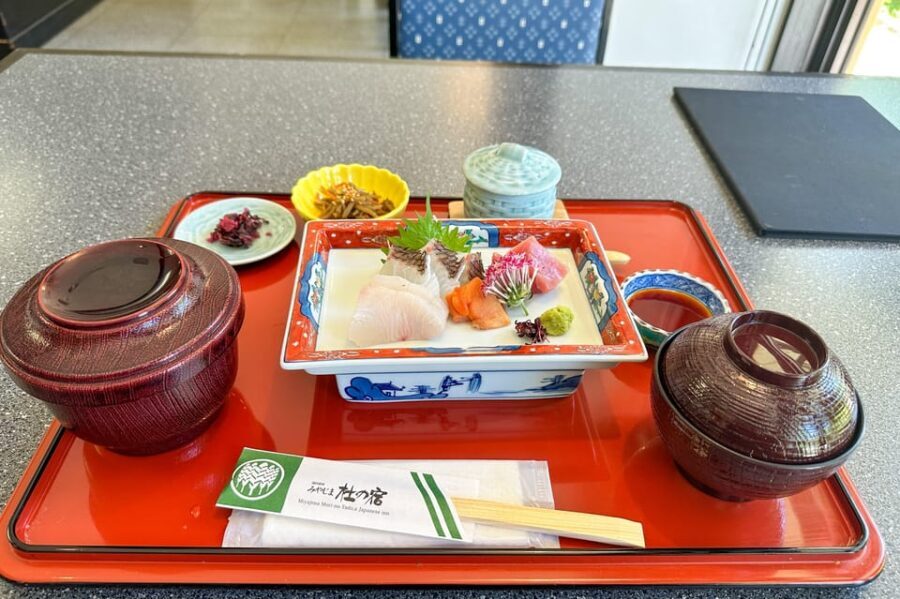
- Lunch is built into the tour, not an afterthought: oysters plus fried momiji dumplings using Hiroshima Prefecture ingredients
- You get time beyond the postcard spots: Senjokaku Pavilion, Momijidani, and a longer hidden-gem stop
- Small group focus: limited to 7 participants, with tour photos included
From JR Miyajimaguchi to Miyajima: Ferry Views and Deer-First Arrival
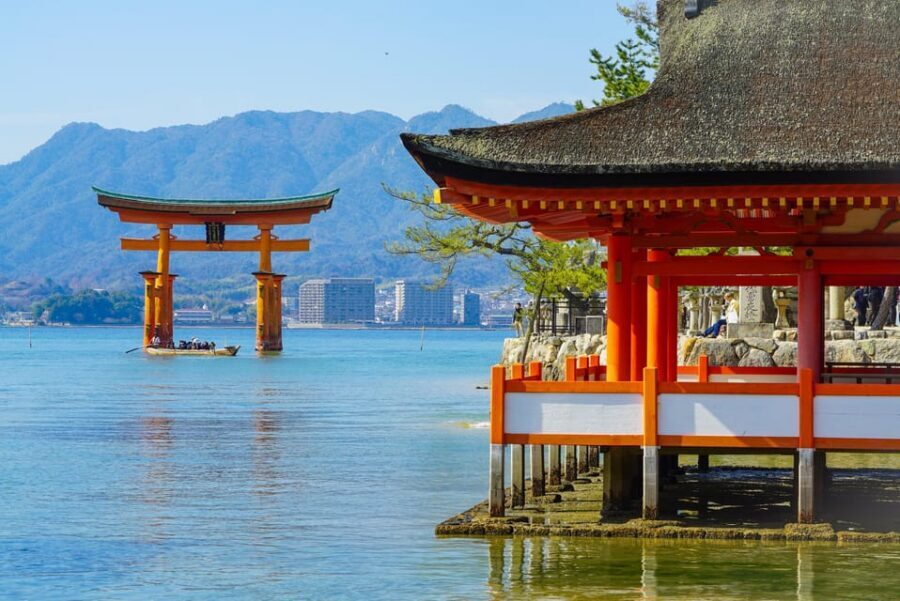
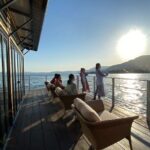
Most people think Miyajima begins at the shrine. I like the fact that this day starts earlier, with the ferry crossing. You’ll meet at the coin-operated locker outside JR Miyajimaguchi Station, and then make the short ride over by ferry. Even before you reach the island, you’re set up for the main visual reason to come: the O-torii gate framed by water and the wider Seto Inland Sea.
On arrival, there’s a quick hit of island atmosphere. You’ll meet deer right away, which is both charming and practical: it means you’ll want to keep your snacks secured and watch where you step on paths near the coast. The tour route also moves you along the water toward the torii, so you’re not stuck looking at it from one angle only.
Practical note: the ferry ticket is not included. You’re told to bring cash for it, with the fee listed as JP¥ 500 in one place and JP¥ 360 in another. Either way, have yen ready so you don’t waste time at the counter.
Other Miyajima Island tours in Hiroshima

O-torii to Itsukushima Shrine: How the Tides Shape What You See
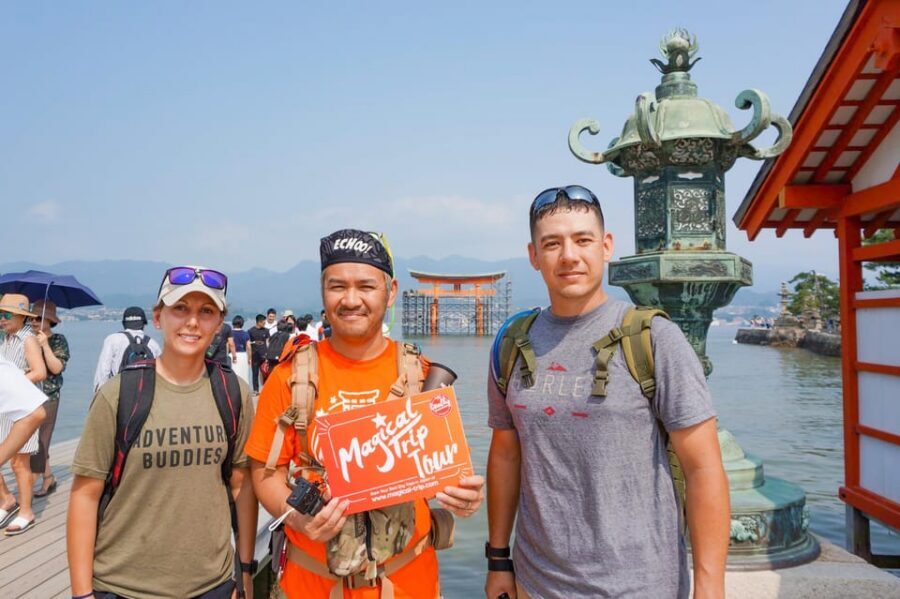
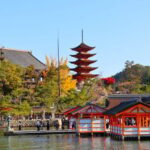
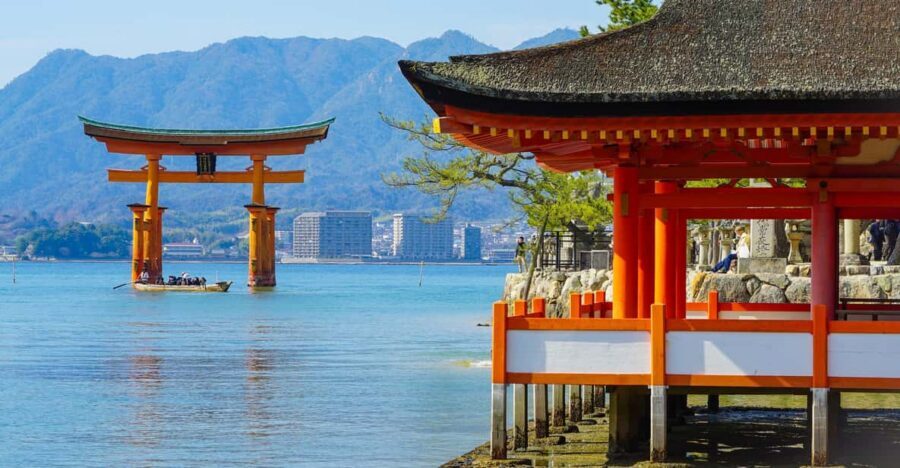
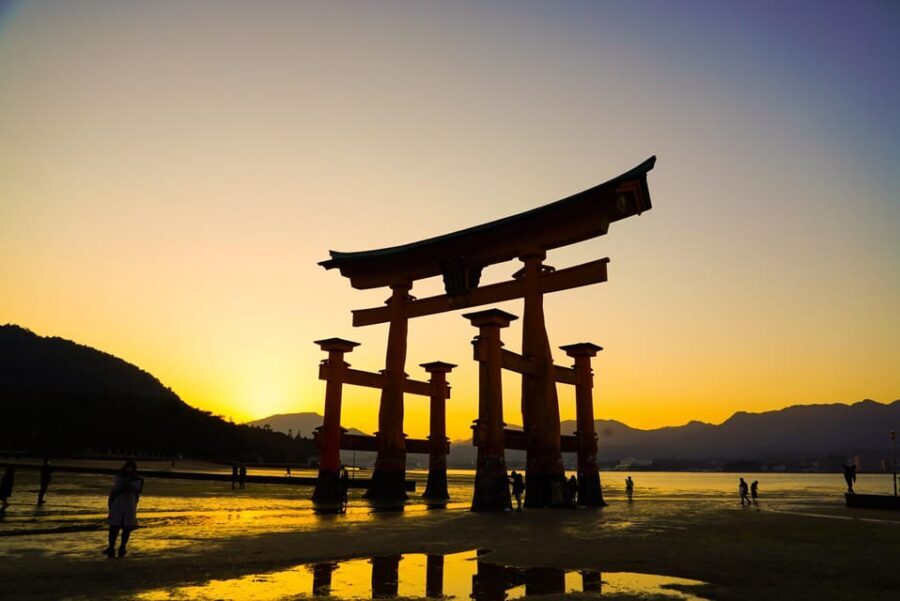
The star moment is the O-torii gate itself, sitting just off the shore. The tour is designed so you see that symbol in motion with the environment—water, shoreline, and the shrine in the background. Then you head to Itsukushima Shrine, where the guide helps you understand what you’re actually looking at.
Itsukushima is a World Heritage Site, and the tour focuses on why the shrine feels so unusual: its architecture was constructed during the Heian period (794–1192), and it’s resilient to the tides’ ebb and flow. That matters, because you’ll often see photos that make the scene look either perfectly “landlocked” or fully surrounded by water. Here, you get the explanation for why the setting changes—and what the design is doing to handle that reality.
You’ll also have a structured time inside the shrine area (40 minutes). That’s usually enough time to slow down, read the details, and take photos without feeling like you’re waiting for a bus. One useful tip from the tour’s pacing style: the day can be timed so you experience the shrine and torii under different tidal conditions, depending on when you arrive.
Daisho-in Temple Complex: Statues, Shrines, and 1,200 Years on One Island
Daisho-in is where the day expands from one famous site into a bigger sense of how Miyajima became a place of faith. You’ll walk to the Daisho-in area via a scenic mountain path, and you’re given an hour there. That long enough window is key, because temple complexes reward unhurried wandering. You’re not just ticking boxes; you’re moving through a historic space with several temples and statues.
The tour emphasizes the age of Daisho-in—Miyajima’s oldest with about 1,200 years of history. And your guide connects that history to how faith on the island evolved over time. In other words, you’re not only looking at buildings; you’re hearing how people used this place across centuries.
This is also a stop where group size makes a difference. In a group capped at 7, your guide can adjust the flow if someone wants extra time for photos or if the weather forces a slower pace. Several guides in bookings are praised for not rushing and for making the walk feel calm, which is exactly what you want around temples.
Museum Break, Gardens, and Crafts: Seeing Miyajima Beyond the Postcards
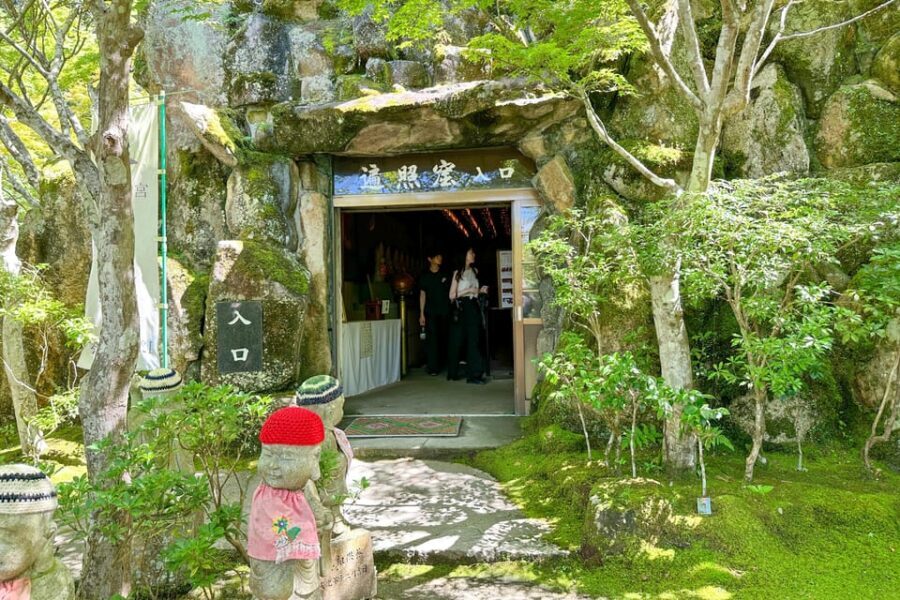
Between the big religious sites, the tour adds a museum visit that helps you place Miyajima in context. You’ll spend time learning about the island’s life and culture, which gives you a clearer frame for what you see later in the day.
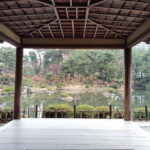
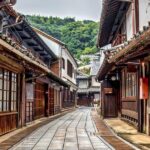
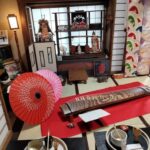
After that, you’ll move through areas with traditional Japanese architecture, gardens, and crafts. Even if you’ve seen similar elements in other parts of Japan, Miyajima feels distinct because it’s both holy space and home for people. This is where the tour earns its name “historical walking,” because you can start to see daily life and religious tradition as part of the same system.
One thing I like about this approach is that it reduces the chance of the day becoming just a highlight reel. You get time to notice small details: how streets feel, how gardens sit next to pathways, and how the island’s design supports movement between sites.
Local Lunch With Hiroshima Ingredients: Oysters and Fried Momiji Dumplings
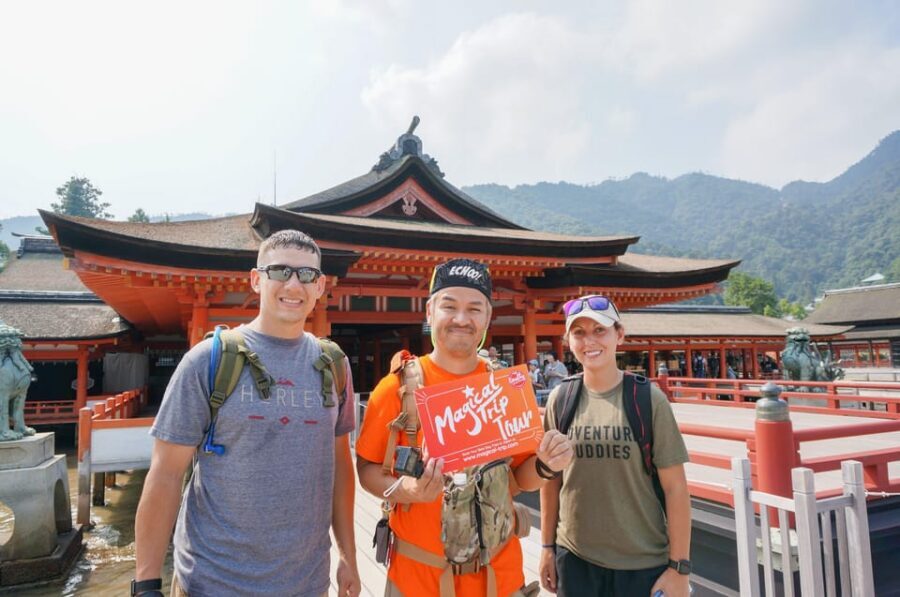
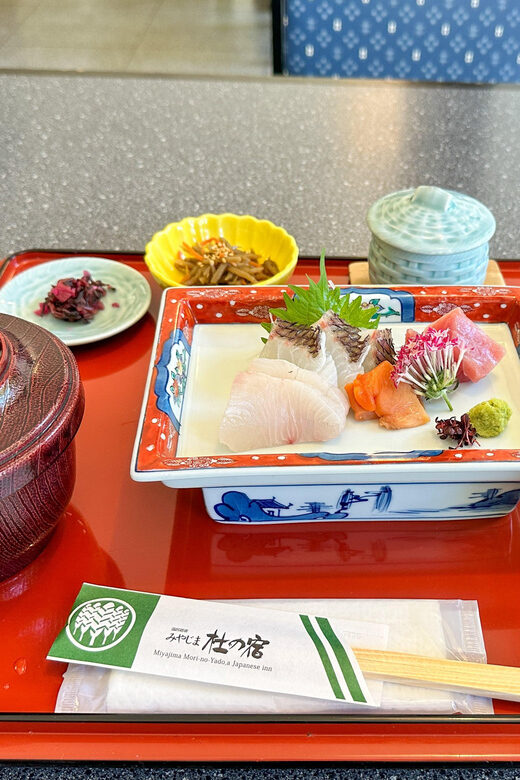
Food is a big part of why this tour is worth paying for. Lunch uses ingredients from Hiroshima Prefecture, and the menu is built around Miyajima flavors you can’t easily replicate at home.
Expect to eat Miyajima classics like fresh oysters and fried momiji dumplings (the momiji leaf-shaped treats). Reviews are consistently happy about the lunch quality and the way the guide helps you eat it the right way. One booking also mentioned tea on a hillside with bay views, which fits the tour’s overall style: slow down, eat well, and take in the setting.
Diet note: vegetarian and vegan lunch options are available but limited. Also, you’re told they can’t guarantee allergy-free meals, because the food is prepared in kitchens that aren’t part of the tour operator. If you have strong dietary restrictions, this is the part to plan extra carefully around.
Also budget a little for extra drinks and snacks. Extra food and drinks aren’t included, and on an island day, it’s easy to get thirsty.
Other Hiroshima walking tours in Hiroshima
Senjokaku Pavilion, Momijidani, and a Hidden-Gem Hour Off the Main Drag
After lunch, you’ll keep walking through more of Miyajima’s layers. The tour includes Momijidani (10 minutes) and Senjokaku Pavilion (20 minutes). Those are short windows, so think of them as scene-setting stops. You’re not meant to master every building; you’re meant to feel how many different pieces make up the island’s spiritual identity.
Then you get something especially useful: a hidden-gem stop with a full hour. When a tour gives you an extra chunk of time like that, it usually means you’re stepping away from the busiest lanes. The goal is to make the day more human-sized. You’ll also get more opportunities for photos that don’t feel like they were taken in a crowd.
In the same spirit, the tour also ends at a souvenir shop street. That’s a practical final touch. Instead of sending you off with zero plan, you’re allowed to wrap the day with an easy stroll where you can pick up small Miyajima-related items.
Walking Reality: Heat, Mud, and Who Might Feel Uncomfortable
This is a walking tour on an island, and that means you should plan for actual terrain. The tour includes mountain-path scenery on the way to Daisho-in. And you’re warned about the summertime conditions in Japan: summer is hot and humid, so bring water and wear a hat to prevent heat stroke.
Shoes matter. Even outside of summer, Miyajima can be muddy if it rains. One review specifically advised sturdy shoes for muddy conditions. This is one of those places where sneakers that are fine on flat city streets can suddenly become a problem.
It’s also not suitable for everyone. You’re told it isn’t a fit if you have back problems, heart problems, or you’re prone to seasickness. People with low fitness levels may find the pace tough. And it’s also not appropriate for babies under 1 year.
If any of that applies, you can still visit Miyajima independently, but this particular tour structure (ferry plus multiple walking segments) might not match your needs.
Price and Value: Why $106 Works Here (and When It Might Not)
Let’s talk money. At $106 per person for 330 minutes (about 5.5 hours), this isn’t cheap for one island day. But value comes from what’s included.
Included items:
- a local English guide
- entrance fees to shrines, temples, and museums on the route
- a local lunch
- tour photos
That combination is what turns “I visited Miyajima” into “I understood Miyajima.” Entrance fees alone aren’t usually massive, but they remove decision fatigue. A guide removes the guesswork about what you’re looking at—especially at a place like Itsukushima, where the design connects to the tides.
The other value piece is the group size. Limited to 7 participants means you’re more likely to get questions answered and not feel like you’re lost in the crowd. Reviews back that up again and again, with guides like Kaz, Yuji, and Eri repeatedly described as friendly, attentive, and flexible with pacing.
When it might not be worth it: if you have a strong tolerance for chaos, you don’t care about context, and you plan to eat on your own. In that case, you could save money. But if you want the day to feel guided, planned, and smooth, this price makes more sense.
The Guide Factor: Why English Interpretation Changes Shrine Time
English guide quality can be a make-or-break detail on religious sites. Here, guides lead in English, and bookings praise several specific names: Kaz, Yuji, Kiki, Eri, Hika, Maire, and others. The common theme isn’t just facts—it’s the way guides connect those facts to real island life.
That matters most at Itsukushima and Daisho-in, where the architecture and faith are tied together. If you only have a quick glance, you can easily miss what makes the place special. With a guide, you’re given a framework: why certain structures look the way they do, and how faith has shifted over time.
Some reviews also highlight that the tours don’t feel like a race. That’s important. Miyajima is famous, which means it can be crowded. A guide who keeps you moving at a human pace helps you avoid feeling trapped in lines.
Who Should Book This Tour
I think this tour fits best if you want a guided introduction to Miyajima without spending your whole day figuring things out.
You’ll probably love it if:
- you want to see the O-torii area and Itsukushima Shrine with context
- you care about why the shrine looks the way it does relative to tides
- you want a solid lunch included, with oysters and fried momiji dumplings
- you prefer small groups (up to 7) over big buses
You should consider skipping it if:
- you’re prone to seasickness (the ferry is required)
- you have mobility limits or back/heart concerns
- you struggle with longer walks and heat
Should You Book the Hiroshima: Miyajima Half-day Historical Walking Tour?
Book it if you want a structured, guided Miyajima day that still leaves room to enjoy the island. The value is strongest when you count what you’re getting: entrance fees, lunch, photos, and an English guide who connects the sites to the island’s life and faith.
Don’t book it if you want total freedom, you’re sensitive to walking, or you know heat and terrain will be a problem. Also, if you have strict allergies, treat food carefully since allergy-free guarantees aren’t provided.
My practical take: if this is your first time in Miyajima, this is a smart way to get your bearings fast, then you can always return later for extra time at the places that stuck with you.
FAQ
How long is the tour?
The tour runs for 330 minutes (about 5.5 hours).
Is the ferry ticket included?
No. You need to bring cash for the ferry ticket.
What does the price include?
It includes a local guide (English), entrance fees to shrines/temples/museums, local lunch, and tour photos.
What’s the group size?
It’s a small group limited to 7 participants.
What language is the tour guide?
The tour guide provides the tour in English.
Is lunch included, and what kind of food will I get?
Local lunch is included and it features Hiroshima Prefecture ingredients, including fresh oysters and fried momiji dumplings.
Are vegetarian or vegan meals available?
Yes, vegetarian and vegan lunch options are available, but they’re limited.
Do I need cash during the day?
Yes, you’re advised to bring cash for the ferry fee, plus extra snacks and drinks.
Is this tour okay if I get seasick?
No. The tour is not suitable for people prone to seasickness.
What should I wear for Miyajima?
Bring water and wear a hat in summer heat. Also wear shoes suited for walking since some areas can be muddy if it rains.