REVIEW · HIROSHIMA
Hiroshima: History of Hiroshima Group Walking Tour
Book on GetYourGuide →Operated by M2N Tours · Bookable on GetYourGuide
The Peace Park tells its story in footsteps. This Hiroshima Peace Memorial Park walking tour turns a list of monuments into a connected timeline, from the morning of Aug. 6, 1945 to what the city built afterward. The guides are highly educated and locally rooted, and they explain why certain places mattered and what the symbols mean.
I especially like the way you slow down at stops such as Mother and Baby in the Storm and the Hypocenter, instead of just snapping photos. I also like that the route covers both famous memorials and lesser-known markers, so you understand the full human impact, including direct and indirect victims.
One consideration: this is a heavy, emotional experience. You’ll be on your feet for about two hours, and the subject matter can feel intense even if you came in curious rather than solemn.
In This Review
- Key highlights you’ll feel
- A Peace-Park Walk With Real People Behind the Monuments
- Start at the Gates of Peace and Set Your Expectations
- Mother and Baby, Prayer Fountain, and the Memorial’s Symbol Language
- Hiroshima National Peace Memorial Hall: What the Tour Adds Inside
- Children’s Peace Monument to Burial Mound: The Stops That Broaden the Story
- Bell of Peace to Atomic Bomb Dome: Reading the Core Evidence
- Guide Style: Why the Best Part Isn’t the Route
- Stop-by-Stop Schedule: What the Two Hours Feels Like
- Price and Value for $35 in Hiroshima Peace Memorial Park
- Who Should Book This Hiroshima Peace Memorial Park Tour
- Should You Book This Tour?
- FAQ
- Where do I meet the guide?
- How long is the Hiroshima Peace Memorial Park walking tour?
- How much does it cost?
- Is the tour in English?
- What’s included in the tour price?
- What should I wear or bring?
- Can I cancel if my plans change?
Key highlights you’ll feel
- Expert English guidance that links landmarks and statues to survivor testimonies
- A well-paced route starting at the Gates of Peace and ending at the Hypocenter Monument
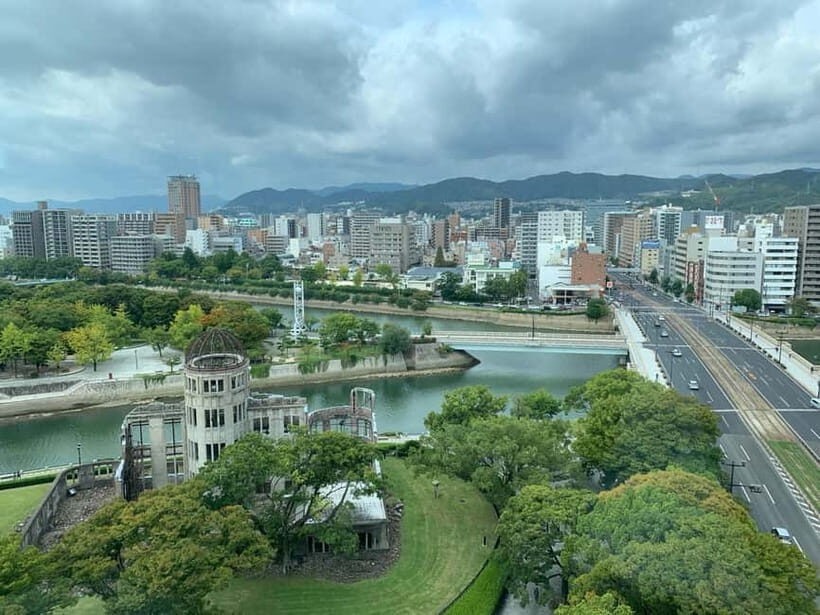
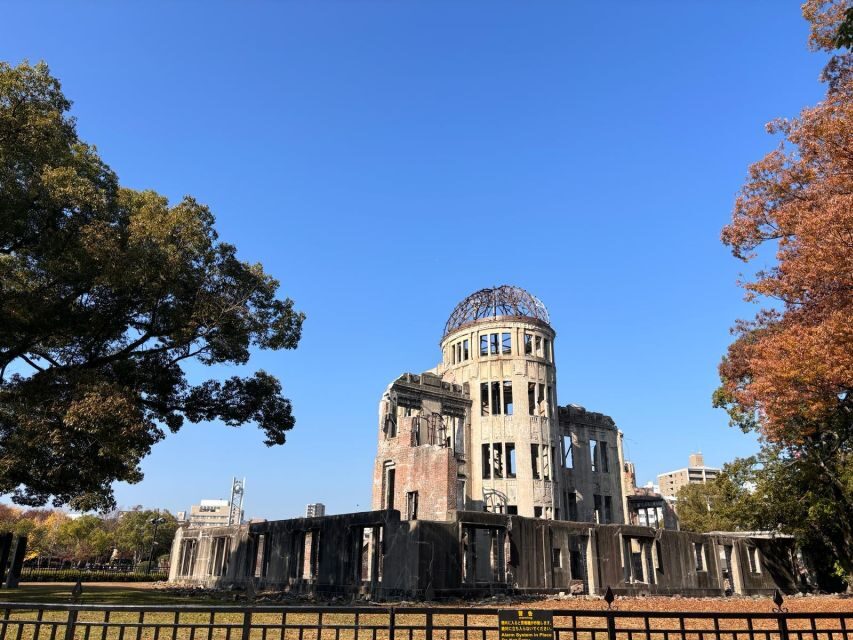
- The Atomic Bomb Dome as the only structure left standing, explained in context
- Stops beyond the postcard views, including the Korean Atomic Bomb Victims Cenotaph
- Respectful, two-way guiding, with room for questions during the walk and short pauses
A Peace-Park Walk With Real People Behind the Monuments
If you’re heading to Hiroshima, you’ll quickly learn that the Peace Memorial Park isn’t just sightseeing. It’s a carefully arranged outdoor classroom, built around remembrance. This tour helps you read that space without guessing.
What makes it work is the guide’s role. You’re not left alone with placards. Instead, the guide ties what you see—landmarks, statues, squares, inscriptions—to testimony and human stories, so the history lands in your body, not just your brain.
And the guide team isn’t random. The tour description says guides hold Masters and PhD degrees in fields like tourism, anthropology, history, and peace studies, and they’ve spent years living in Hiroshima. In recent departures, people also highlight named guides such as Tomas, Camille, and Cva for their story work and respectful tone.
Other Hiroshima walking tours in Hiroshima
Start at the Gates of Peace and Set Your Expectations
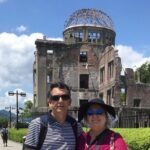
You meet at the Gates of Peace, located next to the Italian restaurant Mario. That matters because the park is easy to get to, but it’s also easy to wander in the wrong direction if you don’t anchor yourself.
Plan for a route that is tightly focused: you’ll move through major points of the memorial area and then work toward the Atomic Bomb Dome and the Hypocenter. The tour runs about two hours, which is long enough to get meaning from the places, but short enough that you won’t feel like you’re dragging through a museum for an entire afternoon.
Before you go, wear comfortable shoes. The tour is explicitly wheelchair accessible, but for everyone else, you’ll still be walking and stopping. Also, bring weather-appropriate clothing—Hiroshima can be hot, rainy, or cold depending on the month, and the tour is mostly outdoors.
Mother and Baby, Prayer Fountain, and the Memorial’s Symbol Language
Early in the walk you hit a cluster of iconic stops, and the guide helps you understand why they’re more than just impressive sculptures. The first major stop is Mother and Baby in the Storm (about 5 minutes). It’s a strong emotional start, and you’ll likely notice that the guide doesn’t rush past it. Instead, you learn what it represents and how it connects to the broader story of victims and aftermath.
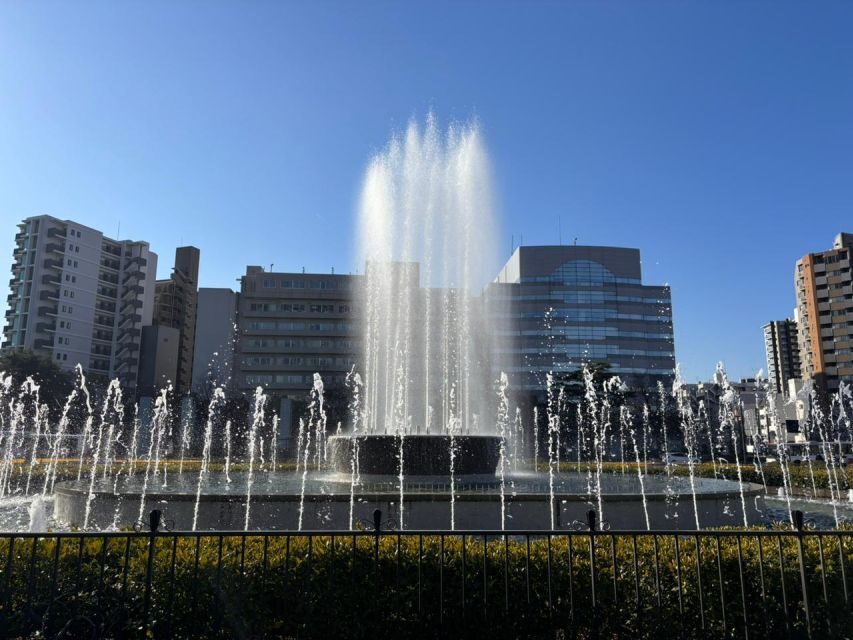
Next comes the Prayer Fountain (about 10 minutes). This is one of those moments where the “what am I looking at” questions start to pop up. A good guide helps you see it as part of a system of symbols—small elements that point back to loss, endurance, and the idea of peace.
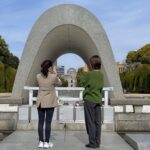
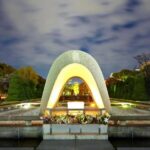
Then you move to the Hiroshima Victims Memorial Cenotaph (about 10 minutes) and the Flame of Peace (about 5 minutes). The value here is not that you get facts in a neat list. You get the logic of the park. The guide explains how these choices communicate messages about remembrance and the human consequences of Aug. 6.
Practical tip: if you’re the type who likes to take photos, do it, but also give yourself a few seconds where you put the phone away and just listen. These early stops are where you’ll understand the tone the guide is aiming for.
Hiroshima National Peace Memorial Hall: What the Tour Adds Inside
At the Hiroshima National Peace Memorial Hall for Atomic Bomb Victims, you get included entry (the tour description calls out entrance as part of the package). It’s a key reason to take a guided walk instead of going straight to a couple of outdoor landmarks.
The tour plans about 15 minutes here. That’s enough time to absorb the main material without feeling like you’re speed-running a serious museum. The guide’s job is to connect what you see indoors back to the outdoors, so your mental map of the memorial area stays coherent.
This is also where you’ll usually get better framing for the timeline: what Hiroshima was like before, why it was selected as a primary target, what happened on Aug. 6, and how the city rose from the ashes afterward. Even if you already know the basics, this stop helps you understand the “why” and the “how” behind the memorial layout.
Children’s Peace Monument to Burial Mound: The Stops That Broaden the Story
After the hall, the tour gives you 20 minutes of free time. That’s one of the best design choices in the whole schedule. You can step aside, check the names on plaques, and reset emotionally before the walk gets even more specific.
Then you continue to the Children’s Peace Monument (about 10 minutes), with a photo stop included. This is another moment where a guide’s role matters. A monument about children can sound like it’s only about tragedy, but the guidance helps you see how the park communicates hope and the demand to prevent repeating what happened.
Next comes the Atomic Bomb Memorial Burial Mound (about 10 minutes). The guide connects it to the human impact and what survivorship and loss looked like in the long term. You’re not just learning that people died; you’re understanding how memory is shaped in the years after.
Then you’ll visit the Korean Atomic Bomb Victims Cenotaph (about 5 minutes, including a short walk). This stop is valuable because it broadens the story beyond what many first-time visitors assume. The guide helps you connect the marker to the larger theme of suffering and responsibility, including victims who are often less discussed in casual summaries.
Other walking tours we've reviewed in Hiroshima

Bell of Peace to Atomic Bomb Dome: Reading the Core Evidence
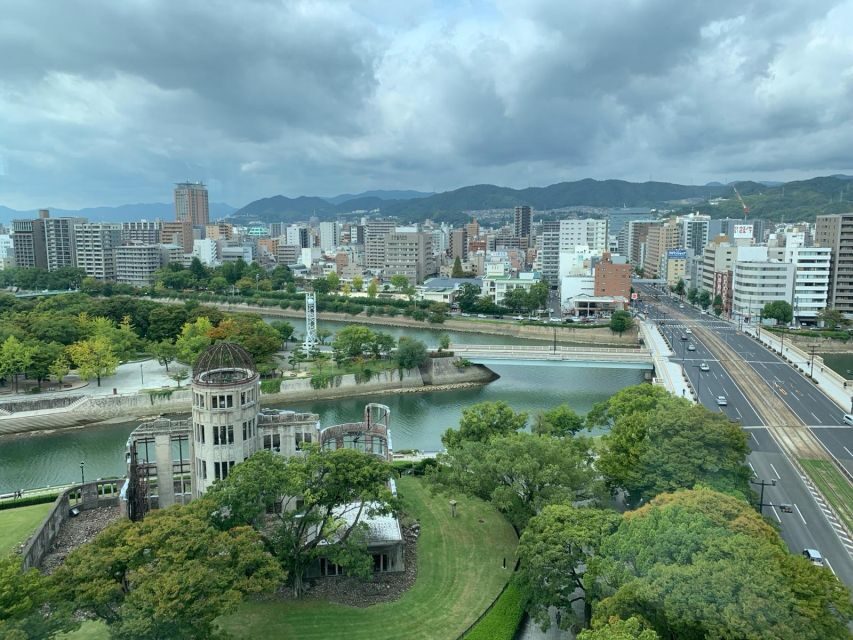
Now the walk turns toward the most famous landmarks, but the tour still insists on meaning over name-dropping.
You’ll stop at the Bell of Peace (about 10 minutes, with a photo stop). The guide usually uses this point to explain symbols and how the park communicates ideas of remembrance through sound and ceremony. It’s one of those stops where you can linger, even if the official time is short.
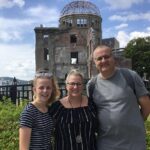
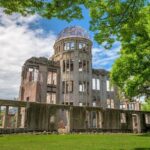
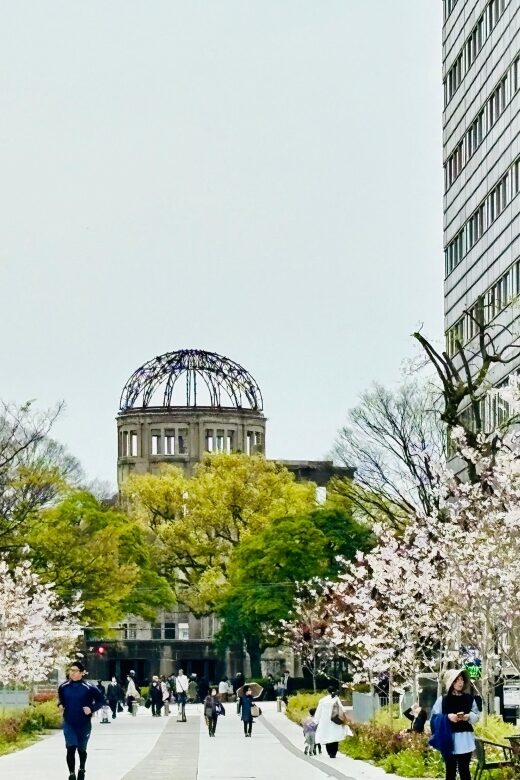
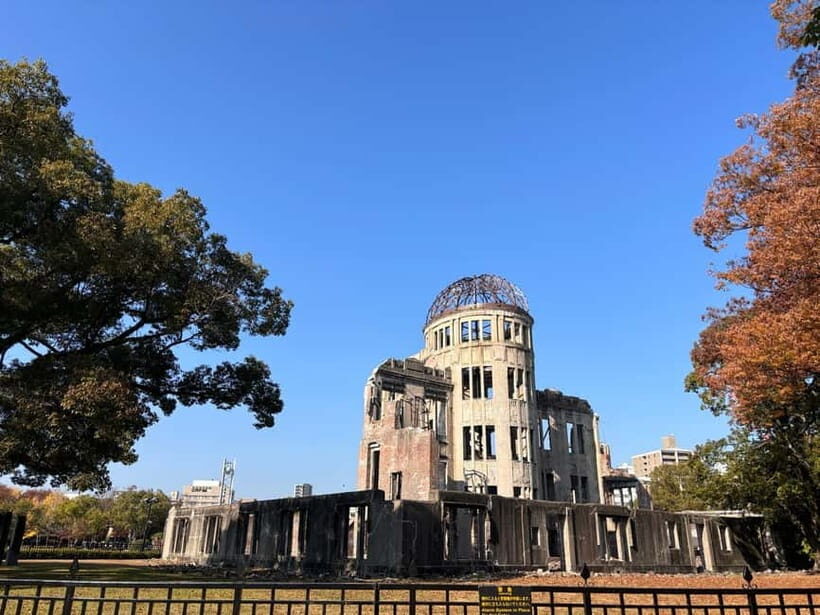
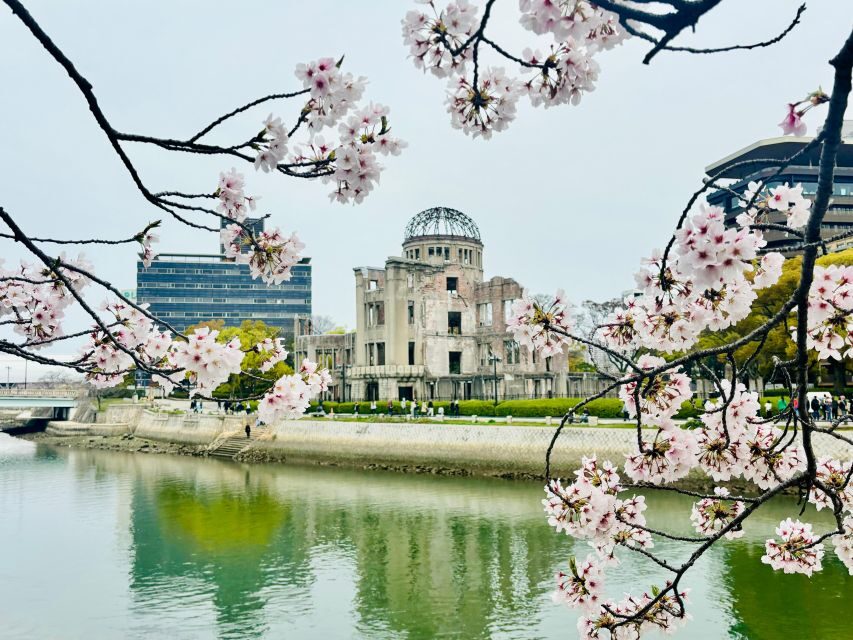
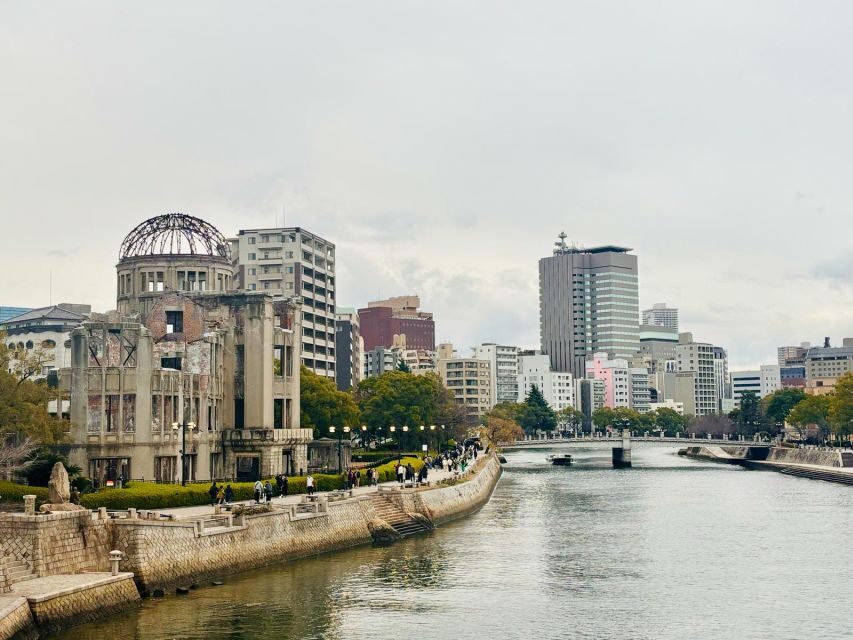
After that, you reach the Atomic Bomb Dome (about 15 minutes, photo stop + guided sightseeing). The tour highlights that this is the only structure left standing after the blast. That single fact can feel surreal until you understand what it means in the context of the moment of Aug. 6 and the years that followed. A guide makes sure you don’t just treat it like a dramatic ruin. You learn why it’s preserved and what the presence of the building is meant to say.
Then comes the Hypocenter (about 10 minutes, photo stop + guided tour). The name sounds technical, but the park’s explanation turns it into something human. You learn how the point on the map connects back to the lived reality of survivors and the lasting effects that reached far beyond that instant.
The tour finishes at the Hiroshima Atomic Bomb Hypocenter Monument, so you leave with the story centered where it belongs: on the event’s location and consequences.
Guide Style: Why the Best Part Isn’t the Route
A big part of why this tour gets such strong feedback is pacing and tone. Many guides handling Hiroshima can either go too fast (ruins blur together) or go too stiff (people feel like they’re not allowed to ask questions). This tour aims for something more workable.
From the guide descriptions and what you’ll likely experience, the best guides balance respect with clarity. They’ll answer questions and connect landmarks to testimonies. In recent experiences, people name guides like Moe for personal storytelling, Ali for strong on-route explanation, Aya for a local perspective, and Nisa or Shiva for handling the material with care.
You can also expect a bit of personality. Some guides are described as friendly and even able to keep the mood from becoming flat, without turning it into a joke. That balance matters here. If the tour never lets you breathe, you might remember only heaviness. If it’s too light, you might remember only facts.
Also, you’ll appreciate that the route includes time for questions during the walk and stops. One reason the experience sticks is that the guide is willing to address curiosity directly instead of brushing it off.
Stop-by-Stop Schedule: What the Two Hours Feels Like
Here’s the “shape” of the experience so you can decide if it fits your day. It’s not a loose strolling tour. It’s a structured route with short guided stops, then a few minutes for photos and reflection.
You start at the Gates of Peace, then move through memorials in a logical progression. The tour includes guided time such as 5–10 minutes at several outdoor points, a longer 15-minute visit at the Peace Memorial Hall, then a 20-minute free period before returning to the key outdoor markers that culminate at the Dome and Hypocenter.
That pacing is smart for first-timers. You get enough time to understand each spot, but the tour doesn’t drag. If you’re short on time in Hiroshima, this is the kind of plan that gives meaning without demanding a full day.
Price and Value for $35 in Hiroshima Peace Memorial Park
At $35 per person for about two hours, the price feels fair if you care about context. You’re paying for two things: guided interpretation and included entry to the Hiroshima National Peace Memorial Hall for Atomic Bomb Victims.
Could you visit the park on your own? Sure. But the “on your own” approach forces you to do the hard work of interpretation. Here, the guide does that part for you and ties the sights together—especially the transitions between major memorials and the less obvious markers.
The value is also in how the tour helps you avoid shallow understanding. Hiroshima’s memorial area is full of names and symbols. A guide helps you connect them to a full story: before the bombing, the choice of target, the bombing day, and what comes afterward.
Who Should Book This Hiroshima Peace Memorial Park Tour
This tour is a strong fit if you want an organized, respectful way to understand Hiroshima’s memorial space without getting lost in details. It’s also a good match if you like asking questions and want answers that connect what you see to why it exists.
It’s especially worth it for first-timers who feel overwhelmed by how much is packed into a small area. The route covers famous places like the Atomic Bomb Dome, but it also includes memorials such as the Korean Atomic Bomb Victims Cenotaph, which helps broaden your understanding beyond the simplest version of the story.
If you’re someone who needs quiet time more than explanation, the tour’s structure might feel intense. The 20-minute free section helps, but you should still expect guided stops and a steady flow of information.
Should You Book This Tour?
Yes, if you’re going to Hiroshima and you want more than a photo route. Booking is a practical way to get a coherent understanding of what each monument is communicating, including testimony-linked storytelling and symbolism you might miss alone.
I’d also book it if your schedule is tight. Two hours is just enough time to see the essentials—Peace Gates, Peace Memorial Hall, Atomic Bomb Dome, Hypocenter—without turning the day into a blur.
If you’re sensitive to heavy material, go in with intention. Bring tissues if you need them, and give yourself a little quiet time afterward. The tour isn’t trying to shock you. It’s trying to make sure the meaning doesn’t get lost.
FAQ
Where do I meet the guide?
Meet at the Gates of Peace, located next to the Italian restaurant Mario.
How long is the Hiroshima Peace Memorial Park walking tour?
The tour lasts about 2 hours.
How much does it cost?
The price is $35 per person.
Is the tour in English?
Yes, the live tour guide speaks English.
What’s included in the tour price?
You get a guided tour, plus entrance to the Hiroshima National Peace Memorial Hall for Atomic Bomb Victims.
What should I wear or bring?
Wear comfortable shoes and bring weather-appropriate clothing.
Can I cancel if my plans change?
You can cancel up to 24 hours in advance for a full refund.