REVIEW · HIROSHIMA
Hiroshima Peace Memorial Museum & Miyajima Spiritual Shores
Book on GetYourGuide →Operated by Fukuhara tours · Bookable on GetYourGuide
Hiroshima hits you fast. This guided day pairs Hiroshima Peace Memorial Museum with the ferry and shrine time on Miyajima, so the story moves from aftermath to hope. I really liked how guides such as Ihsan or James keep the tone respectful in English, and you get that first clear view of the floating torii when the timing works.
One consideration: the tour is not suitable for wheelchair users, so think carefully about mobility before you book.
In This Review
- Key highlights that matter
- Hiroshima’s Peace Memorial sites hit harder with a guide
- Peace Memorial Museum: how personal objects make history real
- Peace Memorial Park: quiet monuments that ask for reflection
- Atomic Bomb Dome: the frozen reminder you can’t shake off
- How the ferry ride to Miyajima changes the feel of the day
- Itsukushima Shrine and the floating torii at high tide
- Price and value: what $121 actually covers
- Practical tips before you go (so the day feels easy)
- Who should book this tour, and who might skip it
- Should you book it? My quick decision guide
- FAQ
- What’s included in the tour price?
- Is lunch included?
- Does the tour include admission tickets?
- Are ferry and train tickets included?
- Can I request pickup?
- Is the tour wheelchair accessible?
- What languages is the tour offered in?
- What’s the cancellation policy?
Key highlights that matter
- Respectful English storytelling that keeps heavy history clear and human.
- Peace Memorial Park monuments designed for quiet reflection, not rush-through sightseeing.
- Atomic Bomb Dome and memorial sights that leave a sharp, lasting mental image.
- Ferry ride mood shift to Miyajima as the day goes from somber to calm.
- Itsukushima Shrine and the torii gate timing at high tide for the signature look.
- Momiji manju and an optional food break so you can snack without derailing the schedule.
Hiroshima’s Peace Memorial sites hit harder with a guide
Hiroshima is one of Japan’s most important places to understand, and it’s also one of the places where you should slow down. This tour works because it doesn’t treat the day like a photo scavenger hunt. You start with the facts and the personal stories, then you step outside into the open air and feel the design of the memorial spaces.
A big part of the value is the guide. I like that you’re not left alone with the exhibits. Guides such as Ihsan and James bring context in English, and they handle the topic with care. That matters, because the subject is heavy and you don’t want your visit to feel cold or confusing.
You’ll also appreciate the small group size. It helps at memorial spaces where it’s easy to get crowded, and it keeps the pacing more relaxed—enough time to look, absorb, and move on when you’re ready.
Other Miyajima Island tours in Hiroshima
Peace Memorial Museum: how personal objects make history real
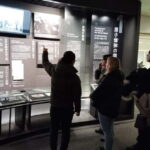
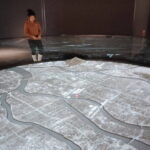
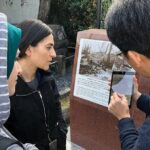
The Hiroshima Peace Memorial Museum is where the day becomes personal. You’re shown the bomb’s impact through survivor accounts, haunting images, and items connected to the people who lived through it. The museum doesn’t just explain what happened in 1945—it helps you understand what it meant for real lives.
Here’s what I think makes a guided approach especially worthwhile: the guide can point you to the parts that are easiest to miss when you’re reading on your own. They can connect exhibits so your brain forms a timeline instead of a pile of facts. And because the storytelling is in English, you’ll spend less time struggling with interpretation and more time understanding the message.
Tip for your visit: give yourself permission to pause. Some displays are intense. If you feel yourself moving too fast, stop for a minute and let the details settle before you keep going.
Peace Memorial Park: quiet monuments that ask for reflection
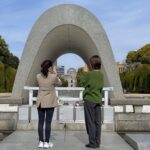
After the museum, you step into Peace Memorial Park, which feels different immediately. Indoors, the museum presses in with images and objects. Outdoors, the park opens up space for thinking, with monuments placed for remembrance rather than sightseeing.
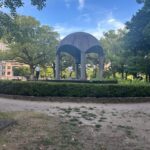
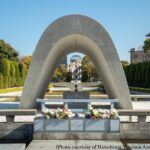
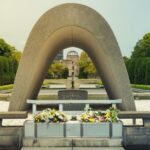
You’ll visit key stops such as the Children’s Peace Monument and the Eternal Flame of Peace area. You’ll also see memorial structures including the Memorial Cenotaph. The effect is a lot like shifting from a story into a vow: not just what happened, but what the world is trying to prevent next.
A practical note: park visits go faster than you expect when you’re walking and looking at everything. Build in a calm rhythm—look first, then read, then look again. If you try to do it all in one sweep, you’ll miss the emotional weight the park designers intended.
Atomic Bomb Dome: the frozen reminder you can’t shake off
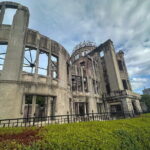
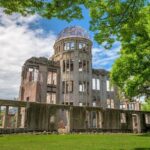
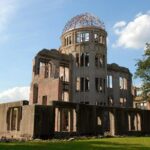
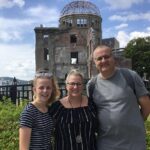
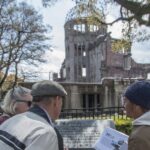
The Atomic Bomb Dome is a strange kind of place—quiet, damaged, and strangely preserved. It’s also one of those sights that works best when you don’t overthink it. Just look. It’s a silent witness, and the message lands even if you’re not a history buff.
On a guided day, the value is that you’re not just staring at a building ruin. You’re walking with context about why this structure matters and what it represents in the bigger story of Hiroshima’s recovery and the peace message that grew from tragedy.
Also remember the rules: this tour doesn’t allow drones. So plan to capture memories in other ways—notes, sketches, or just your camera like a normal human. The dome doesn’t need special effects.
How the ferry ride to Miyajima changes the feel of the day
At some point, the day shifts. You leave Hiroshima’s memorial gravity and take a ferry toward Miyajima Island, a place known for spirituality and slow beauty.
This transit matters. The ride gives you a transition buffer so the day doesn’t feel like one emotional topic after another. You’ll get the practical logistics handled—round-trip ferry ticket and train tickets are included—and that means you can stay mentally present instead of checking routes.
Once you arrive, Miyajima doesn’t feel like a museum. It feels like an island that’s been doing its own thing for a long time. Paths, shrines, and nearby traditions create a slower pace. In the tour experience, that change is often what makes the full day feel complete.
Other Peace Memorial Park tours in Hiroshima

Itsukushima Shrine and the floating torii at high tide
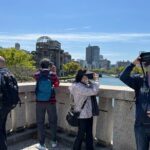
If you want a single image that matches Miyajima’s reputation, it’s the torii gate seeming to float in the water. This tour focuses on that iconic moment: the floating vermilion Tori gate at high tides.
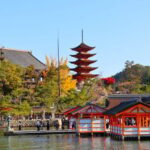
Itsukushima Shrine is the heart of the island’s atmosphere. The guide-led walk helps you understand what you’re seeing—how the shrine’s setting links nature, spirituality, and history. You’ll also get time around other key spots like the five-story pagoda area and the surrounding local shopping streets.
And yes, you’ll likely see the famous deer. They’re part of the island’s routine, so treat them like background characters, not wild pets. Keep your personal items secure and don’t feed them unless you see clear guidance to do so.
Timing note: the floating effect depends on tide. Your tour is designed around the key spots including the torii gate, but nature runs the show. If the water level looks just right, you’ll get that signature look; if it’s not perfect, you’ll still have the shrine setting, which is the real point.
Price and value: what $121 actually covers
At $121 per person, this is priced like a full guided day rather than a simple transfer. The value comes from the combination of:
- Guided tour with a local expert throughout the day
- Admission tickets included for Hiroshima Peace Memorial Park and Museum
- Visits that include the main memorial areas such as the Atomic Bomb Dome and memorial monuments
- Ferry ride to Miyajima plus round-trip ferry and train tickets included
- Shrine admission included
- Guide-led time on Miyajima for major spots like the torii gate, five-story pagoda area, and shopping streets
- Small group size, which helps with pacing and questions
What’s not included is also clear, and it matters for budgeting: lunch isn’t provided. You’ll have an optional food break on Miyajima, and you’ll also have time for local sweets like Momiji Manju. That works for many people because it lets you choose what fits your taste rather than being stuck with one set lunch.
If you’re comparing this to buying separate museum tickets, transit, and a private guide, the math can look very reasonable. You’re paying for interpretation, tickets, and transportation handling in one package.
Practical tips before you go (so the day feels easy)
This is a day with two very different moods. Plan for that. Bring what you need to stay comfortable, especially if you tend to get restless in crowds.
A few choices that help:
- Wear shoes you can stand and walk in for a good chunk of the day.
- Bring a small water bottle and plan to buy drinks during the optional food break, since food and drinks aren’t included.
- On Hiroshima memorial sites, keep your energy low-key. This isn’t a place for loud conversations or phones at full volume.
- On Miyajima, save room for sweets. The tour includes time for Momiji Manju, which is a fun, easy souvenir you can snack on immediately.
One more policy note: the tour doesn’t allow pets, drones, alcohol, and drugs. It’s standard for Japan tours, but it’s worth remembering so you don’t arrive with surprises.
Who should book this tour, and who might skip it
This works best for people who want meaning, not just movement. If you care about history but also want a guided explanation that stays respectful, you’ll appreciate how the day is structured from museum to memorial park to the dome, then onward to Miyajima’s spiritual side.
You should especially consider booking if:
- You like learning from local experts in English
- You want help seeing the right things without getting lost in timing
- You want a mix of remembrance and calm beauty in one day
Skip or rethink if:
- You need wheelchair accessibility, since the tour is not suitable for wheelchair users
- You’re looking for a laid-back day with zero emotional intensity. Hiroshima’s tone is unavoidable.
Also, if your group includes kids or teens, the Children’s Peace Monument can be a powerful moment. Just be ready for serious feelings.
Should you book it? My quick decision guide
Book this tour if you want Hiroshima’s story told clearly and respectfully, then you want a real change of pace on Miyajima. The guide-driven format is the key value here—especially for the museum and memorial areas where context makes a huge difference.
Don’t book it if accessibility is a problem for you or if you’d rather read about history on your own. This day is designed around guided interpretation, admissions, and organized movement between sites.
If you can handle serious topics with a calm mindset, you’ll come away with two strong images: the Dome standing in silence, and the torii gate reflecting the idea of peace in a very different setting.
FAQ
What’s included in the tour price?
The tour includes a guided experience with a local expert, admission for the Hiroshima Peace Memorial Museum/park, visits that include the Atomic Bomb Dome and memorial monuments, ferry ride to Miyajima, round-trip ferry and train tickets, shrine admission, guide-led walking time on Miyajima, and an optional food break with time for Momiji Manju. Lunch and drinks are not included.
Is lunch included?
No. Lunch is not included, and you’ll have an optional food break on Miyajima where you can purchase your own food and drinks.
Does the tour include admission tickets?
Yes. Admission tickets are included for the Hiroshima Peace Memorial Museum/Park area and for Itsukushima Shrine.
Are ferry and train tickets included?
Yes. The tour includes the ferry ride to Miyajima and round-trip ferry ticket and train tickets.
Can I request pickup?
Yes, optional pickup is available upon request. Pick-up locations include Hiroshima Ujina Port, Hiroshima Station (Shinkansen Exit), and a specific spot at Hiroshima Peace Memorial Park that’s shared after booking.
Is the tour wheelchair accessible?
No. The tour is not suitable for wheelchair users.
What languages is the tour offered in?
The tour is offered in English, Urdu, and Hindi.
What’s the cancellation policy?
You can cancel up to 24 hours in advance for a full refund.