REVIEW · HIROSHIMA
HiroshimaCity: JapaneseAbacus(Soroban)Workshop nearPeacePark
Book on GetYourGuide →Operated by sketch · Bookable on GetYourGuide
On paper, it sounds small. In practice, it helps you think differently. This private soroban workshop near Hiroshima Peace Memorial Park turns an old tool into a hands-on mini mental workout, with a calm, local setting instead of another rush of sightseeing.
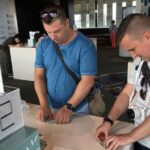
I really like the private, hands-on format. You use a real abacus, practice moving the beads, and learn addition and subtraction in a way that clicks for first-timers. I also like the location and pacing: you can treat Peace Memorial Park as your anchor, then step into a quieter workshop that feels like a real skill-building moment.
One possible drawback is language and explanation depth can vary. The host/instructor is listed as Japanese and English, and some people found communication a bit tight, so you may want to slow down, ask simple questions, and not expect an in-depth lecture on everything.
In This Review
- Key Points to Know Before You Go
- Soroban in 90 Minutes Near Peace Memorial Park
- Finding ARTBIT: the Glass-Front Shop Meeting Point
- A Private, Beginner-Friendly Soroban Session That Actually Teaches
- The Bead-Moving Technique: Why Fingers Matter Here
- The Short Calligraphy Piece and the Handmade Keepsake
- Price and Value: What $29 Buys in Hiroshima
- Timing and Planning: How This Fits Your Day
- The Main Consideration: Communication and Explanation Depth
- Who Should Book This Hiroshima Workshop
- Should You Book It: My Practical Take
- FAQ
- Where is the meeting point for the workshop?
- How long is the Japanese abacus (soroban) workshop?
- Is this a private group activity?
- Do I need to know Japanese or have math experience?
- What languages are used by the instructor?
- What activities are included in the session?
- What is included in the price?
- Can I cancel, and is there a pay-later option?
Key Points to Know Before You Go
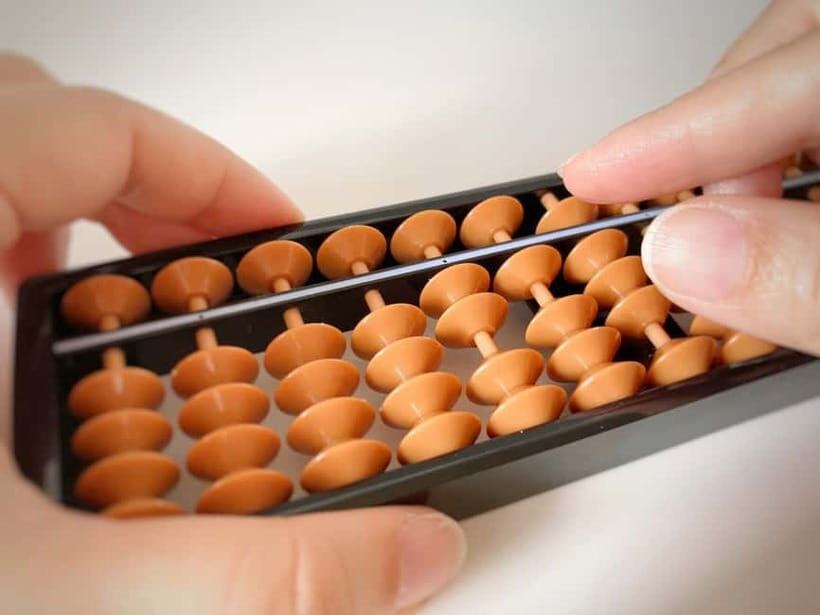
- Private group format with hands-on instruction and practice materials included
- Beginners welcome: no math background required, even if you think you are bad at math
- 90 minutes gives enough time to learn the basics and practice them
- Near Peace Memorial Park, so it’s a smart, calmer add-on day plan
- A short calligraphy component may be part of the class, plus a small handmade gift/keepsake
Soroban in 90 Minutes Near Peace Memorial Park
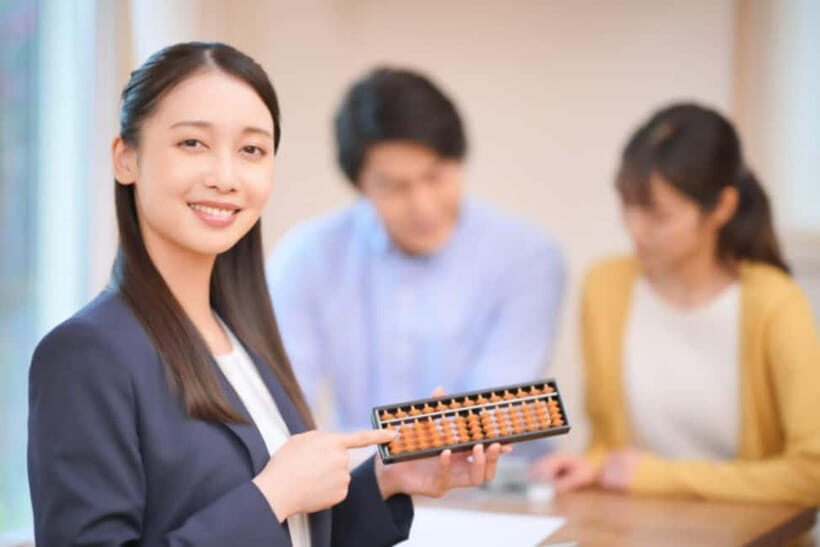
This workshop is built around one goal: getting you comfortable with the Japanese abacus, the soroban, and the way Japanese mental math visualizes numbers. The soroban has roots in the Edo period, but the modern reason people keep teaching it is practical. It trains concentration, memory, and numeric thinking through repetition and clear finger technique, not by formulas you memorize and forget.
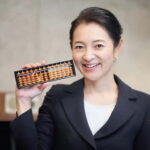
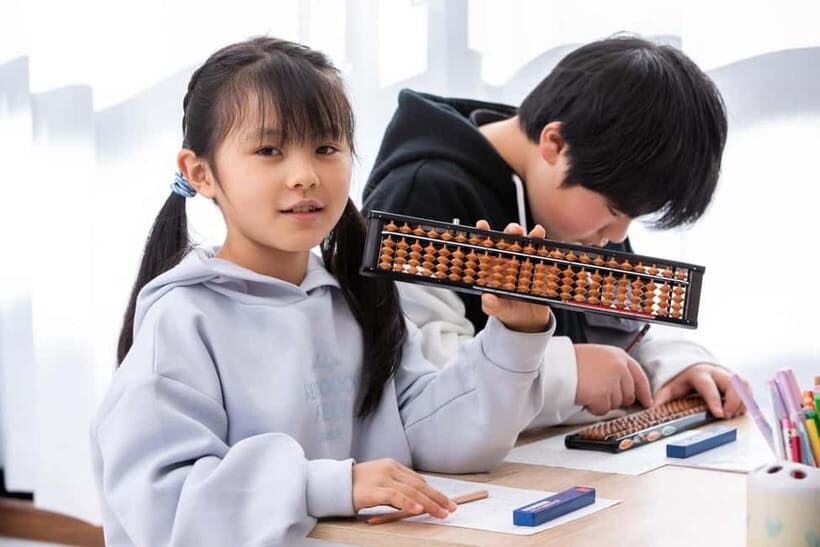
What you get in 90 minutes is enough time to stop treating it like a novelty. You’ll actually handle the abacus, learn how to move the beads with your fingers, and do simple exercises like addition and subtraction. That makes it a great break from typical Hiroshima sightseeing, where your brain is busy scanning landmarks, not practicing skills.
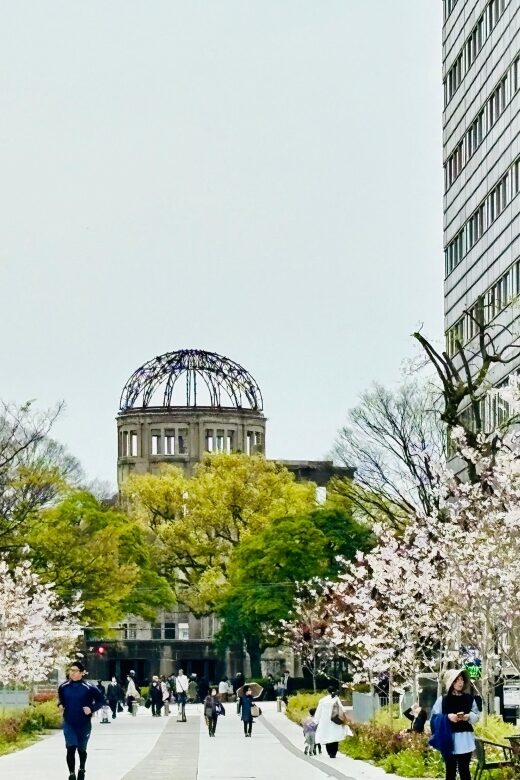
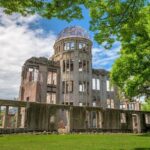
It also helps that the workshop is close to Hiroshima Peace Memorial Park. You can plan your day so the emotions and meaning of the park sit with you, then you shift into something quiet and focused. For many people, that contrast is the point.
If you're still narrowing it down, here are other tours in Hiroshima we've reviewed.


Finding ARTBIT: the Glass-Front Shop Meeting Point
Meeting point matters, especially in Japan where small streets and storefronts can look identical from across the road. Here, the meeting place is straightforward: come to the front of the shop ARTBIT, described as a small art shop with a glass front.
Plan to arrive a few minutes early and wait in front of the shop. Your staff meets you there and guides you to the experience space. That small detail is worth your attention. If you show up right at the start time, you risk losing a chunk of your 90 minutes to confusion.
Because ARTBIT is in a neighborhood setting, you can also treat it like an easy pre- or post-park stop. The workshop location being walkable to Peace Memorial Park is the bigger convenience, but ARTBIT is what keeps the whole plan simple.
A Private, Beginner-Friendly Soroban Session That Actually Teaches
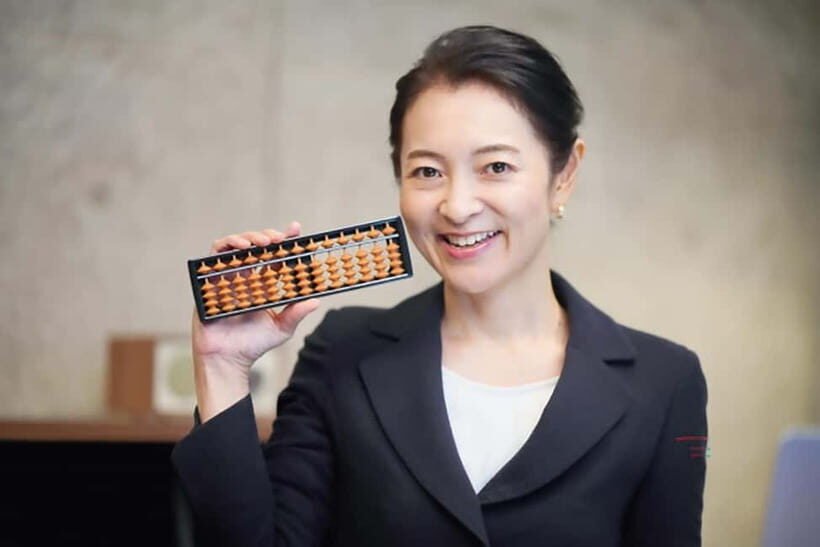
The biggest reason this class works for non-math people is the way it is structured for beginners. You do not need prior experience, and you do not need to know Japanese to participate comfortably. The instructor explains the steps gently and clearly, and the class is designed for people who may feel uncomfortable with math.
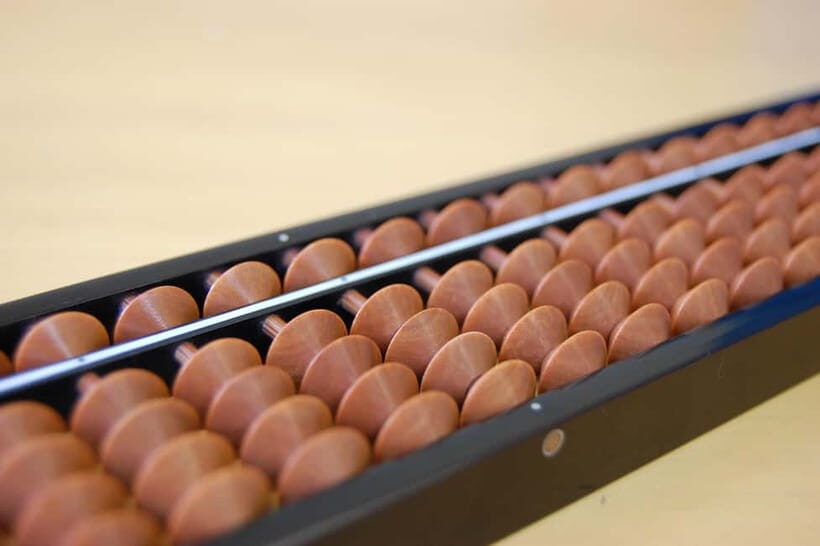
During the session, you learn the core “mechanics” first: how the soroban is set up and how you move the beads to represent numbers. After that, you build confidence through short, simple exercises. Think addition and subtraction drills, repeated in a way that reinforces the visual pattern you are forming.
The result you’re aiming for is not mastery of complicated calculations in one sitting. It’s learning the mindset: how you hold a number in your head while your fingers move the abacus. Once you understand that link, soroban starts feeling like a mental rhythm, not like a worksheet.
There’s also a calm training feel to it. Even when people are laughing or chatting, the task stays structured: touch the abacus, move beads correctly, check your result. That makes the experience good for families too, because it keeps everyone doing the same activity.
The Bead-Moving Technique: Why Fingers Matter Here
Soroban isn’t just about numbers. It’s about timing and precision with your hands. The class focuses on using your fingers to move the beads, step-by-step. That matters because soroban technique is part of the learning. If you move beads sloppily, your whole mental process can get confused.
In a traditional tool like this, small physical habits become mental habits. You start to visualize numbers in a way that matches how the abacus displays them. That’s why people describe it as training for concentration and memory, not only a fun class.
For you, that means you should go in with one practical mindset: expect to repeat. Even short practices build muscle memory for both hands and thinking. If you’re the type who wants quick answers, don’t rush. Give your fingers time to learn the motion, and your brain tends to follow.
And because it’s private, you’re more likely to get immediate correction when something feels off. That’s a big quality-of-life advantage versus a large group demo where you sit and watch.
The Short Calligraphy Piece and the Handmade Keepsake
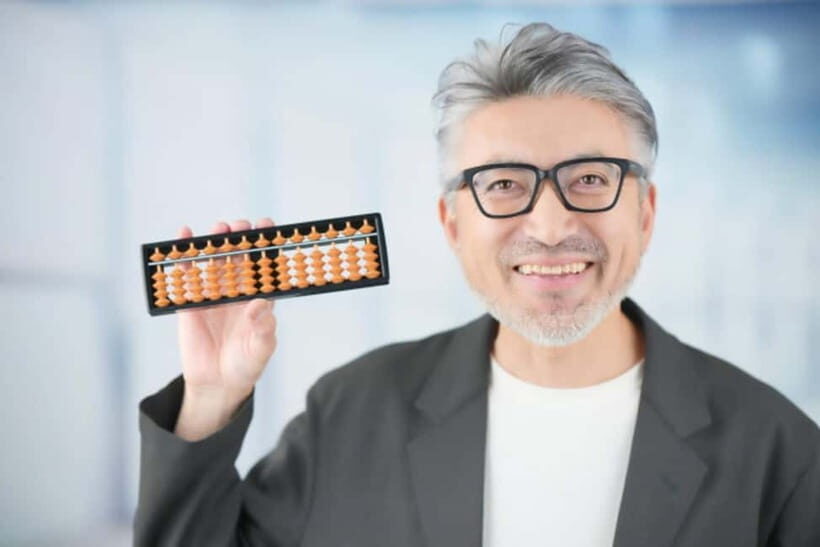
This experience isn’t only abacus math. There is also a calligraphy component in the session. People describe it as quite short compared to the soroban practice, but it’s still part of the cultural mix.
If you’ve never held a brush properly, this section can be especially fun because it changes the pace. Soroban makes you think through steps and bead positions; calligraphy makes you focus on control and form. Even a brief introduction helps you walk away with the feeling that you touched another side of Japanese learning.
You’ll also leave with a small gift or keepsake described as self-made. That turns the workshop into something more than a one-time experience. You’re not only learning; you’re taking home proof that you did the work.
One note: some people found the calligraphy explanation a bit limited, especially if communication felt challenging. So if calligraphy is your main goal, aim to ask for one or two direct tips during the brush part. A short question like how to hold the brush or how to follow the stroke order can make a big difference.
A few more Hiroshima tours and experiences worth a look


Price and Value: What $29 Buys in Hiroshima
At $29 per person for a 90-minute private session, the value is mainly in the ratio of instruction time to hands-on practice. You’re not sitting in a group and hoping you get a turn. You’re working directly with the abacus while an instructor guides you.
Also, materials and practice setup are included. You are not just being entertained with a demonstration; you have the tools in front of you. When you combine that with the cultural add-on (calligraphy) and a handmade gift, the cost starts to make sense as a skills-and-craft experience.
Is $29 “cheap” in a tourist sense? Maybe. Is it cheap in the sense of what you’re getting? It’s fair, especially because you’re near a major cultural anchor (Peace Memorial Park) and don’t need extra transit to reach the venue.
If you’re deciding between this and a more generic activity nearby, consider what you actually want your day to do. This workshop gives you something active to remember. Many people like that more than another photo stop.
Timing and Planning: How This Fits Your Day
Ninety minutes is a sweet spot. Long enough to learn, short enough to not hijack your whole schedule. For Hiroshima planning, that’s important because most people want to cover the Peace Memorial Park area and then add something lighter or more personal.
Here’s a practical way to think about it:
- If you start with the park, come to ARTBIT afterward to give your brain a structured “switch” into learning.
- If you start with the workshop, you can treat it as a calmer introduction to Hiroshima before you head into the heavier historical space.
Either way, wear comfortable clothes. You’ll be focused on hand movements and posture while using the abacus and handling the brush. You won’t be traveling far, but you will be working your hands for the full session.
Also, because it’s a private group experience, expect the pace to be flexible. If you need a moment to understand bead movement or want to ask about the technique, you’re more likely to get it than in a class where the instructor has to keep many people synchronized.
The Main Consideration: Communication and Explanation Depth
This is the only part where you should go in with eyes open. The instructor is listed as Japanese and English, and the session is designed to be beginner-friendly. Still, some people experienced communication friction and wanted more explanation, especially around using the abacus correctly and holding the brush.
So how do you protect yourself from that? Keep your questions simple and focused:
- What am I supposed to do with my fingers at this step?
- Is my bead position correct for this number?
- Can you show the brush hold again, slowly?
If you do that, you’ll get a lot out of the hands-on portion even if the language flow isn’t perfect. Also, remember that soroban learning is tactile. Even if words are limited, correct modeling and your own practice do much of the teaching.
Who Should Book This Hiroshima Workshop
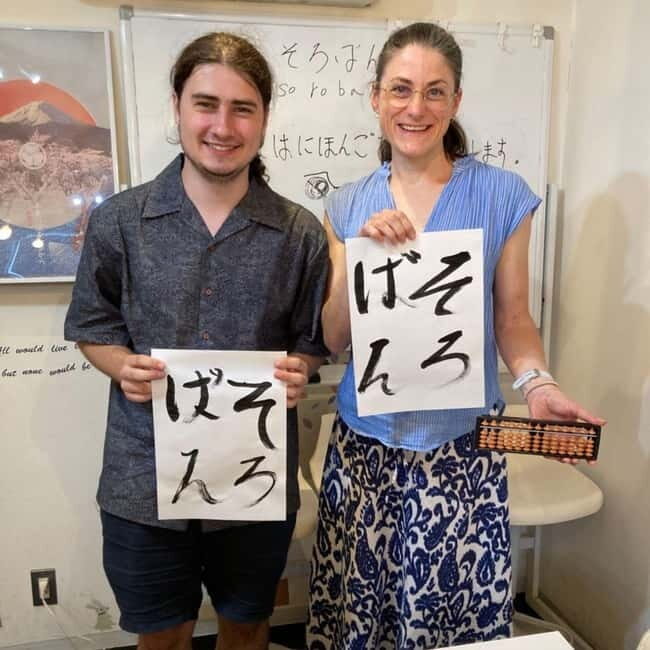
This is one of those activities that fits more groups than you might expect.
- Families: It’s beginner-friendly and hands-on, so kids and adults share the same activity. The structure helps keep it calm instead of chaotic.
- Couples: It’s a private, skill-building date that doesn’t rely on loud entertainment.
- Friends: You can compare how you each visualize numbers and enjoy the small competition of doing the calculations correctly.
If you’re the kind of person who likes small cultural skills, you’ll probably enjoy it. If you want big tourist spectacle, you might find it too quiet. This is more like a workshop than a show.
Should You Book It: My Practical Take
Book it if you want a hands-on cultural activity near Peace Memorial Park that actually teaches you a skill, even if you start from zero. The private format and the 90-minute length make it realistic to learn something you can use in your own practice later.
Skip it or adjust expectations if you’re hoping for a long, detailed lecture about the history and theory behind soroban and calligraphy. Some communication gaps can shorten explanations, especially in the calligraphy part.
But if your goal is to leave Hiroshima with a memorable experience that involved your hands, your mind, and a real Japanese learning tool, this workshop is a strong choice.
FAQ
Where is the meeting point for the workshop?
You meet at the front of the shop called ARTBIT, a small art shop with a glass front. Arrive a few minutes early and wait in front of the shop.
How long is the Japanese abacus (soroban) workshop?
The experience lasts 90 minutes.
Is this a private group activity?
Yes, it’s listed as a private group experience.
Do I need to know Japanese or have math experience?
No. It’s designed for complete beginners, and you don’t need prior experience in math or Japanese.
What languages are used by the instructor?
The instructor provides guidance in Japanese and English.
What activities are included in the session?
The session includes hands-on soroban practice with instruction, plus a calligraphy component and practice materials.
What is included in the price?
The price includes the hands-on soroban experience, guidance from an experienced instructor, practice materials, and a memorable cultural experience.
Can I cancel, and is there a pay-later option?
You can cancel up to 24 hours in advance for a full refund. There’s also a reserve now & pay later option, so you can book without paying immediately.