REVIEW · HIROSHIMA
Experience the Soul of Hiroshima: A Peaceful Koto Workshop
Book on GetYourGuide →Operated by Impression LLC. · Bookable on GetYourGuide
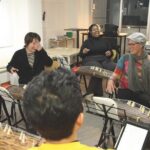
Koto strings and Hiroshima’s meaning share one room. This hands-on 90-minute workshop teaches you the basics of the koto and builds toward a calming peace-focused piece in English. Even if you’ve never played anything, you’ll leave with a performance video and a small symbol of hope.
I especially like how the session connects technique with story: you learn why the instrument matters, including the koto’s 1,300-year legacy and the craft heritage of Fukuyama, the heartland of koto making. And I really love the keepsakes: you get a recording of your final group performance plus an origami crane, tied directly to Hiroshima’s message of peace.
One consideration: it’s only 90 minutes, so if you want a deeper, slower “learn-this-perfectly” experience, you may wish the class ran longer. Some past participants also asked for a bit more time to get fully comfortable before the group piece.
In This Review
- Key points before you book
- Why a koto workshop in Hiroshima feels different
- Finding the studio near Peace Memorial Park
- The 90-minute flow: koto basics to a complete piece
- 1) Koto legacy, meaning, and what you’re holding
- 2) Posture and plucking technique (the stuff you can feel right away)
- 3) Learning the peace-focused composition step-by-step
- 4) Finale: group ensemble performance
- The peace theme: Echo of Serenity and what it communicates
- Your keepsakes: video recording and Hiroshima’s origami crane
- Performance video you can actually share
- Origami crane as a peace symbol
- Refreshments after class
- Price and value: what $50 covers in real terms
- Who this workshop suits best (and who might want a different format)
- Practical tips so your session goes smoothly
- Should you book this peaceful Hiroshima koto workshop?
- FAQ
- Do I need to know Japanese or have music experience?
- How long is the workshop, and what age is it for?
- Where do I meet the instructor?
- What do I get at the end besides playing koto?
- Is this a small group?
- What are the payment and cancellation options?
Key points before you book
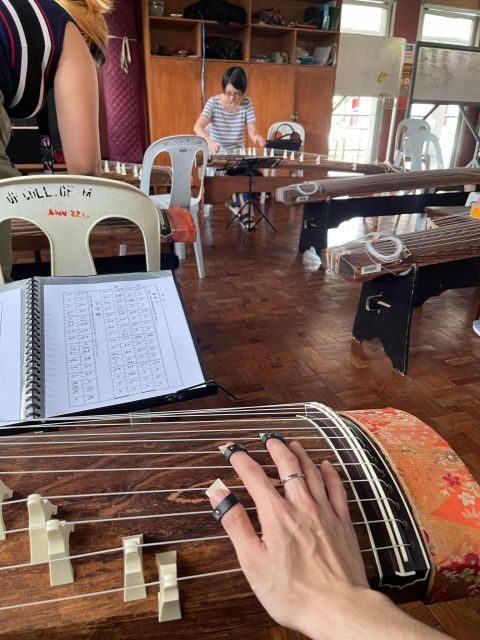
- Fukuyama-crafted instruments: You play kotos made in the region credited with producing most of Japan’s kotos.
- English instruction only: No Japanese needed, and beginners are welcome.
- Peace through a specific composition: You work toward Echo of Serenity, honoring atomic bomb victims.
- Small group format: Limited to 6 participants, so you get hands-on attention.
- Keepsake video plus origami crane: Your performance is recorded, and you take home a peace symbol.
Why a koto workshop in Hiroshima feels different
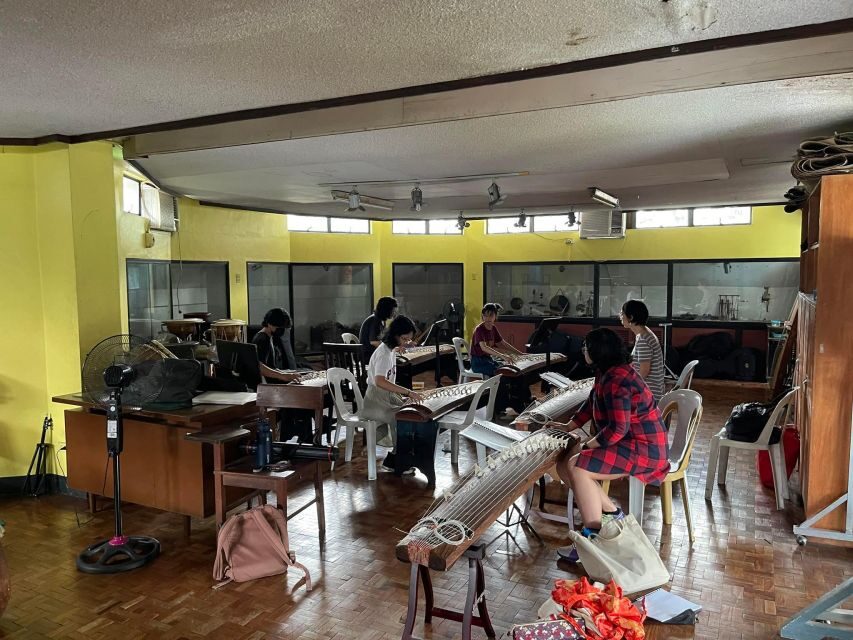
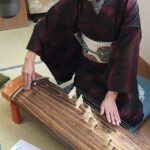
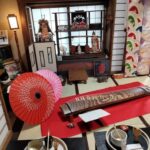
In most places, a music class is just music. In Hiroshima, music becomes a way to slow down and think. This workshop uses the koto—a gentle, resonant 13-string instrument—to guide you through meaning as much as mechanics.
What makes it hit is the specific focus. You’re not just learning a random song. The session centers on Echo of Serenity, a haunting composition honoring atomic bomb victims, and you learn it in a calm, creative studio where the goal is reflection as much as performance. That’s the difference: you come for a hands-on instrument lesson, but you also leave with a personal way to engage Hiroshima’s message of peace.
And the teaching approach helps. The instruction is in English, and you’re guided step-by-step through posture and plucking technique. In past sessions, instructors such as Vincent and Nicholas have been praised for explaining history clearly before moving into technique and group playing.
Other koto music tours in Hiroshima
Finding the studio near Peace Memorial Park
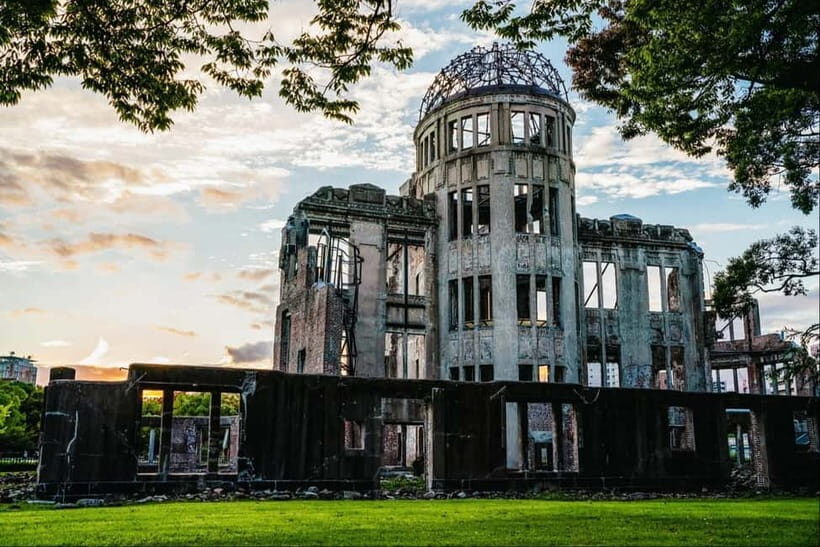
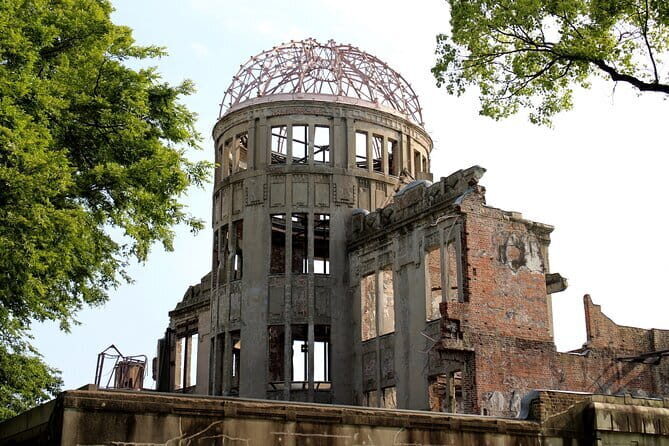
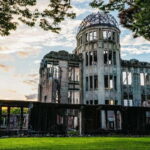
The class takes place in a peaceful studio within walking distance of Peace Memorial Park. That matters because you can mentally shift from the big memorial spaces into something smaller and quieter.
For the meeting point, you’ll start at 石田第2ビル (Ishida Dai 2 Building). If you’re coming via streetcar, get off at Tatemachi station, then:
- Walk straight toward YMCA, using Tully’s coffee shop as a landmark
- When you see the okonomiyaki restaurant Gokku 悟空, turn right
- Continue until you see the workshop sign, then go up to the second floor
Practical note: since the studio is on the second floor, plan a minute for stairs and check the signage so you don’t wander the building-level hallways.
The 90-minute flow: koto basics to a complete piece
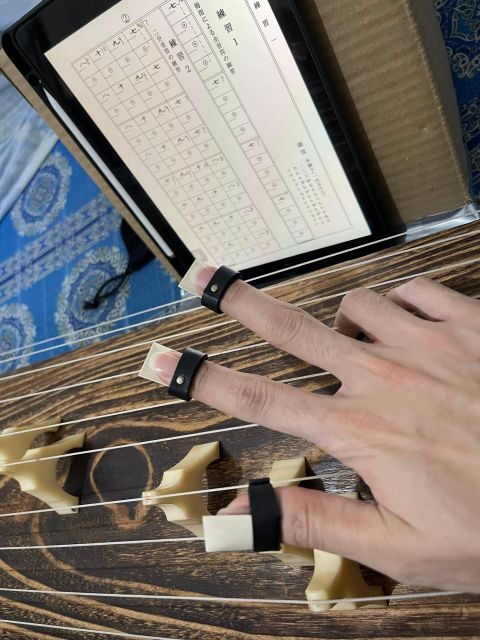
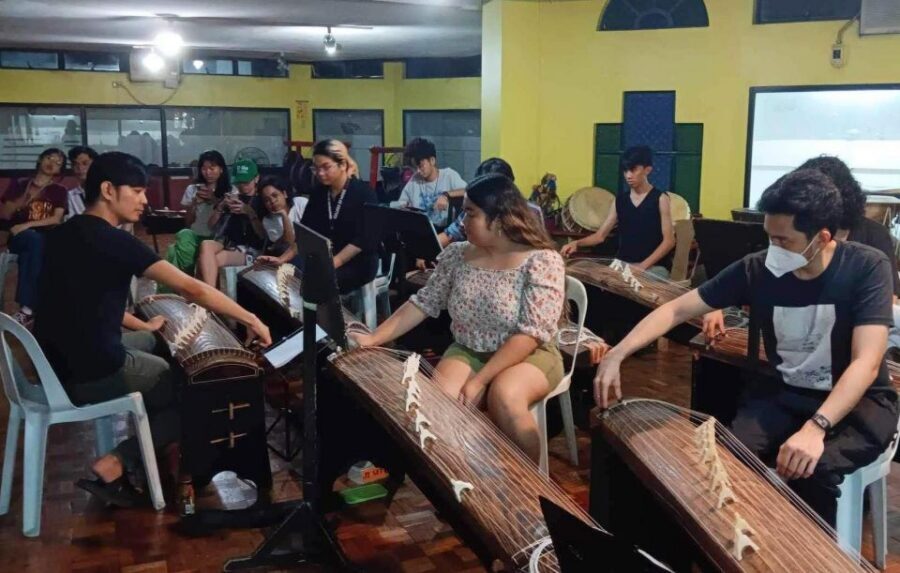
This is a 90-minute, hands-on lesson, designed for beginners. You won’t master the instrument from scratch in one sitting, and the workshop itself is upfront about that. But you will learn enough to play as part of a complete piece by the end—under instructor guidance.
Here’s the usual rhythm of the session:
1) Koto legacy, meaning, and what you’re holding
Early on, you’ll learn about the koto’s long history—it’s described as having roots around 1,300 years back—and you’ll get context for the instrument’s design. You also hear why Fukuyama matters: it’s presented as the heartland of koto craftsmanship, and the workshop notes that over 70% of Japan’s kotos are born there.
That craft context is not just trivia. When you understand where the instrument comes from and why its parts matter, the sound feels less like a novelty and more like a living tradition.
2) Posture and plucking technique (the stuff you can feel right away)
Then you move into the physical basics:
- How to sit correctly with the koto
- How to place your hands
- How to pluck strings with proper technique
Even if you’ve never touched a string instrument before, you’re taught from the ground up. Past participants have said it feels surprisingly fast to build up to a tune and, in some cases, learn the basics of reading koto music during the session.
A few more Hiroshima tours and experiences worth a look


3) Learning the peace-focused composition step-by-step
After the technique groundwork, you work toward Echo of Serenity. The workshop is structured so your instructor can guide your playing as you build the piece. You’re not expected to memorize everything instantly; you’re taught so you can join the group performance by the end.
In a group setting, the goal is balance: you learn your part without needing to be the star. That’s one reason the class cap at 6 participants is important—it keeps the coaching personal enough to keep you on track.
4) Finale: group ensemble performance
At the end, you play together. You’ll perform a group piece with instructor accompaniment, and the session finishes in a way that feels more like a shared moment than a quick lesson with a final exam.
The peace theme: Echo of Serenity and what it communicates
Hiroshima’s memorial message asks for something simple and hard: attention. This workshop turns that attention into sound.
Echo of Serenity is designed to honor atomic bomb victims, and the session frames the koto’s resonant tone as something that words often can’t carry. That might sound poetic, but the practical effect is real—you slow down, you listen for how the notes blend, and you start making micro-adjustments as a group. Instead of “performing at” each other, you’re performing with each other.
You’ll also learn symbolism tied to the instrument itself. Even if you only catch the key ideas, it helps you understand why a koto class in Hiroshima isn’t a generic cultural activity. The craft history (Fukuyama), the instrument’s form and parts, and the specific peace composition all reinforce one theme: music as remembrance.
If you’re the kind of traveler who wants more than photo stops, this is the kind of activity that gives you a personal experience with Hiroshima’s meaning—without requiring any prior knowledge.
Your keepsakes: video recording and Hiroshima’s origami crane
Here’s what you take home at the end, and why it’s valuable.
Performance video you can actually share
You receive a video recording of your group performance. That’s a big deal for two reasons:
- You’ll have something to remember that’s more than a snapshot.
- You can share it with friends or family who couldn’t be there, and they can hear what you worked on.
A lesson like this is hard to “explain” in writing. A video does the job.
Origami crane as a peace symbol
You also get a handfolded origami crane. The workshop specifically connects it to Hiroshima’s enduring symbol of peace. It’s small, but it carries meaning, and it travels well—perfect for a bag, a suitcase, or placing near a desk after you get home.
Refreshments after class
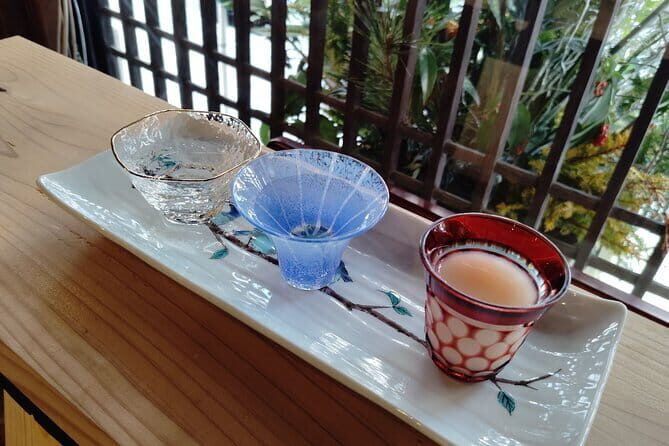
After the session, there’s free soft drink service. Coffee, tea, and juice are also provided. One past participant even mentioned enjoying pineapple juice, which tells you the snack setup is friendly rather than stiff or formal.
Price and value: what $50 covers in real terms
$50 can feel like a lot if you’re thinking only about “a class.” But here, you’re paying for several things at once:
- A full 90 minutes of guided, hands-on teaching
- English instruction for beginners
- A path to playing a complete piece as a group, not just learning random patterns
- A recorded keepsake video of your performance
- An origami crane linked to Hiroshima’s peace message
- Free drinks after class
In other words, the price is buying an experience with endpoints. You’re not just learning skills and then wandering off wondering what you accomplished. You leave having played, recorded, and reflected.
There’s also an extra option if you’re tempted: it’s possible to purchase a koto on the spot, and the workshop notes that you can continue lessons online after. That’s not for everyone, but if you discover a real interest, you’ll appreciate the idea of extending the learning beyond the session.
Who this workshop suits best (and who might want a different format)
This is designed for a wide range of people:
- Families with children 10+
- Couples looking for something quiet and meaningful
- Solo travelers who want a guided cultural activity
- Friends who enjoy hands-on challenges
It’s also a good match if you don’t want a “museum day.” Instead of reading panels and moving on, you’ll do something physical: sit, pluck, listen, and coordinate with others.
The main mismatch is time and expectations. The workshop is only 90 minutes, and you’re taught basics. If you’re expecting a deep mastery of koto technique, you’ll probably want a longer course elsewhere or follow-up lessons. Past participants did note that a slightly longer class would have helped them feel more familiar with the instrument.
Practical tips so your session goes smoothly
A few simple things will help you get the most out of your time:
- Come ready to sit and focus. The lesson depends on posture and controlled hand movements. Loose clothing helps if you want to adjust comfortably.
- Treat it as a group performance, not a test. The final value is the ensemble piece and the recorded video. Your part matters, but you’re not meant to carry the whole show.
- Listen hard before you pluck. The koto’s resonance is part of the learning. When you match timing and tone with the group, the sound becomes more beautiful than the sum of individual notes.
- Take the video seriously. You’ll want to watch it later. It’s a real record of progress you can share and revisit.
Also keep in mind workshop rules: pets are not allowed (assistance dogs are allowed), and alcohol and drugs are not permitted. Nothing about the rules should trip up most visitors, but it’s worth knowing before you arrive.
Should you book this peaceful Hiroshima koto workshop?
If you want an activity that is hands-on, respectful, and emotionally grounded, I think you should book it—especially if you like learning through doing. The combo of English-led instruction, a clear end goal (a group performance), and peace-focused meaning (Echo of Serenity) makes it feel purposeful rather than “just another experience.”
You should also consider booking if you’re traveling with mixed skill levels. Beginners fit here, and the small-group size helps keep instructions clear. And if you enjoy collecting memorable keepsakes that aren’t clutter—like the performance video and the peace crane—this gives you both.
If, however, you’re hoping to become fluent quickly or master multiple pieces in one sitting, you may find the 90 minutes too short. In that case, plan for a follow-up class later.
FAQ
Do I need to know Japanese or have music experience?
No. All instruction is in English, and the workshop is designed for beginners. You learn posture and plucking technique from scratch.
How long is the workshop, and what age is it for?
The session lasts about 90 minutes. It’s for ages 10 and up.
Where do I meet the instructor?
You meet at 石田第2ビル (Ishida Dai 2 Building). If you’re using the streetcar, get off at Tatemachi station, walk toward YMCA (with Tully’s as a landmark), turn right at the okonomiyaki restaurant Gokku 悟空, follow the signs, and go to the second floor.
What do I get at the end besides playing koto?
You receive a video recording of your final group performance. You also take home a handfolded origami crane, tied to Hiroshima’s symbol of peace.
Is this a small group?
Yes. The workshop is limited to 6 participants, keeping it hands-on and manageable.
What are the payment and cancellation options?
You can reserve now and pay later. There is free cancellation up to 24 hours in advance for a full refund.
If you tell me your travel dates and whether you’re coming from the city center, I can help you map a simple plan for pairing this workshop with nearby Hiroshima sites.