REVIEW · HIROSHIMA
Hiroshima: Okonomiyaki Cooking Class with a Local Chef
Book on GetYourGuide →Operated by Pinpoint Traveler · Bookable on GetYourGuide
Food tells stories fast, and okonomiyaki does it. This class puts you on a real grill-side counter to learn Hiroshima layering, not just flipping—plus you get English guidance from Ken and a hands-on cooking session at a local restaurant. I really like that you can choose a version (meat, seafood, vegetarian, or gluten-free by request) and actually cook it yourself with patient instruction. I also like how the experience connects the dish to Hiroshima life, starting near the Atomic Bomb Dome and moving through the city by tram. One consideration: if you prefer total quiet and zero participation, this is built for you to get involved.
The workshop is priced at $56, and that’s the kind of cost that can feel steep until you break it down: you’re paying for a bilingual guide, a professional chef coaching you step by step, a local tram ride, and a drink included—not just a plate. The only real drawback I’d flag is that the restaurant setting may not match the spotless, polished look you might expect from a high-end dining room.
In This Review
- Key things to know before you go
- Meeting by the Atomic Bomb Dome, then tram to dinner
- Hiroshima okonomiyaki vs. Osaka-style: what you’re really learning
- The hands-on cooking session: grill-side instruction you can follow
- Choosing meat, seafood, vegetarian, or gluten-free by request
- The included drink and your small-group, local-restaurant feel
- Why the tram ride and timing make this work in Hiroshima
- Is $56 a good value for a Hiroshima okonomiyaki class?
- What kind of traveler this suits best
- Tips to get the most out of your okonomiyaki cooking time
- Should you book this Hiroshima okonomiyaki class?
- FAQ
- Where is the meeting point?
- How long does the class last?
- What okonomiyaki options are available?
- Is this a hands-on cooking class?
- What’s included in the price?
- Is wheelchair access available?
- Can I cancel and get a refund?
Key things to know before you go
- Meet near the Atomic Bomb Dome, then head to a local restaurant by tram for an easy, city-feeling start
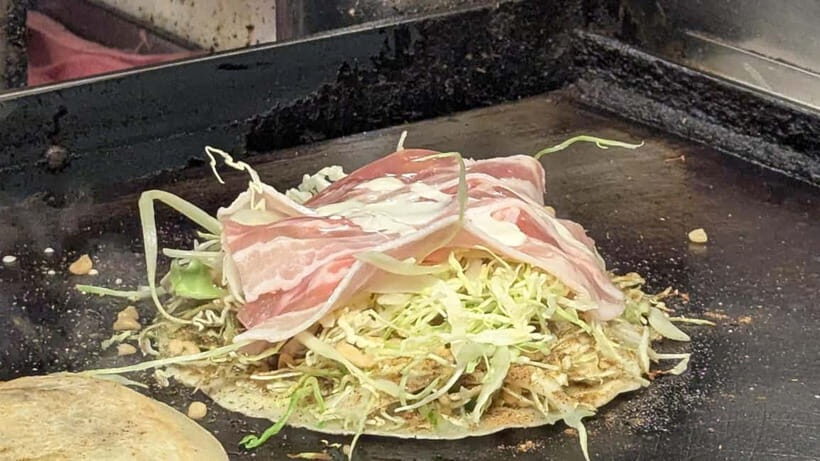
- Hiroshima layering method (batter, cabbage, sprouts, noodles, filling, fried egg) rather than Osaka-style mixing
- Hands-on grill time, with the chef guiding you step by step while you cook your own okonomiyaki
- Custom options: meat, seafood, vegetarian, plus gluten-free by request
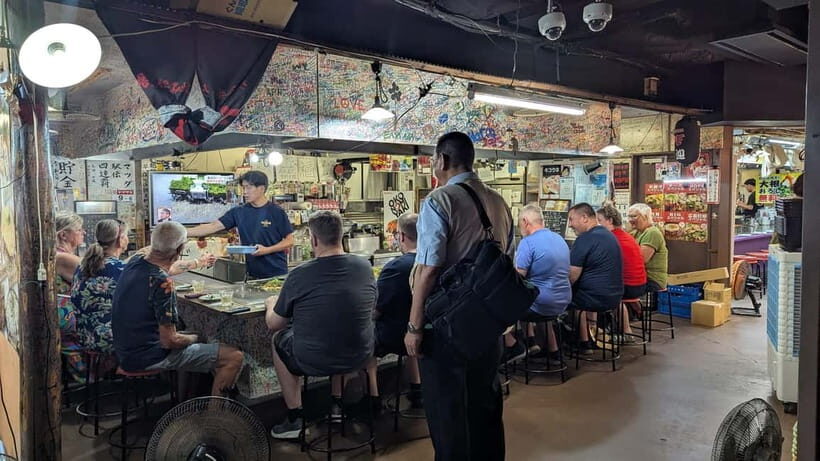
- Small-group atmosphere in a real local place, not a staged tourist setup
- Bilingual English guidance, with Ken making the whole process feel understandable and comfortable
Meeting by the Atomic Bomb Dome, then tram to dinner
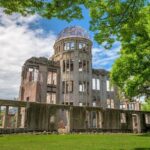
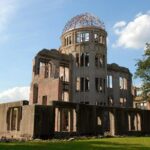
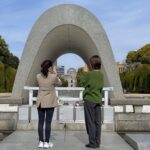
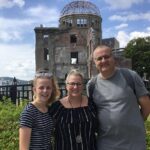
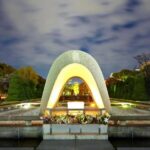
Your day kicks off at the fountain next to the Atomic Bomb Dome area in Peace Memorial Park. That’s a powerful starting point, and it matters that the tour doesn’t rush past it like it’s just a photo stop. You meet there, get oriented, and then you’re off—by tram—toward the restaurant where you’ll eat what Hiroshima locals love.
I like this flow because it gives you two kinds of context in one stretch: a sense of where the city is anchored, then the everyday food culture that keeps moving. The short tram ride also helps you feel like you’re doing Hiroshima the local way, instead of bouncing between major sights only by taxi.
If you’re tight on time, plan for a smooth transition from meeting point to restaurant. The tour is listed as 2–6 hours, so you’ll want to pick a start time that fits your schedule without panic.
Other Hiroshima cooking classes tours in Hiroshima
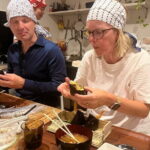
Hiroshima okonomiyaki vs. Osaka-style: what you’re really learning
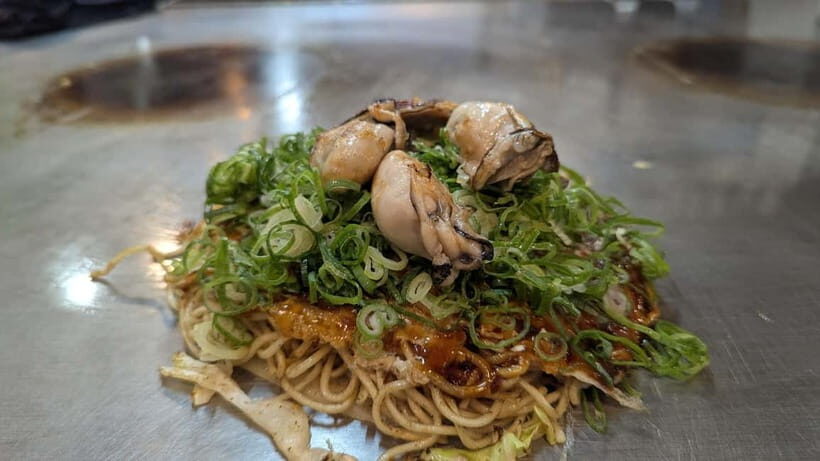
Okonomiyaki is often described like a savory pancake, but Hiroshima’s version has its own logic—and your chef will make sure you understand it. In many places, people toss ingredients together in one batch. Hiroshima tends to do it differently: you layer components and cook each part carefully.
That layering usually means batter plus shredded cabbage, then bean sprouts, noodles, your chosen filling (meat or seafood), and typically a fried egg. The result is bigger and more structured than a simple mix-and-pour pancake. Watching the build is part of the fun, because you can see why the final bite tastes different: the cabbage and batter cook in a more deliberate order, and the toppings don’t just disappear into the batter.
You’ll also get the story behind it. Okonomiyaki took shape in the years after World War II when ingredients had to stretch, and the name points to the spirit of choice—grill it how you like. In modern Hiroshima, that mix-and-match attitude is still there, but the cooking style reflects local pride and technique.
I like that this class treats okonomiyaki as culture, not trivia. When you understand the method, the food tastes smarter.
The hands-on cooking session: grill-side instruction you can follow
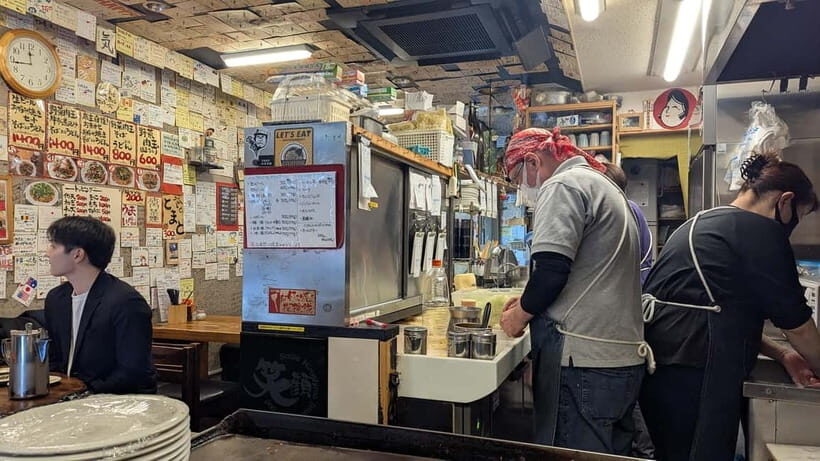
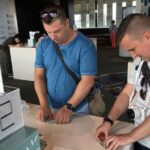
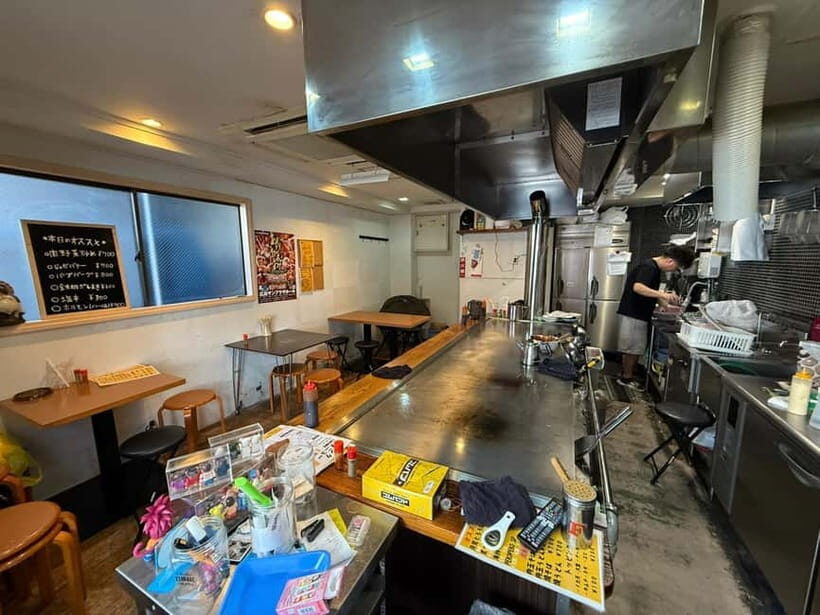
This is the part you’ll remember. You’re cooking at a real local restaurant with a professional okonomiyaki chef, and the experience is designed for you to do the work, not just watch.
In practice, that means you sit grill-side and get step-by-step guidance. If you’re nervous about cooking in front of people, don’t be. The atmosphere is meant to be friendly and instructional, and English interpretation helps keep you on track. Ken, the English guide, is part of what makes the session feel smooth—he’s described as confident and personable, and that matters when you’re trying to translate cooking steps into action.
Here’s what to expect during cooking:
- You’ll handle your ingredients in the order that matches Hiroshima’s layering approach.
- The chef will guide timing and heat so your pancake cooks instead of steaming.
- You’ll see how the toppings and egg change texture as they cook through.
- You’ll finish with a result you can point to and say: I made that.
A key value of hands-on classes is that you learn “how” through repetition. Even if you don’t become a grill master, you’ll leave knowing the core mechanics—cabbage prep, layering order, and how the egg and toppings affect the final bite.
Choosing meat, seafood, vegetarian, or gluten-free by request
One of the simplest ways to judge a cooking class is how it handles real dietary needs. This one gives you options: meat, seafood, vegetarian, and a gluten-free version available by request.
That’s great because okonomiyaki can be flexible, but many cooking experiences only offer a single standard recipe. Here, you’re not forced into a one-size-fits-none meal plan. If you have preferences or restrictions, you’ll want to request gluten-free ahead of time so the kitchen can prepare properly.
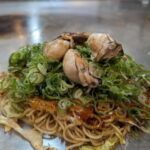
If you’re choosing between meat and seafood, think about texture: meat versions often feel heartier, while seafood versions tend to bring a different savory depth. Vegetarian can be a lighter path while still staying true to Hiroshima-style layering. Your chef can help you understand what to expect from your choice as you build.
And yes, the goal is still the same: you cook it yourself, then eat what you made while it’s hot.
The included drink and your small-group, local-restaurant feel
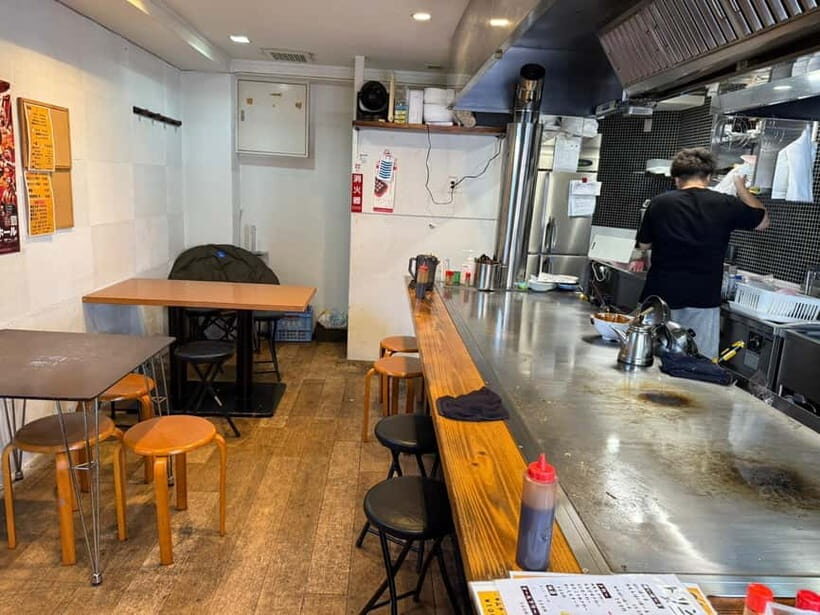
After cooking, you’re not sent off with a sad take-home snack. The class includes one drink—alcoholic or non-alcoholic—so you can settle in without scrambling for an extra purchase right away.
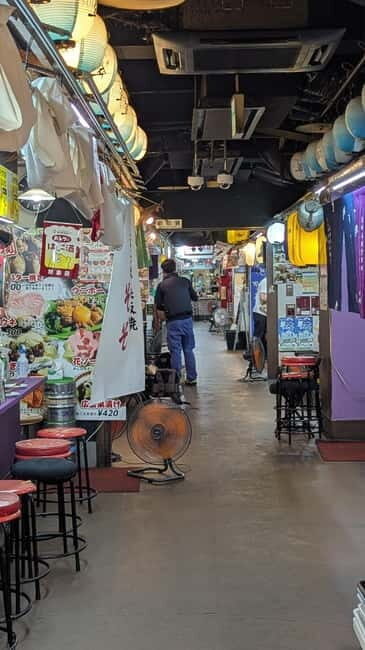
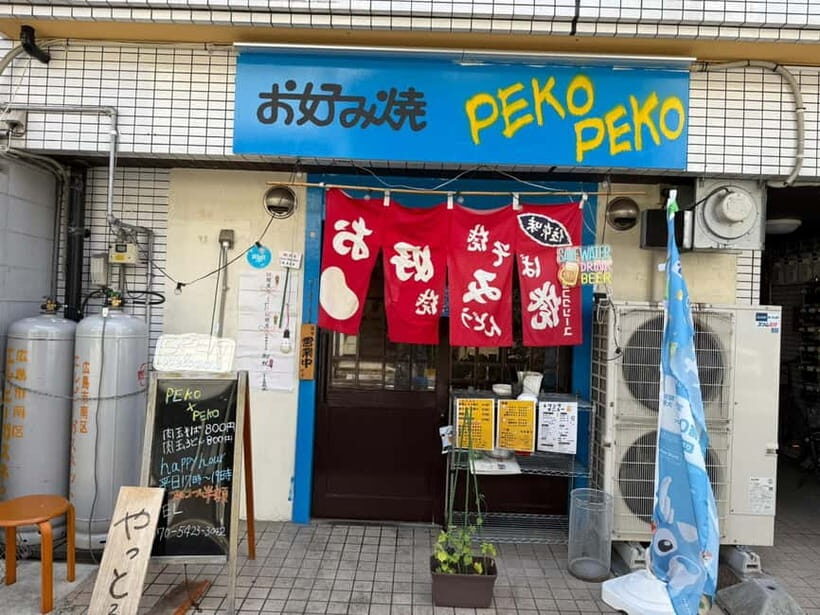
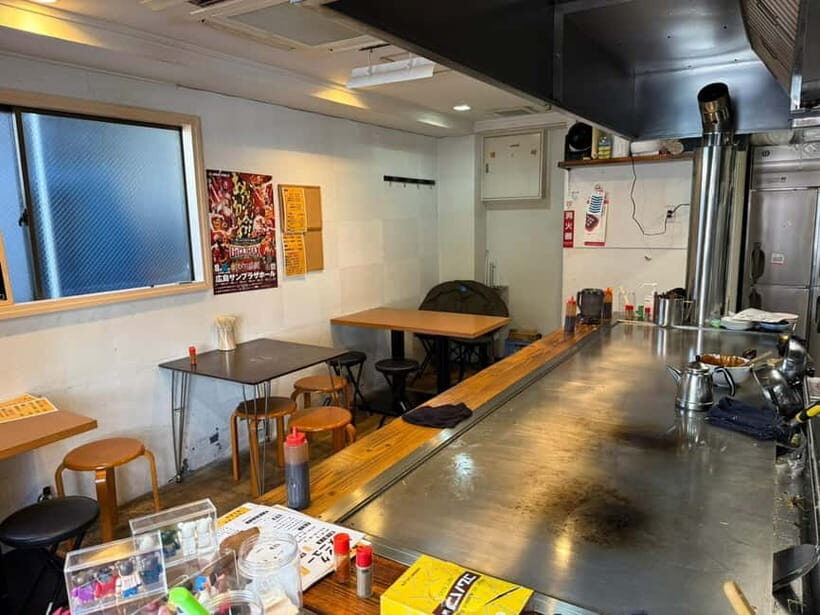
More importantly, this isn’t a theme-park restaurant. The experience is set in a local place where the whole point is the food and the process. Small-group format helps too: you get attention, you’re not lost in a crowd, and the chef can actually correct little technique details that matter.
There is one drawback to keep in mind: a local restaurant can be more casual than what some people expect for cleanliness or comfort. One review flagged the restaurant environment as feeling dirty or unclean, so if you’re very sensitive about that, it’s worth going with realistic expectations and deciding for yourself what level of messiness you can tolerate.
Why the tram ride and timing make this work in Hiroshima
This tour is built to fit into a real day in Hiroshima. You start at the Peace Memorial Park fountain area, then take a short tram ride to the restaurant. After the main cooking event, many people add an easy stroll back toward the river and Peace Memorial Park area for a scenic walk, or your guide can direct you to the nearest tram station for getting around the rest of the city.
That structure is practical:
- You don’t waste the energy you have after lunch or before dinner.
- You’re not juggling complicated transfers.
- You get a built-in reason to use the tram system, which is how many locals move through the city.
Timing-wise, because the duration is listed as 2–6 hours, you’ll want to check which start time you choose. A shorter slot can be easier if you’re juggling other Hiroshima priorities, while a longer slot gives you more room to linger, ask questions, and enjoy the process without feeling rushed.
Is $56 a good value for a Hiroshima okonomiyaki class?
At $56 per person, you’re not paying just for a meal. You’re paying for several things that restaurants and tours usually charge separately:
- A bilingual guide in English (with Ken leading the experience)
- A professional chef who coaches you step by step
- Your own hands-on cooking time on the grill
- One included drink
- A local tram ride within Hiroshima
When you look at it that way, the price becomes more reasonable, especially if you compare it to what you’d spend on a guided activity plus a real restaurant meal plus transit. This is one of those experiences where the value is in participation. If you’re excited to cook and learn, $56 is easier to justify. If you mainly want to eat, you may find it a bit more costly than dropping into a casual okonomiyaki counter on your own.
My practical advice: if you’re the type who enjoys cooking stations—where you’re doing the work and learning technique—this price makes sense.
What kind of traveler this suits best
This class fits best if you want:
- Food with a story, not just a checklist
- A hands-on cooking experience where you leave with skills (even if you never repeat them perfectly at home)
- A small-group setting that feels local
- English support so the steps don’t turn into guesswork
It’s also a good match if you’re pairing Hiroshima culture and everyday life: meeting near a major historic site, then switching to the city’s food rhythm right away. And since it’s listed as wheelchair accessible, it’s a strong option for travelers who need accessibility in planning.
If you prefer food tourism that’s purely observational, you might feel the focus is too interactive. But if you want to feel like you participated, it’s exactly the right setup.
Tips to get the most out of your okonomiyaki cooking time
Keep these in mind so you can enjoy the class instead of trying to rush:
- Come hungry. You’re cooking and then eating what you make, and portion size is part of the appeal.
- If you need gluten-free, request it ahead. That gives the kitchen a better chance to prepare correctly.
- Ask questions while you’re building. The explanation about Hiroshima’s layered method and the dish’s post-war roots makes the meal land harder.
- If you want an easy plan after, ask your guide where to catch the tram for the river and Peace Memorial Park area walk.
Simple stuff, but it changes your experience from good to memorable.
Should you book this Hiroshima okonomiyaki class?
Book it if you want a real local okonomiyaki experience with English guidance, a patient chef, and the chance to cook your own Hiroshima-style pancake using the layering method. The combination of history, hands-on cooking, and a tram-connected route makes it feel like more than just dinner.
Skip it or approach cautiously if you’re very picky about the cleanliness of casual restaurants, or if you’re not interested in cooking at all. This isn’t a sit-and-watch show. It’s a make-it-yourself meal with the chef steering the wheel.
If you’re on the fence, this is one of those Hiroshima activities that tends to satisfy people who care about food technique and culture in equal measure.
FAQ
Where is the meeting point?
You meet in front of the fountain next to the Atomic Bomb Dome in the Peace Memorial Park area.
How long does the class last?
The experience runs for 2 to 6 hours, depending on the starting time and schedule.
What okonomiyaki options are available?
You can choose meat, seafood, vegetarian, and a gluten-free option that’s available by request.
Is this a hands-on cooking class?
Yes. You cook your own okonomiyaki with the chef’s guidance, not just a demonstration.
What’s included in the price?
Included are a bilingual guide, a professional okonomiyaki chef, the cooking experience, hands-on cooking, one drink (alcoholic or non-alcoholic), and a local train ride within Hiroshima.
Is wheelchair access available?
Yes, the experience is listed as wheelchair accessible.
Can I cancel and get a refund?
Yes. You can cancel up to 24 hours in advance for a full refund.