REVIEW · HIROSHIMA
Hiroshima Castle 1h guide tour
Book on GetYourGuide →Operated by DeepExperience, Inc. · Bookable on GetYourGuide
Hiroshima Castle packs a lot of story fast. I love the on-site explanations inside the tenshu, and I also love the way the tour ends with real panoramic views over the city. One possible drawback to keep in mind: the experience depends heavily on the guide’s English and how proactively they explain things, so you’ll want to come with a couple of questions ready.
This tour is interesting because it doesn’t treat Hiroshima Castle like just a photo stop. You get the physical beauty of the keep—reconstruction, yes, but still striking—and the context that makes it make sense. The Mori clan and Edo-period life themes give you a clearer picture of Hiroshima before the modern city.
The meeting setup is straightforward: you gather in front of the Main Keep (Tenshu) and spot your guide holding a yellow DeepExperience sign. It’s private-group style, so you’re not stuck blending into a crowd while you try to figure out what you’re actually looking at.
In This Review
- Key Takeaways Before You Go
- Hiroshima Castle in One Hour: What This Tour Actually Covers
- Stepping Into the Tenshu: Exhibits on Mori Clan and Edo Streets
- Why the Keep Is a Reconstruction, and What That Means for Your Visit
- The Board-Walled Keep and the 300-Year Symbol Factor
- Panoramic Views From the Top: Getting Your Bearings Over Hiroshima
- Guide Quality Matters: What You Should Expect From English Explanations
- Price and Value: Is $52 Worth It for Hiroshima Castle?
- Who This Tour Suits Best (and Who Might Prefer DIY)
- My Booking Recommendation: Should You Book This 1-Hour Hiroshima Castle Tour?
- FAQ
- Where does the tour meet?
- How long is the Hiroshima Castle guided tour?
- How much does the tour cost?
- What’s included in the tour price?
- Is the tour private?
- What languages are offered?
- What should I bring with me?
- Is there free cancellation?
Key Takeaways Before You Go
- 1 hour on the clock, with a focused route from the Main Keep to the tower exhibits and up to the top views
- Mori clan + Edo life exhibits explained by a live local guide, not just wall text
- A reconstructed tenshu that still matters, because it’s based on documents from before 1945
- Hiroshima Castle’s signature board-walled keep—big, beautiful, and very photogenic
- Panoramic city views from the top, ideal for orientation after you arrive in Hiroshima
Hiroshima Castle in One Hour: What This Tour Actually Covers
If you’re short on time but want more than a quick pass by the castle grounds, this 1-hour guided tour is built for you. You start and finish at Hiroshima Castle itself—specifically at the Main Keep (Tenshu). The guide meets you right where you need to be, in front of the Tenshu, holding a yellow sign panel for DeepExperience. Easy to find, and a relief when you’re already juggling train times and your phone battery.
From there, you’ll do a quick photo stop, then move into the castle tower for the guided portion. The flow is simple: you go in, you look at exhibits tied to Hiroshima’s past, your guide explains, and you wrap with the view from the top of the castle tower. That last part is what turns this from “a history stop” into “I finally understand the place.”
One practical note: while the tour is advertised as 1 hour, some experiences can run longer than expected. If you’re trying to connect to a tight dinner plan, I’d give yourself a little buffer. A castle tour can take a bit longer once you’re reading and asking questions.
Other Hiroshima Castle tours in Hiroshima
Stepping Into the Tenshu: Exhibits on Mori Clan and Edo Streets
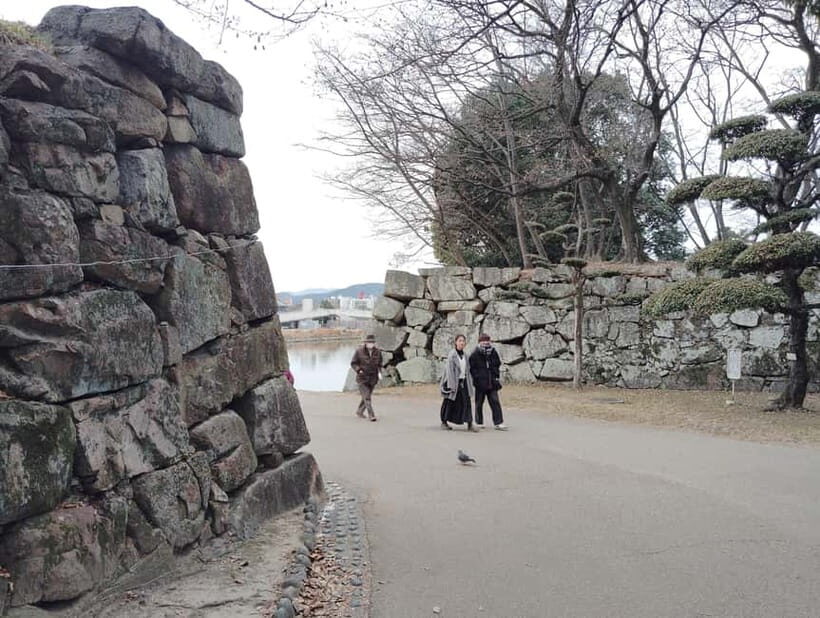
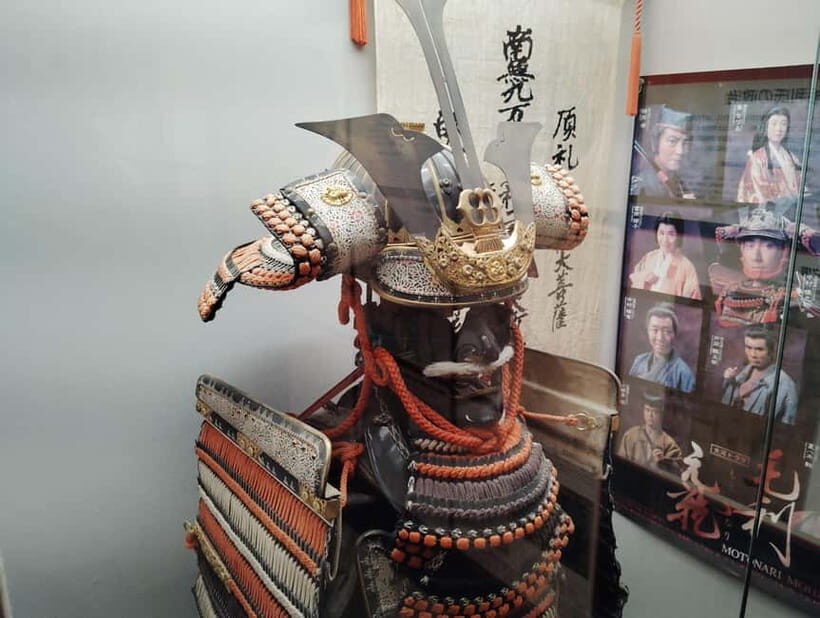
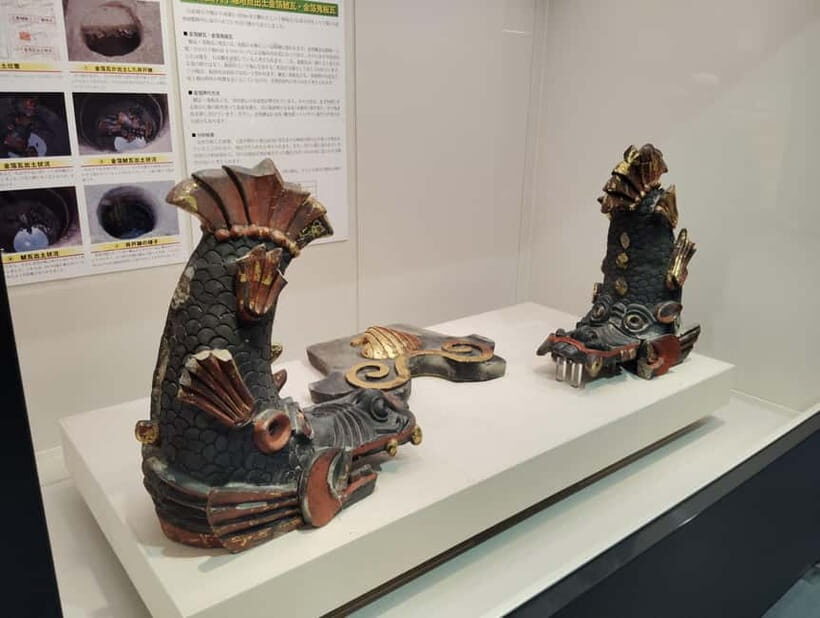
The best reason to book a guide here is that the tower isn’t just a place to walk through. It’s where the castle tells you who lived here, and what life looked like when Hiroshima was shaped by the Edo period.
Inside the tenshu, you’ll see exhibits related to:
- the Mori clan
- life in the Edo period
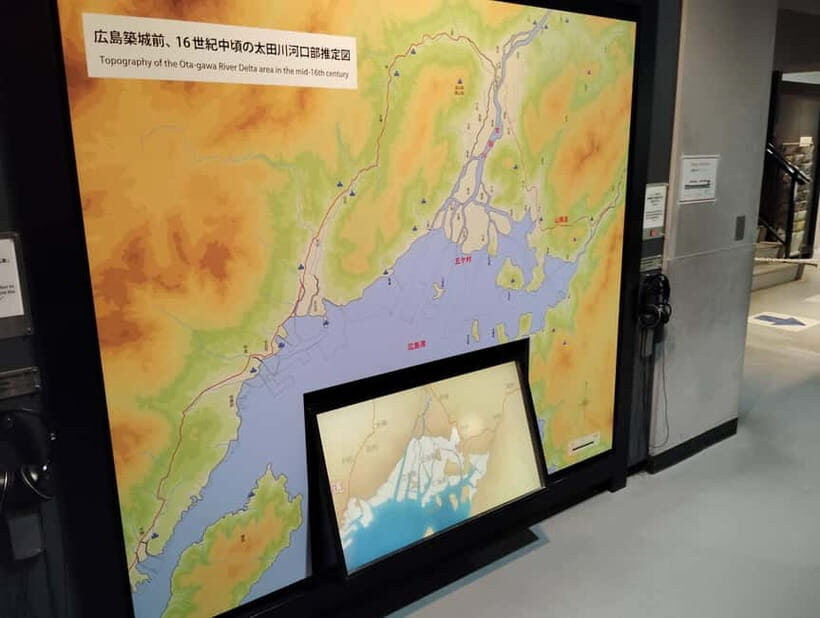
- the historical streets of Hiroshima
And the key part is that you don’t have to sort it out alone. The tour includes local guide explanations, and that matters because many castle exhibits only become meaningful when someone connects the objects to daily life: power, residence, social order, and what a city looked like before it became the Hiroshima you know today.
Even the way the tour is structured helps. You’re not scattered across random rooms. You’re guided through the main ideas, which keeps your attention on the story instead of getting lost in details. If you like history but don’t want a museum-level marathon, this is a nice middle ground.
Why the Keep Is a Reconstruction, and What That Means for Your Visit
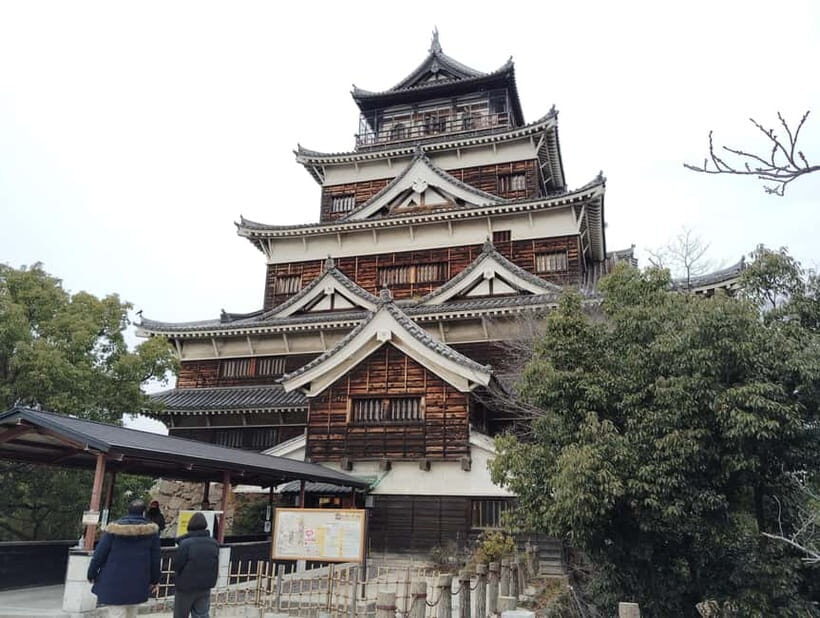
One thing you should know before you go: the current keep is a reconstruction. The castle’s beauty was lost in the atomic bombing of Hiroshima in 1945, and what you see now is rebuilt based on documents recorded before the bombing.
That doesn’t make the visit less meaningful. It changes what you’re seeing. Instead of pretending you’re standing in the exact original structure, you’re walking inside a careful effort to restore what the castle looked like—so the story can be understood in its original form.
I like this framing because it makes the visit honest. You’re not only seeing architecture; you’re also seeing how Hiroshima chose to remember and rebuild. When your guide points out the connection to documents from before 1945, the whole tower gains weight.
So, yes, you’re looking at a reconstruction. But you’re also learning how preservation and documentation can bring a past shape back into the present.
The Board-Walled Keep and the 300-Year Symbol Factor
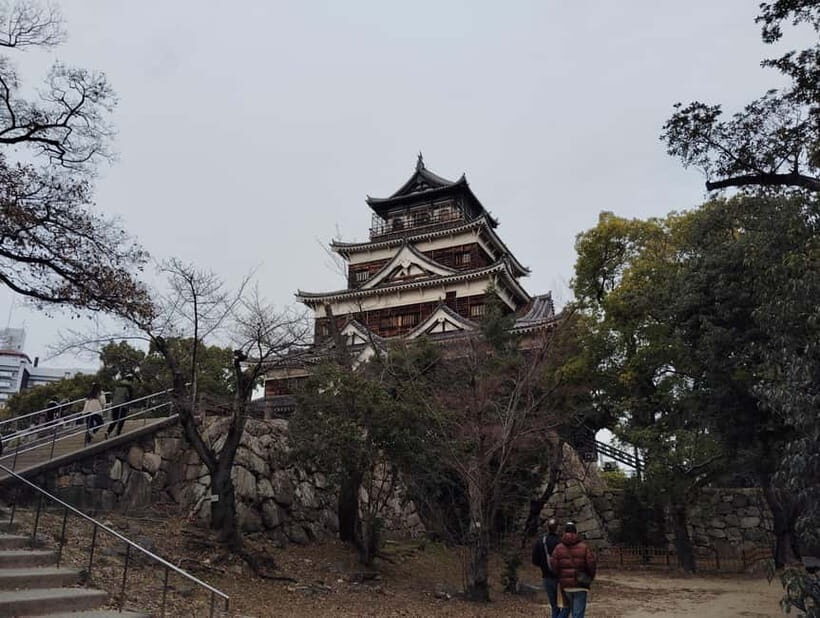
Hiroshima Castle is a symbol of Hiroshima for more than 300 years. That single fact helps you understand why it draws people in even if they’ve never studied feudal Japan.
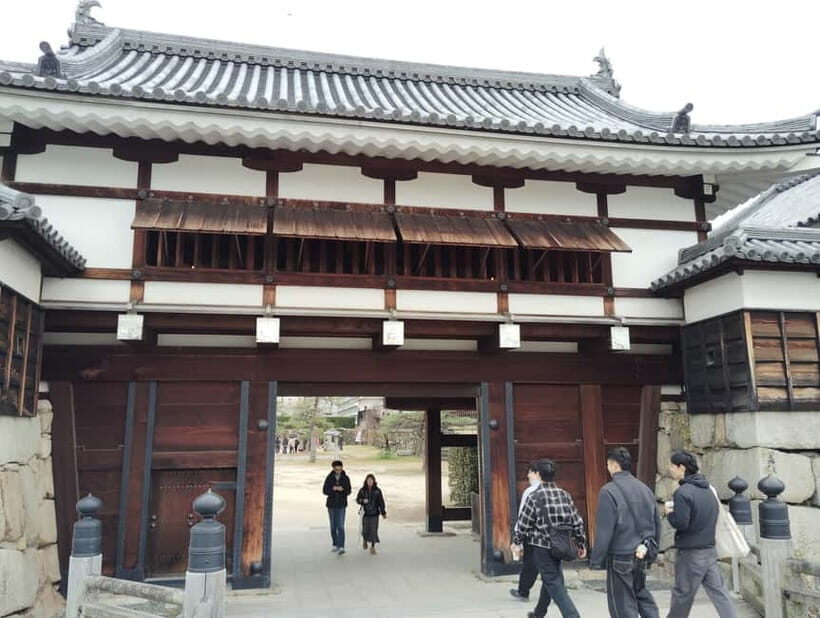
One of the most striking visual details mentioned in the tour description is the board-walled keep. You’ll have a chance to admire the castle’s size and beauty as part of the visit. It’s the kind of sight that gives you instant orientation: you see the castle, you understand it’s not a small shrine tucked away. This is central.
And because the tour starts at the Tenshu itself, you don’t waste time trying to piece together the grounds. You get the most important building as your focal point, then you go inside to connect that exterior beauty to the history you’re being taught.
If you care about photography (and who doesn’t), a photo stop early on helps. You can quickly capture the exterior feel before you move into the indoor exhibits where lighting is different.
Panoramic Views From the Top: Getting Your Bearings Over Hiroshima
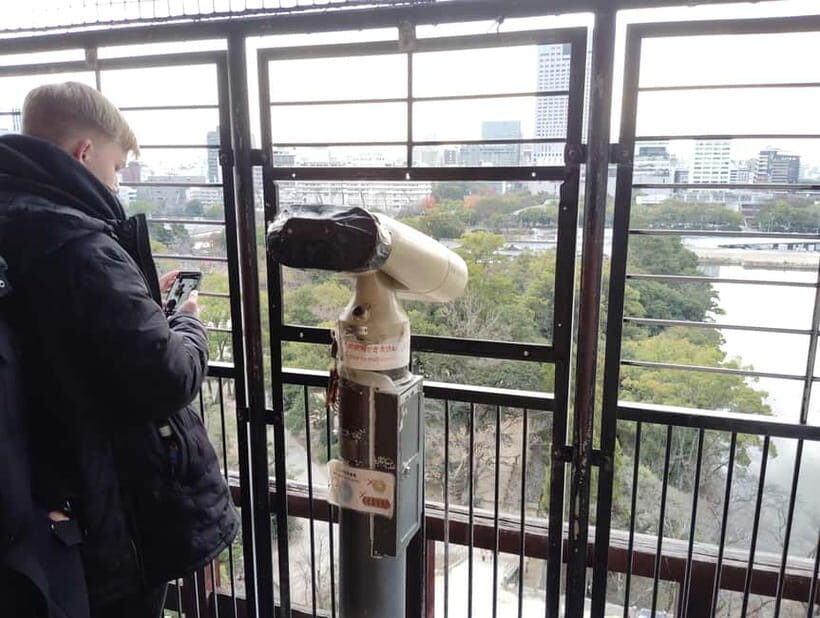
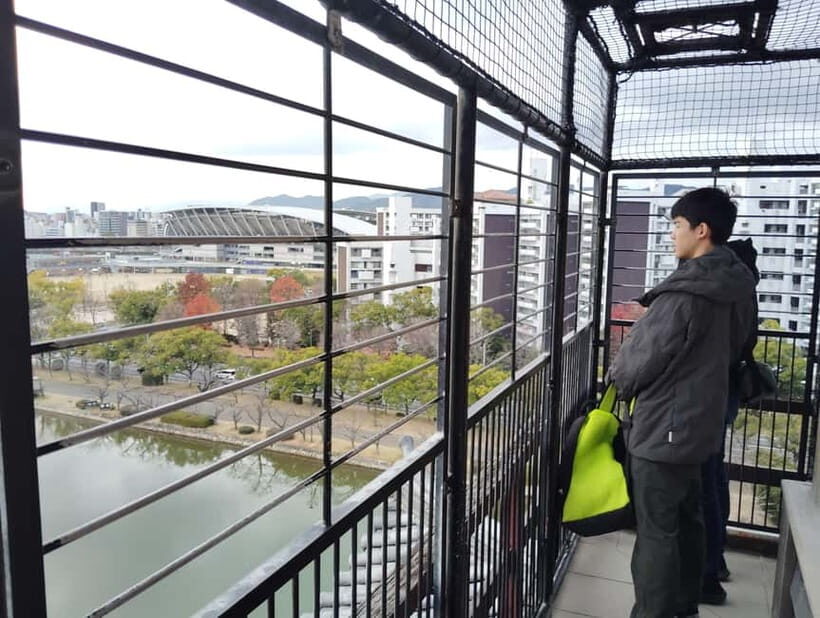
The tour’s finish is all about perspective. Once you’re up at the top of the castle tower, you get panoramic views of Hiroshima. This is where the experience turns from “past-focused” to “place-focused.”
Panoramas don’t just produce nice photos. They help you understand the city’s layout. If you’re spending a day or more in Hiroshima, standing above it helps you judge distances and choose what to see next without guessing.
I also think this is a good moment to ask your guide a simple question like what parts of the city you’re looking at historically. The guide explanations inside the tower already give you context, and the view is where that context clicks.
If the weather is clear, the view feels like the reward for paying attention earlier. If it’s less clear, you’ll still get the “where am I” effect, which is valuable in a city you might not know well yet.
Other guided tours in Hiroshima


Guide Quality Matters: What You Should Expect From English Explanations
This tour is built around live guide explanations—and the guide experience can be the difference between a good visit and a great one.
I’ve seen that guides can vary in how proactively they explain. Some guides are praised for being very informative and professional—Masae is specifically mentioned as excellent and highly knowledgeable. Other guide names you may come across include Hina and Koichi, who have been described positively for hospitality and helpful explanation.
So here’s my practical advice: don’t assume the guide will automatically hit every topic you care about. Come prepared with 2–3 quick questions. For example:
- What part of the Mori clan story matters most for Hiroshima?
- How do the Edo-period exhibits connect to the city’s layout?
- Why does the reconstruction matter to Hiroshima’s memory?
Because the tour includes English and Japanese, you can often get what you need—but if your English is limited or you want deeper detail, having a few targeted questions helps keep the tour moving in your direction.
Also, since it’s a private group format, you’re in a better position to ask questions than you would be in a big group where timing is tight.
Price and Value: Is $52 Worth It for Hiroshima Castle?
At $52 per person, this is not a bargain-basement experience. The question is whether you’re buying context you can’t get easily on your own.
Here’s what you’re paying for:
- admission to Hiroshima Castle
- access to exhibits tied to the Mori clan, Edo life, and historical Hiroshima streets
- live local guide explanations
- the view from the top of the castle tower
If you love history and you want someone to connect exhibits into a single story, the guide component is the value engine. Without that, you might still enjoy the building and exhibits, but you’d spend more time working out the meaning yourself.
On the other hand, if you’re the type who likes reading at your own pace and you don’t mind doing a little research before you arrive, you might decide this price isn’t necessary. The indoor tour portion is central here. If you end up with a guide who explains less, the cost can feel harder to justify.
One more value consideration: timing. If the experience runs closer to 1 hour, it’s a tidy add-on. If it stretches out (some experiences have gone longer than the posted duration), you get more time—but you also need to plan around it.
Who This Tour Suits Best (and Who Might Prefer DIY)
This tour fits best if you want guided structure for a short time window. If you’re in Hiroshima for a couple days and you don’t want to spend your first day figuring out what to notice inside the tenshu, this is a smart choice.
You’ll probably enjoy it if you:
- like explanations more than self-guided reading
- want both Edo-period context and city orientation
- appreciate the historical weight of the Hiroshima Castle reconstruction story
- want a focused itinerary without wandering
I’d lean toward DIY if you:
- already know the basics of Hiroshima Castle and Edo-era Hiroshima
- are happy taking your time in the exhibits without needing someone to translate them into a narrative
- are extremely budget-sensitive and would rather pay only admission
My Booking Recommendation: Should You Book This 1-Hour Hiroshima Castle Tour?
I think this tour is a solid pick when you want history with a clear path. The combination of Mori clan/Edo exhibits, live guide explanations, and panoramic city views makes it more than a quick sightseeing pass.
Book it if you’re ready to ask questions and you want the castle’s story organized for you. Skip it if you strongly prefer self-guided pacing or you’re hoping for a deep dive that goes far beyond the tower exhibits.
If you do book, the best “hack” is simple: show up curious. Bring your camera and your questions, and you’ll get the most out of the time you spend inside the tenshu and up above Hiroshima.
FAQ
Where does the tour meet?
The meeting point is in front of the Main Keep (Tenshu) of Hiroshima Castle, with the guide waiting using a yellow sign panel with DeepExperience.
How long is the Hiroshima Castle guided tour?
The duration is 1 hour.
How much does the tour cost?
The price is $52 per person.
What’s included in the tour price?
It includes admission to Hiroshima Castle, access to exhibits related to the Mori clan, Edo period life, and historical streets of Hiroshima, live guide explanations, and the view from the top of the castle tower.
Is the tour private?
Yes, it’s a private group tour.
What languages are offered?
The live guide is available in English and Japanese.
What should I bring with me?
Bring a camera and water.
Is there free cancellation?
Yes. You can cancel up to 24 hours in advance for a full refund.