REVIEW · HIROSHIMA
Hiroshima: Peace Walking Tour of World Heritage Sites
Book on GetYourGuide →Operated by MagicalTrip · Bookable on GetYourGuide
A day in Hiroshima hits different when it is explained well. This peace-focused walk strings together UNESCO sights with local stories, so you leave with context, not just photos. I especially like the mix of powerful museum time and hands-on hope at Orizuru Tower.
Two more things I really like: the guided route through the Peace Memorial Park and the Atomic Bomb Dome with real questions encouraged, and the lunch stop that keeps the day human (Hiroshima-style okonomiyaki). One consideration: the tour is not suitable for people with gluten intolerance, so plan your meals carefully.
In This Review
- Key Highlights You’ll Feel Immediately
- A 4.5-hour Walk Where Peace Becomes the Route
- Meeting at Montbell and Starting with a Shrine Moment
- Hiroshima Peace Memorial Museum: Why a Guide Changes Everything
- Peace Memorial Park: Turning Exhibits Into Real Places
- Atomic Bomb Dome (UNESCO) with a Local Voice
- Orizuru Tower Lunch Break plus Paper Crane Peace Wishes
- The Aorigi Tree: Hope After the Atomic Bomb
- Is $92 Worth It? The Value That Adds Up
- Pacing, Emotional Load, and Small Practical Tips
- Who Should Book This Peace Walking Tour?
- Should You Book This Hiroshima Peace Walking Tour?
- FAQ
- How long is the Hiroshima Peace Walking Tour of World Heritage Sites?
- Is the tour in English?
- What’s included in the price?
- Where do I meet the guide?
- What if I have dietary needs like vegetarian meals or allergies?
- Is the tour suitable for gluten intolerance?
Key Highlights You’ll Feel Immediately
- Peace Memorial Museum with an English-speaking guide who helps you connect artifacts to lived experience
- Atomic Bomb Dome (UNESCO) visit that stays grounded in what happened and what followed
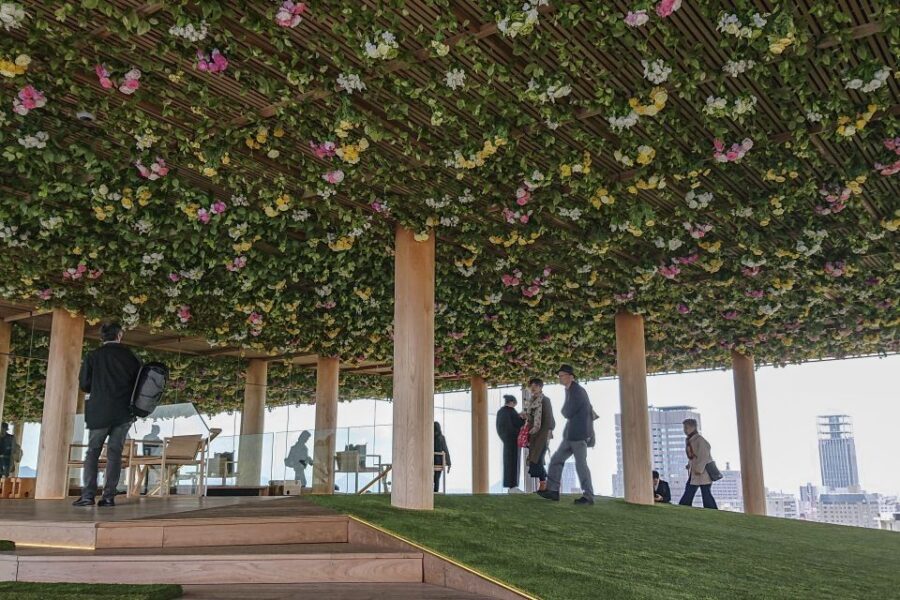
- Orizuru Tower paper crane ritual plus a city view from the observatory area
- Lunch included at Akushu Cafe inside Orizuru Tower, with Hiroshima’s okonomiyaki pancake dish
- Aorigi Tree visit as a symbol of resilience after the atomic bombing
- Small-group or private options that make the emotional topic easier to handle
A 4.5-hour Walk Where Peace Becomes the Route
This is a 270-minute walking tour that stays focused. You cover the core Hiroshima sites tied to the atomic bombing, then you finish with places that show how the city rebuilt its spirit. The pace is steady, and the stops are spaced so you do not feel like you are sprinting through something deeply serious.
You will want to mentally prepare for heaviness. The Peace Memorial Museum especially can feel overwhelming, even when the explanations are clear. The good part is that the guide’s job is not just facts—it is helping you make sense of what you see.
Other Peace Memorial Park tours in Hiroshima

Meeting at Montbell and Starting with a Shrine Moment
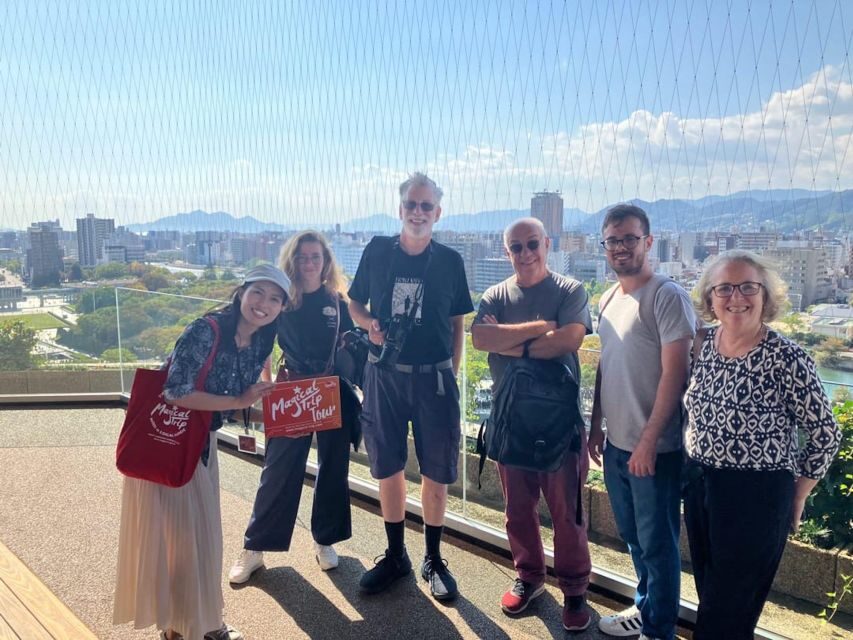
You meet in front of the Montbell store near Kamiya-cho-nishi Station, about a one-minute walk from the station. The guide holds an orange sign that says Magical Trip Tour, so it is usually easy to spot the group fast.
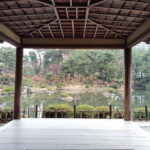
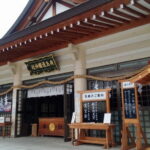
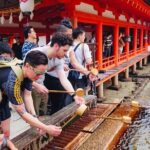
Right away, you begin at Shirakami-sha Shrine for about 25 minutes. This is not just a quick photo stop. With the right guide, you learn what proper shrine behavior looks like and you start the day in a more respectful, calmer frame—before Hiroshima’s heavier story begins.
Hiroshima Peace Memorial Museum: Why a Guide Changes Everything
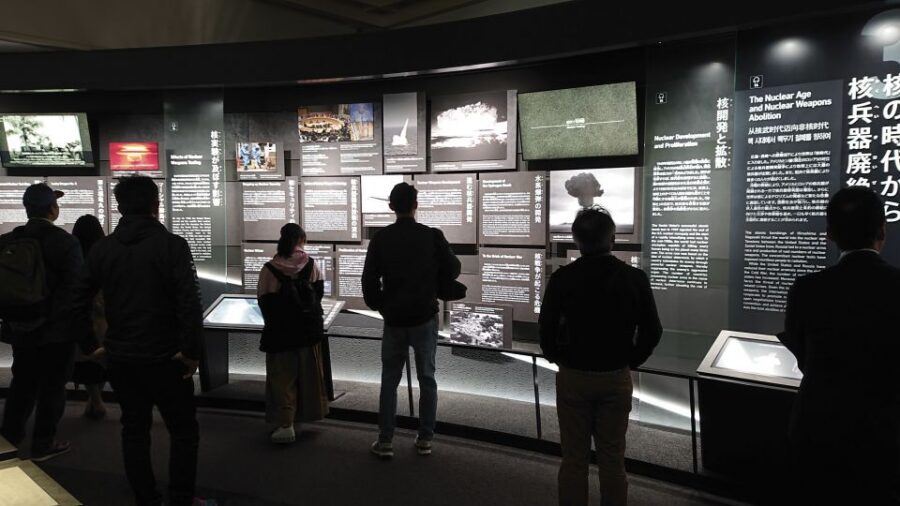
Plan for about an hour at the Hiroshima Peace Memorial Museum with a guided tour. The museum is crowded at times, so having a guide helps you keep your bearings and not miss the parts that connect to the larger narrative of August 1945.
Here is what tends to matter most: a good guide slows the experience down emotionally while still keeping it understandable. In past tours, guides have shared personal-family context—for example, one guide mentioned her grandmother was affected by the bombing, which made the museum feel less like history on a wall and more like a real chain of human lives.
If you need a breather, guides can also be considerate. Several tour experiences note that guides adjust when people become emotional, or that they make it easier to pause and re-enter the exhibits at your own pace. It is still not a light topic, but the pacing can feel kinder than self-guided wandering.
Peace Memorial Park: Turning Exhibits Into Real Places
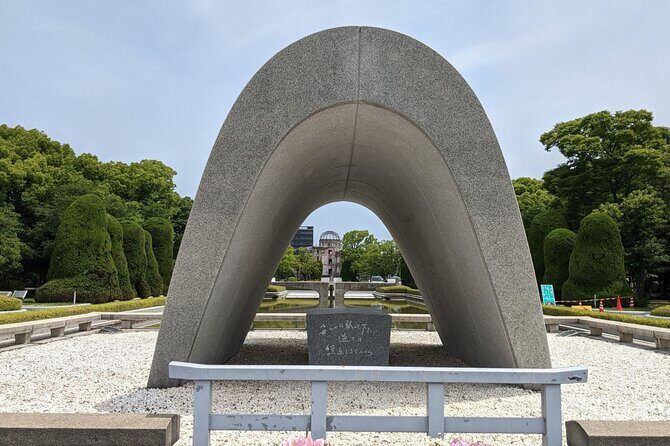
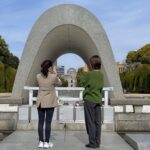
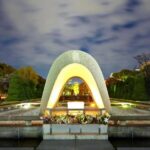
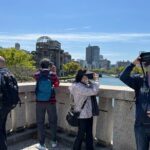
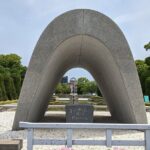
After the museum, you move to Hiroshima Peace Memorial Park for about an hour. This part is where the day shifts from indoor explanation to outdoor geography—what happened, and where that story sits in the city now.
A guided walk matters because the park can feel like many monuments and names in one place. With a guide, you connect what you saw in the museum to the surrounding grounds, and the whole memorial area becomes easier to understand as a single statement rather than separate points on a map.
This is also where you start noticing the message of continuity: remembrance plus forward motion. The tour does not leave you stuck in the past. It keeps asking what resilience looks like after catastrophe.
Atomic Bomb Dome (UNESCO) with a Local Voice
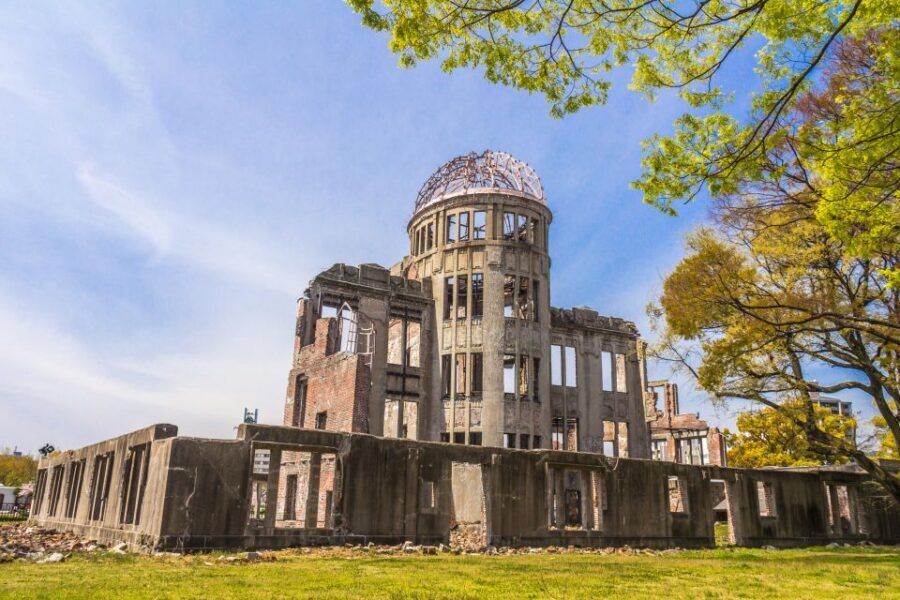
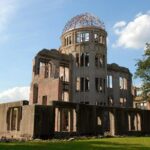
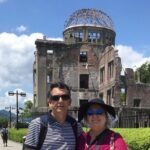
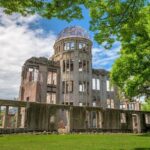
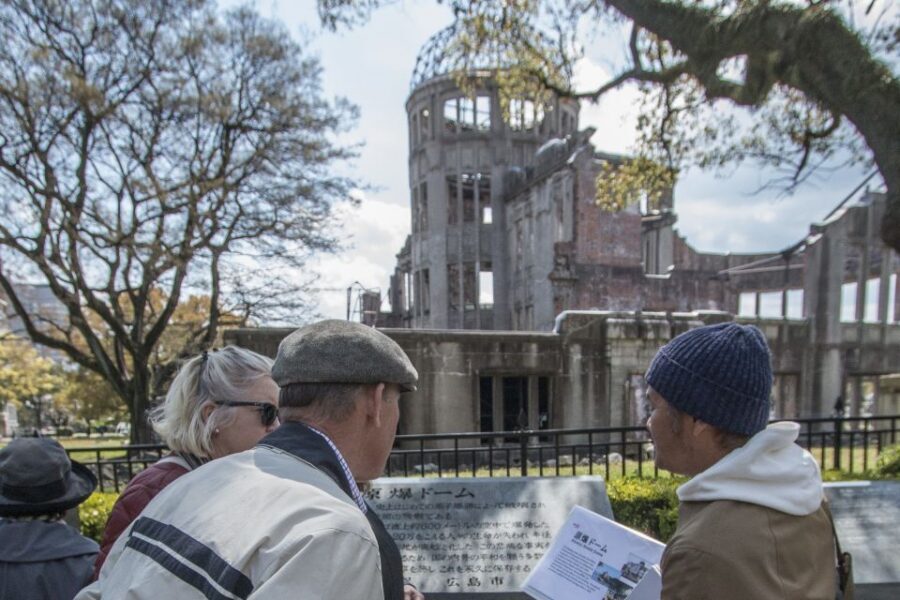
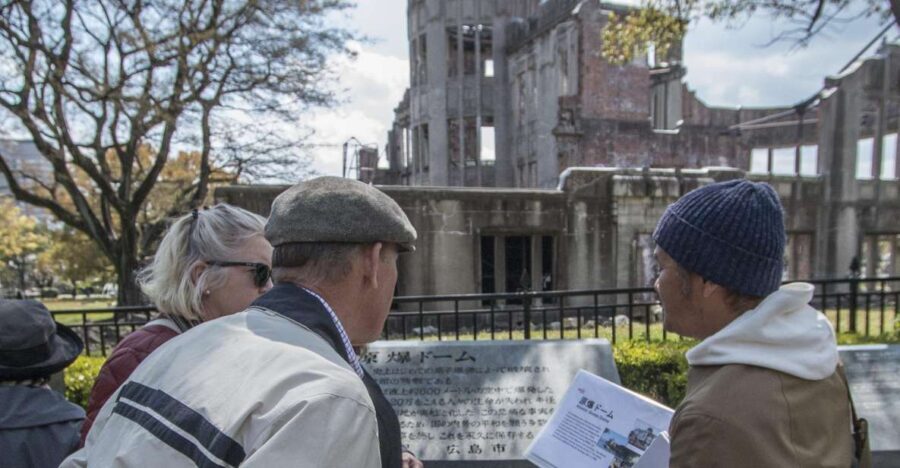
Next comes the Atomic Bomb Dome, visited as a guided stop for about an hour. This UNESCO World Heritage site is the kind of place where you want to understand both the symbolism and the reality behind it. With a guide, you also get help reading the site through context, not just through dramatic visuals.
Many people remember the Dome as a photo moment. But the point of this tour is to see it as a lived-world object: something preserved because people insisted the world should not forget. The guide’s stories help you connect the Dome to the larger arc of Hiroshima’s recovery.
You will also be able to ask questions along the way. That matters here. It is one thing to read labels. It is another to hear a local explanation for why certain details were kept and what they mean for Japanese society today.
Other Hiroshima walking tours in Hiroshima
Orizuru Tower Lunch Break plus Paper Crane Peace Wishes
After the last morning-heavy site, you get a change of pace at Hiroshima Orizuru Tower. Your lunch time is about 1.5 hours, and it is included.
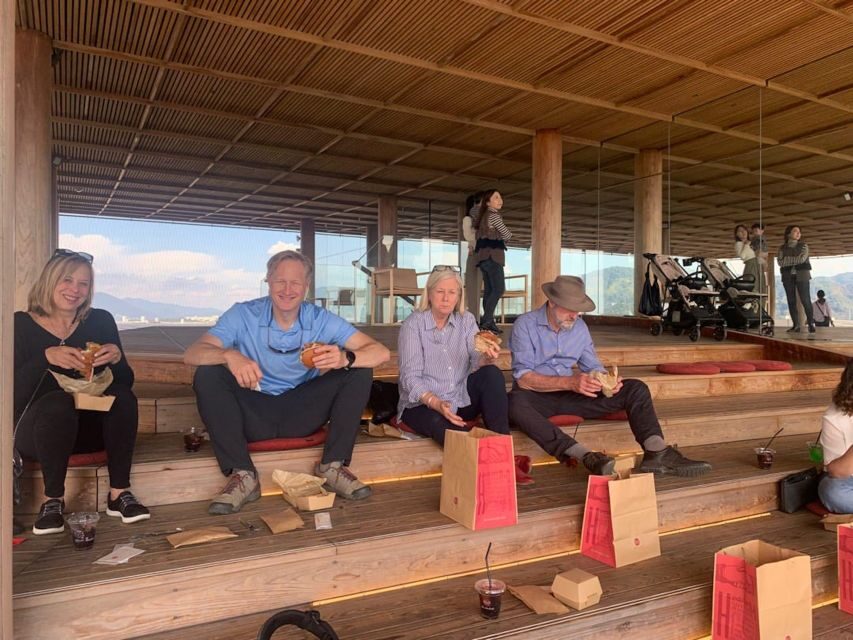
Lunch happens at Akushu Cafe inside Orizuru Tower. In the tour experiences, the included meal is Hiroshima’s famous okonomiyaki pancake dish. This is a smart reset after the museum and memorial areas, because you get good food plus a moment to talk and process what you just learned.
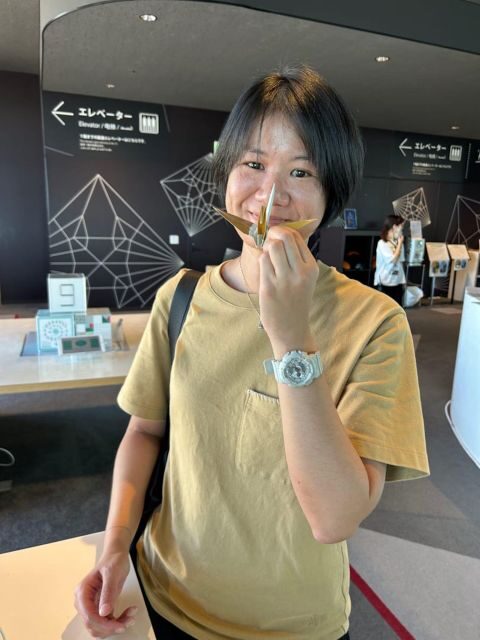
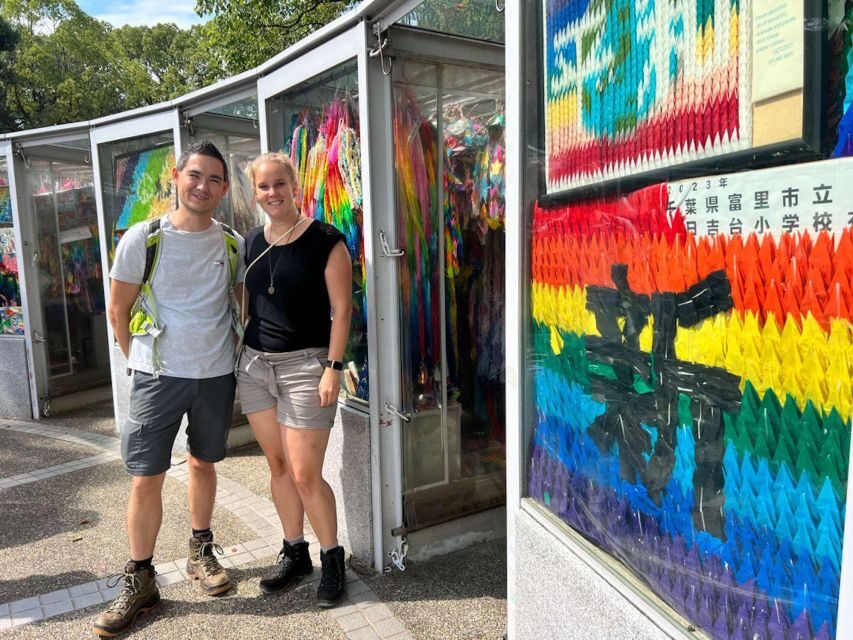
Then there is the Orizuru Tower activity: you can feel the breeze as you go up to the observatory area, and you join the paper crane ritual. Orizuru (paper crane) is treated as a symbol of peace, and you learn how to make one and make a wish for peace. Some guides also build a small moment around the crane-making experience, and at least one tour notes the group watched paper cranes spiral down to join the glass wall display.
One practical bonus: the included tower entry has been used to return later for sunset in some tour experiences. If you like flexible planning, ask your guide whether your ticket works for a second visit before you finalize your day.
The Aorigi Tree: Hope After the Atomic Bomb
After lunch and the Orizuru Tower moments, the tour takes you to see the Aorigi Tree. This tree is presented as a symbol of hope that remained after the atomic bombing.
A single surviving tree might sound like a small detail compared to museums and UNESCO sites. That is exactly why it works. It gives you an image of survival that feels grounded rather than abstract, and it supports the tour’s tone: remember, but also look at the life that returned.
You will likely hear how this fits into Hiroshima’s broader spirit—how people rebuild and keep going. It is a short stop, but it lands as a strong emotional punctuation mark.
Is $92 Worth It? The Value That Adds Up
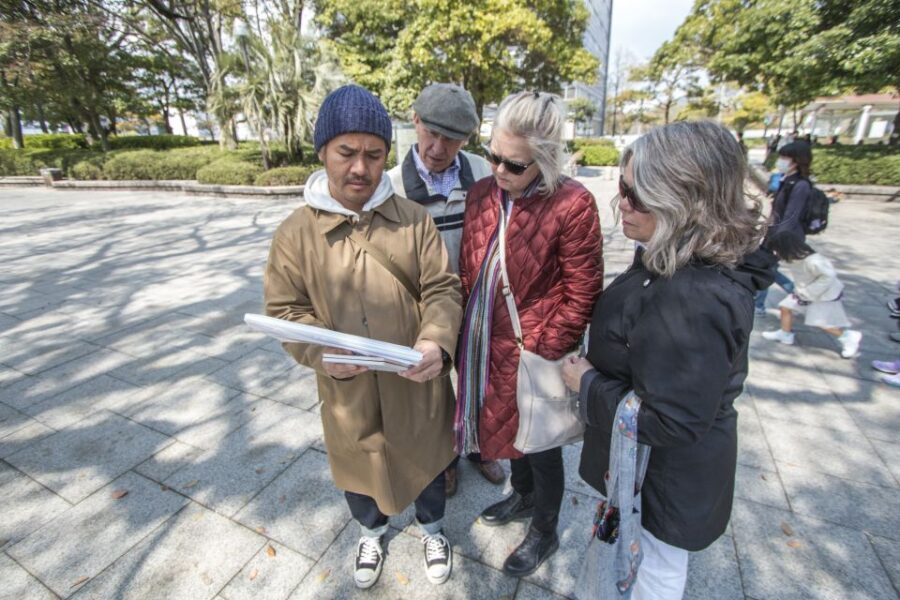
At $92 per person for 270 minutes, the value comes from two big things: entry fees plus a guide who connects dots.
You do not just get a walking route. You get entry to the Peace Memorial Museum and the Orizuru Tower, and lunch is included. You also get a guided experience (about five hours of tour time on the ground) and tour photos. That means you are not spending your time figuring out ticket logistics and translating everything alone while you are already emotionally loaded.
If you tried this self-guided, you could still see the same major sites. The difference is that you might miss the internal logic of the day: how the museum narrative threads into the park, how the Dome fits into the memorial statement, and how Orizuru and the surviving tree turn remembrance into a forward-looking message.
Pacing, Emotional Load, and Small Practical Tips
This tour is not designed for a casual, chatty afternoon. It is built for meaning, so your best move is to treat it like a single experience rather than a checklist.
A few practical notes from the tour info:
- You must be on time. Arrivals more than 15 minutes late from the meeting time cannot join.
- Vegetarian options are limited because Japanese restaurants are not always set up for vegetarian meals. If you have dietary requests or allergies, inform the organizer at least one day before; same-day requests can’t be accommodated.
- The tour is not suitable for people with gluten intolerance.
For comfort, wear shoes you trust. You will be walking between sites, and the museum parts can include standing and moving around with crowds. If you think you might get overwhelmed at the museum, plan to slow down inside and take the offered breaks rather than trying to power through.
Who Should Book This Peace Walking Tour?
Book this if you want Hiroshima’s story explained in a structured way. It is a strong fit for history lovers, yes, but also for people who are not sure where to start at the museum. The guide role is to make the heavy material readable without turning it into something casual.
It is also a good fit for families with teens. One set of experiences highlights that the day landed as a top memory for teenagers, which usually means the guide managed to make the context clear without talking down.
Skip it if gluten intolerance is an issue. Also skip it if you know you do not want a heavy emotional topic that requires attention and respect.
Should You Book This Hiroshima Peace Walking Tour?
I think you should book this if you want more than a museum ticket. The best version of your Hiroshima visit is one where you can ask questions, connect places, and still end the day with a peace ritual and a real meal.
If your goal is only photos and quick highlights, you might feel the day is too structured. But if you want the meaning behind the Atomic Bomb Dome, the reason the park matters, and how Orizuru and the Aorigi Tree turn remembrance into hope, this tour does exactly that.
FAQ
How long is the Hiroshima Peace Walking Tour of World Heritage Sites?
The tour lasts 270 minutes.
Is the tour in English?
Yes, the live tour guide speaks English.
What’s included in the price?
Entry to the Peace Memorial Museum and Orizuru Tower is included, along with lunch, a 5-hour tour with a local guide, and tour photos.
Where do I meet the guide?
Meet in front of the Montbell store near Kamiya-cho-nishi Station. The guide will be holding an orange sign that says Magical Trip Tour.
What if I have dietary needs like vegetarian meals or allergies?
Vegetarian options are limited. If you have dietary requests or allergies, you need to inform the organizer at least one day before the tour. Allergy-free meals cannot be guaranteed, and dietary restrictions may not be accommodated.
Is the tour suitable for gluten intolerance?
No. The tour is not suitable for people with gluten intolerance.