Atomic memories need a good guide. This 3-hour Hiroshima walk links the Peace Memorial Museum to surviving landmarks, with Awais explaining what you’re seeing in clear, careful terms. I like the way the route keeps moving so you spend less time stuck and more time understanding, and one catch is that it’s still a lot of walking, so plan for sore feet.
You’ll start at the Peace Memorial Museum area, then work through Peace Memorial Park’s major monuments and the Hiroshima of today, including the Atomic Bomb Dome area. The tour also includes time at Hiroshima Castle (you go inside rather than waiting out lines) and a visit to Shukukeien Garden, giving you a different kind of Hiroshima view between the memorial stops.
In This Review
- Key things you’ll notice on this Hiroshima walk
- Getting oriented at the Peace Memorial Museum
- Peace Memorial Park: the heart of the story, step by step
- Hiroshima’s surviving landmarks: Aioi Bridge and the Atomic Bomb Dome
- Hiroshima Castle inside: why you skip the line
- Shukukeien Garden: calm, design, and a 16th-century time capsule
- Walking pace, weather reality, and what to bring
- Price and what $57 buys you in Hiroshima
- Who this tour suits best
- Should you book this Hiroshima history and city sights tour?
- FAQ
- How long is the Hiroshima History and Hidden Gems Tour?
- Where does the tour start?
- Is the guide available in English?
- Do I need to buy tickets or wait in line?
- What main places will I visit?
- What should I bring for the tour?
- Is the tour wheelchair accessible, and can I cancel?
Key things you’ll notice on this Hiroshima walk
- Fast orientation at the start so the museum and park make sense instead of feeling like information overload
- A memorial route that follows real geography, linking monuments to bridges and the Dome
- Hiroshima Castle from the inside, which saves time and helps you see the best parts
- Shukukeien Garden for perspective, including the feel of a 16th-century tradition
- A guide who adapts when rain hits or when your timing needs adjusting
Getting oriented at the Peace Memorial Museum
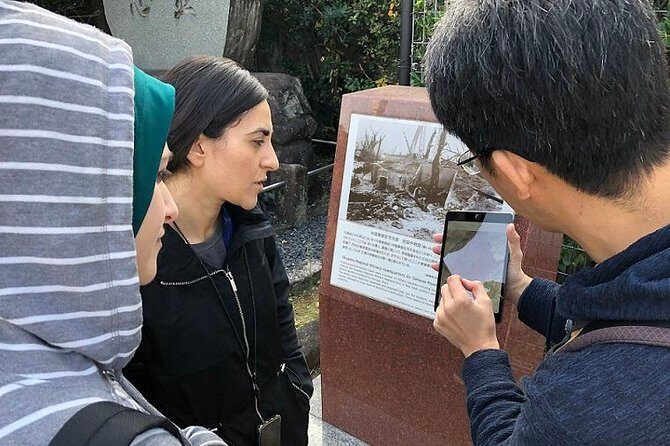
The tour starts at the Hiroshima Peace Memorial Museum, which is the right move because you’re not left guessing what the memorial sites mean. You’ll do a photo stop, then get a guided visit and walk through the area with context, not just labels.
I like that this part doesn’t feel rushed. The museum is emotionally heavy, and having an English-speaking guide (Awais) helps you connect the personal stories, historical facts, and the postwar meaning behind what you see. Some people try to brute-force this museum on their own; with a guide, you’re more likely to leave with a clearer picture of what the memorials are trying to communicate.
If you’re sensitive to the subject matter, that’s normal here. The tour is designed around careful sequencing and a calm pace, and the guide has shown flexibility when people need to adjust how long they spend inside.
Other Hiroshima highlights tours in Hiroshima
Peace Memorial Park: the heart of the story, step by step
After the museum, you move through Peace Memorial Park, where the city turns grief into a public message about peace. The walk is guided, and you’ll get scenic views along the way while still covering the most important points.
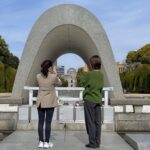
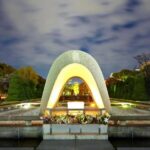
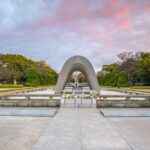
From there, you’ll see the Hiroshima National Peace Memorial, the Children’s Peace Monument, and the Atomic Bomb Memorial Burial Mound. These aren’t interchangeable stops. They hit different emotional chords: national remembrance, the innocence of children, and the physical reality of what remains.
Here’s the thing I think makes a guide worth it in this park: it’s easy to read signage and still miss the relationships between monuments. With a guide, you get the why behind the layout—what each memorial adds to the full message.
Also, this is one of those places where weather changes everything. The tour runs as a walking experience, and if rain shows up, the guide has experience handling it—staying sheltered at key moments and keeping the visit moving without panic.
Hiroshima’s surviving landmarks: Aioi Bridge and the Atomic Bomb Dome
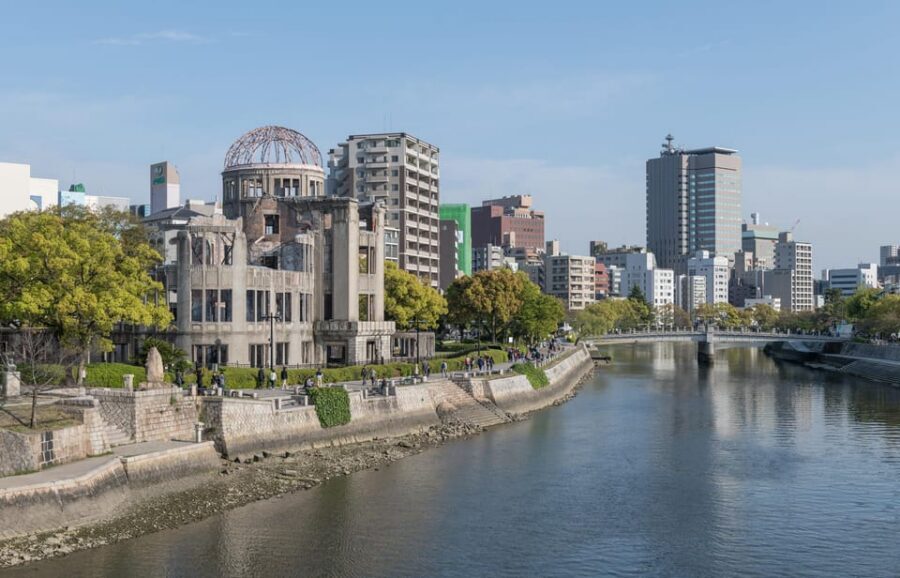
Once you’re through the park’s major monuments, the tour shifts from explanation to geography. You’ll visit Aioi Bridge, which matters because bridges are how you understand Hiroshima’s city lines and movement—what people saw, where things happened, and how the city reconfigured afterward.
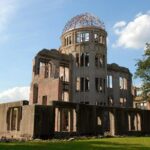
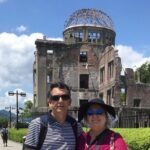
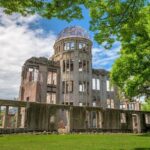
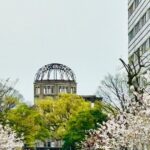
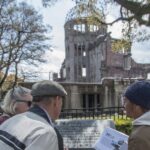
Then you’ll reach the Atomic Bomb Dome area, a must-see landmark that still carries the shock of what survived. This isn’t just a photo stop. It’s treated as a guided visit with context so you don’t experience it as a generic historic site.
You’ll also see the Korean Atomic Bomb Victims Cenotaph, which is a powerful reminder that the story isn’t only one group’s experience. One of the most valuable things you’ll do on this tour is learn how to read the memorial landscape as layered history, not a single straight timeline.
A small detail that I appreciate: the tour includes an Atomic Bomb Memorial Burial Mound stop again, which reinforces what you just learned and ties the route together. It helps your brain organize the visit so it feels connected, not like a list.
Hiroshima Castle inside: why you skip the line
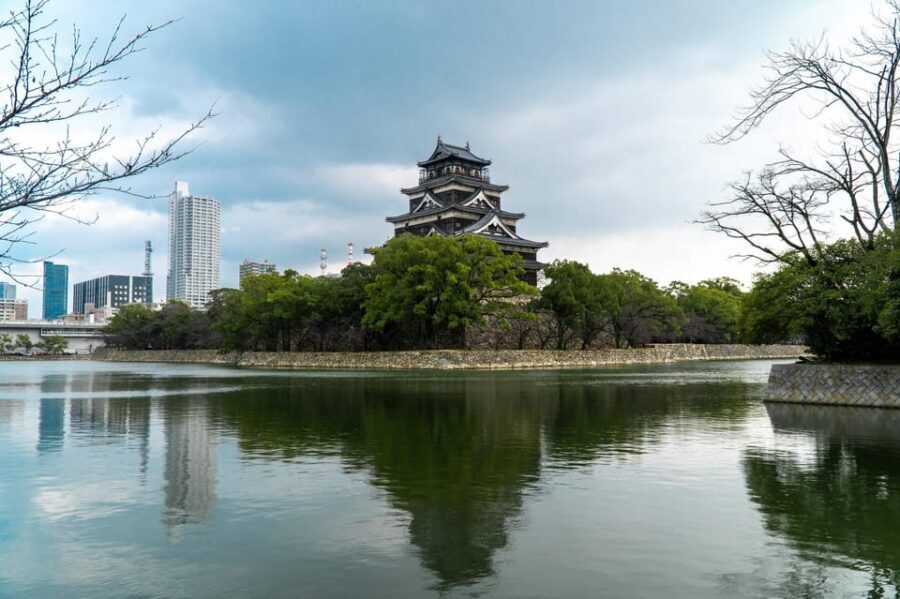
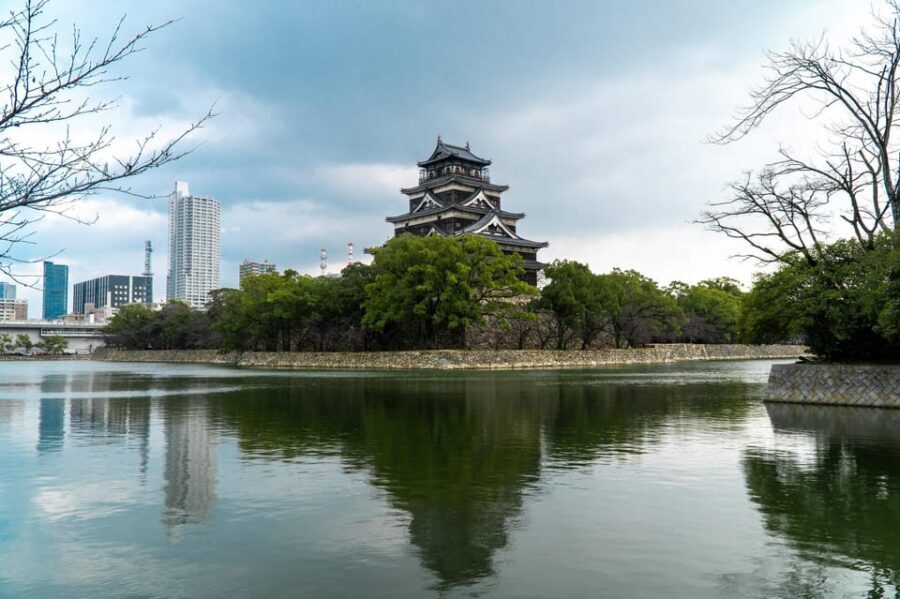
After the memorial focus, the mood shifts—still serious, but different. Next up is Hiroshima Castle, one of the city’s best-known historical castles.
The tour’s approach here is practical: instead of waiting through lines, you head inside to see the important highlights. That makes a difference because you’re on a 3-hour walking plan. You don’t want half your time evaporating in queue time when your guide could be using that time to help you understand the castle’s role in the city.
Even if you don’t consider yourself a “castle person,” this stop helps you balance the day. Hiroshima isn’t only the atomic bomb. It’s also architecture, civic identity, and how the city rebuilt itself with its own sense of place.
Shukukeien Garden: calm, design, and a 16th-century time capsule
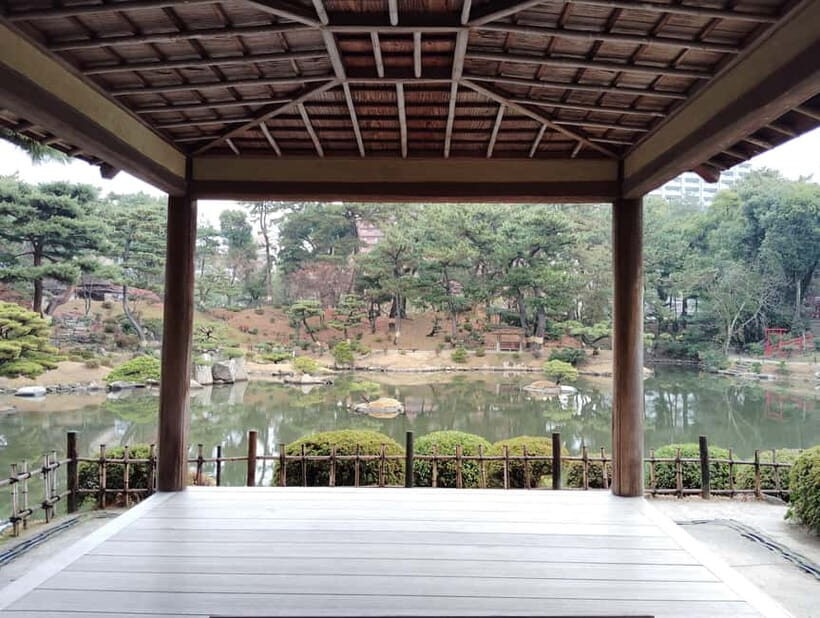
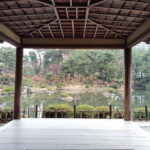
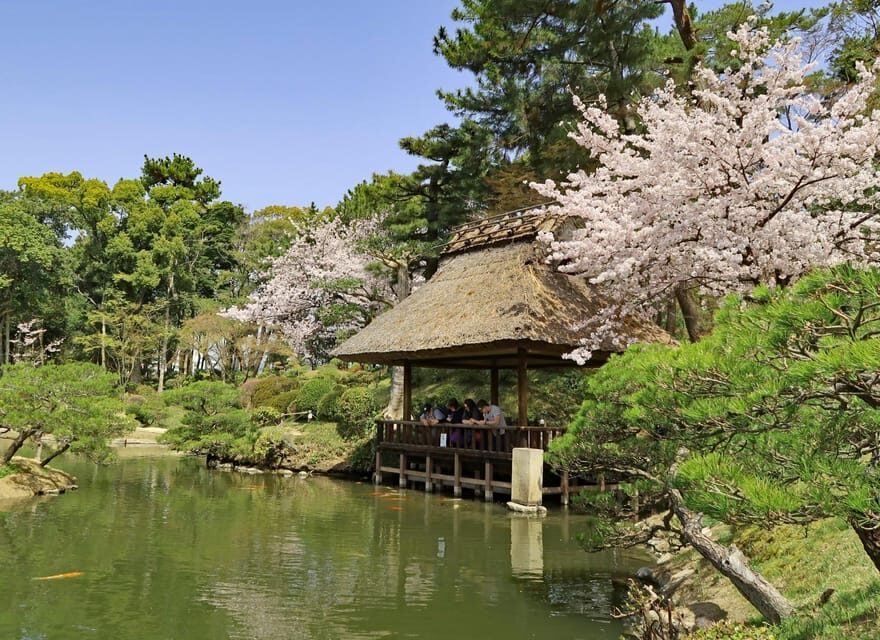
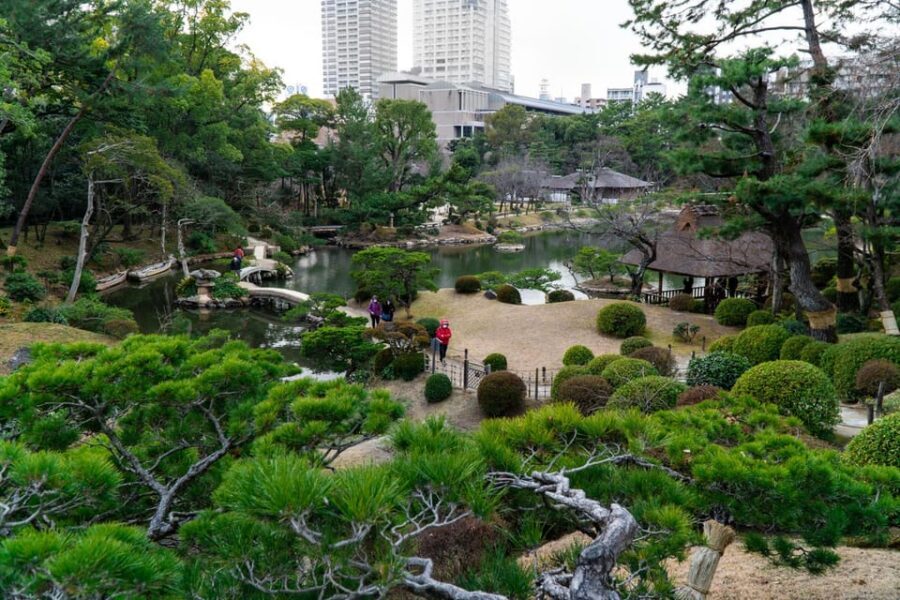
Then comes Shukukeien Garden, described as the oldest garden dating back to the 16th century. This is a smart contrast to the memorial area: a chance to see Hiroshima through design and tradition instead of through wartime memory alone.
The guided tour highlights the garden’s striking architecture and the history behind what you’re looking at. If you’re the kind of person who likes taking in places with your eyes before your brain tries to rank them, you’ll probably enjoy this part a lot.
I also think it’s a good way to process the day. After heavy sites like the Dome and the park monuments, a garden walk can feel like breathing again. It’s not a reset that erases the past—it’s a view of how people built beauty and routine into daily life.
Other historical tours in Hiroshima
Walking pace, weather reality, and what to bring
This is a walking tour. That’s true even though it’s “only” 3 hours. You’ll cover several major sites in sequence, and the schedule assumes you’re comfortable moving between stops.
I’d plan your day with two simple rules:
- Wear comfortable shoes you can trust for uneven outdoor walking.
- Bring sun protection like a hat and sunscreen, since the tour includes outdoor sections.
Also, bring weather-appropriate clothing. The tour experience can change fast with rain, and the guide has shown they can keep you sheltered and keep the visit on track when skies open up.
If you’re traveling with mobility needs, the tour is listed as wheelchair accessible, but I’d still think ahead. Outdoor walking conditions and crowding can affect how smooth it feels.
Price and what $57 buys you in Hiroshima
At $57 per person for a 3-hour English-led walking tour, the value depends on what you’re looking for.
If you want to see the key sites—Peace Memorial Museum, Peace Memorial Park monuments, Aioi Bridge, Atomic Bomb Dome, plus Hiroshima Castle and Shukukeien Garden—without spending your energy figuring out what matters, you’re in the sweet spot. You also get a live English-speaking guide and a tour flow designed to help you avoid wasting time waiting in lines at major stops.
If you’re the kind of traveler who loves going solo with guidebooks, this might feel a bit pricey. But in Hiroshima’s memorial areas, a guide often changes the experience from reading words to understanding meaning. That’s where $57 can feel like a bargain instead of a splurge.
One extra value point: the tour includes the major stops you actually care about, and it doesn’t build the visit around shopping. There’s no planned souvenir shop stop pulling you away from the history.
Who this tour suits best
This tour is ideal if you want:
- an English-speaking guide who explains the story behind each stop
- a walking route that links landmarks in a way that makes sense
- time at both the memorial sites and the city’s historical/cultural highlights (castle and garden)
It’s especially good for first-timers who feel overwhelmed by how much there is to see in Hiroshima. With the right pacing, you can leave with understanding instead of just a lot of photos.
It can also work well for people who need flexibility. The guide has shown they can adjust timing if you want to spend less time in the museum or if rain changes plans. In practice, that means you’re not locked into a rigid script.
Should you book this Hiroshima history and city sights tour?
If you’re choosing between a self-guided walk and an organized, English-led route, I’d lean toward booking this one—mainly because Hiroshima isn’t a “checklist” city today. It’s a place where context matters.
Book it if you want to:
- see the major memorial sites and surviving landmarks in a clear order
- understand what the monuments mean (without needing to research for hours first)
- add Hiroshima Castle and Shukukeien Garden so the day feels balanced
Skip it only if you know you want total silence and full independence, and you’re comfortable building your own route and interpretation without help.
FAQ
How long is the Hiroshima History and Hidden Gems Tour?
The tour lasts 3 hours.
Where does the tour start?
It starts at the Hiroshima Peace Memorial Museum. You can choose a meeting point if you prefer.
Is the guide available in English?
Yes. The tour includes a live English-speaking guide.
Do I need to buy tickets or wait in line?
The tour is set up so you can skip the ticket line.
What main places will I visit?
You’ll visit the Peace Memorial Museum and Peace Memorial Park area, see major memorials including the Hiroshima National Peace Memorial, Children’s Peace Monument, Atomic Bomb Memorial Burial Mound, Aioi Bridge, Korean Atomic Bomb Victims Cenotaph, Atomic Bomb Dome, and also visit Hiroshima Castle, plus Shukukeien Garden.
What should I bring for the tour?
Bring comfortable shoes, a hat, sunscreen, and weather-appropriate clothing.
Is the tour wheelchair accessible, and can I cancel?
The tour is listed as wheelchair accessible. You can cancel up to 24 hours in advance for a full refund, and there’s also a reserve now & pay later option.