REVIEW · HIROSHIMA
Hiroshima: Best of Hiroshima Guided Bike Tour
Book on GetYourGuide →Operated by InKansai Ltd · Bookable on GetYourGuide
One bike ride can pack a lot of meaning. This guided loop is a smart way to see Hiroshima’s most important sights fast, while still keeping the experience calm and human. I especially like the flat, easy route and the fact that you get a respectful, story-led visit to the Peace Memorial Park and Atomic Bomb Dome. One drawback to plan around: this tour really depends on good weather, so you’ll want a flexible day.
The ride starts at Cycle Hiroshima HQ with a short orientation and bike fitting, plus a helmet and water. You’re on quality Trek bikes in different sizes, and if you need an option, they offer step-through bikes and even e-bikes. Guides I noticed in the guide roster—like Miyu and James—are consistently praised for thoughtful pacing and strong English explanations, which matters on a route where you’ll stop often.
The “best of Hiroshima” idea here is practical. In about 210 minutes, you cover major landmarks that would take much longer on foot, and you also reach spots that don’t fit neatly into bus routes. Just note the basic safety filter: it’s not for people with certain medical conditions, and kids must be at least 12.
In This Review
- Key Highlights Worth Booking
- Why Biking Works So Well in Hiroshima
- Starting at Cycle Hiroshima HQ: Bike Fit First, Fun Second
- Riverside to Peace Memorial Park: A Calm Ride to a Sobering Place
- Peace Park and Atomic Bomb Dome: What You’ll See and How to Read It
- Gokoku Jinja and Hiroshima Castle Grounds: Samurai-Era Contrast Without the Stress
- Shukkei-en Garden: The Edo-Period Reset at the End
- Bikes, Pace, and Comfort: Easy Riding That Still Feels Like an Experience
- Price and Value: Is $70 Actually Fair?
- Practical Tips Before You Go (So You Enjoy It)
- Who Should Book This Tour, and Who Might Skip It
- Should You Book the Hiroshima Best of Hiroshima Guided Bike Tour?
- FAQ
- What’s the meeting point for the bike tour?
- How long is the Hiroshima guided bike tour?
- How much does the tour cost?
- What’s the group size?
- Is the cycling route flat and easy?
- What bikes are provided?
- What’s included in the price?
- Is a helmet provided?
- What should I bring?
- What happens if the weather is bad?
Key Highlights Worth Booking
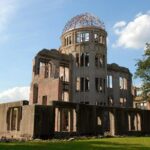
- Peace Memorial Park stops with real context: you’ll visit the atomic bombing memorials, including the Atomic Bomb Dome (UNESCO site), with time for questions.
- Flat cycling for many ability levels: the route is designed to feel easy, with frequent breaks and low-stress riding.
- Top landmarks in one loop: you’ll add Gokoku Jinja and Hiroshima Castle grounds without spending your whole day commuting.
- High-quality rental bikes: Trek bikes (plus step-throughs, e-bikes, and child-sized options) make this feel like a legit ride, not a chore.
- Shukkei-en Garden at the right moment: the Edo-period garden gives you a quiet reset after the heavier stops.
Why Biking Works So Well in Hiroshima
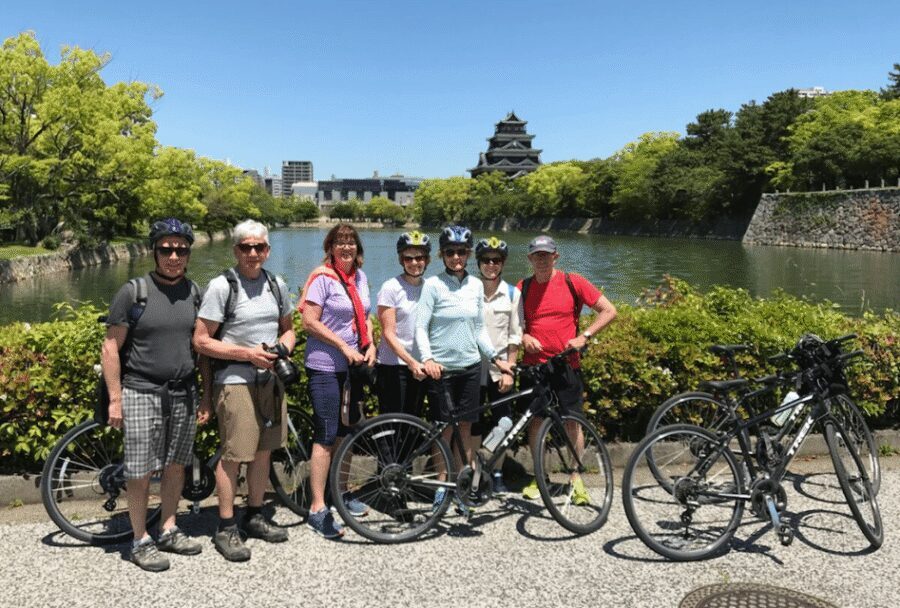
Hiroshima can be heavy emotionally, and it’s also surprisingly efficient to explore by bicycle. This tour is set up for both: you’re moving, but you’re not rushing. Instead of hopping on and off buses, you get a smooth flow from one meaningful place to the next.
You’ll also save your legs. When a city is built around walking distance between major sites, it’s easy to turn a “half-day” into a sore-foot day. Here, you’re out riding on mostly easy terrain, so you can actually enjoy the stops instead of timing your energy like a battery meter.
The second big win is access. You’re not stuck only where cars and buses can go. With the right route planning, you can reach charming areas and quieter stretches that feel more local than a standard tourist circuit.
Other Hiroshima highlights tours in Hiroshima
Starting at Cycle Hiroshima HQ: Bike Fit First, Fun Second
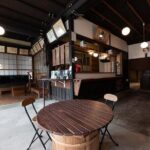
Your first real “win” is how the tour begins. You meet at Cycle Hiroshima HQ (look for the big Cycle Hiroshima sign), then you get a short orientation and bike fitting before you roll out. That small step matters, because a good bike fit is what makes the ride feel effortless instead of shaky.
You’re provided with a high-quality bike and helmet, and bottled water is included. Guides like Awais and Aimee are often mentioned for making sure the group is comfortable and that questions are welcome. For solo travelers, the small-group setup also helps—you’re not trying to hear history over a crowd.
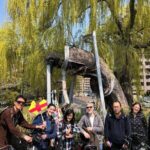
The tour runs 210 minutes, which is long enough to feel like you actually saw Hiroshima, but short enough that you’re not trapped outside your own plans for the whole day. It’s also limited to a small group (up to 8 participants), so you’re not just a body in a line.
Riverside to Peace Memorial Park: A Calm Ride to a Sobering Place
Once you start, the motion is easy. The route begins with a relaxing riverside ride toward the Peace Memorial Park area. That warm-up phase is more than just transport—it helps you settle in, get comfortable on your bike, and mentally shift from arrival mode to remembrance mode.
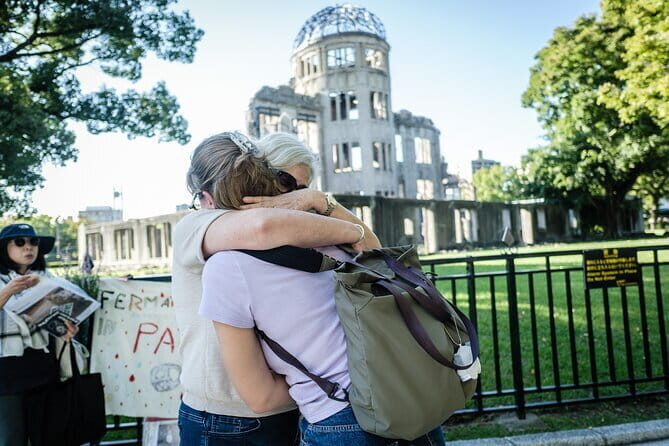
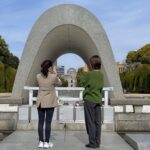
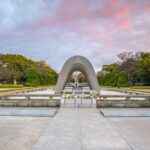
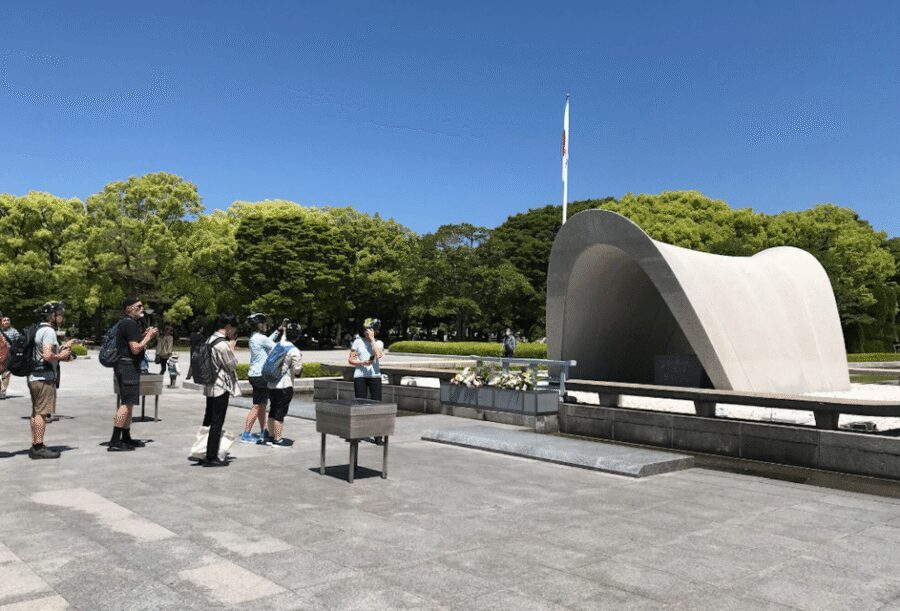
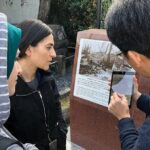
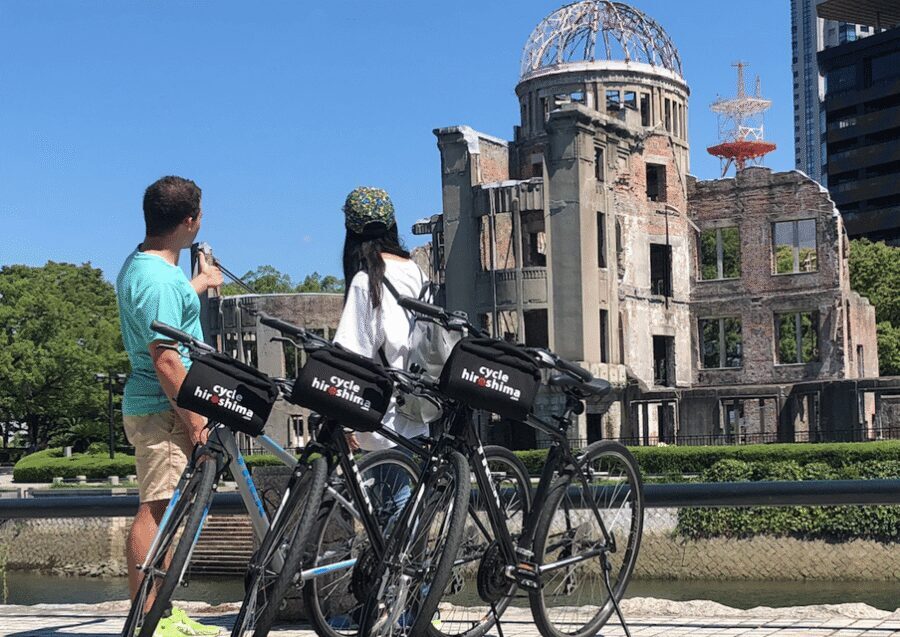
When you reach the Peace Memorial Park, you’ll be guided through several of Hiroshima’s iconic monuments connected to August 6th, 1945. Your guide’s role is key here. You don’t just get a list of stops; you get a narrative that links places together so they mean more when you stand there.
You’ll also get time to ask questions and absorb what you’re seeing. That’s not a tiny detail. In a place that carries grief and global significance, a good guide helps you slow down and look without turning the visit into a checklist.
Peace Park and Atomic Bomb Dome: What You’ll See and How to Read It
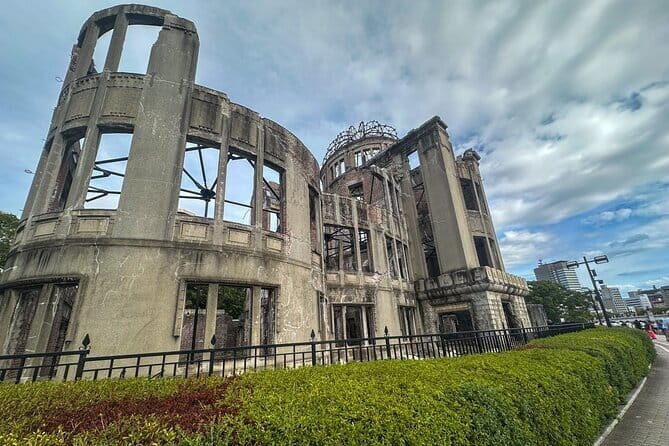
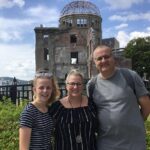
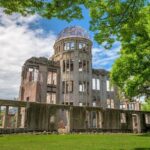
The tour’s heart is the Peace Memorial Park circuit. The centerpiece is the Atomic Bomb Dome, a UNESCO World Heritage Site. Seeing it by bike feels different than seeing it from the edge on a quick walk. You arrive with momentum behind you, and then you naturally go still.
Beyond the Dome, you’ll visit multiple monuments commemorating the atomic bombing. The best guides on this route, including names like Hasan, Ehsan, Levi, and Melissa, are repeatedly praised for pacing their storytelling and handling the subject with respect.
What I like about the way this is structured is that it balances two needs at once:
- you get historical framing for August 6th and what followed
- you also get a sense of how Hiroshima transformed into a City of Peace
Practical tip: bring your questions. If you’re curious about what you’re seeing—names on plaques, how the site survived, what the memorials are trying to say—this is where a live guide is worth paying for. You’ll get better meaning from those details when someone can answer in plain English.
Gokoku Jinja and Hiroshima Castle Grounds: Samurai-Era Contrast Without the Stress
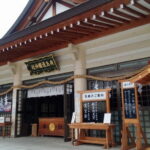
After the Peace Park, the route continues north to Gokoku Jinja, described as the most popular Shinto shrine in Hiroshima. This stop works well because it shifts the tone. You’re not abandoning remembrance—you’re adding another layer to understanding a living city.
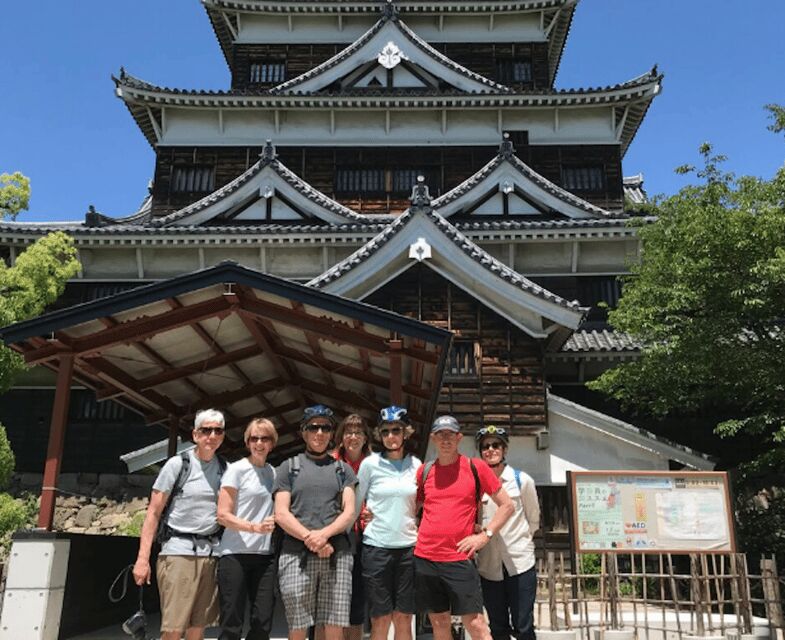
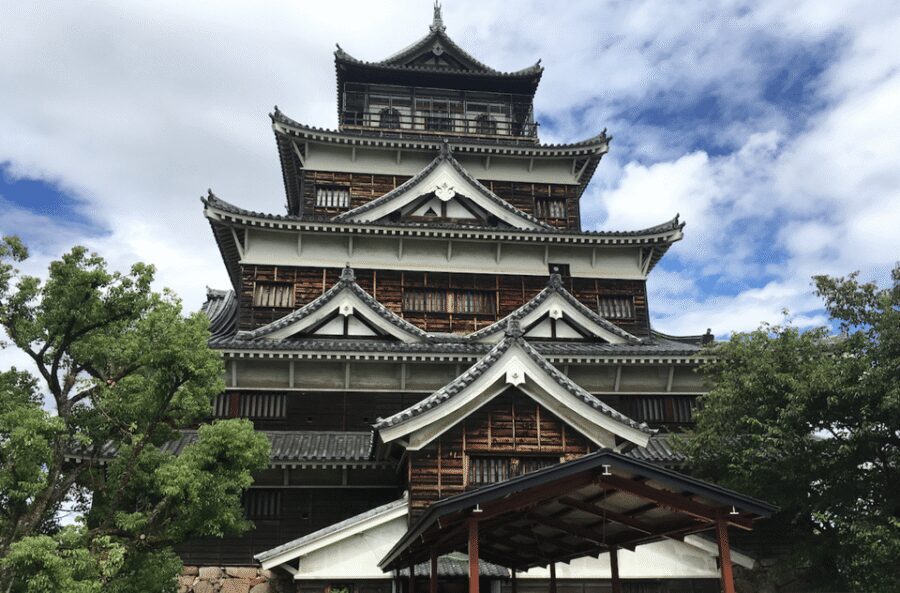
Then you move on through the grounds of Hiroshima Castle. You won’t be doing a deep “castles all day” thing here, but you do get a glimpse into the days of the samurai through the castle setting.
This contrast is one of the tour’s strengths. It prevents your day from becoming only heavy monument time. You still learn, but your surroundings start to feel more like a normal city again—which is important if you don’t want your trip to feel like a museum marathon.
Also, biking helps here. Walking between major stops can turn into a constant sidewalk negotiation. On bikes, you keep your rhythm and get to focus on the places you stop for, not the distance between them.
Other Hiroshima cycling and bike tours in Hiroshima

Shukkei-en Garden: The Edo-Period Reset at the End
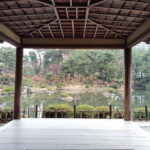
The last major stop is Shukkei-en Garden, built in the Edo Period and often described as one of the most beautiful traditional gardens in Western Japan. This garden is included in your tour, so you won’t have to sort out ticket timing mid-day.
What makes this ending time smart is emotional pacing. After the Peace Memorial Park and the historical weight of the Dome, the garden gives you quiet. You’ll have a chance to slow down, take photos, and just breathe for a bit.
From a practical standpoint, gardens also give your legs a break. You can dismount and stand without rushing. It’s a good way to close a tour that has both moving and stopping, because your day ends feeling calm instead of hurried.
Bikes, Pace, and Comfort: Easy Riding That Still Feels Like an Experience
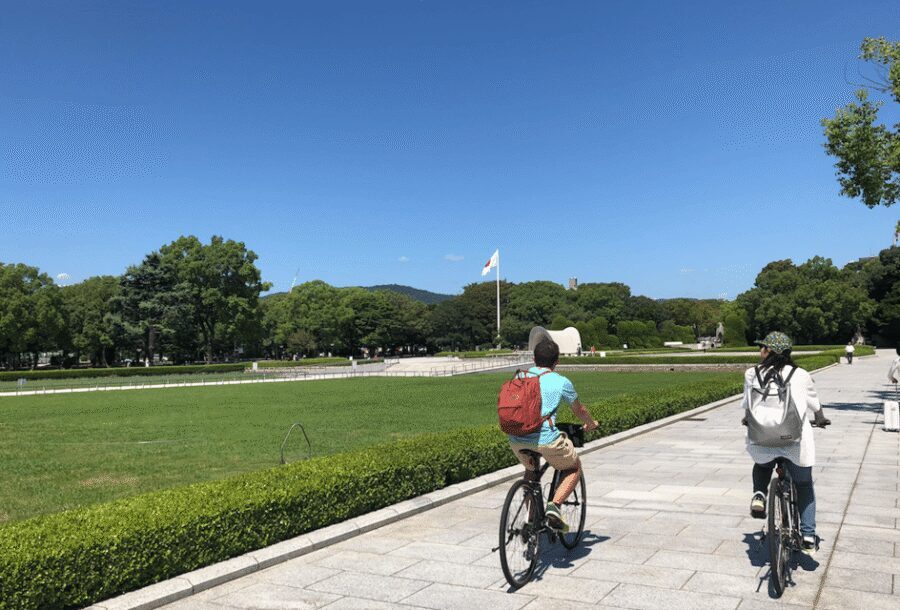
This is a flat route, and it’s designed to be suitable for anyone who can ride a bike. That doesn’t mean it’s a race. The ride is described as leisurely, and the group format supports frequent stops for information and photos.
You’ll have choices in bike type. The fleet includes Trek bikes in a range of sizes, plus step-through options. If you want extra help, they also offer e-bikes. There are child-sized bikes as well, and the setup is meant to accommodate different rider needs.
One small reality check: the tour has health and height limits. It’s not suitable for children under 12, pregnant women, people with back problems, people with heart problems, those under 140 cm, or anyone with pre-existing medical conditions. If you fall into that category, it’s better to choose a gentler alternative.
Price and Value: Is $70 Actually Fair?
At $70 per person for about 3.5 hours, this tour is priced like an experience, not a cheap add-on. But the value is pretty clear when you itemize what you get.
You’re paying for:
- an English-speaking guide guiding you through multiple major sites
- bike and helmet rental (including quality Trek bikes)
- bottled water
- entry to Shukkei-en Garden
Add those up, and you’re basically covering your transport-by-bike plus the guide’s work plus one admission fee. You also gain time efficiency: you see several top landmarks in one day without having to plan transit between them.
The other value angle is learning quality. Guides such as Aimee, James, and Awais are repeatedly described as engaging storytellers who can explain the significance of what you’re seeing and answer questions. For a place like Hiroshima, that kind of interpretation is not a luxury. It’s part of what makes the visit land.
Practical Tips Before You Go (So You Enjoy It)
If you want the day to feel smooth, come prepared for comfort and weather.
- Wear comfortable shoes and clothes.
- Expect you’ll stop often, so dress for standing and short photo breaks.
- This experience requires good weather. If it’s canceled due to poor weather, you’ll be offered a different date or a full refund.
One more tip: arrive with a little extra time for the bike fitting. People who get to the shop early tend to feel more relaxed when they start moving. And once you’re rolling, the ride is easy—your main job is to enjoy the stops, not manage traffic stress.
Who Should Book This Tour, and Who Might Skip It
This tour fits well if you want:
- a time-efficient way to see Hiroshima’s major highlights
- an easier day on your feet thanks to the bike
- a guide-led, respectful visit to the Peace Memorial Park area
- a mix of solemn monuments, shrine/castle atmosphere, and an Edo garden reset
You might skip it if:
- you can’t ride a bicycle comfortably
- your health situation makes this route unsuitable (the tour is explicit about exclusions)
- you’re traveling with very young kids (minimum age is 12)
If you’re an adult with basic bike comfort, this is one of the better “first days in Hiroshima” choices.
Should You Book the Hiroshima Best of Hiroshima Guided Bike Tour?
Yes—if you’re the type of traveler who wants your day to feel both efficient and meaningful, this is an easy choice. The flat riding, small group size, and strong English guidance make it work for first-timers who want major landmarks without turning the trip into a sprint.
Book it especially if you care about understanding what you’re seeing at the Peace Memorial Park, not just photographing the main sights. The garden ending is a smart touch, too. It helps your day finish with calm instead of exhaustion.
If weather is uncertain, keep a flexible mindset. When the skies cooperate, this tour is a strong value way to experience Hiroshima in about half a day.
FAQ
What’s the meeting point for the bike tour?
You meet at Cycle Hiroshima HQ. The shop has a big Cycle Hiroshima sign at the front.
How long is the Hiroshima guided bike tour?
The tour runs for 210 minutes (about 3.5 hours).
How much does the tour cost?
The price is $70 per person.
What’s the group size?
It’s a small group limited to a maximum of 8 participants.
Is the cycling route flat and easy?
Yes. The route is completely flat and designed to be suitable for anyone who can ride a bike.
What bikes are provided?
You get rental bikes from the Trek brand in a range of sizes. You can also choose step-throughs, e-bikes, or child-sized bikes if needed.
What’s included in the price?
Included items are an English-speaking guide, high quality bike and helmet rental, bottled water, and entry to Shukkei-en Garden.
Is a helmet provided?
Yes. Helmet rental is included.
What should I bring?
Bring comfortable shoes and comfortable clothes.
What happens if the weather is bad?
This experience requires good weather. If it’s canceled due to poor weather, you’ll be offered a different date or a full refund.