REVIEW · HIROSHIMA
Hiroshima: Peace Memorial Park and Atomic Bomb Dome Tour
Book on GetYourGuide →Operated by Hussain · Bookable on GetYourGuide
Peace has a location in Hiroshima. This 2-hour tour strings together the Gates of Peace with the Atomic Bomb Dome, and a live guide explains what you’re seeing and why it was targeted. I like that you don’t just stroll past stone and bronze; you pause for meaning—at places like the cenotaph and the flame—before moving on to the iconic UNESCO site.
One thing to think about: it’s emotionally heavy and there’s a lot of walking on mostly memorial grounds, so comfy shoes and a steady pace matter.
In This Review
- Quick reasons this tour works so well
- The route: how a short walk teaches big context
- Meeting at the Gates of Peace near Mario
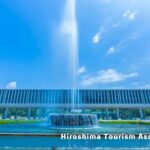
- Gates of Peace and the Prayer Fountain: set the tone first
- Hiroshima Peace Memorial Park: where the key monuments connect
- Flame of Peace: a small stop with big weight
- Children’s Peace Monument and Sadako Sasaki
- Cenotaph for A-bomb victims (including Korean victims)
- Peace Bell and Aioi Bridge: where hope meets the original view
- Atomic Bomb Dome: the UNESCO icon with real context attached
- Finishing at the Atomic Bomb Hypocenter Monument
- Price and value: what $23 buys in real terms
- Pacing and question time: getting more than a walk
- What to bring, and what can trip you up
- Who should book, and who might want a different plan
- Should you book this Hiroshima Peace Memorial Park and Atomic Bomb Dome tour?
- FAQ
- How long is the Hiroshima Peace Memorial Park and Atomic Bomb Dome tour?
- Where do I meet for the tour?
- Is food included on this tour?
- What language options are available for the guide?
- Which major sites does the tour include?
- Is the tour suitable for wheelchair users or mobility impairments?
- What should I bring to the tour?
- Can I take photos, and is smoking allowed?
Quick reasons this tour works so well
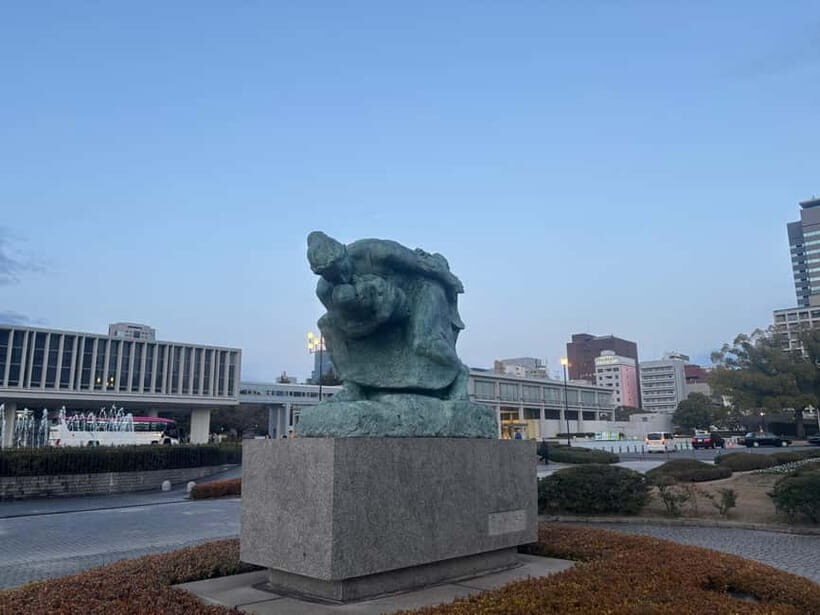
- A live PhD scholar–led format that turns monuments into clear, human-scale stories
- Ringing the Peace Bell as an actual ritual, not a random stop for photos
- A tight route that connects the Dome to the Hypocenter Monument so the geography clicks
- Cenotaph tributes that include Korean atomic bomb victims so the tragedy is not framed as one narrow story
- Stops that go beyond the Dome, including the Peace Hall and memorials like Dr. Marcel Junod and Norman Cousins
The route: how a short walk teaches big context
This isn’t a long-day history crawl. It’s a focused 2-hour walking tour built around a simple goal: help you see the Hiroshima Peace Memorial area with clear context, then walk away feeling you understand how the city rebuilt itself into a global symbol of peace.
You’ll move through a sequence of landmarks that each do a job. Some help you remember. Some help you understand the why. And some help you notice how the city looks now—because Hiroshima is not only about 1945. It’s also about what people chose to build after.
You start at the Gates of Peace, then step into a route that keeps returning to remembrance: fountain, flame, children’s monument, cenotaphs, bell, bridge, and finally the Dome and the Hypocenter Monument. That structure makes it easier to keep your footing—both physically and mentally.
Other Peace Memorial Park tours in Hiroshima

Meeting at the Gates of Peace near Mario
You meet at the Gates of Peace, front side of the Italian restaurant Mario. It’s a simple, easy-to-find meeting point, but do arrive a few minutes early so you’re not rushing at the start—especially if you’re sensitive to crowds in a memorial area.
From the start, expect a guided flow rather than a free-form wander. A guide-led format helps a lot here, because many people end up at the Dome with great photos but thin context. This tour aims to fix that with a clear narrative arc as you walk.
If the name Syed shows up on the guide roster in your booking, that’s a good sign. Multiple people highlight not just enthusiasm, but also a gentle, respectful style when discussing difficult material.
Gates of Peace and the Prayer Fountain: set the tone first
The first stretch is about mindset. At the Gates of Peace, you’ll get oriented to what the memorial area is trying to do and how to read it as you go.
Then you head to the Prayer Fountain. This stop is short, but it matters because it’s one of the reminders that this is still a living space of remembrance. You’re not visiting a museum display; you’re walking through an area designed for reflection.
Practical note: this early part is also a good moment to settle into your pace. Take a water sip, adjust your hat if you brought one, and prepare for the fact that you’ll be on your feet for the whole experience.
Hiroshima Peace Memorial Park: where the key monuments connect
The heart of the tour is Hiroshima Peace Memorial Park, where you’ll spend the most time—about 40 minutes. This is where the tour shifts from individual structures to the bigger idea: how Hiroshima holds memory, teaches, and rebuilds.
Within this segment, the included highlights cover major stops such as:
- Hiroshima National Peace Memorial Hall
- Dr. Marcel Junod Memorial
- Norman Cousins Memorial
Even if you already know the basics of the atomic bombing, these named memorial stops help you understand the broader peace message that grew from the event. A guide’s job here is crucial: they point out why these places exist and what they’re meant to communicate.
One drawback to plan for: the park portions can feel “dense.” You’ll likely see several memorial elements close together, and if you rush your own internal processing, it can start feeling like information overload. I recommend you slow down at any moment that feels important and let the guide’s facts land before moving on.
Flame of Peace: a small stop with big weight
At the Flame of Peace, you get another clear pivot point. This is not a long detour, but it’s one of the stops that most visitors remember because it’s symbolic and direct.
The tour frames it as a living statement: not only honoring victims, but also signaling continuing hope. If you’re the type who needs time to absorb, this is a place to do it. Don’t treat it like another photo stop.
And yes, this is where you’ll feel the emotional temperature of the whole experience most clearly.
Other Atomic Bomb Dome tours in Hiroshima

Children’s Peace Monument and Sadako Sasaki
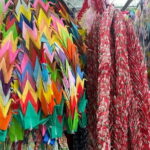
The Children’s Peace Monument brings the story down to a scale that’s hard to shake. You’ll hear about Sadako Sasaki and the thousand paper cranes, which is one of the most enduring images connected to Hiroshima’s aftermath.
This stop is valuable for a simple reason: it gives your brain an anchor. When you hear only dates and locations, it can stay abstract. When you add a child’s story and the paper-crane symbol, the memorial becomes more understandable.
The timing also helps. By the time you reach this monument, you’ve already been through several remembrance points, so the children’s message doesn’t feel random—it feels like a continuation.
Cenotaph for A-bomb victims (including Korean victims)
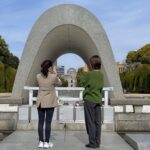
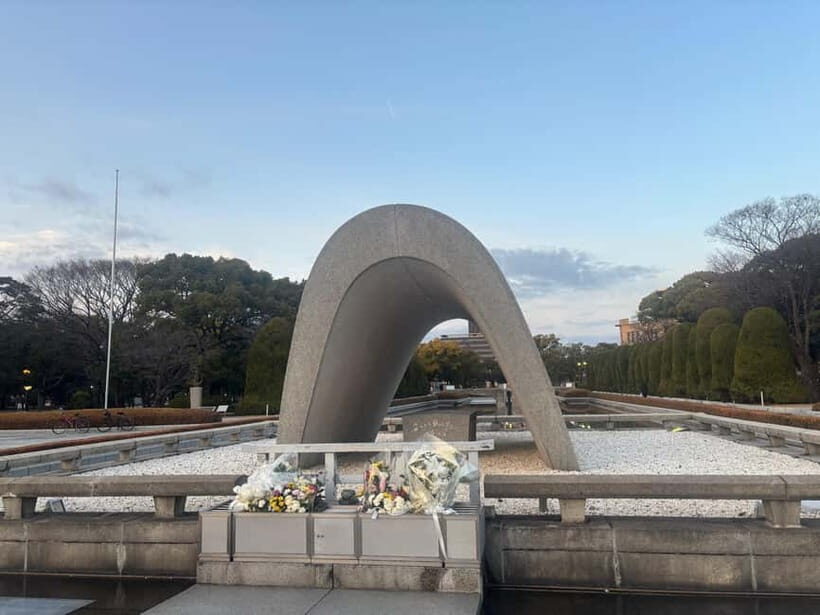
Next comes the Korean Atomic Bomb Victims Cenotaph. After you’ve spent time on Hiroshima-centered memory, this stop expands the story so the tragedy is not presented as one narrow set of victims.
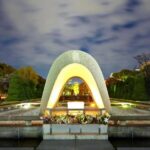
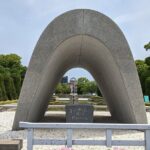
The tour also includes the Cenotaph of the Hiroshima Victims Memorial, plus other remembrance elements like the Cenotaph for the victims of the atomic bomb in Korea. Together, these stops reinforce a key idea: many communities were affected, and memorial design chooses to acknowledge that.
This is also a moment where a respectful guide approach matters. The best guides don’t speed through this. They create room for questions, and they keep their tone appropriate for the setting.
Peace Bell and Aioi Bridge: where hope meets the original view
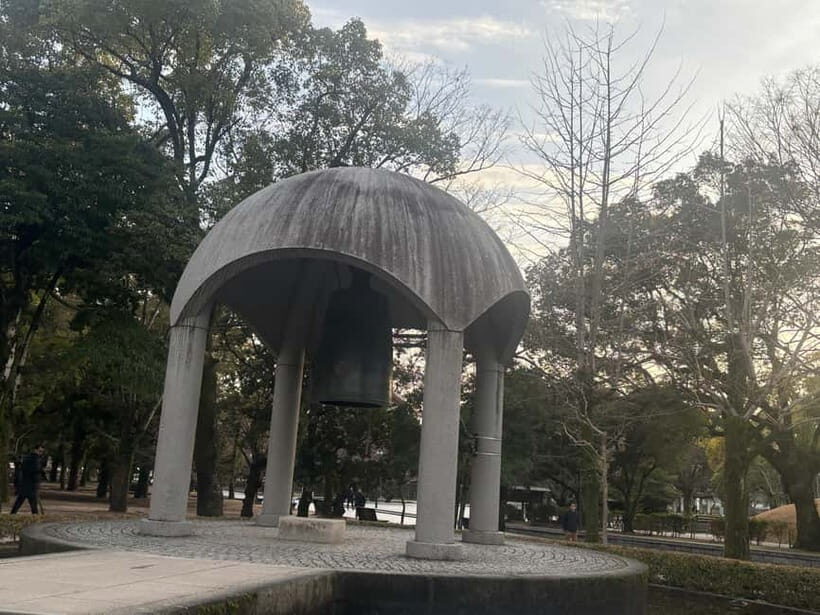
Then you’ll reach the Bell of Peace, Hiroshima. The tour includes the chance to ring the Peace Bell as a symbol of hope and world peace.
This is one of those travel moments that feels “small” until you do it. The bell ritual turns you from an observer into part of the experience’s meaning. You’ll remember it long after the photos blur.
After that, you walk to Aioi Bridge, another landmark that helps connect the story to place. Bridges matter in Hiroshima memorial context because they help you imagine movement, distance, and what the area might have looked like in relation to the bombing.
Even if you’ve studied maps, seeing these spots in sequence can make your mental picture sharper.
Atomic Bomb Dome: the UNESCO icon with real context attached
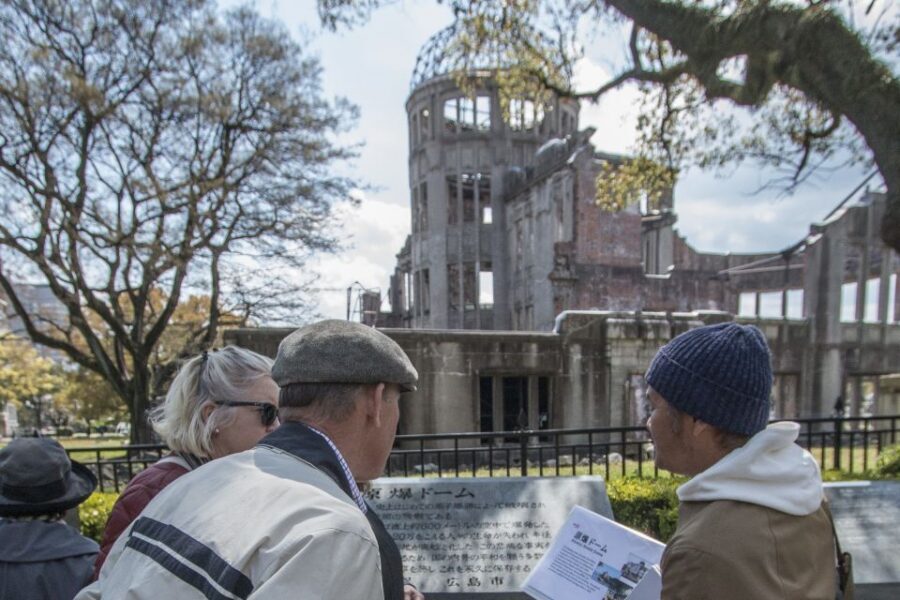
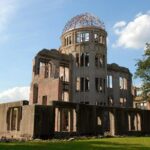
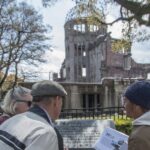
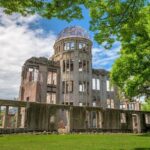
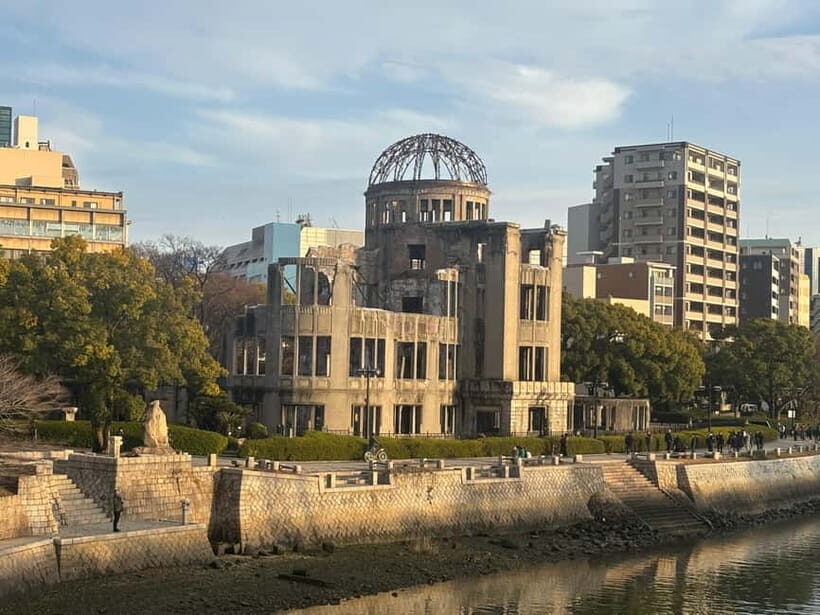
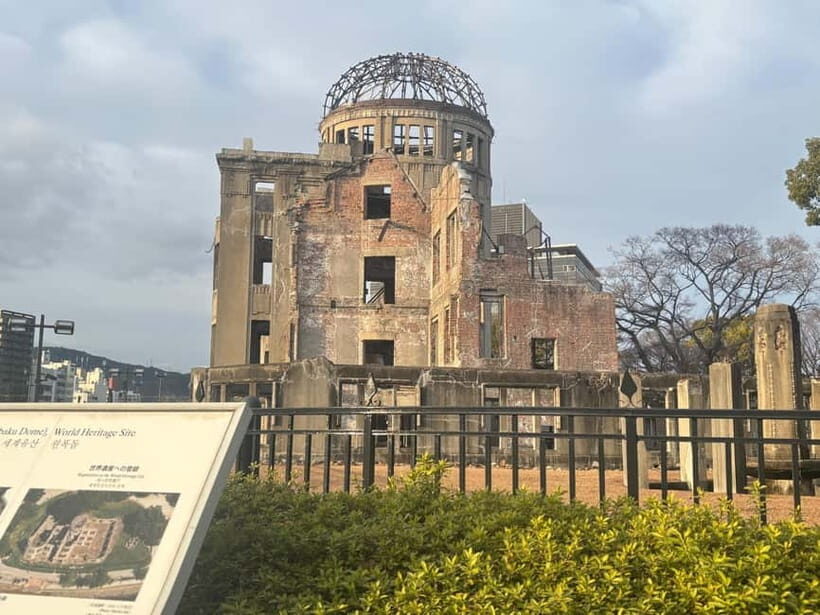
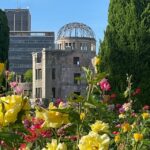
Now you hit the Atomic Bomb Dome, a UNESCO World Heritage Site and the tour’s most iconic photo subject.
The guide’s value here is not that they point out the Dome. It’s that they explain:
- why Hiroshima was chosen as a primary target
- what the Dome represents in the years since
- how the city rebuilt from the ashes into a global peace symbol
That matters because many first-time visitors get stuck on the wow-factor. The tour tries to balance the visual impact with meaning. You get a clearer sense of why this structure still stands and why it’s treated as more than an architectural relic.
Photography is allowed, but the tour’s framing encourages you to be respectful. In memorial areas, I keep my camera ready—but I don’t treat the stop like a backdrop.
Finishing at the Atomic Bomb Hypocenter Monument
The tour ends at the Hiroshima Atomic Bomb Hypocenter Monument. That finish point is smart. It brings you to the core of the story—so you understand the tour route as more than a highlight list.
Ending here helps your brain connect earlier stops. The bridge, the Dome, the remembrance points—all become part of a single geographic story rather than separate “things to see.”
If you’re the type who likes closure, this ending gives it to you.
Price and value: what $23 buys in real terms
At about $23 per person for roughly two hours, this tour can feel like a bargain compared with longer guided sightseeing in Japan. You’re paying for something you can’t easily DIY: a guided explanation that links the monuments together in a clear order, plus a live guide who can answer your questions on the spot.
Also, you’re getting access to a cluster of major sites in one run—Peace Memorial Park, the Atomic Bomb Dome, and memorials like Dr. Marcel Junod and Norman Cousins included in the tour coverage. Most people would spend more than that if they had to piece it all together with their own research time and then still try to interpret the symbolism without a guide.
One more value point: the guides for this tour operate in multiple languages, including English, Urdu, and Hindi. That means more people can get the full meaning, not just the headlines.
Pacing and question time: getting more than a walk
A big theme in what I’d aim for on any memorial tour is pacing. You want time to take it in, not to be herded like a schedule.
The tone here is gentle and respectful, and the guide often keeps things engaging while walking. People highlight that the guide style helps you process the heavy topic without rushing it, and that you can ask questions during the walk.
If you want to make the most of it, come with 1–2 questions of your own. For example:
- How do the memorials connect to the city’s rebuilding?
- What does each symbolic object try to teach?
- What should I notice when I look at the Dome from different angles?
Even with no “deep homework,” the guided flow should give you a solid foundation fast.
What to bring, and what can trip you up
This is a walking tour, and it’s designed to run in all weather. Bring:
- comfortable shoes
- hat
- sunscreen
- water
- a camera if you want photos
Also, no smoking is allowed, and no animals are included.
One more practical thing: there’s no food served. That’s not a deal-breaker, but you should plan to eat before or after. If you’re hungry after, ask your guide for a lunch recommendation. I like that guides sometimes suggest local food ideas at the end, because it keeps your day from turning into a hunt.
Who should book, and who might want a different plan
This tour is a strong match if you want:
- a structured route through the Peace Memorial area
- context for major memorial stops, including the Dome and the Hypocenter Monument
- a guide-led explanation in English, Urdu, or Hindi
It’s not suitable for people with mobility impairments or wheelchair users, since it involves significant walking on memorial grounds.
If you’re sensitive to emotionally heavy topics, the tour will still cover them. The upside is that you’ll cover them with a respectful tone and time to process at key stops like the Flame of Peace and cenotaph areas.
Should you book this Hiroshima Peace Memorial Park and Atomic Bomb Dome tour?
I’d book it if you want your time in Hiroshima to mean something beyond photos. The route makes sense, the guide format helps you understand why each stop exists, and the tour ends at the Hypocenter Monument so the story lands with clarity.
Skip it if you can’t handle steady walking or if you prefer to explore memorial areas entirely on your own without guided interpretation.
If you do book, pack water, wear good shoes, and plan to stay present at the symbol-heavy stops. This isn’t a “see everything fast” kind of experience. It’s a “see it with context” kind of experience.
FAQ
How long is the Hiroshima Peace Memorial Park and Atomic Bomb Dome tour?
The tour lasts 2 hours.
Where do I meet for the tour?
The meeting point is the Gates of Peace, front side of the Italian restaurant Mario.
Is food included on this tour?
No. No food will be served during the tour.
What language options are available for the guide?
The live tour guide offers English, Urdu, and Hindi.
Which major sites does the tour include?
You’ll visit the Atomic Bomb Dome (UNESCO World Heritage Site) and key memorial areas such as Hiroshima Peace Memorial Park, the Flame of Peace, Peace Bell, and the Hiroshima Atomic Bomb Hypocenter Monument. The tour also lists included memorial stops such as Dr. Marcel Junod Memorial and Norman Cousins Memorial.
Is the tour suitable for wheelchair users or mobility impairments?
No. It’s listed as not suitable for people with mobility impairments and wheelchair users.
What should I bring to the tour?
Bring comfortable shoes, a hat, camera, sunscreen, and water.
Can I take photos, and is smoking allowed?
Photography is allowed, but please be respectful in memorial areas. Smoking is not allowed.