REVIEW · HIROSHIMA
1-Day Miyajima Sightseeing Tour
Book on Viator →Operated by Snow Monkey Resorts Tours (Machinovate Japan Ltd.) · Bookable on Viator
Miyajima looks stunning at every turn. This 1-day plan is interesting because it pairs Itsukushima Shrine scenery with the iconic O-torii gate in both high and low tide moments. You also get a ropeway-and-hike style climb up Mt. Misen, so the day isn’t just temples and photos.
The big plus is a guide who makes the religion and history make sense as you walk—one review highlighted a guide named Simar for how clearly he explained Shinto and shrine context. The main drawback to weigh is simple: it’s a long day (about 9 hours), and lunch isn’t included, so you’ll want a plan for food breaks around the free time.
In This Review
- Key things I’d focus on
- Why this one-day Miyajima plan works from Hiroshima
- Getting going: Hiroshima meeting point and the ride rhythm
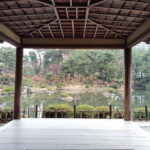
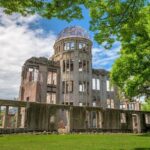
- Senjokaku Pavilion: a short stop that adds meaning
- Itsukushima Shrine and the torii at high and low tide
- Daisho-in temple: the religion stops keep paying off
- Omotesando shopping street: where lunch fits naturally
- Mt. Misen: ropeway views and the choice to hike more
- The pace, the walking, and the bits that can feel tight
- What you actually learn about Japanese religion
- Price and value: what you’re paying for
- Who should book this tour (and who might not)
- Should you book it?
- FAQ
- How long is the Miyajima sightseeing tour?
- Where do I meet the guide?
- What time does the tour start?
- What does the tour include?
- Is lunch included?
- How does the torii gate experience work for high and low tide?
- Is it a large group tour?
- What if I need to cancel?
Key things I’d focus on
- High- and low-tide torii timing so your photos aren’t stuck at just one moment
- Ropeway to Mt. Misen plus a choice to do more walking at the top
- Senjokaku Pavilion for a deeper look at Japanese religion in a short stop
- Omotesando shopping street free time for lunch and snack freedom
- Small group size (max 15) that usually makes the day feel easier to manage
Why this one-day Miyajima plan works from Hiroshima
Miyajima is a quick ferry ride away from Hiroshima, which makes it a smart use of your time. You get to experience an island that feels different from the mainland, without losing a whole day to getting there and back. The day is built around a very practical rhythm: a ferry/train connection, a sequence of religious sites, then a viewpoint push up Mt. Misen.
I also like that the tour doesn’t treat Miyajima as only a “see the famous spot” assignment. Yes, you’re going to Itsukushima Shrine and the torii gate—but you’ll also cover Senjokaku Pavilion and Daisho-in temple, which helps you understand why these places matter in Japanese life and faith.
One more detail that matters for your day: the tour uses a mobile ticket, and it runs with an English-speaking guide. That’s a comfort factor when you’re moving between ferry, train, and ropeway timing.
Other Miyajima Island tours in Hiroshima
Getting going: Hiroshima meeting point and the ride rhythm
You start at 9:00 AM at the Hiroshimaekiminamiguchichikahiroba Information Center (9-1 Matsubarachō, Minami Ward, Hiroshima). The guide meets you at the Shinkansen gates under the Tourist Information sign. That “meet clearly near a landmark” setup is a big deal when you’re jet-lagged.
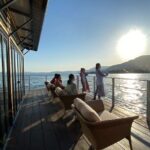
From there, the tour is built on public transport: a train connection plus a ferry to the island. In practice, this means you’re not spending the day waiting for a bus or worrying about parking. It also means you can look out at the route and treat the ride as part of the outing.
It’s also a mobile-ticket tour, which usually makes check-in smoother on busy days. Just keep your phone charged, because you’ll want it for the day’s confirmations and tickets.
Senjokaku Pavilion: a short stop that adds meaning
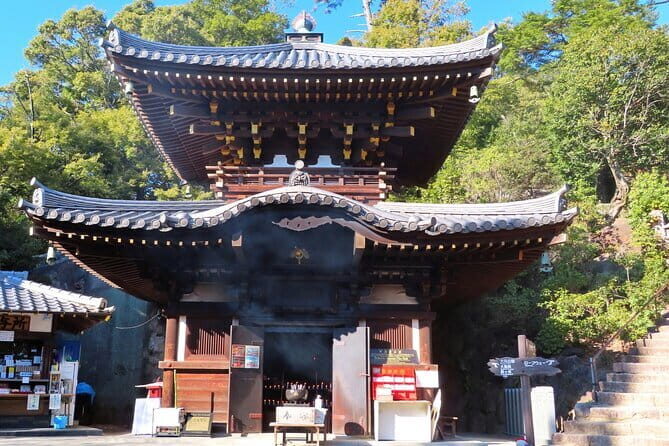
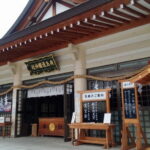
The tour begins with Senjokaku Pavilion and includes admission, with about 2 hours set aside at the first major site. Even if you’re not a religion-history nerd, this stop helps connect the dots.
Why I think Senjokaku is worth it: the tour doesn’t just say “look at temples.” It’s framing Miyajima as a place where Japanese faith is visible in everyday space. That can change how you experience the rest of the island. When you understand what you’re seeing, you don’t just collect images—you actually remember the feeling of the place.
A practical tip: the first site can be the easiest one to rush if you’re hungry or impatient. If you’re the type who likes calm early-morning photos, this is where you can get them before the day thickens.
Itsukushima Shrine and the torii at high and low tide
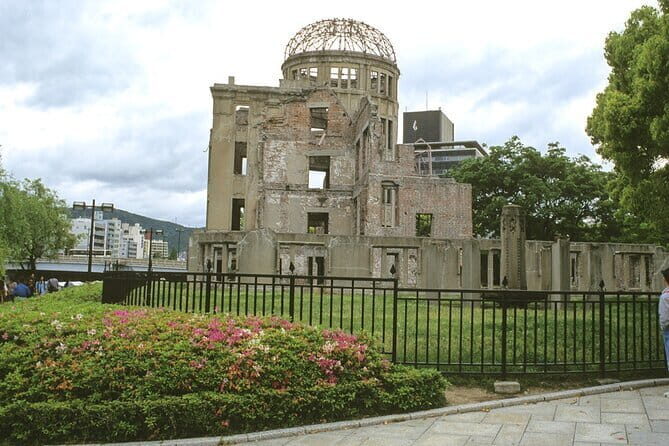
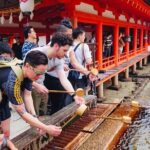
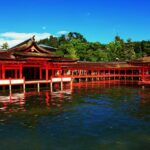
This is the headline part of the day for a reason. Itsukushima Shrine is paired with guided context about Shintoism and the shrine’s history, which turns the site from scenery into something you can interpret while you’re there.
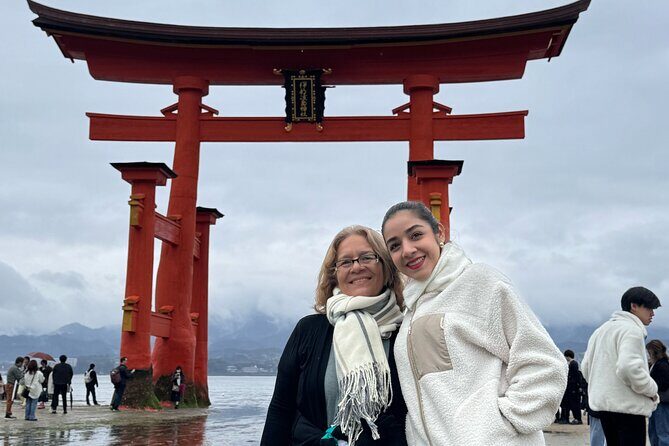
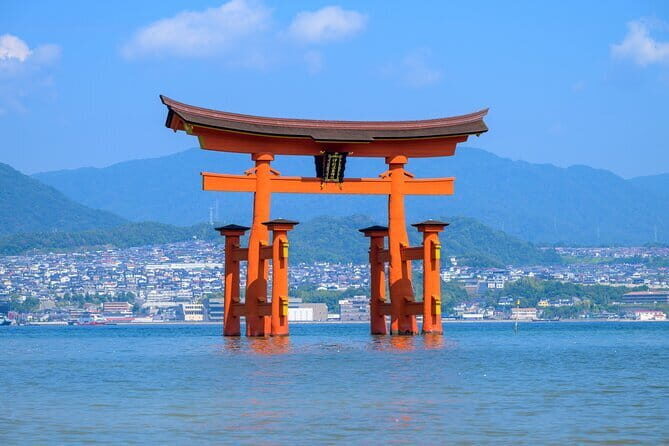
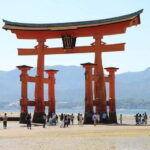
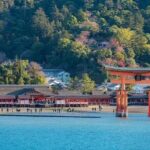
Then comes the special feature: the tour is set up so you can admire the O-torii gate during both high and low tide. That matters more than it sounds. At high tide, the torii looks like it’s floating above the water. At low tide, the water recedes and you can get a view that feels more immediate and close-up. Same icon, different mood, different photo story.
A caution to plan for: tide-linked sightseeing is always time-sensitive. You’ll want to stay with the group and trust the guide’s timing. If you wander off to chase photos, you can lose the moment the tour is built around.
This stop is also where small-group size helps. With a max of 15 people, you’re less likely to get stuck behind a wall of bodies while you try to look, listen, and walk at your own pace.
Daisho-in temple: the religion stops keep paying off
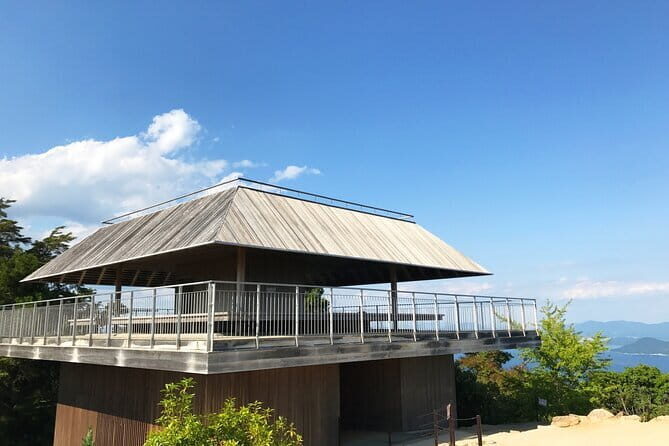
The tour overview includes Daisho-in temple as part of the religious circuit, and the guide’s role is to help you connect what you’re seeing across sites. That’s one of the advantages of having an English-speaking guide: the day doesn’t become a series of separate “points on a map.”
I like the way this kind of route encourages you to look at Miyajima as a whole system of beliefs, not just one landmark. If you’re the kind of person who tends to feel overwhelmed by too many shrines in one day, the guide’s explanations can act like a filter. You start noticing patterns instead of just collecting sights.
Also, because admission fees at tour locations are included, you’re less likely to hit a surprise “now we pay again” moment while you’re trying to stay on schedule.
A few more Hiroshima tours and experiences worth a look
Omotesando shopping street: where lunch fits naturally
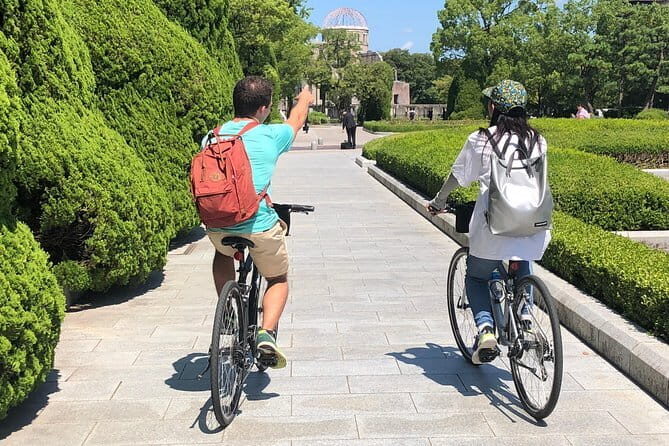
After the shrine area, the tour moves toward Omotesando Shopping Street, with a couple of hours of free time (about 2 hours mentioned). This is the part of the day where you can slow down and choose your own food.
Lunch not being included isn’t a deal-breaker, but it does affect how you should prepare. With free time, you can find something you actually want instead of settling for whatever’s easiest. You’ll also be able to snack on the go, which is helpful when you know you’ll be walking more later.
A practical way to use this free time: eat earlier in your window rather than later. Mt. Misen is the big “legs will work” portion of the day, and being too full or too hungry right when the climb starts can make the summit portion feel harder than it needs to be.
Mt. Misen: ropeway views and the choice to hike more
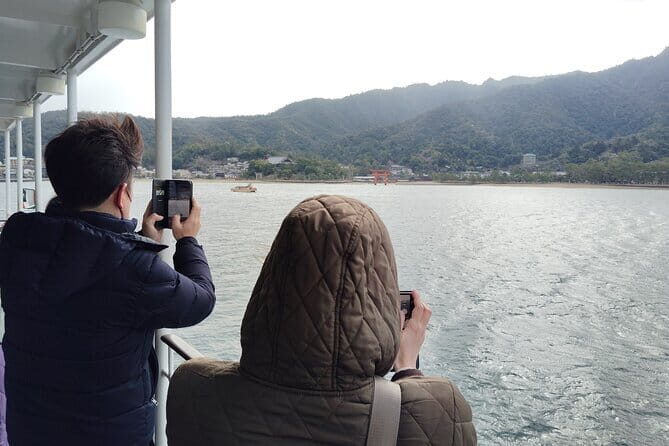
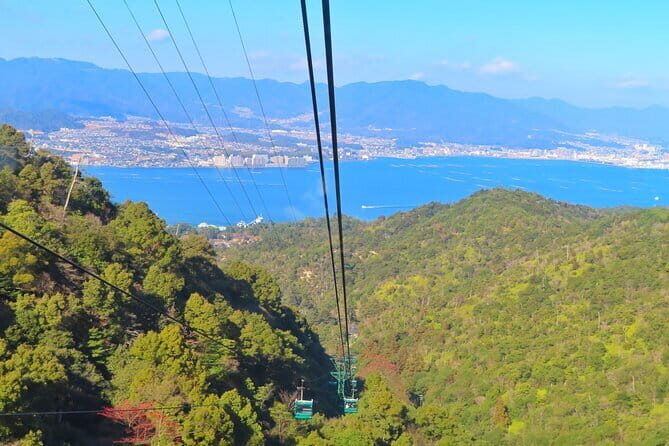
The tour includes Miyajima Ropeway to reach the top area, and then you’ll have time around Mt. Misen. You get around 3 hours here, and the itinerary builds in a choice: you can stay behind at Shishiiwa Observatory next to the ropeway station, or take the trek to the Mt. Misen Observatory at the summit while the guide accompanies you.
That choice is smart for two types of travelers. If you want the view but don’t want a full hike day, the Shishiiwa option keeps you comfortable. If you want the payoff of a more involved walk, the summit trek gives you more time outside and more “you made it” energy.
Also, ropeway rides tend to be a confidence booster when weather is mixed. Even if your plans are a little cautious, you’re still guaranteed a viewpoint experience. The key is to wear shoes you’ll actually walk in, not just “stand in.”
The pace, the walking, and the bits that can feel tight
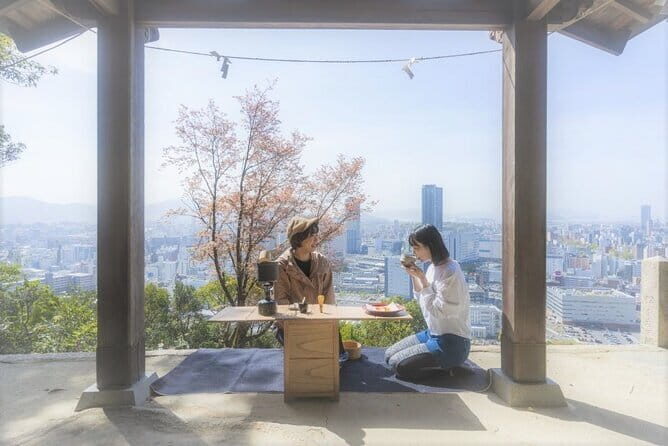
This is a full-day tour, about 9 hours in total. The day has multiple 2-hour blocks plus the Mt. Misen section, so the schedule moves along. That doesn’t mean it feels like a sprint the whole time, but it does mean you shouldn’t plan a long detour.
One review-style theme that stands out is that the itinerary is good, yet there can be small issues that could use improvement. In a day this structured—ferry, trains, ropeway, and tide timing—tiny changes can happen. Your best defense is to stay flexible. If you keep your expectations realistic, the day still lands well.
And again, lunch is on you. If you’re the kind of traveler who needs a planned meal, consider picking a lunch strategy before you start the tour—either eat early in the shopping street window or bring something simple if you know you get snacky.
What you actually learn about Japanese religion
The tour overview is clear that you’ll gain a better understanding of Japanese religion by visiting Senjokaku Pavilion, Itsukushima Shrine, and Daisho-in temple, with the guide providing insights along the way. The practical value is this: you stop treating the day like a photo scavenger hunt.
For example, the guide’s Shinto explanations at Itsukushima help you understand why the shrine and torii matter in a way that goes beyond aesthetics. And the early stop at Senjokaku sets the tone. When the day is organized this way, you feel like you’re seeing a living tradition rather than isolated monuments.
If you’re curious but not sure how to ask questions, English-guided time is your shortcut. You can just listen and let the guide connect the dots.
Price and value: what you’re paying for
At $175.27 per person, this tour isn’t the cheapest way to do Miyajima. But it does include several cost-drivers that add up fast if you book on your own: entry fees at tour locations, ropeway tickets, and transportation to and from Miyajima (ferry and train), plus an English-speaking guide.
So the value question is really about trade-offs. You’re paying for fewer moving parts and a guided route timed for the high/low tide torii concept. If you’d rather spend energy figuring out transfers, timing, and tickets, the package price can feel fair.
One other value signal: the tour is commonly booked about 80 days in advance on average, which suggests it’s a popular way to get Miyajima in a single day without headaches.
Who should book this tour (and who might not)
I’d especially recommend this if you want:
- A structured day with an English guide and included admissions
- A strong “big moments” plan, including the torii at both tide conditions
- A ropeway experience to Mt. Misen with a guided option to hike more or stop at Shishiiwa
You might think twice if:
- You dislike long days and lots of walking in one go
- You strongly prefer self-guided wandering without timing concerns
- You’re expecting lunch to be included or fully handled
Should you book it?
Yes—if your main goal is to see Miyajima without turning it into a logistics puzzle. The biggest selling point is the day design: Itsukushima Shrine plus the torii at both high and low tide, then Mt. Misen with a ropeway and a built-in choice for how much walking you want.
If you’re the kind of traveler who benefits from context—Shinto explanations, guided connections between sites—this tour is likely to feel worth the money. And with a small group size (max 15), you should be able to move at a human pace instead of getting swept along.
FAQ
How long is the Miyajima sightseeing tour?
The tour runs for about 9 hours.
Where do I meet the guide?
You meet at the Hiroshimaekiminamiguchichikahiroba Information Center, located at 9-1 Matsubarachō, Minami Ward, Hiroshima.
What time does the tour start?
The start time is 9:00 AM.
What does the tour include?
It includes an English-speaking guide, entry fees at all tour locations, ropeway tickets, and transportation to/from Miyajima (ferry and train).
Is lunch included?
No, lunch is not included.
How does the torii gate experience work for high and low tide?
The tour is designed so you can admire the O-torii gate during both high and low tide.
Is it a large group tour?
No. The maximum group size is 15 travelers.
What if I need to cancel?
You can cancel up to 24 hours in advance for a full refund.