REVIEW · HIROSHIMA
Hiroshima Local Life Walking Tour (Private)
Book on Viator →Operated by Sachi · Bookable on Viator
Atomic history, on foot, in everyday neighborhoods. This private Hiroshima Local Life Walking Tour mixes calm samurai-era feel streets and local shopping energy with major peace sites, so you get context beyond a photo stop. I especially like Ebisu Shrine as a lived-in community stop, and I really value the Memorial Cathedral for World Peace visit, including the idea of helping preserve it for the future.
The other big win for me is how the guide brings the city to life with small culture moments along the way, like tea-shop time and a stamp maker (hanko) stop. One consideration: it is about 2 hours of walking, and lunch is not included, so plan on eating on your own if you want a meal at Okonomimura.
In This Review
- Key highlights before you go
- Why this Hiroshima walk feels more like local life than sightseeing
- Meeting at Starbucks on Hondori: a smart start point
- Hondori Shopping Arcade and Hiroshima Kinzagai Shop Street
- Ebisu Shrine: prosperity culture that still feels normal
- Memorial Cathedral for World Peace and the Noboricho church area
- Fukuya, Hatchobori Honten: seeing atomic-bomb traces up close
- Okonomimura: where you learn okonomiyaki and see how it works
- The local-life details that make the tour worth it
- Price and value: what $65.15 buys in real terms
- Timing, walking pace, and weather reality
- Who should book this Hiroshima Local Life Walking Tour
- FAQ
- How long is the Hiroshima Local Life Walking Tour (Private)?
- What is the price per person?
- Is this a private tour?
- Where do I meet the guide?
- Where does the tour end?
- Is lunch included?
- Are the stops free to enter?
- Do I get a mobile ticket?
- What if the weather is bad?
- Can I cancel for a refund?
- Should you book this tour?
Key highlights before you go
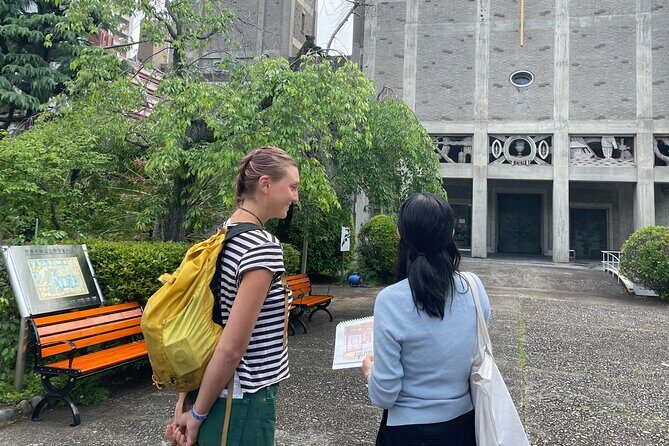
- Private and small-group feel: only your group joins, so questions actually get answered.
- Peace sites with rebuilding context: you visit landmarks tied to atomic-bomb memory, not just distant viewpoints.
- Local culture stops: tea shop time and a stamp maker (hanko) add real texture to the day.
- Okonomiyaki culture at Okonomimura: learn what it is and tour inside the building.
- Started at Hondori, Hiroshima’s main arcade: you get orientation fast and then peel off into quieter streets.
Why this Hiroshima walk feels more like local life than sightseeing
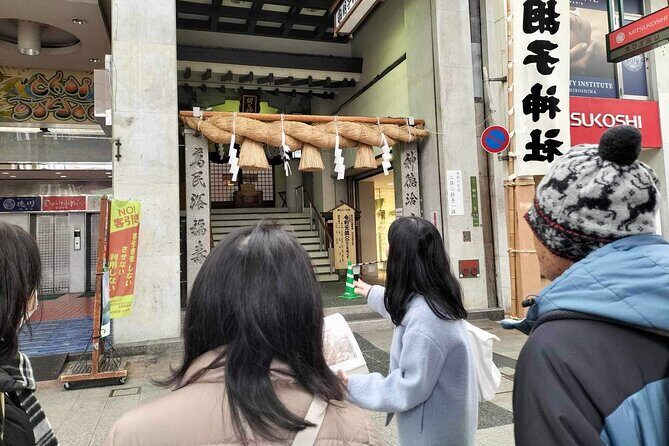
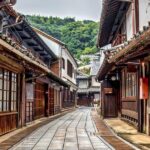
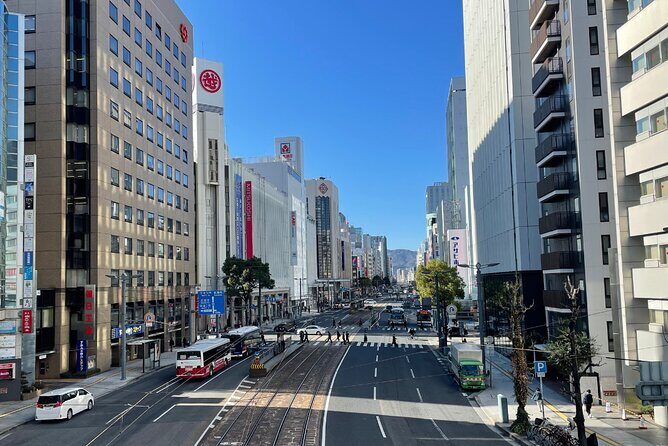
Hiroshima can be intense. This tour helps you handle that intensity with pacing and perspective. You’re not just checking boxes. You’re moving through the city as locals might: down a major arcade, then into quieter neighborhood lanes where the buildings feel older than your typical tourist route.
I like that the tour pairs two sides of Hiroshima. First is the everyday pulse: shopping streets, shrine culture, tea, and the craft of making stamps. Second is the solemn side: peace landmarks tied directly to the atomic bombing and the rebuilding story. The switch between those themes is handled in a way that feels human, not staged.
Other Hiroshima walking tours in Hiroshima
Meeting at Starbucks on Hondori: a smart start point
You meet at Starbucks Coffee on Hondori (Hondori Shopping Arcade area). It’s a convenient meetup if you’re already using Hiroshima’s core streets to navigate. Starting there also makes sense: Hondori is described as one of the city’s most prosperous shopping streets, so you get a quick sense of Hiroshima’s modern center before you drift into quieter places.
From the start, the guide (Sachi) sets the tone with a short lecture about Hiroshima Prefecture, then adds local history tied to the streets you’re walking. That gives you something practical: you’ll understand why the neighborhoods look the way they do and how the city’s layout shaped daily life.
Hondori Shopping Arcade and Hiroshima Kinzagai Shop Street
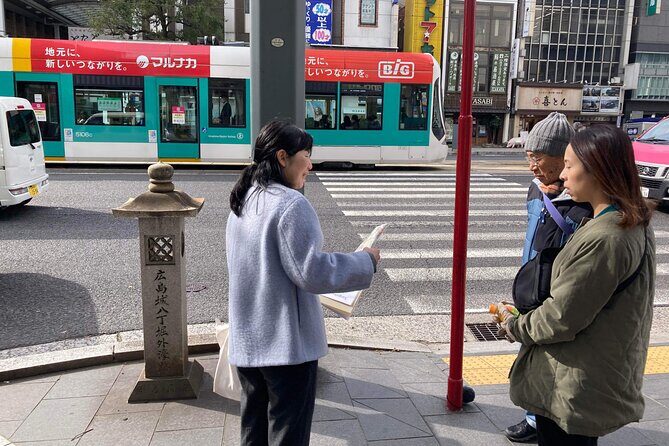
Your first stop is the Hiroshima Kinzagai Shop Street area, with a first taste of Hondori’s story. The tour includes a brief overview of what Hiroshima Prefecture is like, then a history of the Hondori Shopping Arcade itself.
Why I think this matters: orientation is half the battle in a city you only see for a couple days. Hondori isn’t just a line of shops. It’s a way to read Hiroshima’s rhythm—where people gather, how commerce anchors neighborhoods, and how the city moves from central streets into smaller side lanes.
Time-wise, this portion is about 20 minutes. It’s enough to get your bearings without making it feel like a lecture marathon.
Ebisu Shrine: prosperity culture that still feels normal
Next you visit Ebisu Shrine. The shrine is described as being cherished by the local community for about 400 years, and it’s associated with Ebisu as a deity of prosperity in business. It’s the kind of stop that works even if you’re not a die-hard temple person.
The main value here is attitude. This isn’t presented as a rare landmark you sprint through. You get a chance to slow down and notice how religious sites operate as part of everyday community identity—especially in a place known for its modern history.
This stop is about 20 minutes and admission is free, so you’re not paying extra to access what is essentially a community landmark.
Memorial Cathedral for World Peace and the Noboricho church area
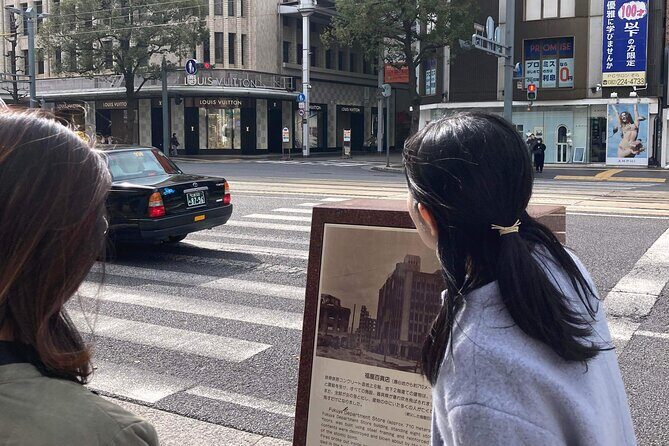
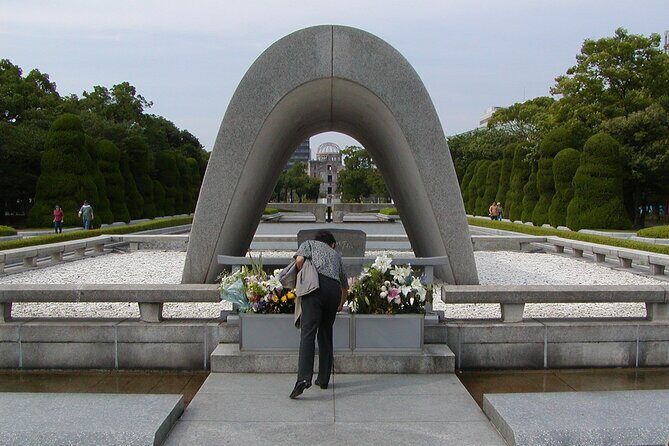
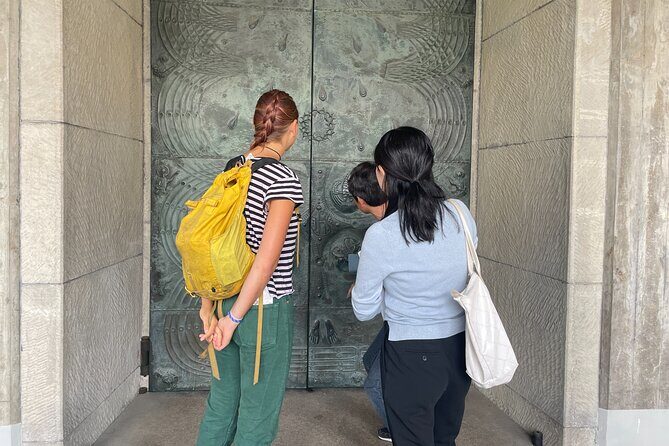
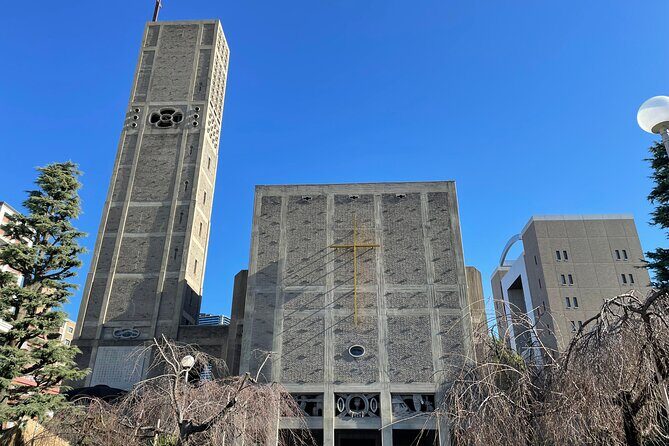
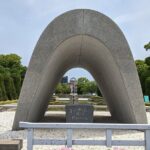
One of the strongest parts of this tour is the stop around the Memorial Cathedral for World Peace and the Catholic Noboricho Church area. The cathedral was built to commemorate the victims of the atomic bombing and to pray for world peace, and it’s noted as the first post-war building designated as an Important Cultural Property.
This is not a casual sightseeing moment. It’s the tour’s emotional center. The guide frames what you’re seeing in a way that connects memory to rebuilding—why the buildings were kept, why new meaning settled into old streets, and how faith and public remembrance overlap.
A portion of the tour proceeds is donated toward the preservation of the Memorial Cathedral for World Peace. That changes the feeling of the visit. You’re not only learning; you’re also contributing to keeping the landmark alive.
This stop runs about 30 minutes, which is a decent length for standing quietly, reading what you can, and letting the experience land without rushing.
Other walking tours we've reviewed in Hiroshima
Fukuya, Hatchobori Honten: seeing atomic-bomb traces up close
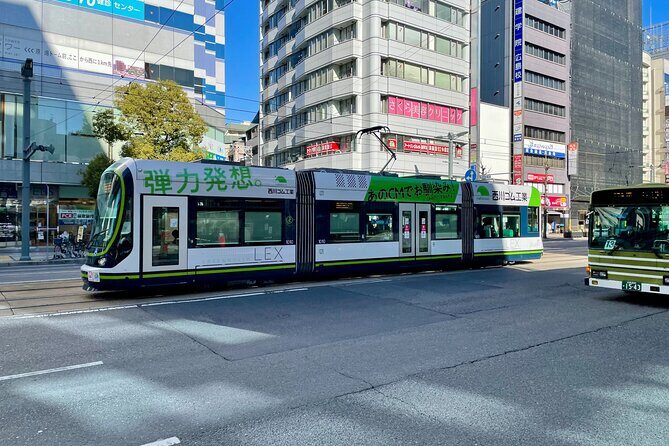
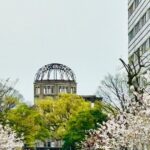
After the cathedral area, you visit Fukuya, Hatchobori Honten. The building is preserved and continued in use, and it’s described as a testament to the traces of the atomic bombing.
This stop hits differently than a museum wall. Instead of being fully recreated behind glass, you’re seeing a real building that carries history in its physical presence. The tour gives you a guided way to look at it, so you’re not just guessing what you’re supposed to notice.
It lasts about 20 minutes and is free to enter. Short, but meaningful.
Okonomimura: where you learn okonomiyaki and see how it works
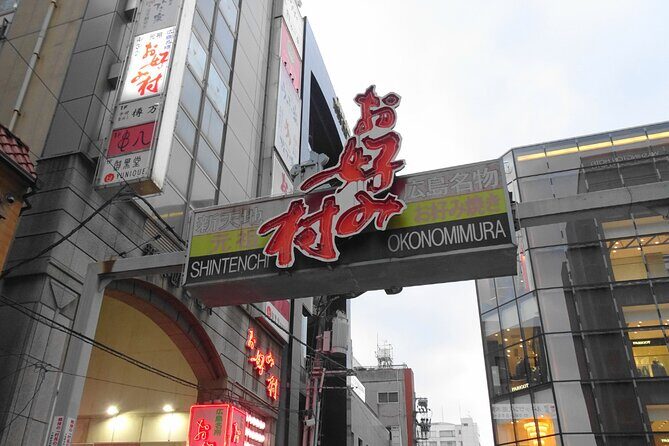
Then comes the fun, and it’s not just about eating. You go to Okonomimura, a building full of okonomiyaki stalls and places to try the Hiroshima specialty.
The guide introduces what okonomiyaki is and gives a bit of its history, and you can tour inside the building. Admission is listed as free for this stop, but the restaurants are there for you to order food if you want.
Practical tip: if you have strong preferences (or you want to avoid deciding in the moment), consider whether you want a full meal or just a bite here. Lunch is not included on the tour, so plan your timing accordingly.
This stop is about 30 minutes, which usually gives enough time to understand the setting and decide whether you want to eat.
The local-life details that make the tour worth it
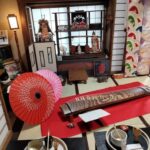
Beyond the big landmarks, the tour is designed around smaller, everyday culture moments. The overview specifically mentions traditional tea shops and a stamp maker (hanko). In the experience notes from past participants, these types of stops are also what people remember most.
I like this approach because it turns Hiroshima from a single theme city into a real place again. Tea culture is slow and human. Hanko culture is practical—design, repetition, and identity. When you connect those with the city’s peace story, the contrast makes more sense. Hiroshima isn’t just a memorial site. It’s a living city where people still do everyday things.
One extra detail I found especially interesting: the guide works with a colleague who is described as a former chemistry teacher. That suggests the explanations don’t stay surface-level. You might hear sharper answers when you ask about how things work, including how people interpret what’s preserved and why it matters.
Price and value: what $65.15 buys in real terms
The price is $65.15 per person for a private 2-hour walk, with the guide fee included and a mobile ticket. That price might feel high if you think of walking tours as only content. But private tours are really about access—time, pacing, and the chance to ask questions without a crowd swallowing your conversation.
The itinerary includes multiple free-entry stops, so you’re not paying entrance fees at each location. And because lunch and private transportation are not included, you’re mainly paying for interpretation and guidance: how to see what you’re looking at.
If you’re traveling with a partner, family, or a small group, private value usually rises fast. If you’re solo, it can still be worth it if you want a tailored route and a guide who can adjust to what you find moving.
Timing, walking pace, and weather reality
This tour runs about 2 hours and ends back at the meeting point. It starts at 10:00 am, which is often a good slot for a Hiroshima day: you’re out early enough to avoid feeling rushed, but not so early that you’re dragging yourself through the city.
One more reality check: the tour requires good weather. That’s not unusual for walking tours, but it’s important in Hiroshima, where you may run into rain or heat depending on the season. If weather forces a change, you’ll be offered another date or a full refund.
Who should book this Hiroshima Local Life Walking Tour
This is a strong fit if you want:
- a private experience that moves at a human pace
- peace sites paired with day-to-day culture (tea, shops, craft)
- a guide-led route that takes you into neighborhoods you might not find on your own
- a food-culture stop at Okonomimura without turning the day into a restaurant hunt
You might skip it if:
- you want a long, seated itinerary with minimal walking
- you expect lunch to be included automatically
- you prefer only museums or only major monuments, with no shrine and neighborhood stops
FAQ
How long is the Hiroshima Local Life Walking Tour (Private)?
The tour lasts about 2 hours.
What is the price per person?
It costs $65.15 per person.
Is this a private tour?
Yes. It is private, so only your group participates.
Where do I meet the guide?
You meet at Starbucks Coffee – Hiroshima Hondori, 9-1 Hondōri, Naka Ward, Hiroshima, 730-0035, Japan.
Where does the tour end?
It ends back at the meeting point.
Is lunch included?
No, lunch is not included.
Are the stops free to enter?
The listed stops are shown as admission ticket free.
Do I get a mobile ticket?
Yes. The tour uses a mobile ticket.
What if the weather is bad?
The experience requires good weather. If it’s canceled due to poor weather, you’ll be offered a different date or a full refund.
Can I cancel for a refund?
Yes, free cancellation is available. You can cancel up to 24 hours in advance for a full refund.
Should you book this tour?
If you want Hiroshima in two layers—local life plus peace-and-rebuilding context—this is a great choice. The itinerary mixes community sites like Ebisu Shrine, major remembrance locations like the Memorial Cathedral for World Peace, and a practical cultural stop at Okonomimura. Add in the guide-led pacing and the small culture moments like tea and hanko, and you’ll likely feel like you understood the city rather than just visited it.
Book it if your ideal Hiroshima day includes walking, conversation, and meaning. If you want an easy day with food included and fewer emotional stops, you may want to look for something more straightforward.