Hiroshima hits hardest when it feels personal. This private, local-led walking day mixes serious sites with calm gardens and everyday downtown life, built around the time you choose. You get to set the tone, so the day doesn’t feel like a conveyor belt.
I especially like the personalized itinerary—you share what you care about, and your host shapes the route. I also like the pace control: you can choose a short 2-hour loop or stretch it out toward 6 hours, then move at a human speed.
The main thing to consider is that it’s a walking-focused experience with some public transit possible. If you’re limited on walking, it may be rough, and you’ll want to plan for extra transit time.
In This Review
- Key highlights you’ll feel right away
- How a local guide makes Hiroshima less like a checklist
- Choosing your time: 2 to 6 hours, and what that really changes
- Meeting point and the walk-it-out rhythm
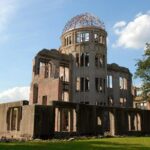
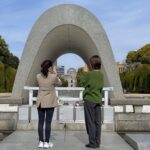
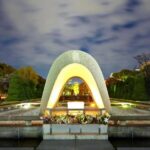
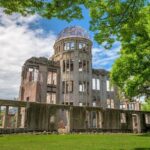
- Serious Hiroshima: Peace Memorial Park and the Atomic Bomb Dome area
- Hiroshima’s everyday side: shopping arcades and independent streets
- A 17th-century garden break: koi ponds, bridges, and teahouses
- Hillside temple complex: mossy stone details and wooden halls
- Postwar renewal on a wide tree-lined avenue
- Izakaya streets and local food moments
- Transit reality: walking first, then public transport if needed
- Value for your money: what $69.57 gets you
- Who should book this (and who should think twice)
- Should you book the Hiroshima private tour?
- FAQ
- How long is the Hiroshima private tour?
- Is this tour private or shared with other groups?
- Do you get picked up from your accommodation?
- What’s included in the price?
- Will we use public transportation?
- How does the itinerary get personalized?
- Where does the tour start and end?
- Is the tour suitable for everyone?
- What’s the cancellation policy?
Key highlights you’ll feel right away
- Local-first planning through an online questionnaire, then direct messages to match the day to you
- Serious Hiroshima sites handled with sensitivity, plus guide stories that add meaning
- Downtown textures in pedestrian shopping streets, snacks, and small local shops
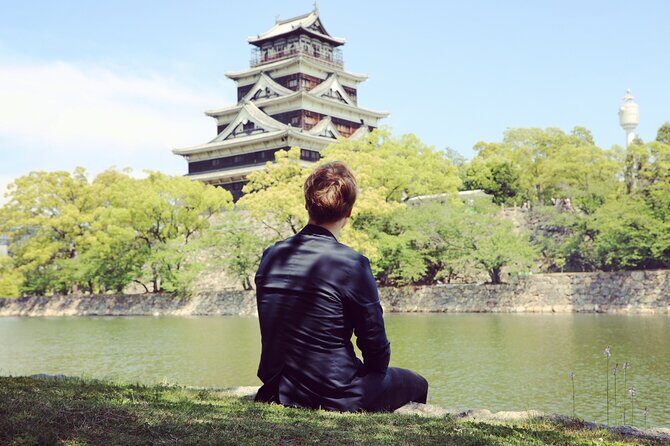
- Quiet contrast in a 17th-century landscaped garden with koi ponds, bridges, and teahouses
- Flexible length from about 2 to 6 hours, so you can build around your trip
How a local guide makes Hiroshima less like a checklist
Hiroshima is one of those places where “seeing the sights” isn’t enough. What moves you is context—why each place matters, and what daily life around it looks like. This tour’s best feature is simple: your guide calls the shots on the order and emphasis based on your interests.
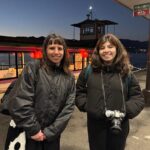
In practice, that can mean a day heavy on remembrance sites or a day that balances history with lighter moments like shopping arcades and evening izakaya streets. Guides like Ami and Ken (names shared in the feedback) are praised for pairing facts with personal guidance. You’re not just handed a script—you get a sense of how Hiroshima residents think about the past and live with it now.
Other private guided tours in Hiroshima
Choosing your time: 2 to 6 hours, and what that really changes
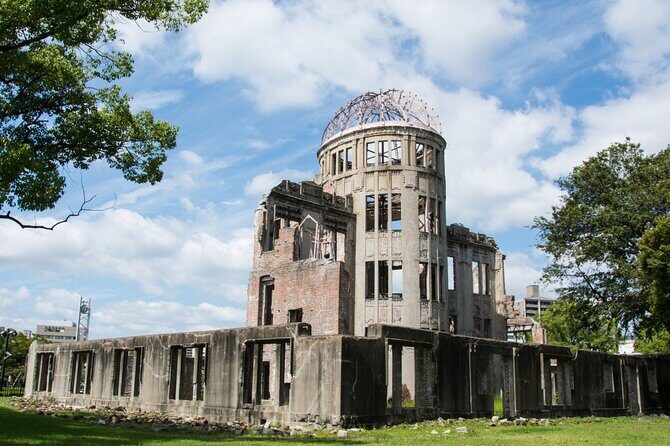
Because the tour length is flexible, you can build a day that fits your energy. A tight 2-hour plan works best if you want big anchors fast: the Peace Memorial area and major landmark views, without lingering too long. A longer 4- to 6-hour plan is where the tour gets interesting, since there’s room to add calmer stops like gardens and temple grounds.
Also, don’t underestimate how fast time gets eaten by transit. This is primarily a walking experience, but your host may use public transport between sites or taxis in some cases. If you pick a start time early in the day, you’ll usually get a smoother flow. If you prefer evenings, you can lean into the food and nightlife zones.
Meeting point and the walk-it-out rhythm
The tour starts at SOUVENIR SELECT HitotoKi Orizuru Tower, 1F, at 1-chōme-2-1 Ōtemachi in Naka Ward, and it ends back at the same meeting point.
That “back to start” format matters. You won’t be dropped miles away at the end, and it’s easier to plan your next stop—especially if you’re staying in the central area. A couple of guides went the extra mile in feedback, including walking people back to a station and helping them figure out the right train back toward Osaka.
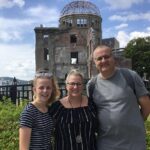
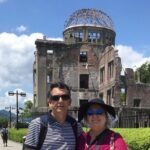
Serious Hiroshima: Peace Memorial Park and the Atomic Bomb Dome area
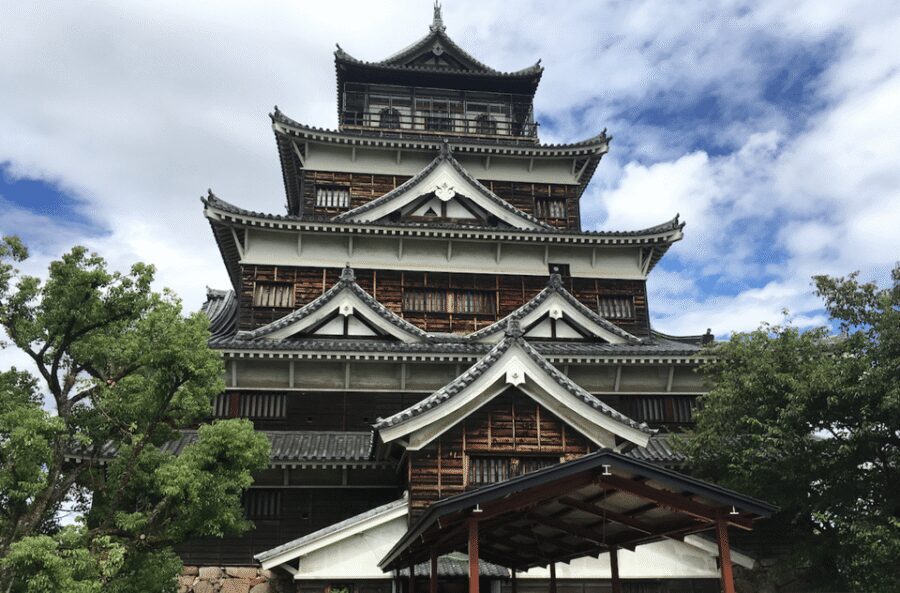
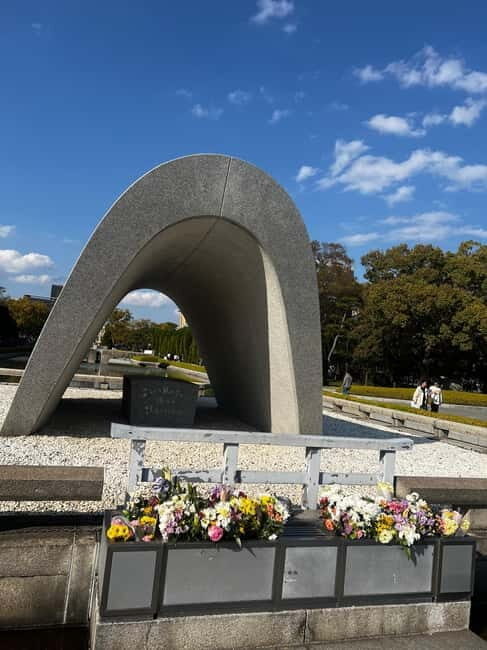
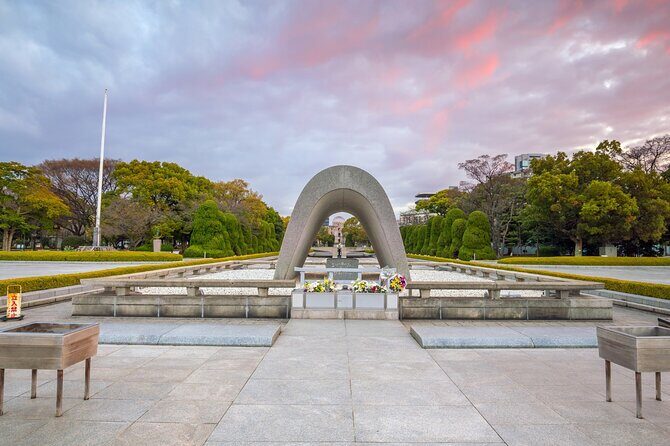
If your trip is built around meaning, this is the heart of the day. You can expect guidance that connects the memorial spaces with what happened and why the city chose remembrance in such a visible way.
In the feedback, Ami guided groups through Peace Memorial Park and the Peace Memorial Museum, and even added hands-on cultural touches like teaching crane origami. That kind of small activity can help the information land without turning the day into a lecture.
Ken’s tours were also praised for a calm, respectful flow and personal stories, not just site photos. The value for you is emotional pacing. These places can feel heavy fast—good guiding helps you move at a rate where you can actually process what you’re seeing.
Practical note: the Peace Memorial area can be emotionally intense. If you’re sensitive to heavy topics, tell your host early so they can adjust timing—perhaps adding a quiet garden stop sooner rather than later.
Hiroshima’s everyday side: shopping arcades and independent streets
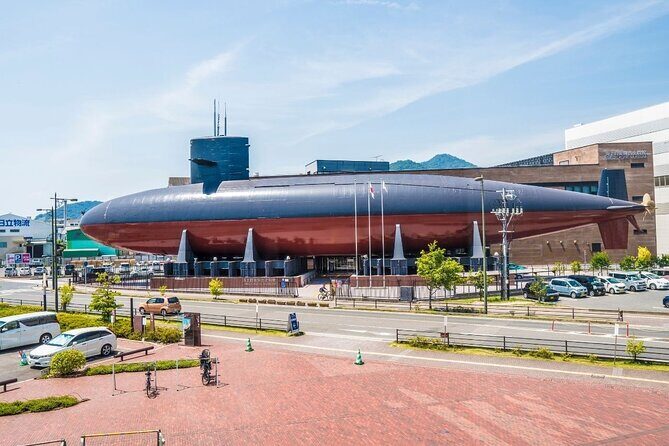
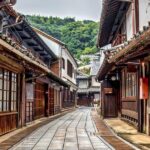
Not every minute in Hiroshima needs to be solemn. One of the most satisfying contrasts on this tour is time spent in a lively pedestrian arcade lined with local shops, snack stalls, and independent boutiques.
This is where you get the city’s rhythm, not just its history. Your guide points out small details that you’d miss on your own, like which snacks locals grab quickly, and which streets feel like real daily life instead of tourist-only paths.
In a place like Hiroshima, this matters because it prevents the trip from becoming one-note. You’ll come away with a stronger sense of how Hiroshima residents spend their afternoons and nights—especially when your guide connects the food stops to what’s been around for generations.
Other Hiroshima highlights tours in Hiroshima

A 17th-century garden break: koi ponds, bridges, and teahouses
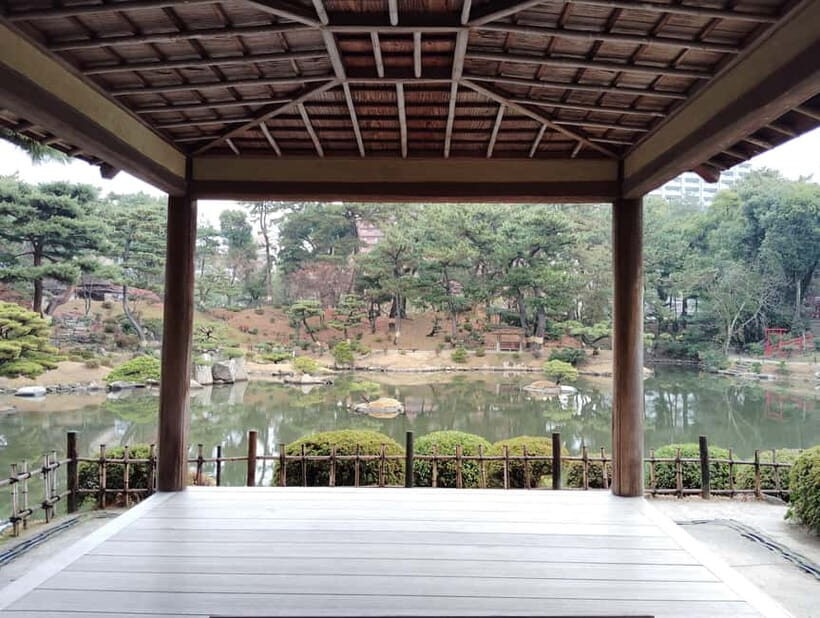
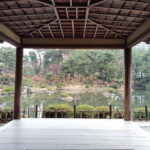
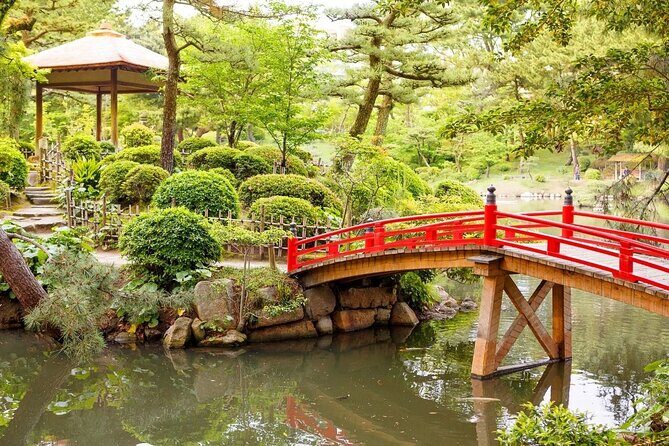
One of the best “reset” moments is the stop at a landscaped garden originally created in the 17th century. You’ll move through a calmer setting surrounded by koi ponds, arched bridges, and teahouses, while your host shares history and what the garden represents in Hiroshima life.
Why this works: gardens offer breathing room. After memorial spaces or long walks in busy areas, you get a different kind of attention—quiet, slower, and designed for observation. Even if you’re not a garden person, the structure of koi ponds and bridges makes it easier to slow down without forcing you to do anything special.
Tip: bring a phone camera if you like photos, but also give yourself a few minutes to look without shooting. Gardens are made for watching the angles shift.
Hillside temple complex: mossy stone details and wooden halls
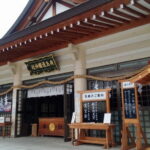
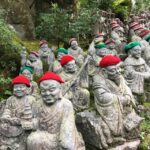
Another thoughtful contrast is the hillside temple complex reachable via forested trails. Expect moss-covered stone lanterns and wooden halls, with a guide explaining centuries of spiritual tradition.
This section of the tour can feel more “found” than “scheduled,” especially because the trail takes you away from the city hum. For you, the value is perspective: Hiroshima wasn’t only about war and recovery. It’s also a place with long-standing religious practice and local ways of seeking calm.
Consider this stop if you want something that feels grounded and visual, not only historical. It’s the kind of place where you’ll notice small textures—stone, wood, moss—and your guide can connect those details to the broader story.
Postwar renewal on a wide tree-lined avenue
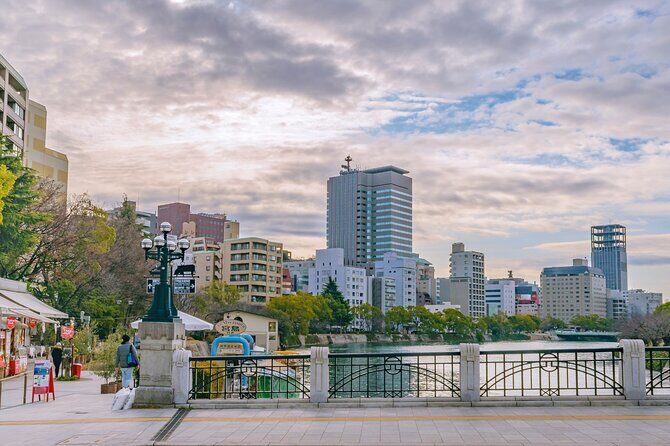
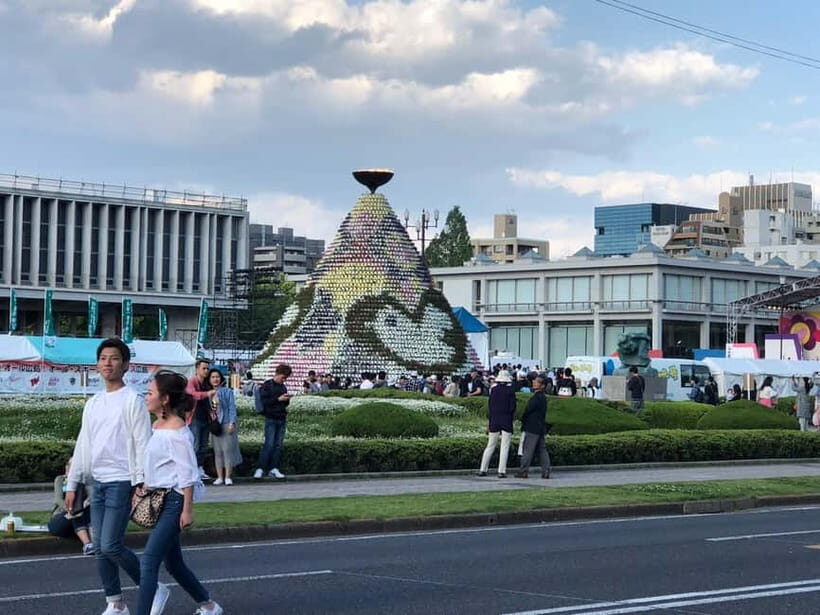
After the quieter stops, you’ll return to a city-space symbolized by a wide, tree-lined avenue constructed after World War II. Your host explains how it represents hope and renewal and points out nearby landmarks connected to that meaning.
This is a good moment to take a breath and look outward. Instead of focusing only on what was destroyed, you see how the city reorganized itself and created everyday walking space for residents. For many visitors, this shift is what turns the day from sad to complicated—in the way real places are complicated.
If you’re the type who likes “why this road exists” questions, this will land well. Ask your guide what they think people should notice from the street level.
Izakaya streets and local food moments
As the tour moves into more social districts, you’ll likely spend time in lively areas known for izakayas, sake bars, and street food stalls. Your guide can share where locals like to eat and what’s worth trying.
This is not just about getting fed. It’s about understanding Hiroshima’s social side—how people unwind after work, how neighborhoods feel at night, and what kinds of flavors show up when the goal is comfort rather than sightseeing.
In the feedback, guides also offered lunch recommendations suited to food lovers, including Ami doing local lunch suggestions for after the tour. The practical win for you: your host can point you to something realistic, not a generic “tourist recommendation.”
If you have dietary needs, tell your guide early in the message chain so they can plan food stops around it. Since food isn’t included, this is your chance to steer toward the meal style you want.
Transit reality: walking first, then public transport if needed
This tour is designed as walking-first. Still, you should expect some transit between locations—your host may use public transport, and taxis may come up as well.
One review response flagged a key prep item: have an IC card and cash available for possible transportation costs related to your guide’s movement. Even if the exact plan shifts, that’s a smart, low-stress way to avoid getting stuck.
Also, transportation costs aren’t included in the price. Your host can discuss what’s needed after your reservation is finalized, so you’ll know what to expect rather than guessing.
Value for your money: what $69.57 gets you
At about $69.57 per person, you’re paying for three things that matter in a city like Hiroshima: privacy, personalization, and local context.
A big group tour can show you the main anchors, but it’s harder to adjust to your interests or emotional pace. Here, you get a route shaped by your questionnaire and ongoing messages, plus a host who can recommend where to eat and what details to watch for as you move.
The flexible length (2 to 6 hours) also helps value. If you only have a short window, you can choose a shorter duration and not pay for more time than you can use. If you want depth, you can extend the day.
Who should book this (and who should think twice)
Book this tour if you want:
- A private, local-guided day with real conversation and tailored stops
- A balance of memorial sites and calmer, nature-and-temple moments
- Food guidance that points to places you’ll actually enjoy
Consider a different plan if:
- You’re dealing with limited mobility or long-walk issues. The tour is primarily walking, and one review specifically warned it isn’t ideal for walking-impaired guests.
- You want everything fully ticketed and all food included. Tickets and meals aren’t included, so you’ll be making those decisions yourself with your guide’s help.
Should you book the Hiroshima private tour?
Yes, if you value personal pacing and want a guide who can connect Hiroshima’s history to everyday life. The biggest reason I’d book it is the way it lets you shape the day: shorter if you’re busy, longer if you want context, and flexible enough to mix memorial seriousness with quieter stops and local dining.
If you’re planning around strict mobility limits, talk with your guide before locking in expectations. Otherwise, bring a little curiosity, some cash for transit possibilities, and expect a day that feels like Hiroshima—not just a checklist of famous spots.
FAQ
How long is the Hiroshima private tour?
It runs about 2 to 6 hours, and you can pick the duration when you book.
Is this tour private or shared with other groups?
This is a private experience. Only your group participates.
Do you get picked up from your accommodation?
Pickup is offered on foot if your accommodation is central. If not, the meeting point is the orizuru tower location.
What’s included in the price?
You get a private, personalized walking experience with insider tips from a local host, plus itinerary planning support. Food, drinks, tickets, and transportation are not included.
Will we use public transportation?
The tour is mainly walking, but public transportation or local taxis may be used to transfer between sites. Exact costs can be discussed with your host.
How does the itinerary get personalized?
After booking, you receive an online questionnaire to share your interests and must-sees. Your host then contacts you to craft a customized itinerary based on that.
Where does the tour start and end?
It starts at SOUVENIR SELECT HitotoKi Orizuru Tower 1F. It ends back at the meeting point.
Is the tour suitable for everyone?
Most travelers can participate. It is a walking experience, and service animals are allowed.
What’s the cancellation policy?
You can cancel for free up to 24 hours in advance for a full refund.