REVIEW · HIROSHIMA
Hiroshima: Miyajima Island Half-Day Tour with Guide
Book on GetYourGuide →Operated by AIDO · Bookable on GetYourGuide
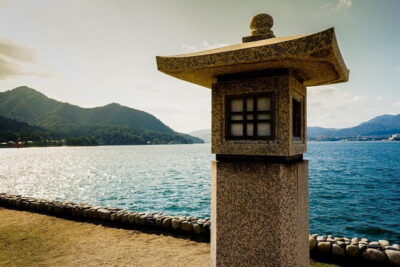
Miyajima looks different at every tide. On this half-day Hiroshima tour, you get a guided walk across the Seto Inland Sea to see the famous torii at the moment it becomes walkable, then tour Itsukushima Shrine and Daishoin without worrying about the logistics.
What I like most is how the tour mixes big-ticket sights with local island flavors. You’ll have time for momiji manju (maple-leaf cake) and a taste of Hiroshima oyster when it is in season, and your guide also sets up great photo stops and shares the shots afterward.
One thing to consider: this is only 4 hours, so lunch is not included and you’ll be eating on a schedule. If you want a long, slow sit-down meal, you may feel a bit rushed.
In This Review
- Key things to know before you go
- First step: Meet at Miyajimaguchi and keep the day simple
- The 15-minute ferry that sets the tone on Seto Inland Sea
- Omotesando shopping street: snacks, souvenirs, and deer etiquette
- Itsukushima Shrine: UNESCO wonder with a guide pacing it right
- The torii gate and the tide: why your guide’s timing skills matter
- Daishoin Temple: calmer, deeper, and full of temple atmosphere
- Omotesando and the food break: how to eat without losing time
- A short secret stop: photo time off the loudest routes
- Your guide’s photo service: one less thing to manage
- Getting back to Hiroshima: don’t stress the return
- Price and value: is $77 for 4 hours worth it?
- Who should book this Miyajima half-day tour?
- Should you book it?
- FAQ
- How long is the Miyajima Island half-day tour?
- Where do I meet the guide?
- What’s included in the tour price?
- Is lunch included?
- Does the tour include the ferry?
- Is the tour wheelchair accessible?
Key things to know before you go
- Your guide handles the ferry timing and shrine entry tickets, so you can focus on the island
- Tide timing matters: the torii gate floats at high tide and becomes walkable at low tide
- You get a food moment with Hiroshima oyster (seasonal) and momiji manju maple-leaf cake
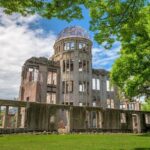
- UNESCO Itsukushima Shrine plus Daishoin Temple keeps the mix of awe and calm
- Deer are part of the experience, but they can be pushy around food
- Photo service is included, with your guide taking pictures and sharing them after
First step: Meet at Miyajimaguchi and keep the day simple
You start at 宮島口駅改札外コインロッカー area, right outside Miyajimaguchi Station, near the coin lockers. The exact meeting point matters because Miyajima-area directions can get confusing fast once you’re juggling ferry lines and crowds.
Once you meet up, the goal is simple: your local English-speaking guide runs point. That includes the ferry plan and shrine ticket logistics, so you are not hunting for ticket counters while the island’s charm is already waiting.
This is a walking tour, so wear comfy shoes. You’re on uneven island paths and temple stairs, and you’ll want stable footing for photo stops and the deer area.
Other Miyajima Island tours in Hiroshima

The 15-minute ferry that sets the tone on Seto Inland Sea
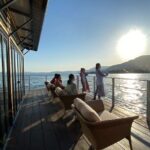
The ferry ride is short, about 15 minutes, but it’s a real mood shift. The Seto Inland Sea crossing makes Miyajima feel like a destination, not just another day trip you power through.
Even with a short ride, I like that the day has structure right away. You’re already moving before you fully realize you’re heading to an island where the tide changes the main photo spot.
Also, check that you know your pace. If you’re the type who likes to hang back for photos, this tour still works, but it helps to keep up when the group needs to move for tide timing.
Omotesando shopping street: snacks, souvenirs, and deer etiquette
Miyajima’s Omotesando shopping street is your first on-island stretch, with about one hour to wander and taste. This is the part where you decide what kind of traveler you are: snack-first, souvenir-first, or photo-first.
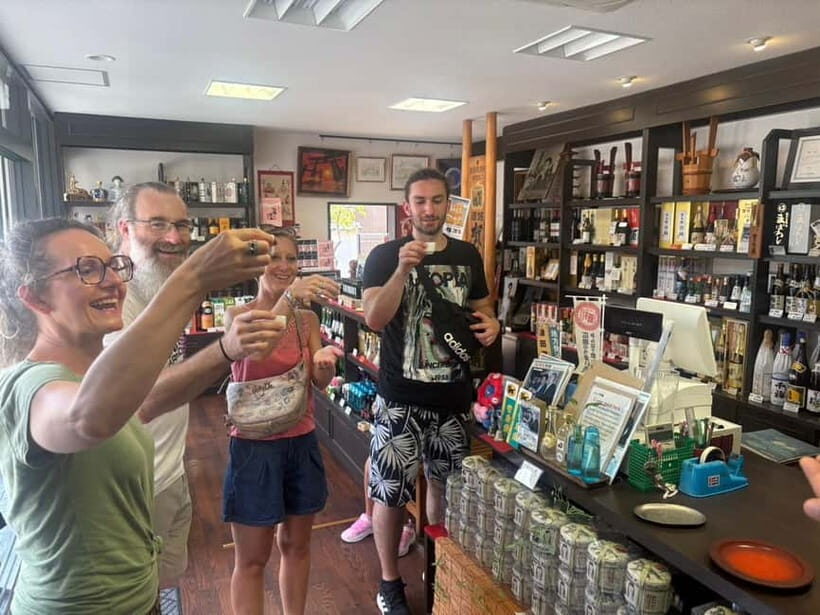
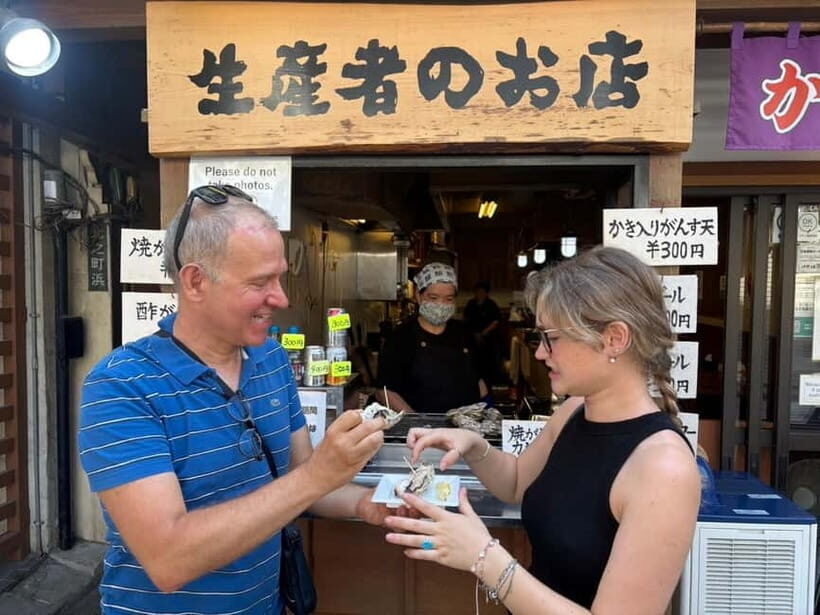
You’ll also get a food highlight here: a grilled Hiroshima oyster when oysters are in season, plus sweet momiji manju maple-leaf cake. The flavors are part of why Miyajima feels local. You’re not just sightseeing; you’re eating the island’s rhythm.
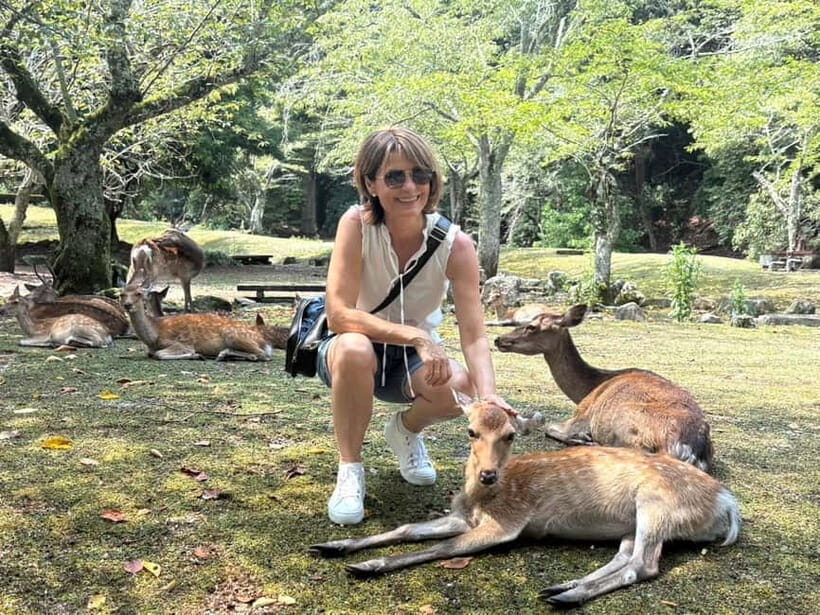
Quick practical tip: don’t wave food around and don’t let snacks drop on the ground. Deer are free-roaming, adorable, and persistent. One very real warning from past tours is that deer will happily “help” themselves if you treat them like decorations.
If you want a smooth experience, hold your snack close, keep your drink capped, and give deer space. They’ll still be everywhere, but you’ll avoid the awkward, mitten-grab scramble.
Itsukushima Shrine: UNESCO wonder with a guide pacing it right
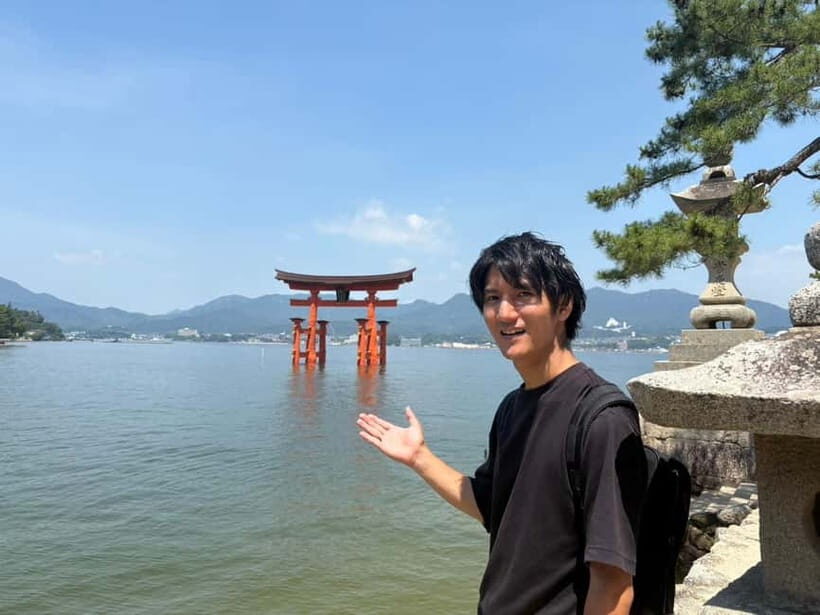
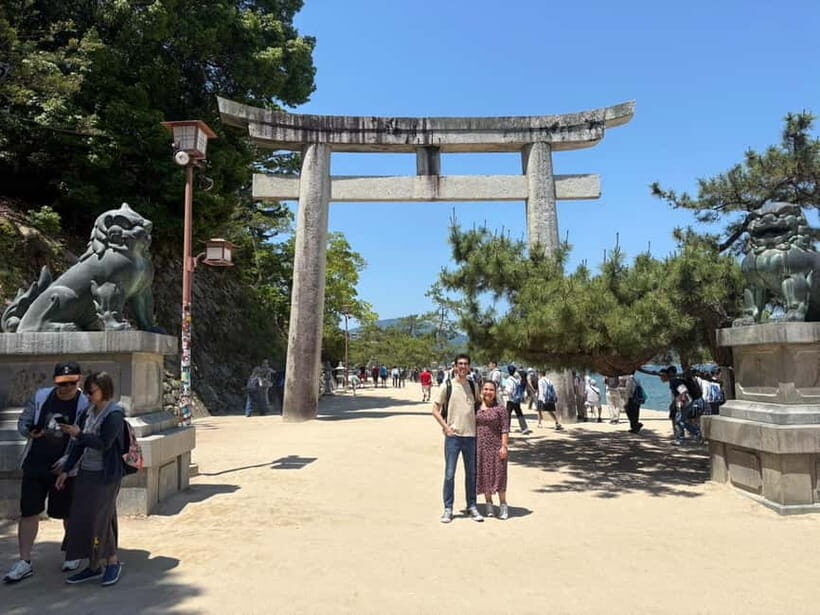
Next comes Itsukushima Shrine, where the big draw is the setting. You’re looking at a place famous for its dramatic connection to the water, and the shrine area has that you-will-never-get-this-out-of-a-postcard feeling in person.
Your guide leads the visit and keeps you moving at a comfortable pace (about one hour here). That pacing matters because the best views often depend on where you’re standing at the right moment, not just what landmark you can name.
There’s also a lot to notice if you’re given context. Even if you’ve seen photos before, a good explanation helps you understand what you’re looking at—why the architecture feels so tied to the sea and why the torii gate is treated like the island’s signature.
If you’re the type who likes photography, this is a prime moment. Don’t just frame the shrine buildings; also watch the waterline and the surrounding walkways. That’s where the shrine’s character shows up.
The torii gate and the tide: why your guide’s timing skills matter
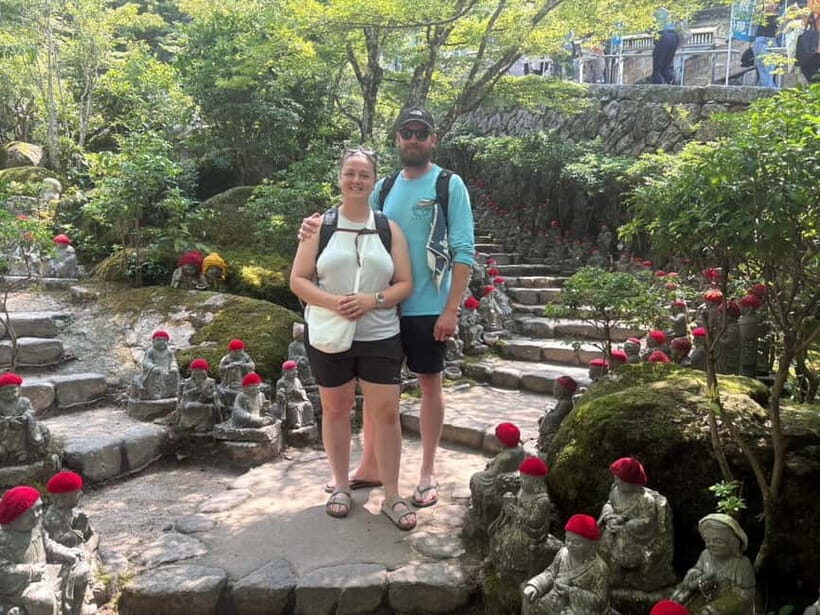
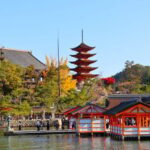
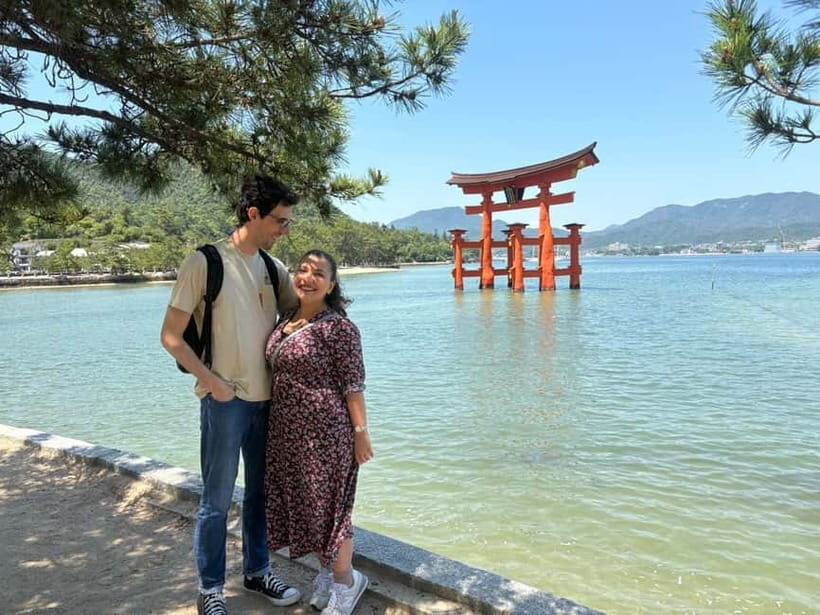
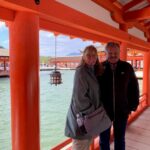
This tour’s real party trick is the torii gate timing. The famous vermilion torii shifts from floating at high tide to being walkable at low tide, and your guide checks the tide forecast to aim for the best photo window.
If you’ve never done a tide-based plan before, here’s the simple way to think about it: you’re not just visiting an attraction, you’re visiting it at a specific moment in nature. That’s why having a guide who tracks the timing is a value add, not a gimmick.
You’ll learn how the tide changes what you see, and you’ll get a better shot because the group is in the right place at the right time. For photographers, this is the difference between generic “I was there” shots and images that actually feel like Miyajima.
One more practical note: once the torii area becomes walkable, expect more people moving through. Keep your camera ready, but also stay aware underfoot—this is water-adjacent territory.
Other guided tours in Hiroshima

Daishoin Temple: calmer, deeper, and full of temple atmosphere
After the shrine focus, you shift into Daishoin Temple. It’s listed as part of the guided highlights, with time set aside for a tranquil temple stop that feels different from the waterfront views.
This is where Miyajima slows down. The temple grounds have that slow-walk energy—less about one iconic photo and more about atmosphere, details, and the feel of religious space.
Some past participants have mentioned a purification-style temple experience that can involve dimmer or darker passages in the temple complex. I can’t guarantee it’s running every day in the exact same way, but it’s the kind of thing your guide can help you find during your visit.
If you’re sensitive to enclosed spaces, let your guide know. The point is to keep the experience meaningful, not stressful.
Omotesando and the food break: how to eat without losing time
You’ll have a meal window on the island (the schedule includes time for lunch or dinner later), but lunch itself is not included. I like that approach because it gives you freedom. You can choose what fits your appetite and budget, instead of being pulled into one pre-set meal.
Still, plan ahead in your head. If you know you want a sit-down dish, decide where you might go before you get hungry. With only about half a day total, you don’t want to spend your last hour deciding.
If you do buy extra snacks, follow the deer rule again. Deer are cute until they learn you’re holding something edible. Keep food contained and be ready to share the walkway, not the cookie.
A short secret stop: photo time off the loudest routes
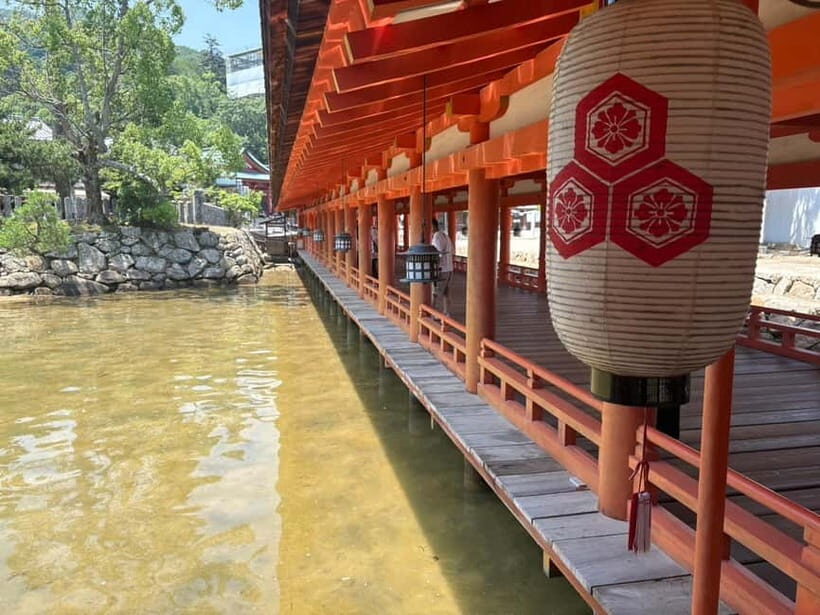
There is also a secret stop built into the schedule, around 30 minutes. The point is to get you to a photo-friendly viewpoint or walkway without making the day all crowds and lineups.
This is also where a good guide can earn their fee. Past guides have used this time for less crowded spots and more personalized choices, depending on what you want to see and what time constraints look like.
If you love photography, ask your guide where they think the light will be best. And if you’d rather just breathe and take it in, tell them that too. This segment usually flexes a bit in practice.
Your guide’s photo service: one less thing to manage
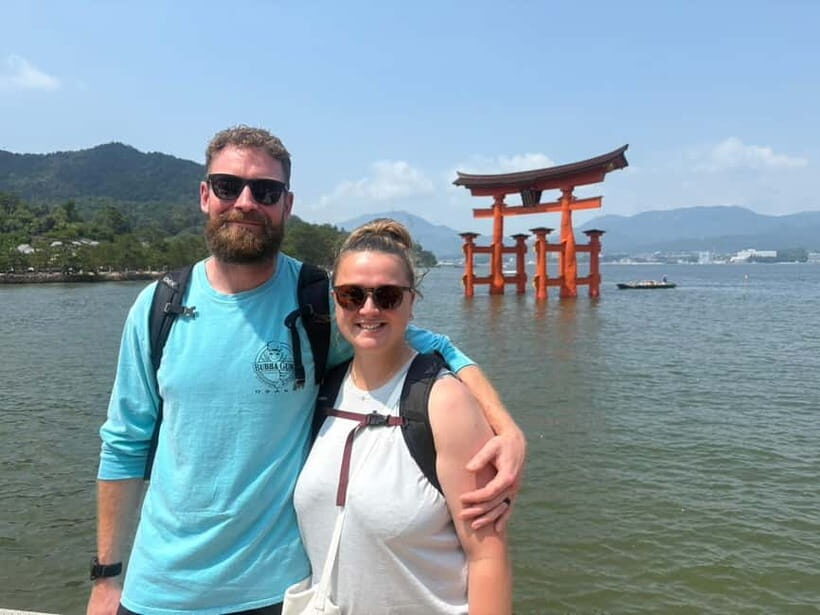
One of the simplest included perks is that your guide takes photos for the group and shares them after the tour. That matters more than it sounds.
On Miyajima, you’ll constantly want a “clean” shot without dozens of heads in the frame. A guide who knows where people naturally gather can help you get angles faster, and it saves your battery and your patience.
After the tour, you can review the photos and keep your best ones. That’s especially useful if you’re doing multiple Japan highlights close together and want to be efficient.
Getting back to Hiroshima: don’t stress the return
The tour returns you to Hiroshima with insider tips for the rest of your trip. That is a small line in the listing, but it can be big in real life, especially if you’re unsure about trains, buses, or where your next time block should go.
Some guides also help with practical routing, like making sure you’re getting onto the correct bus line for your return. Even if you’re not travel-nerdy, it’s comforting to have someone double-check your next step after a busy day.
For this kind of half-day experience, the smartest move is to keep your next attraction flexible. Don’t schedule something too tight right after you land back, unless you’re confident about timing.
Price and value: is $77 for 4 hours worth it?
At $77 per person for about 4 hours, the price isn’t just for walking around. You’re paying for several things that are hard to replicate if you DIY:
- a local English-speaking guide who connects the dots between sites
- shrine tickets handled as part of the logistics
- a tide-aware torii gate plan (the whole reason this tour works)
- food tastings: momiji manju plus oyster when in season
- a photo service so you don’t have to spend the whole day asking strangers to take pictures
Is it expensive compared to going on your own? Sure, but Miyajima is one of those places where timing and guidance make your day better, not just busier.
If you’re the kind of traveler who likes a clear plan, this is solid value. If you love wandering completely solo and you already know the tide schedule and ferry math, you might be able to save money DIY. But you’ll miss the convenience and the photo-timing help.
Who should book this Miyajima half-day tour?
This fits you if:
- you want Itsukushima Shrine and Daishoin without spending your whole day figuring everything out
- you care about getting the torii gate right for tides and photos
- you like food tastings that feel local, not just tourist-snacks
- you prefer a guide’s pacing to keep the day smooth
It may not fit you as well if:
- you need a long meal and don’t want a timed itinerary
- you want to spend hours at one spot and drift on your own
- you dislike walking tours with frequent short transitions
Overall, it’s a strong choice for first-timers in Hiroshima who want the highlight island moment in limited time.
Should you book it?
I’d book this tour if Miyajima is a “must-see” for your trip and you want it done well in half a day. The tide-timed torii plan, the guide-run logistics, the temple-and-shrine mix, and the included food tastings add up to a trip that feels curated without feeling forced.
If you’re picky about food inclusion or you want total control, you can DIY. But if you want the island’s big moments lined up—torii at the right tide, UNESCO shrine views, deer encounters, and a guide who keeps you moving—this is an easy yes.
FAQ
How long is the Miyajima Island half-day tour?
The tour runs for 4 hours.
Where do I meet the guide?
Meet the guide in front of the coin locker by Miyajimaguchi Station.
What’s included in the tour price?
Included are a local English-speaking guide, shrine tickets, photo service, and a momiji manju maple-leaf cake tasting.
Is lunch included?
No. Lunch is not included, though the schedule includes a time set aside for eating on the island.
Does the tour include the ferry?
The guide helps handle ferry logistics, but a transportation fee is not included.
Is the tour wheelchair accessible?
Yes, the tour is listed as wheelchair accessible.