REVIEW · HIROSHIMA
Hiroshima Private Walking Tour with a Local
Book on Viator →Operated by Lokafy Inc. · Bookable on Viator
Hiroshima feels more human with a local. I love that this is a private, custom walk built around what you care about, not a rigid checklist. I also like the practical side: where to eat, how to get your bearings, and what to do next in the city. The one caution is that this is more friend-style city context than a formal, lecture-heavy history tour—so you’ll want to set your expectations early.
You start by meeting up in the Peace Memorial Museum area, so your walk naturally connects to the big emotional heart of Hiroshima while still moving through everyday streets. You’re not stuck in a long sit-down; you’re out there walking, talking, and getting suggestions you can actually use after the tour. The experience runs 2 to 6 hours, rain or shine, and it’s priced at $55 per person—usually a fair trade when you want local guidance without paying for a full guided-vehicle day.
In This Review
- Key highlights you should care about
- Starting at the Peace Memorial Museum area: the right emotional anchor
- The pre-walk chat: turning sightseeing into your plan
- How a Lokafy walking tour really works (friend-style, not bus-style)
- Building your Hiroshima route: what your walk can include
- Peace-focused time and nearby context
- Culture, philosophy, and conversation routes
- Food and “what to do next” guidance
- Optional side trips to Miyajima (when your interests point that way)
- Price and value: $55 for a private local, not a generic route
- What I’d do before booking (so you don’t get mismatch surprises)
- The “mobility and pacing” factor matters more than you think
- Weather, shoes, and how to plan your day
- Should you book this Hiroshima Private Walking Tour with a Local?
- FAQ
- How long is the Hiroshima private walking tour?
- How much does the tour cost?
- Where does the tour start?
- Is the itinerary fixed?
- What’s included in the price?
- What is not included?
- Can I visit paid attractions during the tour?
- Is this tour private or shared with strangers?
- Does the tour run in bad weather?
- Are children and service animals allowed?
Key highlights you should care about
- Pre-tour chat to shape the route so the walk matches your interests and time
- Private walking format (only your group) starting near Hiroshima Peace Memorial Museum
- Local tips beyond major sights, including transport guidance and food suggestions
- Guide match can change the feel: some focus more on conversation and daily life, others bring deeper history
- Flex for real constraints, including comfort checks for mobility needs mentioned in guide feedback
Starting at the Peace Memorial Museum area: the right emotional anchor
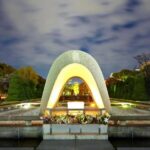
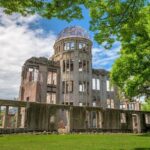
Most city walks in Hiroshima start with something simple: a meeting point that gets you moving fast. This one starts at Hiroshima Peace Memorial Museum (1-2 Nakajimachō, Naka Ward), which is a strong choice because it places you right next to the place most people come to understand. From there, your Lokafy host can build a route that feels connected instead of scattered.
Here’s what that means for you on the ground. You can use the time to wrap your head around what you’ve already seen, or decide you want more museum time and let the walking plan bend around it. Either way, you’re not starting with a random landmark and hoping the story forms later.
One thing to keep in mind: the museum area is central and emotional, so your walk can feel more reflective than “holiday sightseeing.” If you want a light, upbeat city tour, tell your guide. If you want context for difficult topics, tell them that too—several guides have been praised for handling heavy material with patience.
Other private guided tours in Hiroshima
The pre-walk chat: turning sightseeing into your plan
This experience isn’t just a meeting and a route. You talk before the tour (via phone or app), and your guide uses that conversation to tailor what you’ll do on your feet. That’s the difference between walking through Hiroshima and walking with Hiroshima.
In practice, this matters because Hiroshima isn’t one-size-fits-all. Some people want more time around major sites. Others want side streets, daily life, and places that don’t show up on every tour brochure. Some want ideas for food and what to do after the walk. A good pre-chat helps your guide choose the right balance for your day.
I also like that your guide isn’t locked into a script. You’re paying for a personalized itinerary, so you’re not stuck when your attention shifts. If you decide you want a slower pace, or you want more stops, that’s exactly the kind of flexibility this format is designed for.
Tip: be specific about your interests and your pace. If you want deep historical detail, say so. If you want practical city life and translation help, say that too. It’s not about being demanding—it’s about helping your guide deliver the kind of value you came for.
How a Lokafy walking tour really works (friend-style, not bus-style)

This is a private walking tour with a Lokafy local host, and only your group participates. That’s important because you don’t have to “share attention” in a crowd, and you can ask questions that come up mid-walk. It also changes the vibe: the walking pace and conversation flow tend to feel more like meeting someone local than following a timed bus schedule.
Expect walking only. There’s no transport provided to attractions, so this is best if you’re comfortable moving around on foot. Comfortable shoes are strongly recommended, and the tour runs in all weather conditions, so plan for sun, rain, and temperature swings.
Also, be aware of the style of learning. The experience is described as giving a general overview of the city with practical local info, not a deep, textbook-style history program. That said, some guide matches have clearly brought more structured context. The key is that your guide’s background and teaching style can affect how much history you hear versus how much daily-life perspective you get.
If you want a rigid, highly factual presentation, you may feel happier with a professional guided tour. If you want local perspective, street-level guidance, and a walk that adapts to you, this format is a great fit.
Building your Hiroshima route: what your walk can include
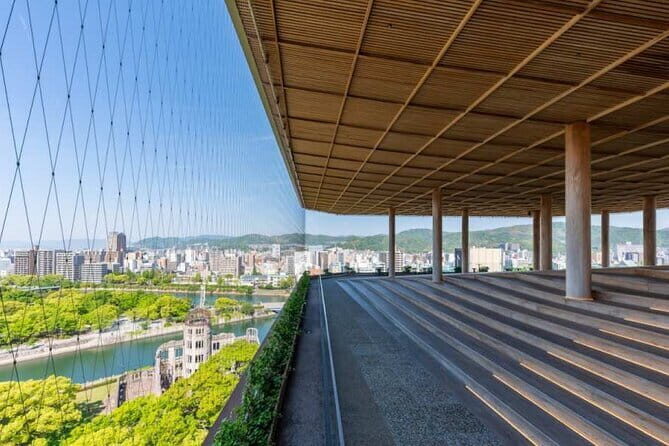
Because the itinerary is customized, you won’t get a single fixed route. The best way to think about it is: your guide starts near the Peace Memorial Museum and then constructs a walk around your interests and the time window—2, 3, 4, all the way up to 6 hours.
Peace-focused time and nearby context
Many people anchor their day around the museum area. That’s a logical move because it keeps your attention where it matters most. If you want to spend part of your time at the museum itself, your guide can adjust the rest of the walk around it—one guide story specifically notes that museum time can be the part you wish you booked more for.
You can also expect your guide to point you toward nearby sites and help connect the dots with everyday surroundings. Some guide pairs have been praised for explaining difficult parts clearly for teens, which is a big deal if you’re traveling with younger people who may need extra framing.
Other Hiroshima walking tours in Hiroshima

Culture, philosophy, and conversation routes
Not every strong Hiroshima tour is only about dates and events. In multiple guide stories, the conversation leaned toward Japanese culture, including philosophy of life. If that sounds like what you want—meaningful but not overly academic—tell your guide early. You’ll likely spend more time on the “why we do things this way” side of Hiroshima rather than just the “what happened” side.
One named guide, Nora, was especially praised for patience with teen children and for connecting Hiroshima to broader Japanese traditions. If your group includes mixed ages, this kind of teaching flexibility can make the whole day feel smoother.
Food and “what to do next” guidance
A walking tour that only lists sights is forgettable. A walking tour that helps you eat well and plan your next steps is memorable. Several guide stories highlight that guides guided people to local restaurants and even helped with ordering—useful when you’re hungry and the language feels heavy.
Here’s how that helps you: you’ll leave the tour with a short list of places to try, plus advice on the order of things so you don’t waste time searching while you’re tired. That’s real value in a city where your energy matters as much as your itinerary.
Optional side trips to Miyajima (when your interests point that way)
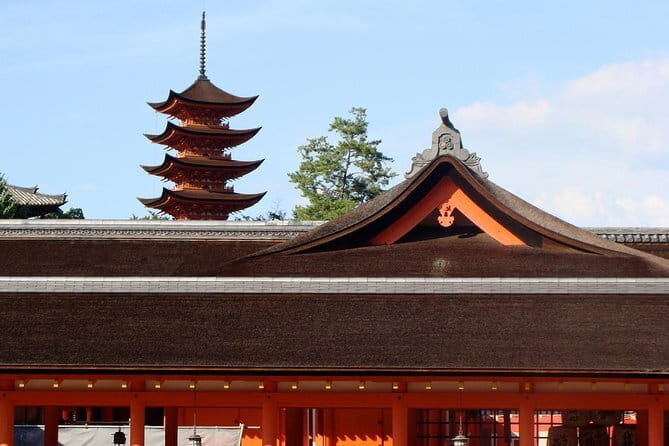
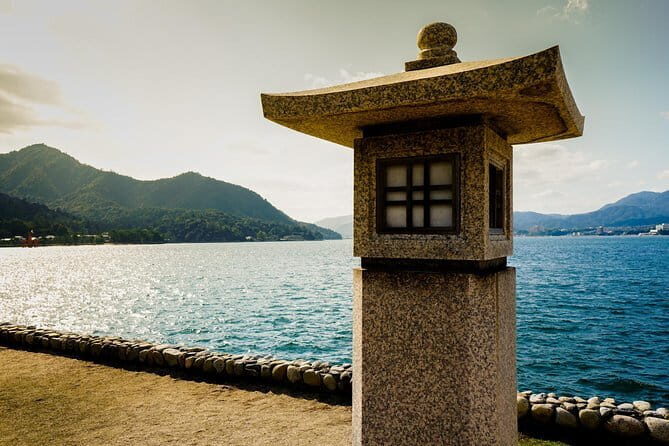
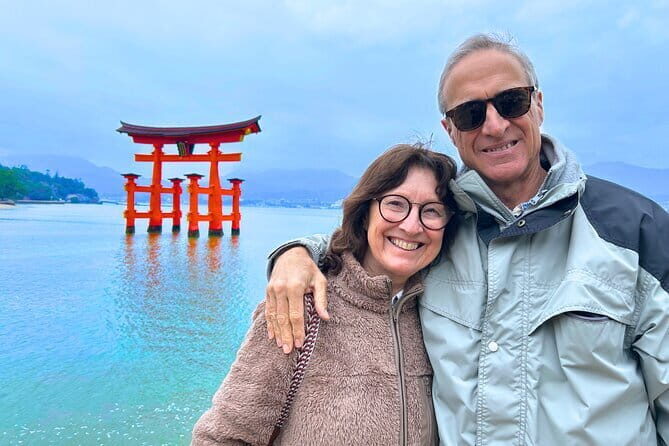
Some versions of this experience can stretch into a bigger day plan, including Miyajima. One named guide story (Saul) describes a personalized outing to Miyajima, including the floating torii area (with the honest note that it was under renovation at the time), time around Momijidana Park, the Itsukushima area, and a cable car ride up toward Mount Misen for views.
If that’s on your wish list, ask about it in your pre-tour chat. The key detail for your planning: this walking tour is still walking-based, and paid attractions or special transit planning may add time and cost.
Price and value: $55 for a private local, not a generic route
At $55 per person, this can be a good deal when you think about what you’re buying: private time, customization, and real guidance you can’t easily get from a map. A standard group tour often costs a similar range but gives you less flexibility, more waiting, and fewer chances to steer the conversation.
The value equation changes, though, based on what you want. If you mainly want “major sights, quick and factual,” you might prefer a more structured guide or a museum-focused plan. If you want a route that responds to your interests—plus practical food and city tips—this price makes more sense.
One more cost note: entrance fees aren’t included, and if you choose paid attractions, you’ll need to cover the entrance cost for yourself and also the Lokafy host. That doesn’t mean the tour isn’t worth it. It just means you should decide up front whether your ideal day includes paid add-ons.
What I’d do before booking (so you don’t get mismatch surprises)
The reviews include a clear pattern: when people feel thrilled, it’s because the guide match fit the day they wanted. When people feel disappointed, it’s usually about expectation mismatch—especially around depth of Hiroshima history or how “local” the guide felt.
So here’s the practical move: in your pre-tour messaging, tell your guide what you want the tour to do.
- If you want a heavier history thread, ask for that directly.
- If you want daily life, street-level perspective, and conversation, say so.
- If mobility is a factor, mention it early so your host can pace the walk.
You can even bring up what you’ve already planned. If you’re going to the museum anyway, you might want your walking time after that to focus on how to interpret what you saw and where to go next.
The “mobility and pacing” factor matters more than you think
Hiroshima is walkable, but not gentle. One guide story specifically mentioned accommodating mobility issues and checking in to keep the traveler comfortable. That’s exactly the kind of service you should look for in a private format.
Even if you don’t have mobility needs, this is why a custom walking tour can outperform a fixed tour. Your guide can slow down, choose less exhausting routes, and structure the time so you don’t arrive at the last stop wiped out. For Hiroshima—where the emotional weight can add to mental fatigue—pacing is part of the experience.
Weather, shoes, and how to plan your day

This tour runs in all weather conditions, so treat it like a real walk, not a delicate sightseeing stroll. Bring rain protection if the forecast looks iffy, and wear shoes you can trust for uneven sidewalks.
The tour is 2 to 6 hours, which means you should build your day so you’re not rushing between major commitments. If you’re also planning the museum, remember that the museum can easily take more time than you expect, based on guide notes people made about wishing they had allowed more.
If you have only one short day in Hiroshima, consider whether you want the walking tour to be your main activity or a connector between your museum time and your evening meal.
Should you book this Hiroshima Private Walking Tour with a Local?
Book it if:
- You want a private, custom walk built around your interests.
- You care as much about city context and local recommendations as you do about landmarks.
- You want help with “what do I do next” and where to eat.
Skip it or pair it with other plans if:
- You want a strict, fact-only history lecture with deep dates and details as the main product.
- You’re expecting a guide who will act like a professional museum lecturer rather than a local host shaping a conversation.
- Your day depends on paid attractions and you haven’t planned for additional entrance costs (and the host entrance expectation).
If you book, do one thing that makes a big difference: send a clear pre-tour message about what you want from Hiroshima—more museum focus, more culture, more food and daily life, or a mix. That’s how you end up with the version of this tour that feels like walking with a friend who knows the city’s rhythm, not just its stops.
FAQ
How long is the Hiroshima private walking tour?
It runs for about 2 to 6 hours, depending on the duration you choose and what you want to see.
How much does the tour cost?
The price is $55.00 per person.
Where does the tour start?
The start point is Hiroshima Peace Memorial Museum (1-2 Nakajimachō, Naka Ward, Hiroshima).
Is the itinerary fixed?
No. It’s customized, and the exact stops depend on your interests and the length of your tour.
What’s included in the price?
You get a private walking tour with a Lokafy (local host) plus a personalized itinerary tailored to your interests.
What is not included?
Personal expenses, optional tips, optional activity costs, food and drinks, transportation to/from attractions, and entrance fees (if you choose paid attractions) are not included.
Can I visit paid attractions during the tour?
Yes, but you’ll need to cover the entrance cost for yourself and also the Lokafy host’s cost if you include a visit to an attraction.
Is this tour private or shared with strangers?
This is a private tour. Only your group participates.
Does the tour run in bad weather?
Yes. It operates in all weather conditions, so dress appropriately.
Are children and service animals allowed?
Service animals are allowed. Children below 3 years old are free, and children must be accompanied by an adult.