REVIEW · HIROSHIMA
Hiroshima 3hr Peace Cycling Tour with Local Guide
Book on Viator →Operated by Attractive JAPAN · Bookable on Viator
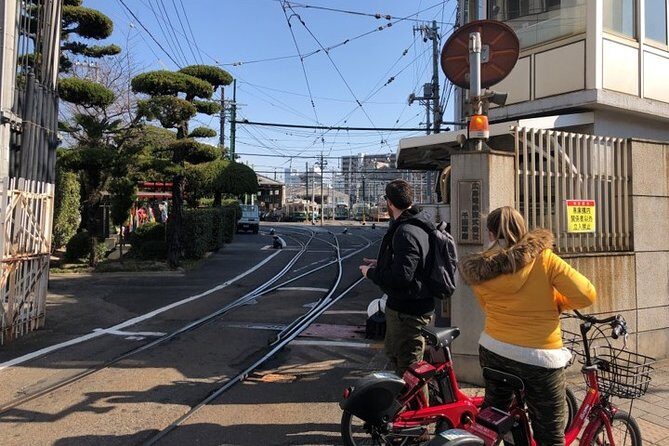
Hiroshima hits harder from the saddle. This 3-hour Peace cycling tour uses electric bikes to connect major sites, with your local guide explaining what happened and how Hiroshima rebuilt.
I especially love two things. First, the group stays small, capped at 10 people, so you can ask questions and keep a steady pace. Second, the tour includes entrance fees and handles the ticket side with a mobile ticket, so you’re not scrambling at each stop.
One thing to consider: this tour depends on safe conditions. If weather turns, the schedule can change, or you’ll switch to a different Peace route or even a walking version.
In This Review
- Key things I’d plan around
- Why Hiroshima’s Peace Route works best on a 3-hour bike
- Meeting at Hiroshima Peace Park Rest House: where the morning starts
- Stop-by-stop: what each place adds to the story
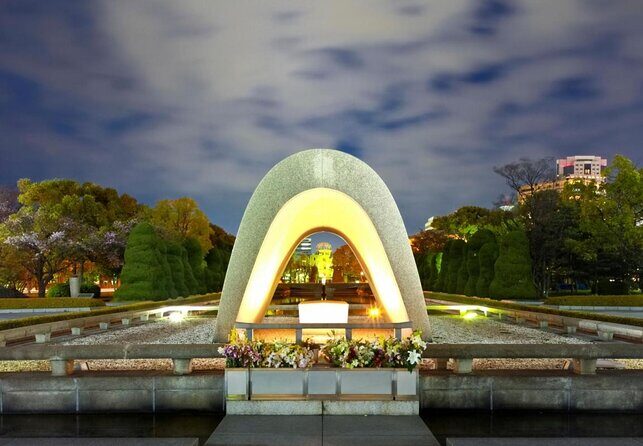
- Hiroshima Peace Memorial Park: start with context, not chaos
- Hiroshima Castle: the wartime setting behind the headlines
- Hiroshimagokoku Shrine: the parts of heritage that survived
- Chuo Park: a breather of green (with a purpose)
- Aioi Bridge: the target, the river, the continuity
- Atomic Bomb Dome: the world-famous shock is still real
- Motoyasu River and the Peace Bridge: turning from blast impact to daily life
- Higashisenda Park: trees tied to global remembrance
- Atomic Bomb Window Frame Monument: what survival looks like in fragments
- Hiroshima Railway: remembering through what kept running
- Miyuki Bridge Monument and Kobayashi River: the end of reach
- Surviving Weeping Willow Tree: the “how did it live” moment
- Peace Boulevard: monuments plus Hiroshima’s present
- Bikes, safety, and why the guide matters more than the route
- Price and value: what you get for about $86
- Who should book this Peace cycling tour
- Rain plans: what changes when the sky won’t cooperate
- Luggage and practical notes before you go
- Should you book this 3-hour Peace cycling tour?
- FAQ
- FAQ
- How long is the Hiroshima 3-hour Peace Cycling Tour?
- What is the group size limit?
- Where is the meeting point?
- Are entrance fees included?
- What kind of bike do I ride, and are there height requirements?
- Is there luggage storage at the meeting point?
- What happens if it rains?
- Can I cancel for a full refund?
- What if I’m late to the meeting time?
Key things I’d plan around
- Max 10 riders, tight pacing so you get attention, not just motion
- Electric bikes make the ride gentle and manageable
- Entrance fees included across key stops, no onsite payments
- Family-based storytelling from guides like Shin and Moe (and others)
- A route that moves from bomb impact to today’s Hiroshima without rushing you
- Multiple rain options instead of cancel-and-wait
Why Hiroshima’s Peace Route works best on a 3-hour bike
Hiroshima is easy to visit, and also easy to miss the meaning if you treat it like a checklist. Riding helps because you’re moving between places at human speed—quietly processing, then taking in the next scene—without the fatigue that can come from bouncing between attractions by foot or bus.
This tour is also short enough that you don’t feel stuck in a full-day grind. You’re out for about three hours, then you get the rest of the day to explore on your own terms. That balance matters in a city where you may want time later for museums, local food, or just sitting with what you saw.
Most people can participate because the route is designed as an easy cycling experience, and the guide adjusts the pace when someone isn’t used to biking—especially with children in mixed groups. If you’re worried about the cycling part, you’ll likely find the electric assist helps a lot (and multiple guides emphasize safety and control).
Other private guided tours in Hiroshima
Meeting at Hiroshima Peace Park Rest House: where the morning starts
You meet at the Hiroshima Peace Memorial Park Rest House, in Nakajimachō (Naka Ward). It’s the kind of meeting point that makes sense: you’re starting right where the Peace focus begins, so you don’t lose time getting oriented.
From the first few minutes, expect a quick setup: greetings, a route overview, and basic safety steps. There are also temperature checks as part of the process. It’s a small-group format, so the guide can get everyone settled onto the correct bike size and explain how the ride will work.
There’s also an important practical note: if you show up late without prior notice, the tour can be cancelled on the day. That’s not meant to scare you—it’s simply how shared tours protect the schedule.
Stop-by-stop: what each place adds to the story
This tour is built like a guided timeline of wartime impact and post-war recovery. You start near the Peace Memorial Park area, then move through sites tied to August 6, 1945, and finally circle back through places that show Hiroshima’s current life and continued remembrance.
Hiroshima Peace Memorial Park: start with context, not chaos
You begin at Hiroshima Peace Memorial Park, where the tour officially gets underway. This opening stop sets the emotional and historical frame before you start moving outward.
Even though the stop is brief, it’s useful. You’re not thrown onto a bike with no orientation—your guide is there to explain what you’ll see next and how the ride connects the sites.
Hiroshima Castle: the wartime setting behind the headlines
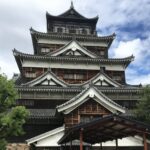
Next comes Hiroshima Castle, one of the key pre-war anchors in this route. The guide will explain how the castle area connects to the military fort that was among the first to report about the atomic bomb.
What I like here is that it doesn’t treat the bomb as a standalone event. You get a sense of what the city was doing before August 6 and why the bomb hit a place with military significance. It adds depth before you reach the more famous memorial sites.
The tradeoff is time. You only spend about 20 minutes here, so it’s not a castle deep-dive. But for a three-hour tour focused on meaning, it hits the right note without dragging.
Other Peace Memorial Park tours in Hiroshima
Hiroshimagokoku Shrine: the parts of heritage that survived
Then you head to Hiroshimagokoku Shrine and its shrine gate. Your guide points out details that many people miss on their own, including the Guardian Dog statue and the gate that withstood the atomic bomb.
This stop feels different from the big memorial symbols. It’s more about how specific structures endured—and how faith, memory, and architecture can survive even when everything else is shattered.
Chuo Park: a breather of green (with a purpose)
After the shrine, there’s a walk through Hiroshima Central Park (Chuo Park). It’s a green pause—about 20 minutes—where you can reset your thoughts before seeing more direct reminders of the bombing.
That matters, because the tour is emotionally heavy. The park stop gives you a short window to breathe and look around at Hiroshima’s living everyday side.
Aioi Bridge: the target, the river, the continuity
You then reach Aioi Bridge, the bridge that was targeted in the bombing. The tour emphasizes the continuity: the river and bridge remain, and your guide explains what that means in terms of history continuing in the same physical space.
This is one of those stops where a simple view can feel powerful. You’re not looking at a story printed on a plaque—you’re standing near a landmark that kept existing, even after the event changed everything.
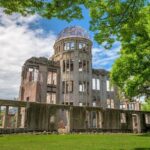
Atomic Bomb Dome: the world-famous shock is still real
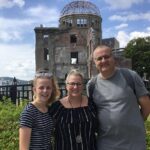
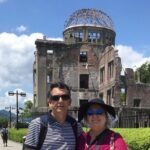
After that, you visit the Atomic Bomb Dome. It’s world-renowned for a reason, but the value here is in your guide’s interpretation of what you’re looking at and the local memories attached to it.
Expect about 15 minutes. That’s enough time to see the Dome and understand the narrative without feeling rushed. It also sets up the next stretch of the route, which is framed as the aftermath and the way Hiroshima carried forward.
Motoyasu River and the Peace Bridge: turning from blast impact to daily life
You then head toward the river area, with Motoyasu River and the Peace Bridge. Your guide explains the shift when you move south toward the suburbs—how nature and riverside life exist alongside remembrance.
I like this stop because it helps you connect two things at once: the trauma of the event and Hiroshima’s ongoing relationship with its environment. It’s not just sorrow; it’s also persistence.
Higashisenda Park: trees tied to global remembrance
Next is Higashisenda Park, about 1 km from the blast center. Here you see a park filled with trees sent from countries around the world, and you’ll hear the stories connected to this area.
This is where Hiroshima’s message becomes international. The symbolism doesn’t feel abstract because it’s anchored in the physical reality of the trees and the guide’s explanation of why they’re here.
Atomic Bomb Window Frame Monument: what survival looks like in fragments
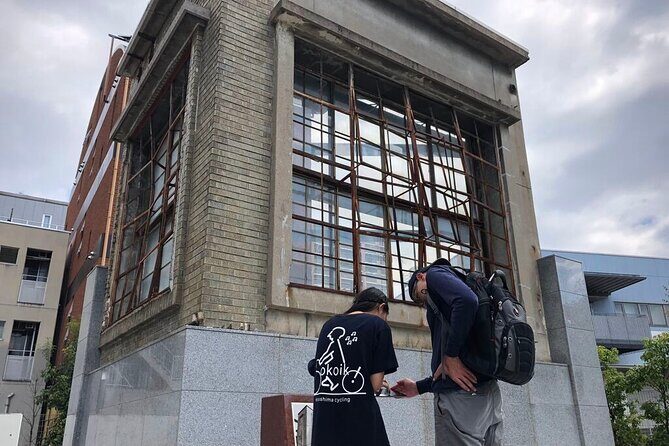
You continue to the Hiroshima Red Cross Hospital remnants, tied to the Atomic Bomb Window Frame Monument area. The tour frames it at around 1.5 km from the center of the blast, showing the hard reality of how strong the bomb was.
This stop can hit hard. The value isn’t in shock—it’s in clarity. You get a tangible sense of scale, not just dates and names.
Hiroshima Railway: remembering through what kept running
Then comes Hiroshima Railway, located about 2 km to 2.5 km from the center. The guide shares that two trains survived the blast and are still used today, beginning service again after the disaster.
This is a quietly hopeful stop. It keeps the tour from becoming a museum-like loop of only destruction. You’re shown that systems and movement returned—imperfectly, painfully, but truly.
Miyuki Bridge Monument and Kobayashi River: the end of reach
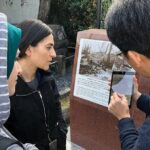
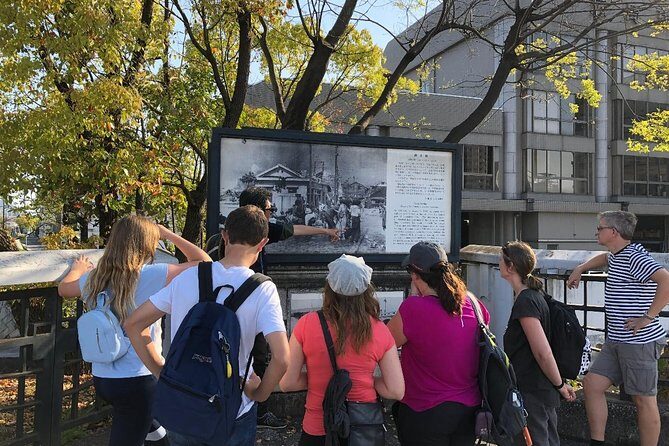
You also visit Miyuki Bridge and the Kobayashi River area, where the tour explains the picture displayed right where the bomb’s reach ended. The guide points out the reality of the difference between then and now.
This stop is a reminder that geography matters. You’re looking at a line that marks how far the event stretched, and the guide helps you see that map-like meaning in a human way.
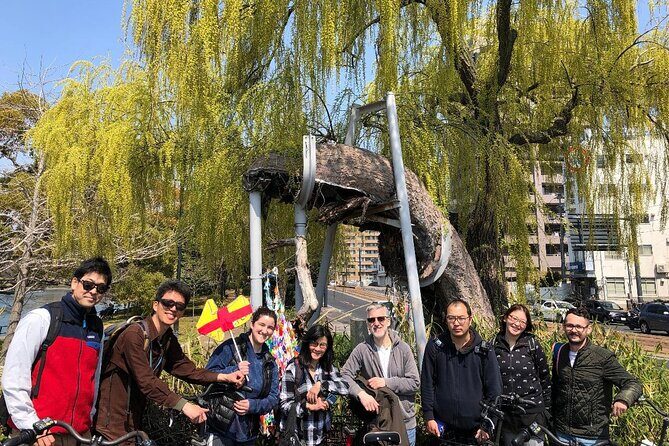
Surviving Weeping Willow Tree: the “how did it live” moment
One of the tour’s highlight stops is the Surviving Weeping Willow Tree. The tour tells the story that this tree kept growing despite rumors that it wouldn’t for at least 70 years.
This is a powerful, hopeful counterpoint to the destruction you’ve seen. It doesn’t erase tragedy, but it does show continuity—life pushing back against what people thought would end it.
Peace Boulevard: monuments plus Hiroshima’s present
On the way back to Peace Memorial Park, you pass Peace Boulevard, with various monuments and significant trees. You also see Hiroshima thriving in the present, which helps the tour land with a sense of where the city has arrived.
This is a smart final transition. You’re not yanked back into modern life too soon, but you also aren’t left only staring at the worst day.
Bikes, safety, and why the guide matters more than the route
The route is mostly about the sites, but the biggest difference-maker is your guide’s storytelling. In the reviews, people repeatedly highlight that guides share personal family experiences alongside facts, which turns the places into something you can emotionally grasp.
You might be with guides such as Shin, who is described as sharing family stories and a strong local connection, or Moe, whose grandparents lived through the bombing and whose storytelling is deeply personal. Other guides are mentioned too, like Toma and Kana. The common thread is that the guide isn’t reading a script—they’re explaining Hiroshima from the inside.
Safety also comes up often. The electric bikes make the cycling easier, and guides are attentive about how riders handle the ride. That matters because Hiroshima’s memorial area includes pedestrians and traffic, so the guide’s pace and control keep the experience calm rather than chaotic.
Price and value: what you get for about $86
At $85.89 per person for around three hours, this tour competes with other guided options. The value comes from a few specific things packed together:
- Electric bike touring instead of just walking between stops
- A small group max of 10, which usually means more attention per person
- Entrance fees included, so you don’t pay onsite for the places that require tickets
- Insurance for bicycle accidents included as part of the package
You’re also buying time efficiency. On your own, piecing together multiple memorials plus castle-plus-shrine-plus-river stops takes planning and ticket management. Here, you follow a guided route designed for flow, with the guide handling the details.
Is it worth it if you love pure self-guided travel? Maybe not. If you want to linger at one site for a long time, a fixed tour time can feel limiting. But if you want the city’s story explained clearly and personally, this price buys more than transportation.
Who should book this Peace cycling tour
I think this is a strong match if you want three things at once: major memorial sites, local interpretation, and an easy way to cover distances without exhaustion.
You’ll probably enjoy it if:
- you like guided context more than reading alone
- you want a gentle pace that still covers lots of places
- you plan to spend the rest of the day in Hiroshima after the tour
It may be less ideal if:
- you want a long, slow museum-style experience at one site (this tour keeps moving)
- you’re sensitive to emotionally heavy material and prefer lighter stops
Also, the bike type matters. Adult participants use an electric bicycle and need to meet the height requirement of 145 cm or more. If you’re shorter, the tour data indicates children’s bikes are available for children at child rate, with specific size guidance for children’s electric bikes.
Rain plans: what changes when the sky won’t cooperate
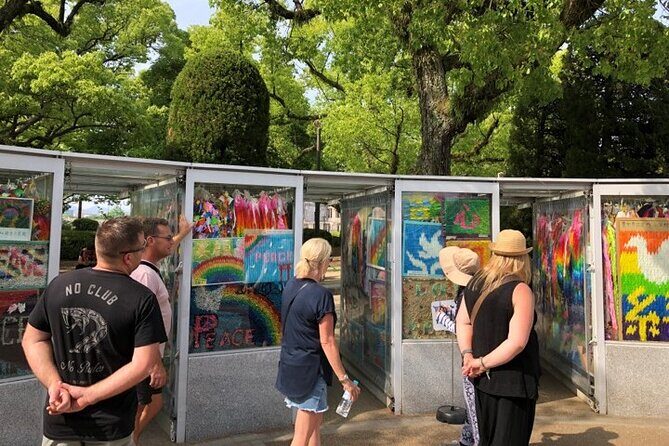
This tour requires good weather. If rain affects the ability to ride safely, you aren’t left stranded with only a shrug.
You can choose a Rainy Day Limited Peace Route or a refund option. The rainy route described for the 10:00 / 14:00 sets includes Peace Memorial Park, Atomic Bomb Dome, the Hypocenter, then sites such as Former Bank of Japan and Fukuromachi Elementary School, ending along the main street.
For rain-only days, there’s also an option to switch to a walking tour for about 0.5 km to 1 km around the hypocenter area (described as scorched earth in an instant). That keeps the tour connected to the core meaning even when riding isn’t possible.
Luggage and practical notes before you go
There isn’t a place to leave luggage at the Rest House. If you bring items you don’t want on the bike, coin lockers are available at the International Conference Center Hiroshima and at the Hiroshima Peace Memorial Museum, about a 6-minute walk from the meeting point.
One more practical detail: there’s no free Wi-Fi offered as part of the tour itself, although Hiroshima Free Wi-Fi is available around the city.
Should you book this 3-hour Peace cycling tour?
Yes, I’d book it if you want a guided, emotionally meaningful route that still feels manageable. The combination of small group size, electric bikes, and guides who share personal Hiroshima connections is what makes it more than a scenic tour.
Skip it only if you strongly dislike cycling or want unlimited time at a single location. For most people, three hours hits a sweet spot: enough time to understand the arc of the bombing and reconstruction, without swallowing your whole day.
FAQ
FAQ
How long is the Hiroshima 3-hour Peace Cycling Tour?
It lasts about three hours.
What is the group size limit?
The tour is a shared tour with a maximum of 10 travelers.
Where is the meeting point?
You meet at Hiroshima Peace Memorial Park Rest House, Hiroshima (Naka Ward, Nakajimachō), postal code 730-0811.
Are entrance fees included?
Yes. Entrance fees are included, so you do not need to pay on the spot for the stops that require tickets.
What kind of bike do I ride, and are there height requirements?
Adults ride an electric bicycle and need a height of 145 cm or more. Children’s bikes (cross bike type) are available for one booking, and children under 15 can use adult bicycles at the child rate as well if their height is between 110 cm and 145 cm. Electric children’s bikes have additional weight and height limits.
Is there luggage storage at the meeting point?
No luggage storage is available at the Rest House. Coin lockers are available at the International Conference Center Hiroshima and at the Hiroshima Peace Memorial Museum (about a 6-minute walk).
What happens if it rains?
If the plan can’t be held due to rain, you can choose a Rainy Day Limited Peace Route or a refund. There is also an option to change to a walking tour for rainy days only.
Can I cancel for a full refund?
Yes. You can cancel up to 24 hours in advance for a full refund.
What if I’m late to the meeting time?
If you are late without prior notice, the tour will be cancelled, and a 100% cancellation fee will be incurred on the day of the tour (non-refundable).