REVIEW · HIROSHIMA
Walking Through History: Hiroshima’s Path to Peace
Book on GetYourGuide →Operated by GhaniExplorer · Bookable on GetYourGuide
Hiroshima’s peace sites hit different on a walk. This 2-hour, small-group route links the big, iconic landmark—the Atomic Bomb Dome—with the quieter memorials and personal stories that explain what happened in 1945 and what has changed since.
I especially like the fact that you start at the memorials for the victims, not at a textbook location. And I love that the tour includes the Sadako Sasaki story and the paper-crane message for hope, not just dates and damage.
One thing to consider: this is an emotional route through memorial spaces. If you have heart problems, the walking pace and the solemn atmosphere may not be a good fit.
In This Review
- Key Things You Should Not Miss
- Walking the Hiroshima Peace Memorial Park the way it was meant to be read
- Starting at the Cenotaph: tribute before sightseeing
- Atomic Bomb Dome and the “why it still matters” explanation
- Clock Tower of Peace: time as a message
- Ringing the Peace Bell at the Bell of Peace
- Korean Atomic Bomb Victims Cenotaph: a wider view of loss
- Children’s Peace Monument: Sadako Sasaki and the cranes
- Hiroshima National Peace Memorial Hall and Prayer Fountain: context you can’t skip
- Hiroshima Victims Memorial Cenotaph, plus other key tributes
- Hiroshima Peace Memorial Museum: artifacts and testimony with real weight
- Gates of Peace finish: you leave with a purpose, not just souvenirs
- Price and value: why $23 makes sense for this specific tour
- What to bring and how to get through a solemn, emotional walk
- Who should book this Hiroshima Peace Memorial Park walk?
- Should you book Walking Through History: Hiroshima’s Path to Peace?
- FAQ
- How long is the Hiroshima walking tour?
- Where do I meet the guide?
- What’s the price per person?
- Which major sites are included on the tour?
- Are tickets or entry lines included?
- What languages are the live guides?
- Is the tour wheelchair accessible?
- What should I bring?
- Are meals included?
- Who might want to avoid this tour?
Key Things You Should Not Miss
- Cenotaph for A-bomb Victims: a moment to pay tribute with names, not headlines
- Atomic Bomb Dome (UNESCO site): the one landmark everyone recognizes—and why
- Clock Tower of Peace + Peace Bell: symbols you can feel in your hands and your chest
- Children’s Peace Monument: Sadako’s cranes as a living lesson in hope
- Survivor testimony + museum artifacts: context you can carry out of the park
- Gates of Peace finish: a clean endpoint for reflection before you move on with your day
Walking the Hiroshima Peace Memorial Park the way it was meant to be read
Hiroshima is packed with meaning, but the park doesn’t work like a standard sightseeing loop. It’s more like a carefully laid-out story. You walk from tribute to testimony, from destruction to resolve, from individual loss to a global message.
This tour helps you read that story fast. It’s led in English, Urdu, and Hindi by an expert guide, and the group is capped at 10 people. That small size matters. You get time for questions instead of being rushed along like you’re on a conveyor belt.
The other practical win: you’re not trying to figure out what order makes sense. You’ll hit the big names—then the smaller memorials that many first-timers miss when they walk alone.
Other Peace Memorial Park tours in Hiroshima

Starting at the Cenotaph: tribute before sightseeing
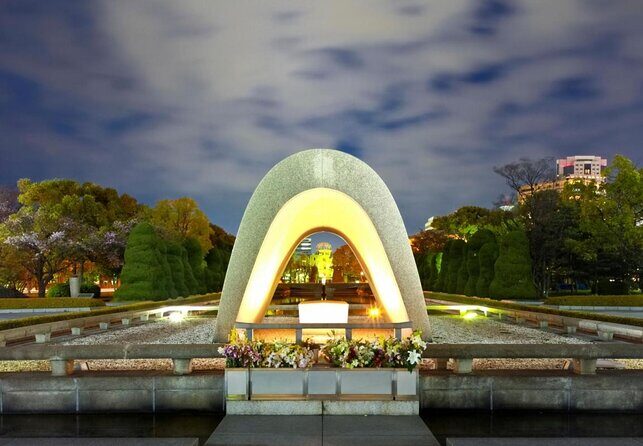
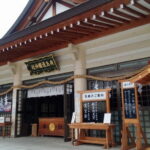
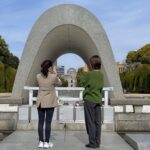
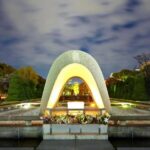
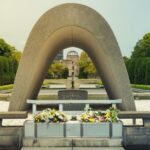
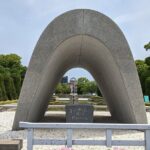
The tour begins by the Cenotaph for A-bomb Victims. One detail I appreciate is that this particular cenotaph was erected by volunteers of former executives and employees of Hiroshima Prefecture Chiho Lumber Co., Ltd. That adds a local, human scale right away. This isn’t a monument built from a distance. It’s tied to people who lived and worked here.
As you stand there, the tour frames the site as a place for remembrance, not a photo stop. You’ll also hear about the Flame of Peace as part of the same tribute area. Expect the guide to keep the focus on what the memorials stand for, including the cost paid in 1945.
What I like about starting this way: your brain switches modes early. You stop looking for a view, and you start looking for meaning. It also sets a tone of respect for everything that follows.
Atomic Bomb Dome and the “why it still matters” explanation
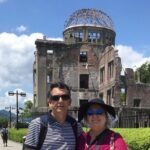
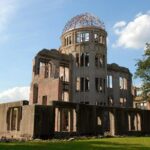
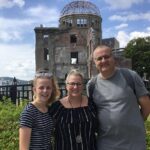
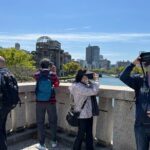
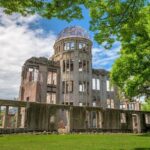
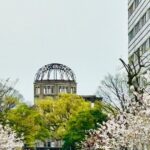
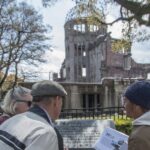
Next comes the Atomic Bomb Dome, a UNESCO World Heritage Site. This is the landmark you’ll see in posters and documentaries. But here, it’s not just an image. The guide helps you understand why the preserved structure became such a powerful reminder.
The tour includes guided time here, and you’re not just standing in front of it trying to guess what you’re looking at. The explanation connects the Dome to the larger story of the bombing’s impact and the long push for peace after the war.
A practical tip: plan for slow looking. The Dome is a single scene, but it prompts a lot of questions—how it survived, why it was kept, and what it symbolizes now. If you want to photograph without rushing, this stop gives you room to do both.
Clock Tower of Peace: time as a message
After the Dome, you’ll visit the Clock Tower of Peace. It’s only a short guided stop, but it plays an outsized role in the tour’s theme: peace isn’t passive. It’s something you build with attention.
This is also where the tour’s “symbol literacy” really shows. A clock reads as timekeeping to most visitors, but in Hiroshima’s Peace Park it’s treated as a message about the future—what humanity chooses to do with memory.
If you like historical sites explained in simple language, you’ll probably enjoy this stop. It’s short, clear, and designed to move you forward through the park’s narrative.
Ringing the Peace Bell at the Bell of Peace
One of the most memorable moments on the walk is the Bell of Peace (Peace Bell). The tour includes time at the bell, and it’s described as a symbol of hope and world peace. In practice, that means you’re not only hearing about peace—you’re doing a small action that makes the message feel personal.
There’s also something calming about the structure of this part of the tour. You move through heavy memorial spaces, then you reach the bell, and the emotional tone shifts—without erasing the tragedy. It’s the kind of balance good guides aim for: remember clearly, hope honestly.
Other walking tours we've reviewed in Hiroshima
Korean Atomic Bomb Victims Cenotaph: a wider view of loss
The walk also includes the Korean Atomic Bomb Victims Cenotaph. This matters because it refuses to reduce the story to one national frame. The guide’s explanation helps you understand that the bombing’s consequences affected many people, not only those who fit the most common retelling.
This stop is also a good example of why the tour is better than wandering. If you don’t know where to look, it’s easy to miss these memorials. Even visitors who are confident about the major landmarks can overlook these side sites.
You’ll likely feel the difference most when the guide slows down the story. These are not monuments that ask for quick attention. They ask for respectful listening.
Children’s Peace Monument: Sadako Sasaki and the cranes
Then you reach the Children’s Peace Monument, where the tour focuses on the story of Sadako Sasaki and the thousand paper cranes. The cranes aren’t treated as a cute legend. They’re presented as an expression of perseverance and a wish for healing and peace.
This stop is a major reason families often book this tour. It gives the tragedy a human scale through childhood, illness, and hope. If you’ve ever seen paper cranes in travel photos, this is where you learn the deeper meaning.
I also like that the guide ties this section back to the rest of the park. The cranes connect emotionally to the Peace Bell’s message. Memory becomes hope. Hope becomes a responsibility to act.
Hiroshima National Peace Memorial Hall and Prayer Fountain: context you can’t skip
The tour continues at the Hiroshima National Peace Memorial Hall and includes time at the Prayer Fountain. These stops shift you from symbols and monuments into interpretation.
The memorial hall gives you a more structured understanding of the events and their aftermath. The Prayer Fountain adds a quieter, reflective element—less about history facts and more about how people respond to grief and loss with prayer and remembrance.
If you plan your day well, this is where your understanding starts clicking. You see the memorials, you hear the stories, and then the hall helps you connect the dots.
Hiroshima Victims Memorial Cenotaph, plus other key tributes
Along the route you’ll also visit the Hiroshima Victims Memorial Cenotaph. The tour includes multiple cenotaphs, which can feel repetitive if you’re rushing. But with the guide’s pacing, each site lands differently because each points to a different group of remembrance.
The tour also lists memorials connected to major figures, including the Dr. Marcel Junod Memorial and the Norman Cousins Memorial Monument. You may not recognize these names instantly, but the guide’s job is to connect them to Hiroshima’s story—how international attention, advocacy, and witness helped shape the global conversation on the horrors of nuclear weapons.
If you’re the type who likes hearing how activism and medical care intersect with history, these name-check stops tend to be a highlight.
Hiroshima Peace Memorial Museum: artifacts and testimony with real weight
The most information-heavy moment is the Hiroshima Peace Memorial Museum. This is where the tour leans hard into exhibits, artifacts, and survivor testimonies.
It’s not just about knowing what happened. It’s about understanding what people endured and how the city processed that trauma over decades. Museum time is also where the tour earns its price, because the guide helps you choose what to focus on instead of getting lost in details.
A practical strategy if you’re planning your overall Hiroshima day: if you can, try to give yourself enough time that museum learning doesn’t feel like an afterthought. Some people like doing the museum context first, then the walking stops; others prefer the walk first, then the museum. Either can work. The key is to avoid doing the museum while your brain is still trying to orient.
Gates of Peace finish: you leave with a purpose, not just souvenirs
The tour ends at the Gates of Peace. It’s a strong finish because it turns the experience into something actionable. You’re not walking away with only facts—you’re leaving with a message.
This is also where you’ll hear how Hiroshima recovered and modernized after the war. The story doesn’t stop at 1945. The tour ties remembrance to rebuilding, and it includes notes about Hiroshima’s traditions, food, and contemporary landmarks. You’ll be better prepared to explore the rest of the city with more than just a list of sights.
Price and value: why $23 makes sense for this specific tour
At about $23 per person for a 2-hour walking experience, the value comes from four things you don’t get on a casual self-guided stroll:
- Expert, English/Urdu/Hindi guiding led by a PhD scholar level educator
- Small group size (up to 10), so you can ask questions without shouting
- Skip the ticket line, which matters when you’re trying to fit Hiroshima into a tight travel schedule
- Meaningful coverage of major sites and key memorials, including the museum and the child-focused monuments
If you’re in Hiroshima for just a day, this tour is a fast way to orient yourself emotionally and historically. If you already know the general outline, the guide’s interpretation helps you see what most people miss—especially the memorials that broaden the story beyond the headlines.
What to bring and how to get through a solemn, emotional walk
Plan for comfort first. Wear comfortable shoes. Bring water, sunscreen, and a hat, especially if you’re visiting on a hot or bright day.
Bring a camera if you want photos, but keep in mind this is a memorial space. The most respectful way to shoot is slowly, quietly, and only when it doesn’t block others.
The tour also notes that smoking isn’t allowed. Simple enough, but it’s good to know before you reach the park.
Finally: the route isn’t listed as unsafe for everyone, but it’s noted as not suitable for people with heart problems. If that applies to you, it’s worth choosing a lighter option.
Who should book this Hiroshima Peace Memorial Park walk?
This tour is a strong fit if you:
- Want an organized way to see the park’s most important memorials
- Prefer a guide who can answer history questions with clarity and respect
- Are visiting Hiroshima for the first time and want the story connected end to end
- Are traveling with kids or teens who can understand the Sadako and cranes theme
It may not be the best fit if you need a low-emotion, low-walking experience, or if you have concerns related to heart health.
One more detail I think you’ll appreciate: the guide names mentioned in recent experiences include people like Ghani and Shiraz (and similar names). That’s a hint that you’re likely to meet a consistent style of careful, respectful storytelling, with time for questions and a focus on how each memorial fits the larger peace message.
Should you book Walking Through History: Hiroshima’s Path to Peace?
Yes—if you want a structured, thoughtful way to understand Hiroshima’s Peace Memorial Park in only two hours, this is one of the best ways to spend your time.
Book it if you like your sightseeing with context, and you want the experience to carry meaning after you leave the park. Skip it only if you’re seeking something purely casual and light, or if the memorial pacing isn’t a good match for your health.
If you do book, show up with comfortable shoes, water, and an open mind. You’ll walk through the story—and you’ll understand why people call it a path to peace.
FAQ
How long is the Hiroshima walking tour?
The tour duration is 2 hours.
Where do I meet the guide?
The meeting point is the Atomic Bomb Dome in front of the Cenotaph erected by volunteers of Hiroshima.
What’s the price per person?
The price is $23 per person.
Which major sites are included on the tour?
The tour includes the Cenotaph for A-bomb Victims, Atomic Bomb Dome, Clock Tower of Peace, Bell of Peace, Korean Atomic Bomb Victims Cenotaph, Children’s Peace Monument, Hiroshima National Peace Memorial Hall, Hiroshima Victims Memorial Cenotaph, Hiroshima Peace Memorial Museum, Prayer Fountain, and Gates of Peace. It also lists the Dr. Marcel Junod Memorial and Norman Cousins Memorial Monument.
Are tickets or entry lines included?
You can skip the ticket line.
What languages are the live guides?
The live tour guide is available in English, Urdu, and Hindi.
Is the tour wheelchair accessible?
Yes, it is listed as wheelchair accessible.
What should I bring?
Bring comfortable shoes, a hat, camera, sunscreen, and water.
Are meals included?
No, meals and beverages are not included.
Who might want to avoid this tour?
It’s noted as not suitable for people with heart problems.