REVIEW · HIROSHIMA
Hiroshima Experience: History, Culture & Nature Tour
Book on GetYourGuide →Operated by Adina · Bookable on GetYourGuide
This city changes how you look at the world. You’ll walk Hiroshima’s most important sites—Peace Memorial Park and the Atomic Bomb Dome area—then shift to a samurai-era landmark and a calm traditional garden. It’s history you can see, culture you can feel, and nature that slows your pace.
My two favorite parts are the way Adina connects dates and locations to human stories, and the solid “hits in a short time” mix of peace, castle, and garden. You don’t just pass by famous spots—you understand what you’re looking at and why it matters.
One thing to plan for: it’s a walking tour that runs on a tight schedule, and timing can vary a bit. If you’re picky about photo time (especially for later departures), build in a little extra flexibility.
In This Review
- Key Highlights Worth Your Time
- A 2-Hour Route That Balances Heavy History With Real Recovery Time
- Gates of Peace to the Prayer Fountain: Start With the Right Mindset
- Hiroshima National Peace Memorial and the Children’s Peace Monument: Learning to Read the Site
- Bell of Peace and the Atomic Bomb Dome Area: Where Meaning Meets Visual Impact
- Hiroshima Castle: A Samurai-Era Reset After the Memorials
- Shukkeien Garden: Seasonal Beauty, Koi Ponds, and Quiet Paths
- Adina’s PhD-Style Storytelling in a Way You Can Actually Use
- Walking Tips and the Photo Reality of a Tight Schedule
- Price and Value: Why $19 Feels Reasonable for What You Get
- Who This Tour Suits Best (And Who Might Want Another Option)
- Should You Book This Hiroshima Experience?
- FAQ
- How long is the Hiroshima Experience tour?
- What places are included in the tour?
- Where does the tour start?
- What languages is the live guide available in?
- What should I bring for the walking route?
- Is the tour wheelchair accessible?
Key Highlights Worth Your Time
- Adina’s storytelling makes the August 6, 1945 events easier to grasp and remember
- Peace Memorial Park sequence gives you a clear path through the main memorials
- Atomic Bomb Dome area viewing helps you understand what you’re seeing at the scale of history
- Hiroshima Castle adds architecture and samurai-era context after the heavy memorial stops
- Shukkeien Garden offers a peaceful reset with seasonal beauty and koi ponds
A 2-Hour Route That Balances Heavy History With Real Recovery Time
Hiroshima can feel like two trips at once: one side is unforgettable and serious, and the other side is a living city with gardens, buildings, and daily quiet moments. This tour does a smart job of blending both. You’ll move from the memorial grounds to Hiroshima Castle, then end among the calm paths and ponds of Shukkeien Garden.
At $19 per person, the value comes from the guide. Without guidance, it’s easy to see impressive monuments and still miss the connections between them. With a guide like Adina—described as a PhD researcher—you get the “what does this mean” piece in a way that doesn’t turn into a textbook.
Also, it’s only two hours, so you won’t burn a whole day. Just keep in mind it’s not a slow museum-style pace. Expect steady walking and quick stops that still feel meaningful.
Other historical tours in Hiroshima
Gates of Peace to the Prayer Fountain: Start With the Right Mindset
The tour begins at the Gates of Peace, and that opening matters. The entrance sets a tone: this isn’t just sightseeing; it’s a place where people come to remember, reflect, and learn. In practical terms, starting here helps you orient your brain before you step deeper into the memorial area.
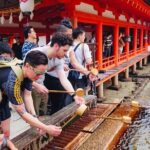
From there, you’ll move to the Prayer Fountain. This is the kind of stop that can feel small if you’re rushing, but with a guide you’ll likely catch why it’s placed where it is and how it fits into the memorial story. You’re being trained to look at details, not just headlines.
If you’re visiting for the first time, this early sequence is a gift. It gives you a framework so later monuments don’t feel like separate objects floating around a park.
Hiroshima National Peace Memorial and the Children’s Peace Monument: Learning to Read the Site
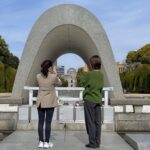
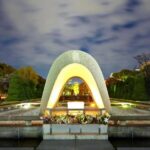
As you continue, the tour hits the Hiroshima National Peace Memorial and the Children’s Peace Monument. These stops are where the tour earns its reputation for being more than a checklist. You’ll learn about the events of August 6, 1945, and you’ll hear how Hiroshima’s journey to peace is explained through memorial choices and wording.
The Children’s Peace Monument is especially important because it makes the tragedy feel personal. Even if you’ve read about the bombing before, seeing how the message is directed toward the future can change how the story lands. It also helps you understand why this place isn’t only about the past—it’s about what people are trying to prevent.
This is also a good point in the walk to slow down mentally, even if you’re still moving physically. Give yourself a minute to take it in before you’re pulled forward to the next stop.
Bell of Peace and the Atomic Bomb Dome Area: Where Meaning Meets Visual Impact
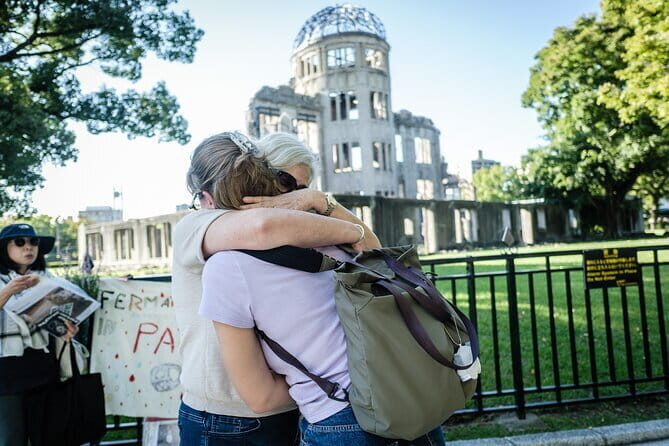
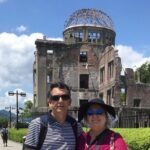
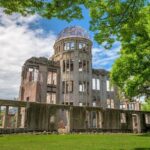
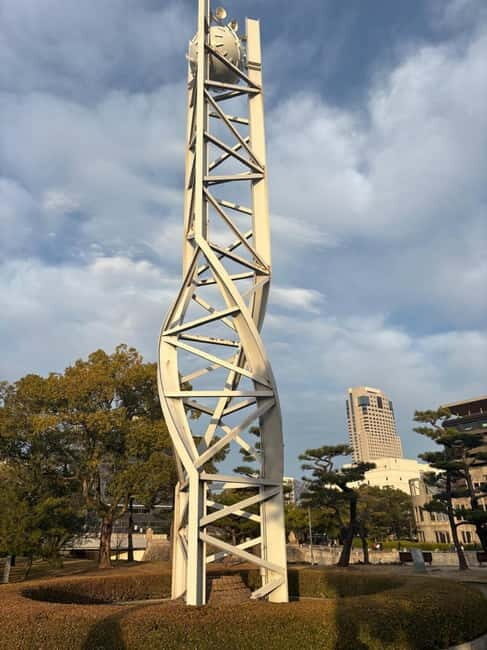
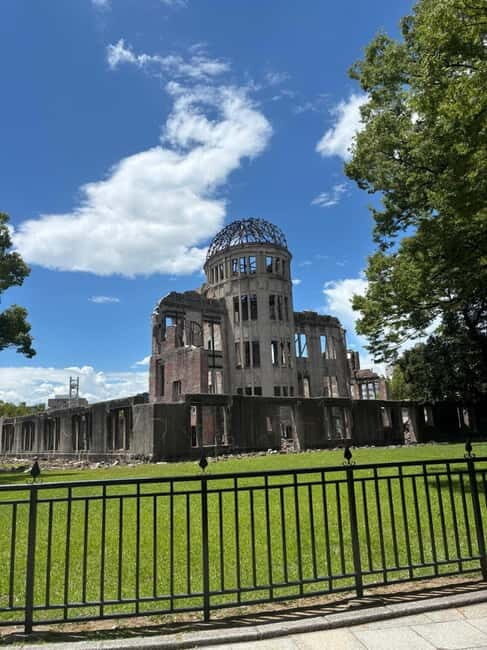
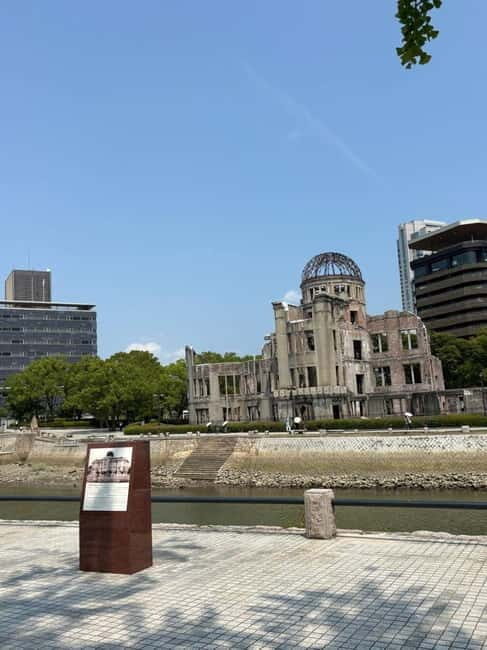
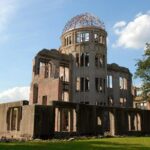
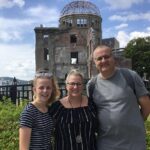
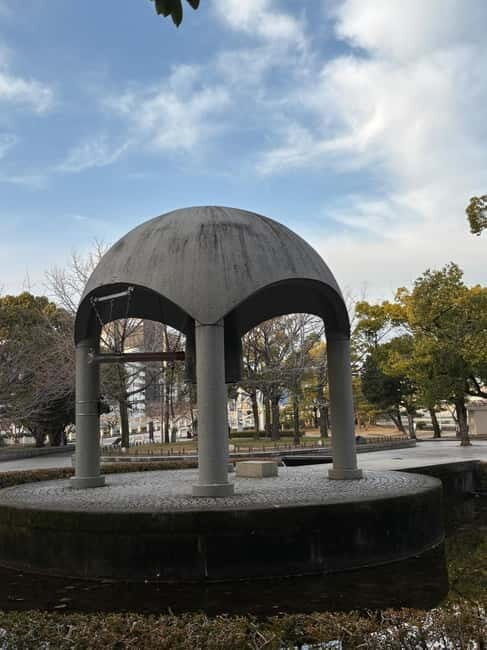
Next up is the Bell of Peace and then the Atomic Bomb Dome. The Dome is one of those landmarks where you can understand why it’s famous just by looking at it. The guide helps you go beyond the photo angle and connect the structure to the moment it represents.
Here’s what I think makes this portion powerful: the tour doesn’t treat the Dome as a standalone scene. It places you inside the memorial logic of Hiroshima—what is remembered, how it’s remembered, and what the site asks you to do with that knowledge.
At the Atomic Bomb Hypocenter Monument area, you’ll get a clearer sense of location and significance. It’s the kind of stop where the details matter, and the guide’s explanations help you avoid common confusion. Instead of feeling lost, you can follow a clear storyline.
One practical note: this part of the route can be busy, and it’s outdoors. Wear comfortable shoes and plan to move with the group rather than trying to stop and reposition constantly.
Hiroshima Castle: A Samurai-Era Reset After the Memorials
After the peace memorial stops, the tour shifts to Hiroshima Castle—and that change of pace is not accidental. The castle works like a mental breather while still staying in the theme of Japanese history. You’ll explore the castle’s background and architecture, including the fact that it was once home to samurai lords.
Even if castles aren’t usually your thing, I like this stop because it’s a different kind of “history reading.” Memorial parks ask you to reflect. Castles ask you to observe design, structure, and how power was expressed through buildings.
What to watch for: architectural details and how the site feels in the city. The castle doesn’t erase the earlier weight of the tour, but it puts you back into living time—people build, rebuild, and move on.
Shukkeien Garden: Seasonal Beauty, Koi Ponds, and Quiet Paths
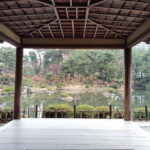
The ending in Shukkeien Garden gives you exactly what you need after the emotional intensity of Hiroshima’s memorial grounds. This is a traditional Japanese garden where you can slow down. You’ll see koi ponds, quiet paths, and seasonal beauty that changes the feel of the visit even if you’ve visited Japan’s gardens before.
This part of the tour is valuable because it’s not just pretty. It’s a reminder that Hiroshima is also a place where daily calm exists. After learning hard facts, you get to experience a space designed for pause.
If you’re a photographer, you’ll want to keep your expectations realistic. Gardens reward patience, and the tour timing is still tight. Still, even quick stops can produce good shots if you take your time when you reach the best pond and path viewpoints.
Adina’s PhD-Style Storytelling in a Way You Can Actually Use
A standout in this experience is the guide: Adina. The feedback on Adina consistently points to passion, respect, and deep knowledge—and you’ll feel that in how the tour is delivered. This isn’t history delivered like a lecture. It’s history shaped into a story you can carry with you afterward.
Because Adina is described as a PhD researcher, you can expect careful explanations rather than vague facts. That matters most at the memorial stops, where small wording and placement can change meaning. The guide also supports multiple languages—English, Hindi, and Urdu—so your explanations can stay clear even if you’re not an expert on Japanese history.
In short, Adina helps you avoid the common “I saw the places, but I’m not sure what I learned” problem. You come away with a sequence you understand.
Walking Tips and the Photo Reality of a Tight Schedule
This is a guided walking tour, so your comfort is part of the success. Bring comfortable shoes and water, and treat the schedule like a plan, not a promise.
One detail worth knowing: on at least one later-departure slot, the tour wrapped up earlier than the advertised two hours, and it was harder to get good photos. That doesn’t mean it’s bad—it just means you should plan your day with flexibility. If you have a strict photo deadline or another timed ticket right after, give yourself a cushion.
For photos, focus on what you can control:
- Pick a few anchor views (Dome area, key memorial spots, a garden pond) instead of trying to shoot everything.
- Don’t waste energy swapping gear mid-walk. Keep moving unless the guide signals a stop.
- In outdoor memorial areas, be ready for people in the frame. That’s normal, and rushing makes it worse.
If you want fewer stress moments, arrive early and keep your route around the stops simple. Then you can use the guide’s timing rather than fighting it.
Price and Value: Why $19 Feels Reasonable for What You Get
At $19 per person for about 2 hours, this is one of the more cost-effective ways to see big Hiroshima highlights with a human guide. You’re not just getting a single-site visit. You’re getting a connected route that covers peace memorials, Hiroshima Castle, and Shukkeien Garden.
The value isn’t only the places—it’s the interpretation. Peace sites need context. Gardens need pacing. Castles need observation. A guide ties the whole experience together so it feels like one trip rather than several random stops.
If you prefer self-guided travel, you can still do it. But if you want the meaning explained and you don’t want to spend your limited time in Hiroshima deciphering memorial logic alone, the guide is where your money goes.
Who This Tour Suits Best (And Who Might Want Another Option)
This tour fits well if you’re visiting Hiroshima for the first time and want a guided foundation fast. It’s also good if you like mixing “serious places” with calmer spaces, because the garden ending is a genuine reset.
You’ll likely enjoy it if you:
- Want a clear storyline about August 6, 1945
- Appreciate history explained in plain, respectful language
- Like a walking route that stays efficient
- Want a mix of history, culture, and nature
You might consider something else if you need lots of quiet time for lingering at each stop. This tour is designed to move. It can’t turn into a slow, personal wandering session at every landmark.
Should You Book This Hiroshima Experience?
I think you should book this tour if you want an organized, human-guided route through Hiroshima’s most important sites without spending your whole day piecing it together. The combination of Peace Memorial Park, Atomic Bomb Dome area, Hiroshima Castle, and Shukkeien Garden is a smart match for first-timers and time-crunched visitors.
Book it especially if you care about the explanations. The strongest payoff here is how Adina brings meaning to the monuments, and how the walk flows from remembrance to reflection to calm.
If you’re the type who hates moving quickly, plan your expectations. Wear comfortable shoes, bring water, and don’t schedule your next activity too tightly. With that, this is a powerful, fair-value way to experience Hiroshima.
FAQ
How long is the Hiroshima Experience tour?
It runs for 2 hours.
What places are included in the tour?
You’ll visit Peace Memorial Park, the Atomic Bomb Dome area, Hiroshima Castle, and Shukkeien Garden, along with the Peace Memorial Park memorial stops and the Atomic Bomb Hypocenter Monument area.
Where does the tour start?
The tour starts at the Gates of Peace.
What languages is the live guide available in?
The guide offers English, Hindi, and Urdu.
What should I bring for the walking route?
Bring comfortable shoes, a camera, and water.
Is the tour wheelchair accessible?
Yes, it is listed as wheelchair accessible.