REVIEW · HIROSHIMA
The Peace Memorial and Beyond: A Half-Day around Hiroshima
Book on GetYourGuide →Operated by Pinpoint Traveler · Bookable on GetYourGuide
Hiroshima makes you slow down and pay attention. This guided 4-hour walk pairs a visit to the sobering Atomic Bomb Dome with a lively stroll through Hiroshima’s shotengai, so you see how daily life continues. I also like that you get an English guide who can answer the tough questions clearly, with guides like Ken (Kensuke) and Alex leading this route in recent tours.
One thing to consider: this is four hours of walking with limited downtime, and meals and drinks are not included. If you’re sensitive to heat, plan your breaks with care and bring water.
In This Review
- Key things that make this half-day special
- A 4-Hour Walk That Puts Hiroshima in One Clear Line
- Meeting Point by Shukkeien Garden: Start Soft, Then Switch Gears
- Shukkeien Garden: The Calm You Actually Need First (or Last)
- Hondōri Shotengai: See Hiroshima’s Everyday Pulse
- Hiroshima Castle: Ruins, Reconstruction, and a Peaceful Park Frame
- Hiroshima Peace Memorial Park: A Guided Lens for the Heavy Moments
- Hiroshima Peace Memorial Museum: Where Details Stick
- Price and Value: What $66 Buys You in Real Terms
- Timing, Walking Pace, and Weather Reality
- Who Should Book This Half-Day Tour
- Booking Tips and Solo Traveler Notes
- Should You Book This Tour?
- FAQ
- How long is the Hiroshima half-day tour?
- What is the meeting point for the tour?
- Is the tour guided in English?
- What does the tour include?
- Are meals and drinks included?
- Does the price include transportation?
- Is the tour wheelchair accessible?
- Is this a private or small-group experience?
- What is the cancellation policy?
- What if I’m traveling alone?
Key things that make this half-day special
- Atomic Bomb Dome and Peace Museum focus: you don’t just look, you learn what you’re seeing.
- Shotengai street time: real Hiroshima street life, not just monuments.
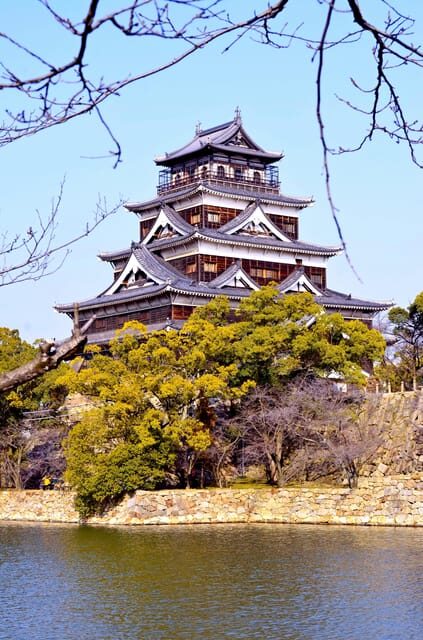
- Hiroshima Castle mix: ruins, reconstruction, and a calm park setting.
- Shukkeien Garden as a reset: quiet paths and careful design after heavier stops.
- English guide Q and A energy: guides like Ken (Kensuke) and Alex bring the story to life.
A 4-Hour Walk That Puts Hiroshima in One Clear Line
This tour is built for pacing your thoughts. You move through places that represent Hiroshima’s turning points and then through the everyday city rhythms that came afterward.
What I like most is the balance: you spend time on reflection without turning the whole day into a museum-only blur. Then you get street time, castle time, and finally a calmer garden moment that helps your mind catch up.
The group format is a private or small-group setup, and the guide’s English interpretation matters here. In Hiroshima, the details are the whole point.
Other Peace Memorial Park tours in Hiroshima


Meeting Point by Shukkeien Garden: Start Soft, Then Switch Gears
You meet at the ticket gates in front of Shukkeien Garden. It’s a smart place to begin because it immediately sets a slower tempo, like putting your feet on the ground before you start walking through heavier history later.
From there, the day follows a walkable flow through major sights. Since transportation to and from the starting point isn’t included, arriving a bit early helps you settle in and find your meeting spot without stress.
Comfort matters. Bring comfortable walking shoes because you’re on your feet for several legs of the tour.
Shukkeien Garden: The Calm You Actually Need First (or Last)
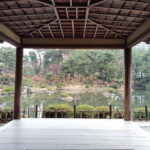
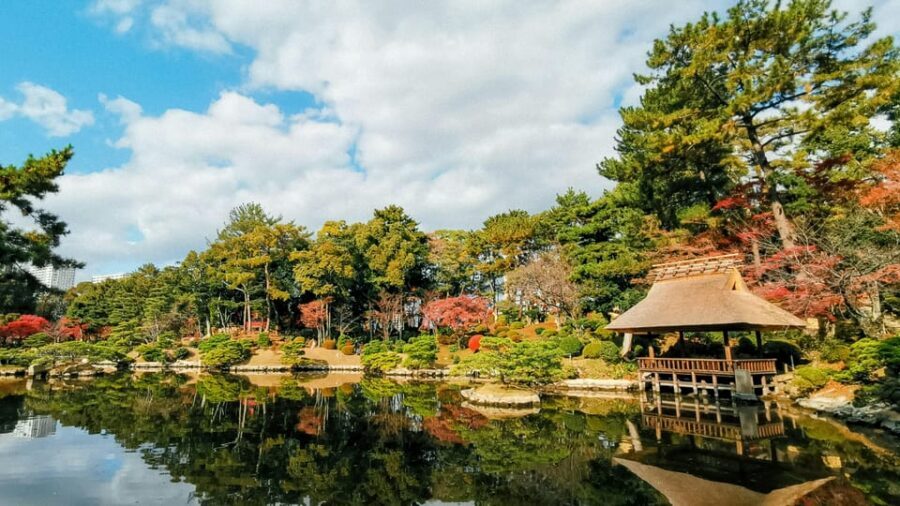
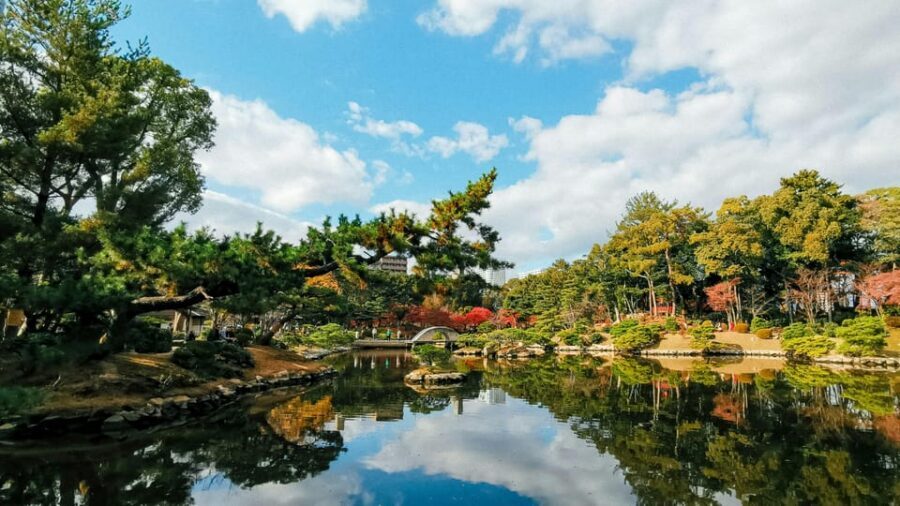
Shukkeien Garden is allotted about 45 minutes, guided. This is not a quick photo stop; the value is having someone point out how the garden is arranged and why it feels so intentional.
The garden’s job is psychological as much as scenic. When you come from major memorial sites, a well-designed quiet space gives your brain a place to rest. When you visit earlier, it helps you approach the rest of the day with steadier attention.
A lot of visitors expect “pretty garden” and get that—but the better payoff is learning how carefully it’s made. You’ll likely walk at a gentle pace and get time to slow down and look.
If weather is hot or humid, the garden can feel like a relief, but it won’t erase the fact that you’re still walking overall. Plan your water and pace accordingly.
Hondōri Shotengai: See Hiroshima’s Everyday Pulse
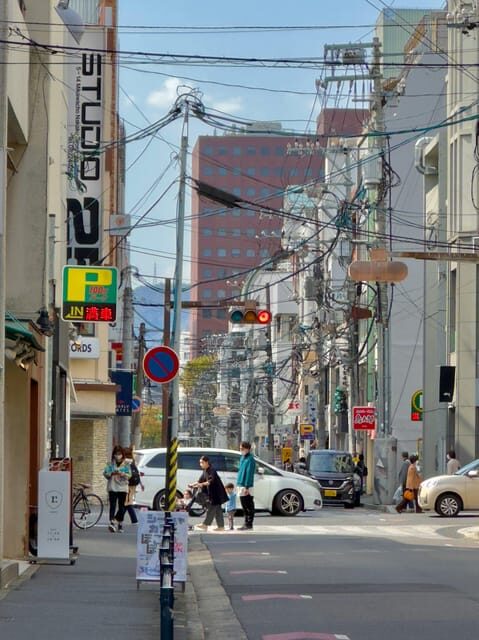
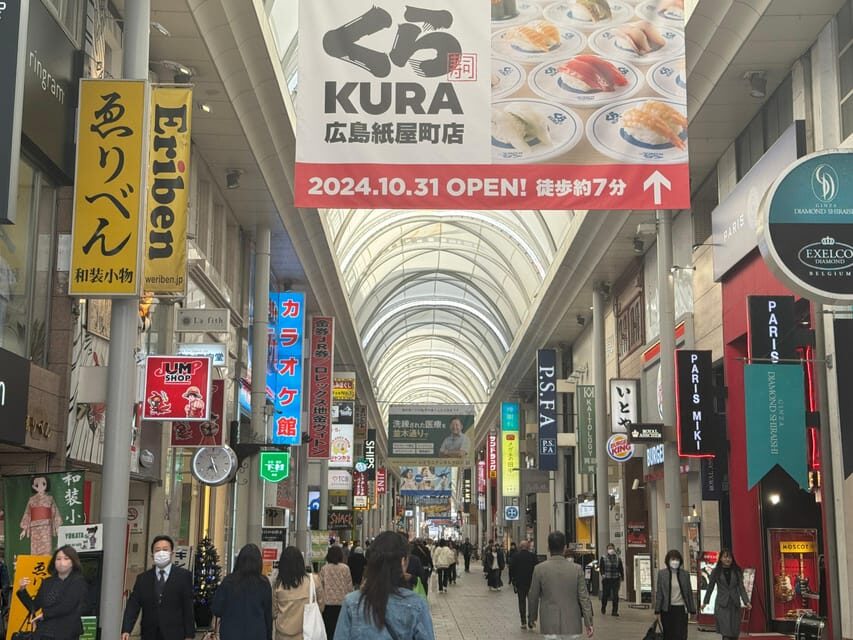
You spend about 30 minutes around Hondōri, part of Hiroshima’s lively shotengai tradition. This is where you get a more ordinary view of the city—shops, people moving through the day, and street energy that doesn’t feel like a performance for tourists.
This stop works because it changes your mental lens. After learning about what happened in 1945, seeing everyday commerce and casual street life helps you connect history to living reality.
Practical tip: keep your camera ready, but don’t let it replace noticing details. Watch how people move, how streets are organized, and what’s open and operating. Those small cues help you understand the city as a place, not a story only told through memorials.
If you want local snack time, this is the moment to plan for it—because meals and drinks aren’t included on the tour. Even if you don’t stop to buy anything, the street break is useful.
Hiroshima Castle: Ruins, Reconstruction, and a Peaceful Park Frame
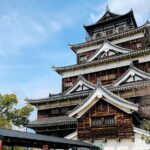
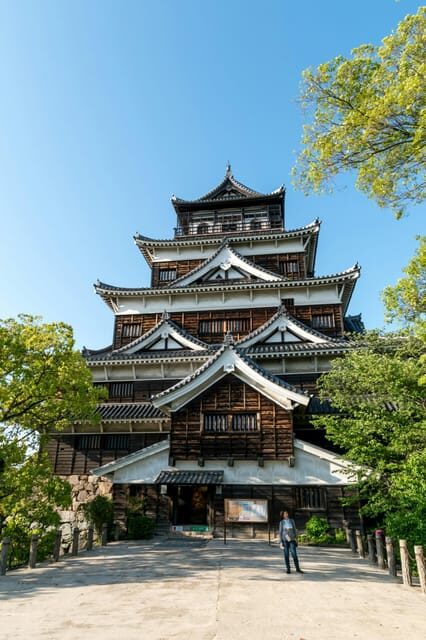
Next is Hiroshima Castle, about 45 minutes with a visit and guided explanation. The headline is that it’s a blend: historical ruins and modern reconstruction, set within a park-like environment.
This stop is valuable because it offers a different kind of lesson than the Peace Memorial area. You’re looking at how Hiroshima rebuilt and reasserted itself over time, not just how it survived a specific event.
The castle setting also gives you a change of rhythm. Even when the day is emotionally intense, this is a place where you can shift your focus toward form, location, and architecture. If you like viewpoints, pay attention to the sightlines your guide points out as you walk.
One caution: this is still part of a packed schedule. If you need long pauses or lots of seating, plan to take micro-breaks when the group stops for explanations.
A few more Hiroshima tours and experiences worth a look


Hiroshima Peace Memorial Park: A Guided Lens for the Heavy Moments
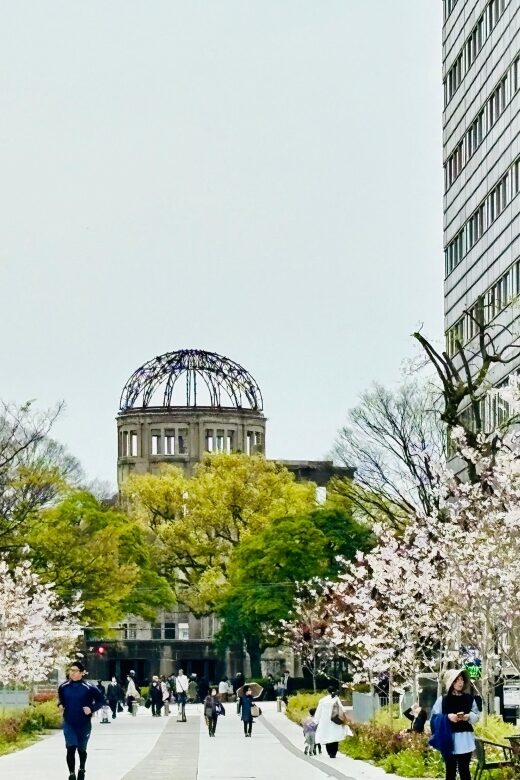
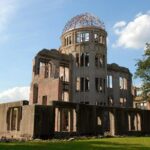
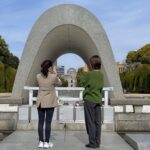
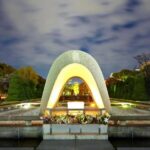
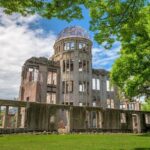
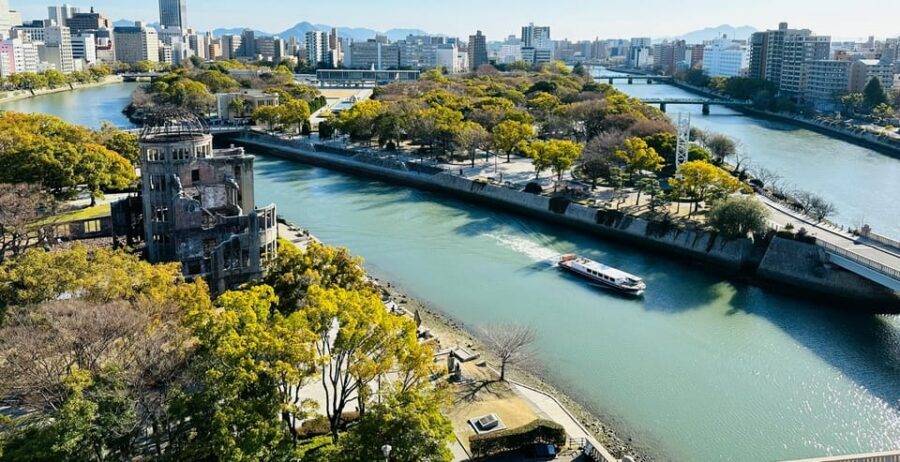
Your time at Hiroshima Peace Memorial Park is about 30 minutes with a guide. This is the heart of the experience, and your guide’s job is to help you understand what each landmark means without rushing you.
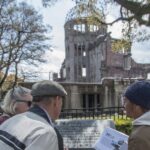
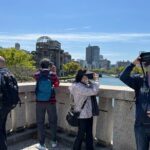
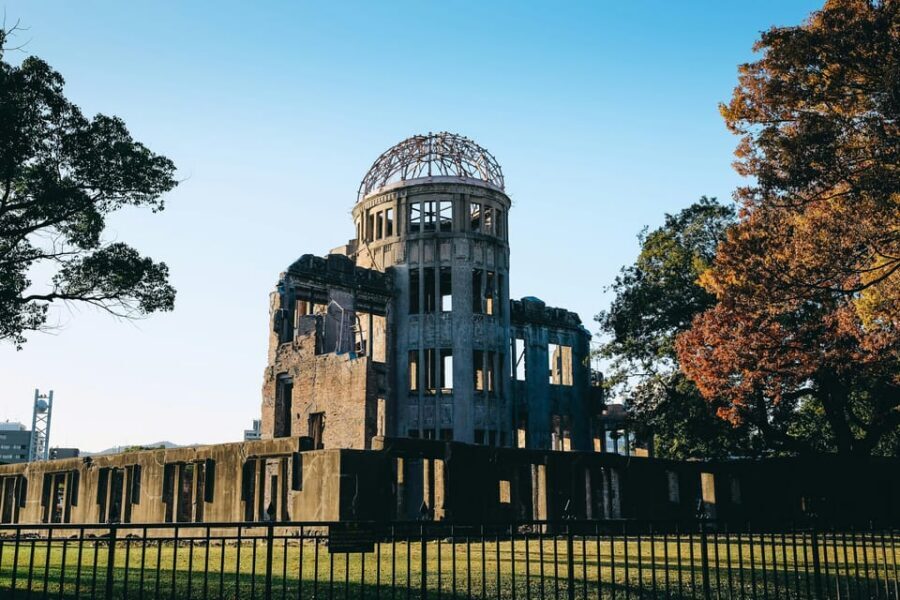
The Peace Park area centers your attention on the Atomic Bomb Dome and on the story told through the memorial grounds. The Atomic Bomb Dome is iconic, but it can also feel abstract if you don’t get the context. That’s why the guided portion matters so much here.
Respect is the baseline. You’ll want to keep your voice low, act thoughtfully, and avoid turning the visit into a casual stroll. If you’re the type who likes to quietly read plaques on your own, this tour still gives you structured guidance, but you may want to carry one expectation: the guide is there to guide the meaning first, then you can reflect.
Also, remember the tour is built for walking. Even if you feel like sitting, this is not a long sit-down memorial day. You’ll be moving through the space with intention.
Hiroshima Peace Memorial Museum: Where Details Stick
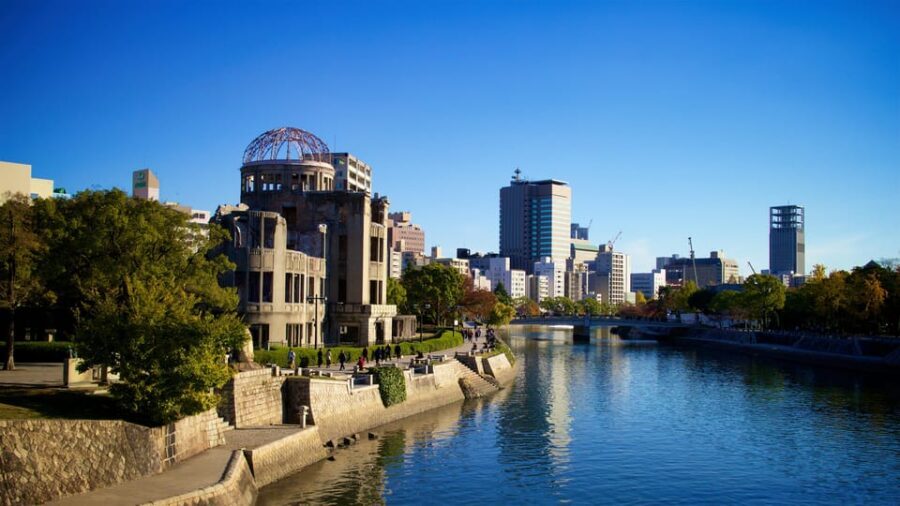
After the park, you visit the Hiroshima Peace Memorial Museum for about 45 minutes with a guided tour. This is where the story gets more specific—what happened, what was impacted, and what the city chose to remember and share.
One reason this stop gets high praise is the way guides translate complicated material into something you can actually hold in your head. In past tours led by guides like Ken (Kensuke) and Alex, the focus has included guided attention to areas that visitors might otherwise miss, such as the museum’s lower-level exhibits.
Here’s what to do to get the most value: choose your “one or two themes” before you walk in. For example, focus on how the exhibits explain the event itself, or on how they explain the city’s response and messaging. That simple move makes your 45 minutes feel less like information overload and more like real learning.
If you’re traveling with someone who wants to read everything, you may need to gently encourage a shared pace. The guide can keep you moving through the key points without making you feel lost.
If you leave wanting more, that’s normal. A 45-minute guided museum visit can’t replace a longer solo visit, but it can give you the emotional and factual structure that makes extra time later more meaningful.
Price and Value: What $66 Buys You in Real Terms
At $66 per person for about four hours, the price is fair when you look at what’s included. You’re paying for an English live guide, guided coverage of the Peace Memorial Park and Museum, plus guided time at Hiroshima Castle, a garden visit, and time moving through Hiroshima’s shotengai areas. Entrance fees are also included.
What you’re not paying for is meals and drinks, and transportation to or from the meeting point. That’s where you’ll want to plan on your own.
Is it worth it? For most people, yes—especially if you want someone to connect the dots at the Peace Memorial area. Hiroshima’s sites are powerful, but they’re also detailed. A guide helps you avoid the common problem of seeing important things but not fully understanding what you’re looking at.
If you’re the kind of traveler who loves reading every sign for a couple hours, you might prefer a self-guided approach and spend extra time at the museum. But if you want clarity quickly and you value conversation and Q and A, the guided half-day is a strong value.
Timing, Walking Pace, and Weather Reality
This tour runs about four hours, mostly walking. One review-style reality that matters for you: there isn’t much downtime built into the schedule. That means you should plan for heat, wind, rain, and your own energy level.
Bring water. Wear shoes that work on uneven pavement and long walks. If it’s extremely hot, take advantage of any short stop your guide calls for and pace yourself.
The good news is that the day has built-in variety: garden calm, street energy, castle grounds, then memorial areas. That variety makes the walking feel less monotonous, even if it’s still active.
If you’re traveling with mobility concerns, the tour is wheelchair accessible. Ask ahead about how the route will be managed on that day’s specific streets and surfaces.
Who Should Book This Half-Day Tour
This works best if you want a guided overview that still feels respectful and thoughtful. It’s a great fit for first-time visitors who want the key Hiroshima sites without wasting half a day figuring out where to go.
It also suits travelers who like questions. English speaking guides in recent tours, including Ken (Kensuke) and Alex, have emphasized clear explanations and direct answers rather than reading from a script.
It may not be ideal if you need lots of seated time or if you want total freedom to linger for as long as you want at the museum. For that style, you might book this as your orientation visit, then plan a longer return to the museum on another day.
If you’re short on time but determined to understand Hiroshima beyond the headline, this tour hits that sweet spot.
Booking Tips and Solo Traveler Notes
Two practical booking tips:
First, come with one day plan in mind. You’re not just visiting places; you’re walking through a storyline. If you arrive scattered, the guidance will help—but you’ll enjoy it more if you give yourself mental space.
Second, for solo travelers: the tour aims not to charge more for solo bookings, but if the minimum of two guests isn’t met for the tour, the operator may offer an alternate date, a solo supplement of 4000 yen, or a full refund. That’s a flexible setup, so you can book without locking in too much risk.
And yes, you can reserve now and pay later, which is helpful if your Hiroshima schedule is still in flux.
Should You Book This Tour?
Book it if you want a structured, English-guided walkthrough of Hiroshima’s core sites in about four hours. The best reasons are simple: you’ll get guided meaning at the Peace Memorial Park and Museum, and the day also includes everyday Hiroshima via the shotengai plus a calmer garden finish.
Consider skipping or pairing it with a longer independent plan if you know you want extra museum time on your own or if you struggle with long walks and limited sitting.
Overall, this is a strong half-day choice for travelers who want to leave with understanding, not just photos.
FAQ
How long is the Hiroshima half-day tour?
The duration is 4 hours.
What is the meeting point for the tour?
You meet at the ticket gates in front of Shukkeien Garden.
Is the tour guided in English?
Yes, the live tour guide speaks English.
What does the tour include?
It includes guided visits of Hiroshima Peace Memorial Park and Museum, a visit to Hiroshima Castle, a stroll through Shukkeien Garden, exploration of Hiroshima shotengais, and entrance fees.
Are meals and drinks included?
No. Meals and drinks are not included.
Does the price include transportation?
No. Transportation to and from the starting point is not included.
Is the tour wheelchair accessible?
Yes, the tour is wheelchair accessible.
Is this a private or small-group experience?
It offers private or small groups.
What is the cancellation policy?
You can cancel up to 24 hours in advance for a full refund.
What if I’m traveling alone?
The tour aims to never charge more for solo travelers, but if the minimum of 2 guests is not met, the operator may offer an alternate date, a 4000 yen solo supplement, or a full refund.