REVIEW · HIROSHIMA
Hiroshima Peace Memorial Park: A Guided Tour
Book on GetYourGuide →Operated by Shera Alvi · Bookable on GetYourGuide
History hits hard in Hiroshima. This 2-hour guided walk through Hiroshima Peace Memorial Park is a direct, English-led way to see the biggest memorial sites, with Shera Alvi (often spelled Sheraz) guiding you through what each place means. With a small group capped at 10, you get a pace that doesn’t feel rushed.
I especially like the way the tour connects the Atomic Bomb Dome to the museum and memorials, so you’re not just looking at sights—you’re getting the story behind them. The main consideration: it’s still a walking tour through the park, and it’s not suitable for children under 6 or people with heart problems, plus food isn’t allowed on the route.
In This Review
- Key Highlights You’ll Feel Immediately
- A 2-Hour Walk Through Hiroshima That Actually Makes Sense
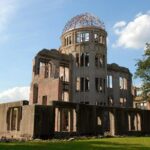
- Starting at the Atomic Bomb Dome (and Getting Your Bearings Fast)
- Clock Tower of Peace and Bell of Peace: Small Landmarks With Big Meaning
- The Cenotaph and Peace Flame Pause: Where the Tour Slows Down
- Children’s Peace Monument: A Different Lens on the Same Tragedy
- Korean Atomic Bomb Victims Memorials and Stories of Mobilized Students
- Hiroshima Peace Memorial Museum and National Peace Memorial Hall: Learning Without Feeling Lost
- What You Should Bring (and What You’ll Wish You Read First)
- Price and Value: Why $19 Can Feel Like a Bargain Here
- Should You Book This Hiroshima Peace Memorial Park Tour?
- FAQ
- FAQ
- Where do we meet for the Hiroshima Peace Memorial Park tour?
- How long is the tour?
- Is the tour guided in English?
- What is the maximum group size?
- Is the tour wheelchair accessible?
- Can I take photos during the tour?
- Is food allowed on this tour?
- Is this tour suitable for children?
- What should I bring, and is it safe if I have heart problems?
Key Highlights You’ll Feel Immediately
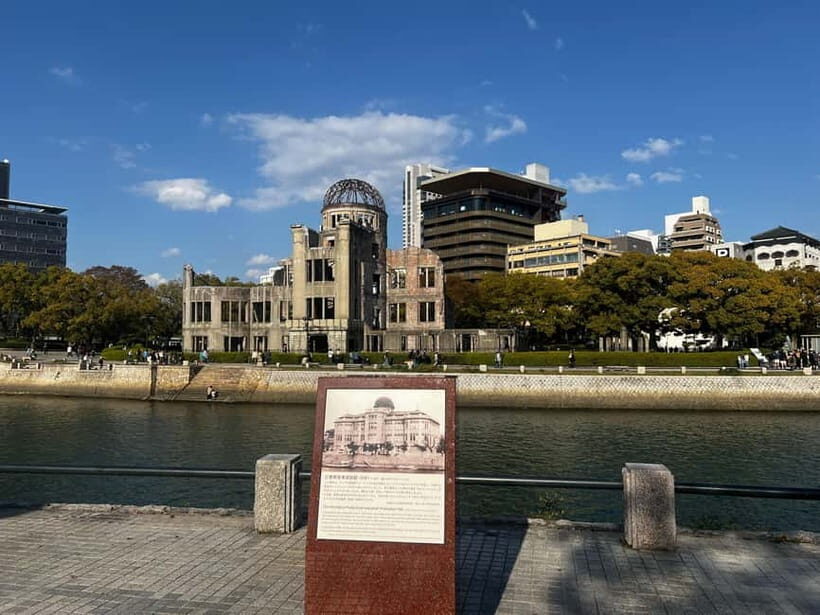
- Atomic Bomb Dome first with about 20 minutes of guided time right at the center of it all
- Clock Tower of Peace, Bell of Peace, and other park landmarks handled as a clear walking route
- Cenotaph for the A-bomb Victims and the Peace Flame built-in to slow you down
- Children’s Peace Monument focused on the young victims and what remembrance looks like
- Korean Atomic Bomb Victims Memorials and the Memorial Tower to Mobilized Students for broader stories
- Shera Alvi’s small-group approach, with an easy pace and time to absorb what you’re seeing
A 2-Hour Walk Through Hiroshima That Actually Makes Sense
Hiroshima Peace Memorial Park is the kind of place where you can wander for hours and still feel a bit lost. This tour works because it’s only 2 hours, so it pushes you to stay focused on the key sites and what each one is trying to communicate.
You’re also traveling with a live English guide, and the group is limited to 10 people. That matters here. Large crowds make memorials feel louder than they need to be, while a small group helps the guide keep an attentive tone and adjust the pace.
The best part is that the tour doesn’t treat the park as a checklist. It guides you from the main symbol of August 6, 1945 (the Atomic Bomb Dome) to the Peace Memorial Museum, then into multiple memorials and monuments that each cover a different slice of the tragedy and its aftermath. It’s a lot of heavy material—but organized heavy material is easier to hold.
Other Peace Memorial Park tours in Hiroshima

Starting at the Atomic Bomb Dome (and Getting Your Bearings Fast)
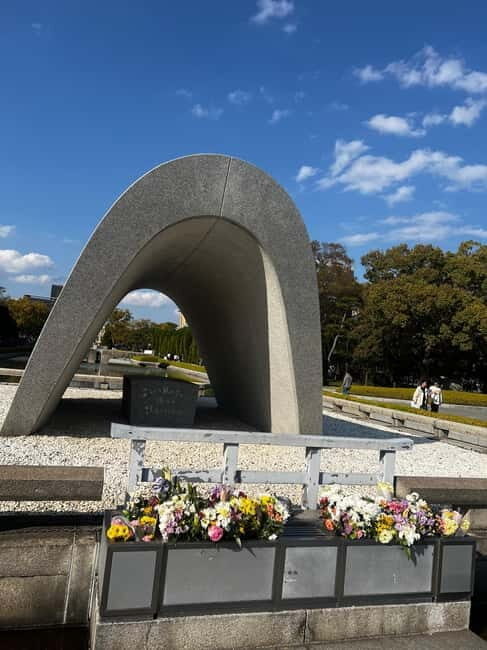
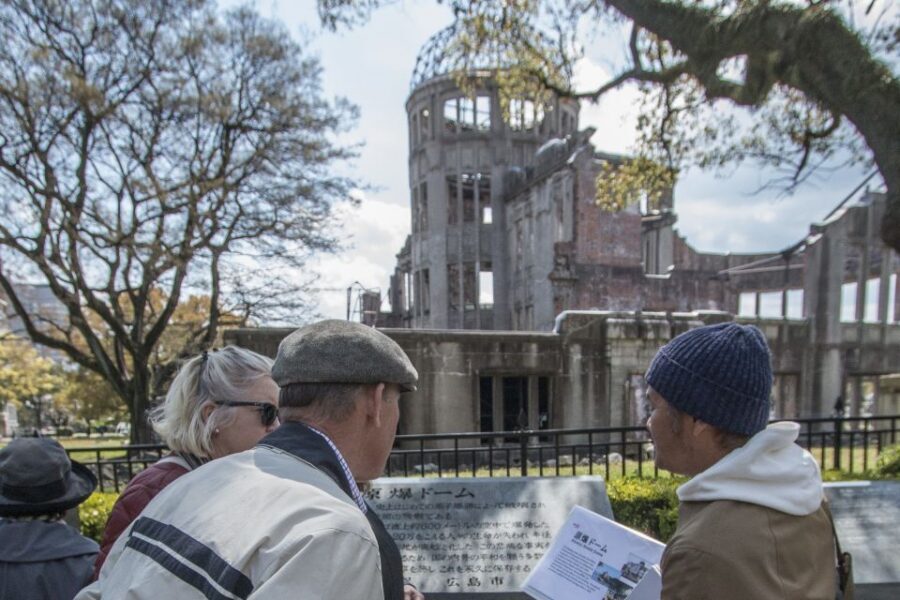
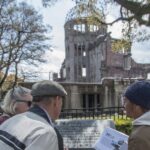
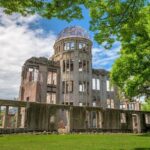
You meet at the Atomic Bomb Dome, with the coordinates 34.395483, 132.453592. Starting here is smart. The Dome is the anchor sight of the park, and once you understand what you’re looking at, the rest of the memorials make more sense.
Expect about 20 minutes of guided time at the Dome. That’s long enough to look closely, ask questions, and not feel like you’re sprinting through. Photography is allowed, so bring a camera even if you think you won’t want one—sometimes you’ll want a visual reminder later.
This first stop also sets the tone. You’re not just sightseeing. You’re entering a space designed for remembrance, and the guide’s introduction helps you look with care rather than rush. A number of people mention that Shera/Sheraz pays attention to the group and gives clear directions right from the start—useful when you’re new to the area.
Clock Tower of Peace and Bell of Peace: Small Landmarks With Big Meaning
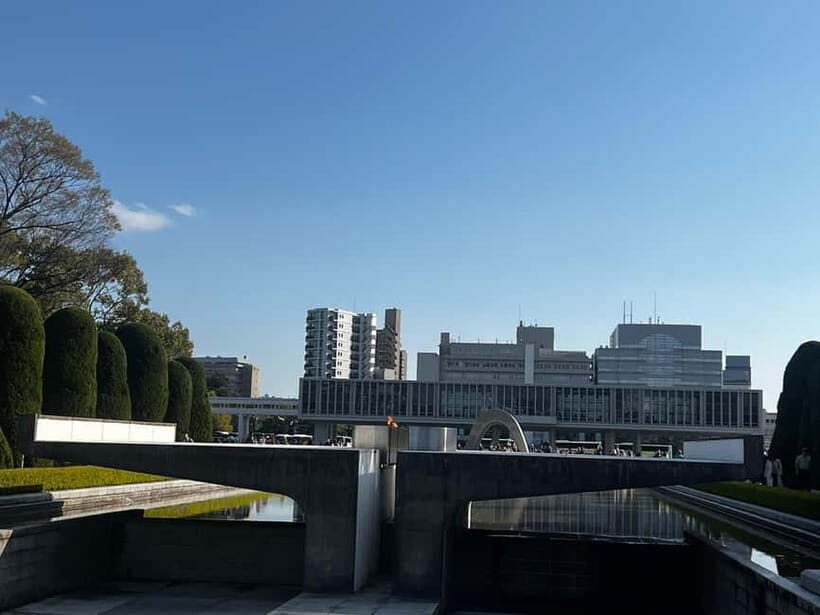
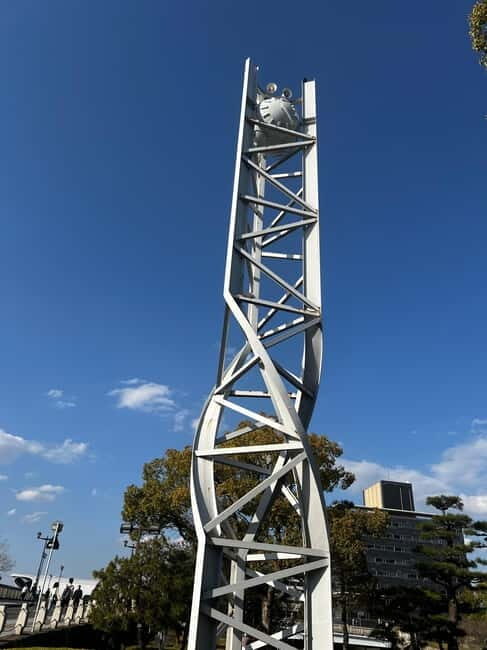
After the Dome, the tour moves through the park’s key landmarks, including the Clock Tower of Peace and the Bell of Peace, Hiroshima. Each gets about 10 minutes of guided time.
What I like about this pacing is that it gives you a little breathing room. Memorial sites can blur together if you don’t have a guide to separate them. With these stops, you’re building a mental map: where you are in the park, what the landmark represents, and how it connects to the larger story.
The clock-and-bell theme works especially well because it’s less abstract than you might expect. You’re not only hearing facts; you’re also watching how the park’s design encourages reflection. Even if you don’t read every plaque, the guide’s explanation helps you connect the physical landmark to its purpose.
If you’re sensitive to loud spaces or crowded paths, having the tour’s small group size can help you move at a calmer pace. You’ll still be around other visitors, but you won’t be dragged through it by a huge crowd.
The Cenotaph and Peace Flame Pause: Where the Tour Slows Down
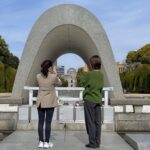
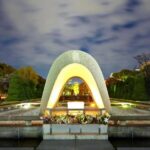
One of the most important parts of the experience is the stop at the Cenotaph for the A-bomb Victims and the Peace Flame. This is where the tour shifts from learning to remembering in a more personal way.
The Cenotaph stop is guided and includes time to reflect. The guide also frames it as a solemn tribute to those who lost their lives. With memorials like this, the value isn’t information overload—it’s the permission to stop and absorb.
Then you move to the Peace Flame, a symbol connected to a nuclear-free world. That’s a meaningful detail because it changes the “feel” of the tour. You’re not stuck only in the past. You’re looking at what remembrance is meant to influence.
In practice, this is where I’d recommend you slow your pace, put your phone away for a moment, and let the guide’s words do their job. It’s not a “quick photo stop” moment. This is the part most likely to linger with you long after the 2-hour walk ends.
Children’s Peace Monument: A Different Lens on the Same Tragedy
Next comes the Children’s Peace Monument, which is dedicated to young victims. It’s an essential stop because it changes the perspective from general history to lived human loss.
The tour gives you guided time here (about 10 minutes). That’s enough to understand what the monument is meant to represent, and then to stand back and look without being rushed.
What I like is that the tour doesn’t treat this as a detached side story. It places the Children’s Peace Monument in the same overall route as the Cenotaph and the Peace Flame. That connection matters. It turns remembrance into a chain: the past is explained, the victims are named through memorials, and the hope for a nuclear-free future sits in view.
If you’re traveling with family, double-check the age suitability. The tour isn’t suitable for children under 6, and the content is emotionally heavy. For older kids who can handle serious topics respectfully, a guided approach like this can help them process what they’re seeing.
Other guided tours in Hiroshima

Korean Atomic Bomb Victims Memorials and Stories of Mobilized Students
The tour includes memorials that broaden the scope of remembrance beyond one group of victims. You’ll see the Korean Atomic Bomb Victims Cenotaph and also the Memorial Tower to Mobilized Students, which includes remembrance for Korean Atomic Bomb Victims as well.
These stops each get guided time (with the Korean Cenotaph at about 10 minutes, and the Mobilized Students story appearing as part of the longer memorial segments). The value here is clarity. Without guidance, it’s easy to miss how these memorials fit into the larger narrative.
This portion of the experience is especially useful if you want the tour to feel more complete. Hiroshima isn’t only one story, and the park is structured to hold multiple strands of remembrance. The guide ties those strands together so you’re not left guessing.
Also, this is another reason the small group format helps. You’ll likely spend time looking at names or inscriptions, and you want the space to do that thoughtfully. A calm pace helps you read, reflect, and then move on without feeling like you’re being shoved along.
Hiroshima Peace Memorial Museum and National Peace Memorial Hall: Learning Without Feeling Lost
After several memorial stops, you shift into indoor learning with the Hiroshima Peace Memorial Museum and the Hiroshima National Peace Memorial Hall. The museum is included as a guided visit with a shorter guided block (about 10 minutes in the flow), and the national hall is included with about 20 minutes of guided time.
Here’s what makes this valuable: the guide helps you understand the events of August 6, 1945 and the aftermath in a way that fits what you just saw outside. You’re not bouncing between unrelated topics. The park’s architecture and memorials prepare you for what the museum explains.
A practical note: museum time can feel rushed if you expect to read every single detail. The tour’s guided time is designed to give you enough structure to understand what you’re looking at, not to turn you into a full-time historian. If you want to go deeper later, you’ll have a stronger sense of what matters most.
Then there are smaller, quieter stops—like the Prayer Fountain and the park’s gates—later in the route. You end at the Gates of Peace, which gives a clear finish line, and helps your brain land the experience rather than drifting off afterward.
What You Should Bring (and What You’ll Wish You Read First)
This is a walking tour through the park. So wear comfortable shoes and plan for steady walking over different surfaces. The tour also includes time at multiple stops where you’ll likely be standing and looking for longer stretches.
Bring:
- Comfortable shoes
- Camera (photography is allowed)
- Water
Food is not allowed. That means you should plan hydration and timing so you’re not hungry or thirsty mid-route. Since it’s 2 hours, snack timing matters less than water timing.
The park asks for respectful behavior at memorial sites, which is reasonable and necessary here. You don’t need to be stiff or solemn on command, but you do need to treat the spaces as places of remembrance, not photo backdrops.
One more important consideration: it’s not suitable for people with heart problems. If you have a medical concern that affects walking, this is worth taking seriously even though the tour is only 2 hours.
Price and Value: Why $19 Can Feel Like a Bargain Here
At $19 per person for a 2-hour guided experience, this can be good value—mainly because the tour covers a lot of high-impact sites in a structured route.
You’re getting:
- a live English guide,
- a small-group format (max 10),
- guided time at the major memorial landmarks,
- and visits that include the Dome, museum, and multiple memorials.
If you were to do this on your own, you’d probably spend time figuring out where to go and what each place is meant to represent. Here, you spend your energy looking and thinking, not navigating.
Also, the guide’s style matters. People highlight that Shera/Sheraz is attentive, informative, and gives clear directions at the meeting point. The pacing also seems designed to avoid information overload, with time for you to absorb what you’re learning.
If your travel style is “I want the highlights, but I want them explained,” this price can work well.
Should You Book This Hiroshima Peace Memorial Park Tour?
Book this tour if you want a straightforward, guided route through Hiroshima’s most significant memorial sites without getting tangled in details. It’s especially a good choice when you’re short on time in the city but still want to understand what the Dome, museum, cenotaph, Children’s Peace Monument, and the Peace Flame represent.
Skip it or reconsider if:
- you can’t handle walking through the park,
- you’re traveling with children under 6,
- or you have heart-related concerns.
One more decision tip: if you’re the type who likes to understand what you’re seeing before you take photos, you’ll likely appreciate the guide’s structured flow and short, focused stops. If you prefer long self-guided reading time, you might want extra time on your own after the tour.
FAQ
FAQ
Where do we meet for the Hiroshima Peace Memorial Park tour?
You meet at the Atomic Bomb Dome. The coordinates are 34.395483, 132.453592.
How long is the tour?
The tour lasts 2 hours.
Is the tour guided in English?
Yes, the tour includes a live English-speaking guide.
What is the maximum group size?
The group is limited to 10 participants.
Is the tour wheelchair accessible?
Yes, it is wheelchair accessible.
Can I take photos during the tour?
Yes, photography is allowed.
Is food allowed on this tour?
No, food is not allowed.
Is this tour suitable for children?
It is not suitable for children under 6 years old.
What should I bring, and is it safe if I have heart problems?
You should bring comfortable shoes, a camera, and water. The tour is not suitable for people with heart problems.