REVIEW · HIROSHIMA
Half-Day Hiroshima Highlights Tour
Book on Viator →Operated by Snow Monkey Resorts Tours (Machinovate Japan Ltd.) · Bookable on Viator
A city this heavy deserves good context—and this tour delivers it in 4 hours. I like how the route connects castle-town origins to atomic-bomb remembrance without feeling like a history lecture. I also like that you get a real walk through the Peace sites, not just photo stops.
You’ll especially appreciate the Shukkei-en Garden stop, where the pace cools down after the morning movement and gives you a calm break. Then the tour shifts gears to the Peace Memorial Park and Museum, where the guide helps you make sense of what you’re seeing.
One thing to consider: this is a guided walk with set timing, so if you want unlimited free roaming or extra time at just one place, you may feel a bit constrained.
In This Review
- Key points before you go
- Why this half-day route works (and what you’ll actually learn)
- Meeting Hiroshima’s story at Shukkei-en Garden
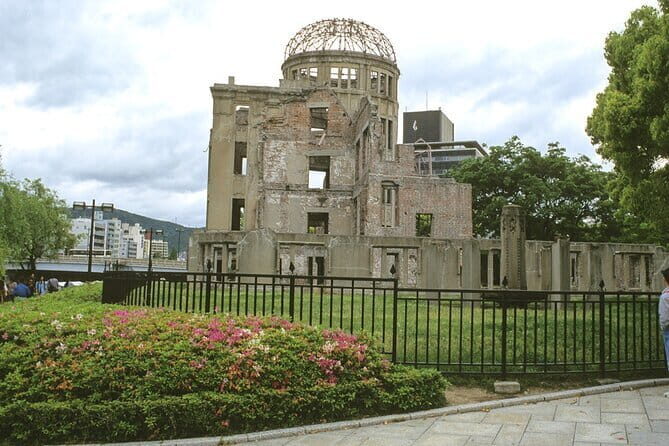
- Peace Memorial Park: ruins you can name and understand
- Hiroshima Peace Memorial Museum: personal artifacts that hit harder
- How the guide makes or breaks the day
- Group size, pacing, and timing: the practical side
- Value for the price: what $107.50 really covers
- Who should book this tour (and who might want something else)
- Before you go: simple expectations to set
- Should you book this half-day Hiroshima highlights tour?
- FAQ
- What’s the duration of the Half-Day Hiroshima Highlights Tour?
- Where does the tour start?
- What are the main stops on the tour?
- Are entry fees included?
- Is the tour guide available in English?
- Does the price include transportation between stops?
- What’s included besides the guide and entry tickets?
- Is lunch included?
- Will I get a ticket on my phone?
- What’s the group size?
- What’s the cancellation policy?
Key points before you go
- Small group feel (max 15): easier questions, less crowding at key viewpoints.
- Entry fees included at every main stop, so you’re not juggling tickets mid-day.
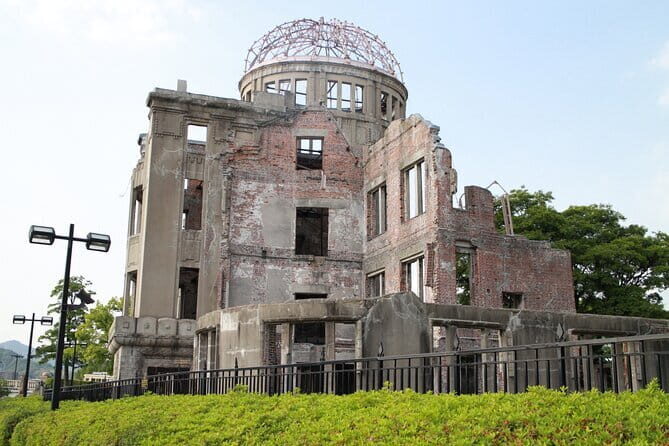
- Peace sites are handled respectfully with time at both the ruins area and the museum.
- Origami paper cranes add a simple, meaningful touch to remembrance.
- Time for photos is built into the experience, not rushed through.
- Public transport connections between stops keep it simple and efficient.
Why this half-day route works (and what you’ll actually learn)
Hiroshima can be confusing at first glance: you see modern streets, quiet neighborhoods, and then suddenly you’re standing near places that define a global turning point. This half-day format makes that connection easier because it’s built around three different lenses—beauty and origins, historic impact, and human memory.
The big win is the way the tour organizes the story. You start in a garden that helps you understand Japanese aesthetics and the city’s older identity. Then you move into the Peace Memorial Park area with specific ruins and named sites, so the landscape has a timeline. Finally, the Peace Memorial Museum anchors everything in personal evidence—things people owned, left behind, and kept through decades of documentation.
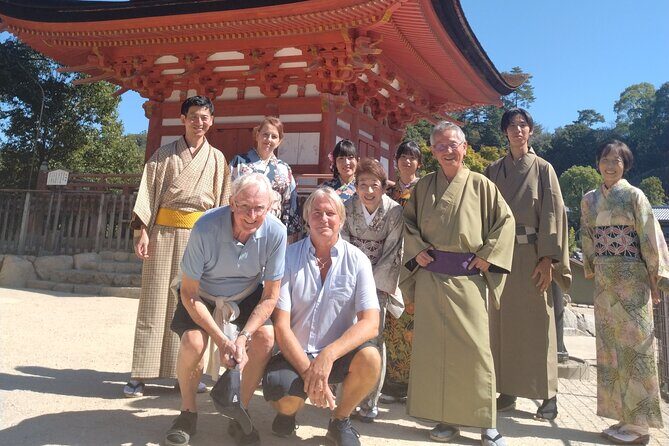
The best part for me is that it’s not just facts. With an English-speaking guide (and guides such as Subaru or Isabella mentioned in feedback), you get help reading the spaces. That matters in Hiroshima, where the meaning isn’t always obvious at ground level.
And yes, the tour includes entry tickets and transportation between activities by public transit, so you don’t lose time figuring stuff out.
Other Hiroshima highlights tours in Hiroshima
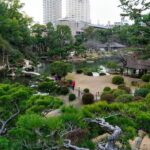
Meeting Hiroshima’s story at Shukkei-en Garden
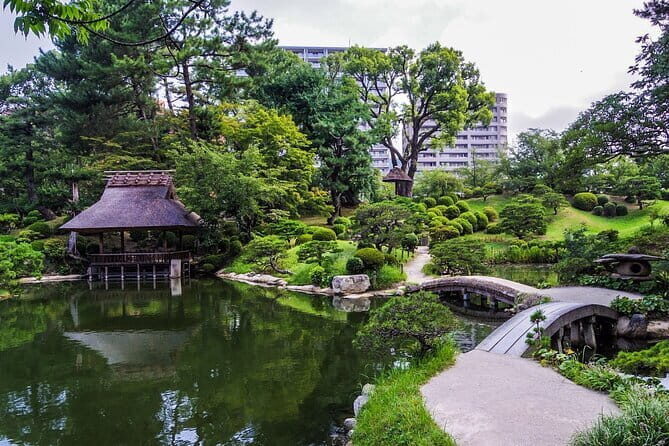
Shukkei-en is where the tour slows you down. You’ll meet your guide near Hiroshima Station at Hiroshimaekiminamiguchichikahiroba Information Center, 9-1 Matsubarachō, Minami Ward, Hiroshima. From there, you head toward your first stop with brief city context as you go.
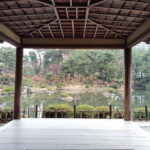
Once you reach the garden, you’ll have about one hour inside. This isn’t a throwaway “quick photo” moment. The garden stop gives you a sense of the older, more traditional side of Hiroshima—before the tour asks you to confront the city’s modern history.
What I like about starting here is the contrast. Gardens teach you how to notice details: paths, seasonal plantings, and the way water and stone can shape atmosphere. That skill becomes useful later when you stand in the Peace area and realize you’re not just looking at ruins—you’re interpreting a carefully preserved memory landscape.
You’ll also get a small, reflective extra: the tour includes origami paper for paper cranes. You can treat this as a quiet activity during the day’s emotional beats, rather than another item to carry around.
One practical note: because it’s a walking tour format, wear shoes that can handle uneven garden paths. It’s not a hiking route, but your comfort will help you enjoy the time you’re given.
Peace Memorial Park: ruins you can name and understand
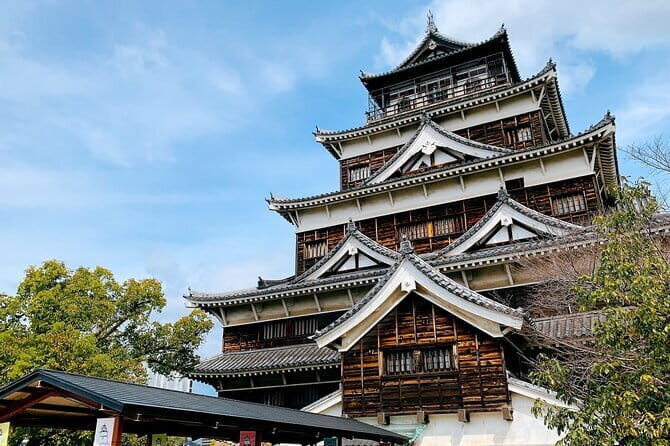
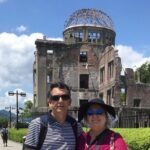
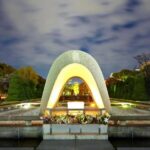
After Shukkei-en, you head to Hiroshima Peace Memorial Park for about 1 hour 30 minutes. This is where the tour becomes sharply focused.
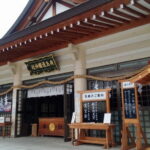
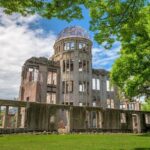
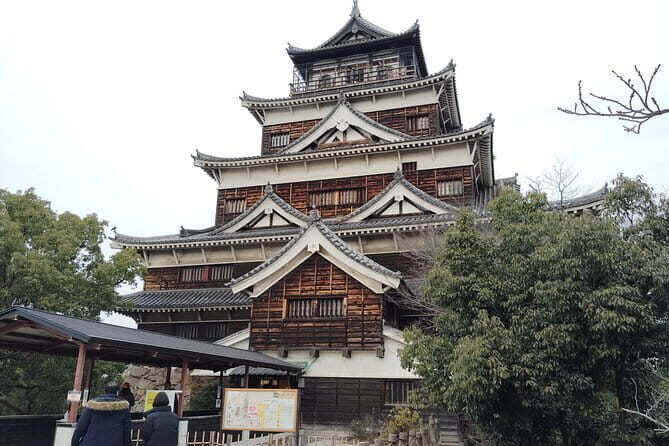
Your guide takes you to main locations within the ruins and explains the history, purpose, and significance of each stop. Key areas listed for the visit include the Castle Tower, the Ninomaru enclosure, and the Hiroshima Gokoku Shrine.
Here’s why that matters: Hiroshima’s Peace Park is often photographed, but photos flatten details. When you learn the names and what the spaces were meant to represent, the atmosphere changes. You start seeing architecture and layout as part of a message about loss, reconstruction, and the pursuit of peace.
The Castle Tower area helps you connect Hiroshima to its earlier identity as a castle town. The Ninomaru enclosure adds more specificity, so you aren’t just thinking of the park as one memorial zone—you’re tracking parts of a former stronghold and understanding what survived, what was preserved, and what was rebuilt in the aftermath.
And the Hiroshima Gokoku Shrine stop adds another layer. It’s not only about catastrophe; it’s also about the ways people mourned, honored, and reorganized spiritual and civic life after devastating events.
This section is the emotional core of the tour. You’ll get guidance that keeps the tone respectful. Even the pacing feels designed for comprehension, not speed.
Hiroshima Peace Memorial Museum: personal artifacts that hit harder
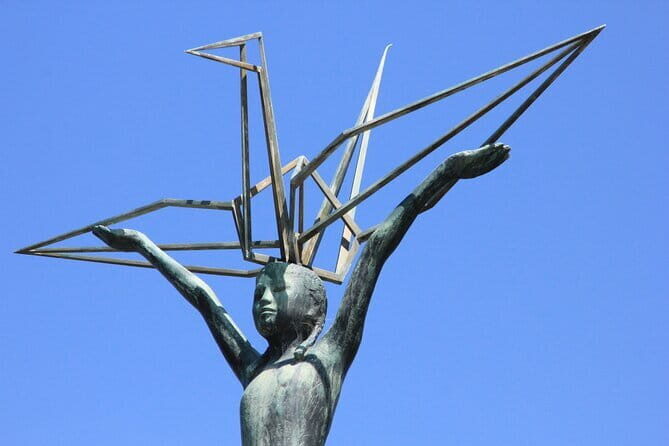
The final major stop is the Hiroshima Peace Memorial Museum, again with about 1 hour 30 minutes allotted. The museum is where the tour’s earlier context becomes tangible.
Instead of staying at the level of general history, the museum points you toward human evidence. The exhibits you’re guided to focus on include personal belongings left behind by victims of the atomic bombing. That’s the kind of detail that makes memory specific.
If you’ve visited museums before, you know some exhibits can feel distant. This one doesn’t aim for distance. It asks you to connect what happened to what people experienced—through items, documentation, and curated storytelling.
I also appreciate that the tour doesn’t keep you stuck only in the ruins outside. The museum is a different kind of space: quieter, more interpretive, and better for understanding timeline and consequences. With a guide, you’re more likely to leave with a clearer sense of how the park and museum fit together as one system of remembrance.
How the guide makes or breaks the day
This experience rises or falls on guidance, and the feedback is consistent about that.
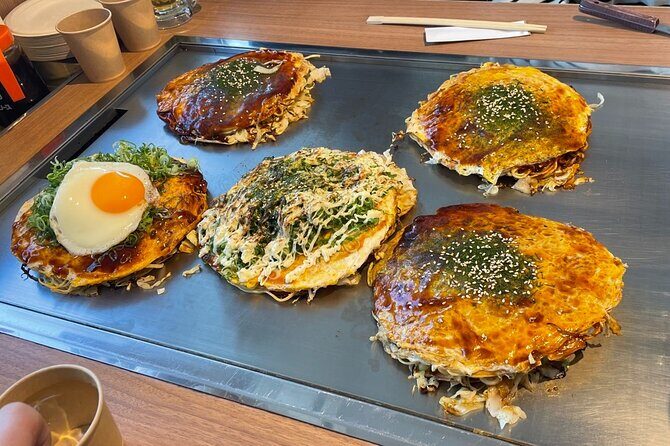
In the reviews provided, guides such as Subaru and Isabella get praised for energy and for giving people breathing room—particularly for photos and questions. Isabella is specifically noted for being cheerful, sharing plenty of information, and even offering practical food advice like okonomiyaki suggestions after the tour.
That kind of guidance changes the whole feel of a walking tour. You’re not wandering with an audio app. You’re getting clarity at the points where visitors often feel lost: what you’re seeing, why it matters, and how the pieces connect.
Also, the guide-led structure helps you keep your day manageable. You don’t have to plan where to go next, and you don’t have to guess how long to spend in each place. The itinerary does that work for you.
A few more Hiroshima tours and experiences worth a look

Group size, pacing, and timing: the practical side
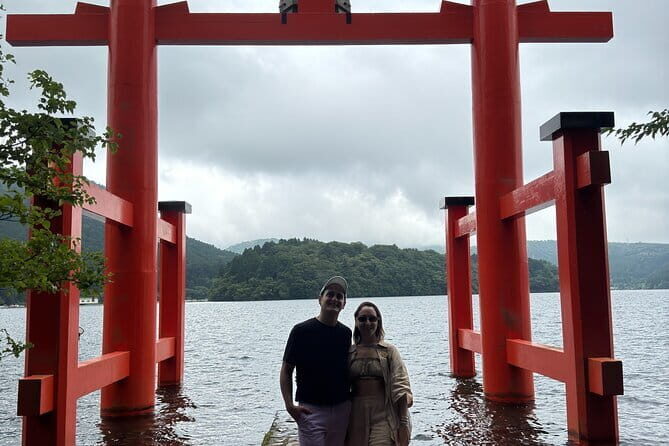
This half-day tour runs for about 4 hours and is capped at 15 travelers, which is a key detail. Smaller groups tend to move more smoothly at sites that can get crowded, especially around major memorial points.
Timing matters too. With Shukkei-en at around 1 hour, Peace Park at 1 hour 30 minutes, and the museum at 1 hour 30 minutes, the tour has a balanced rhythm: calm → reflective ruins → evidence in a museum. That balance is why it feels like a complete experience instead of three unrelated stops.
Transportation between activities is included, using public transport. That’s a relief if you don’t want to manage transit on your own for just a half-day. Still, public transit can involve walking from stops and navigating stairs or street crossings, so plan on some normal city movement.
One last detail: the tour uses a mobile ticket, which simplifies entry as long as your phone battery is healthy.
Value for the price: what $107.50 really covers
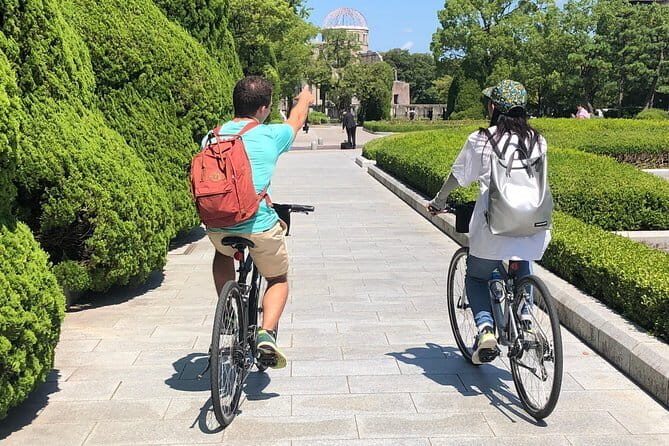
At $107.50 per person, this isn’t the cheapest thing you can do in Hiroshima. But value here comes from three places you actually feel during the day:
First, the tour includes entry fees at all tour locations. If you were buying tickets on your own while also managing the logistics, those costs would add up fast.
Second, you’re paying for an English-speaking guide who connects the dots between sites. In Hiroshima, that connection is the difference between seeing and understanding.
Third, transportation between activities is included, which saves time and reduces friction.
Add the added thoughtful touch—origami crane paper—and you get more than just a checklist experience. You get a guided half-day designed to make the city’s most important story readable.
One thing to consider about demand: the tour is commonly booked about 50 days in advance, so it’s smart to lock it in earlier rather than treating it as a last-minute option.
Who should book this tour (and who might want something else)
This tour is a strong fit if you want a single morning or afternoon that gives you structure. It’s ideal if you:
- care about history but prefer context over raw lecturing
- want a respectful introduction to Hiroshima’s Peace areas
- like having time for questions and pictures, not just marching forward
- would rather let someone plan the transitions between stops
It may be less ideal if you’re the type who likes open-ended wandering for long stretches. The day has defined time at each stop, and the guide-led pace shapes the experience.
Also, the tour is a walking format. Most travelers can participate, but you’ll still want comfortable footwear.
Before you go: simple expectations to set
Here’s what to expect, straight up:
- You start near Hiroshima Station at the Hiroshimaekiminamiguchichikahiroba Information Center.
- You’ll visit Shukkei-en Garden, then the Peace Memorial Park sites (Castle Tower, Ninomaru enclosure, Hiroshima Gokoku Shrine), then the Peace Memorial Museum.
- Admission tickets and the park/museum entries are included.
- A guide leads the narration and the movement.
- You’ll have time during stops for photos and learning, not just a quick glance.
If you’re sensitive to heavy topics, this tour is designed to handle them carefully with context. Still, it’s Hiroshima. Plan your day so you have time to decompress afterward.
Should you book this half-day Hiroshima highlights tour?
Yes, I’d book it if you want one well-paced, meaningful overview of Hiroshima’s story without turning your day into logistics work. The strongest reasons are included entry, English guide context, and the way the route moves from garden calm to Peace Park ruins to museum evidence.
If you’re short on time and want to make that time count, this format hits a practical sweet spot. And with small group size (max 15) and guides noted for clarity and good pacing, you’re set up for a day that feels both organized and human.
FAQ
What’s the duration of the Half-Day Hiroshima Highlights Tour?
The tour runs for about 4 hours.
Where does the tour start?
The meeting point is Hiroshimaekiminamiguchichikahiroba Information Center, 9-1 Matsubarachō, Minami Ward, Hiroshima, 732-0822, Japan.
What are the main stops on the tour?
You’ll visit Shukkei-en Garden, Hiroshima Peace Memorial Park, and the Hiroshima Peace Memorial Museum.
Are entry fees included?
Yes. Entry fees at all tour locations are included.
Is the tour guide available in English?
Yes. The tour includes an English-speaking guide.
Does the price include transportation between stops?
Yes. Transportation between activities is provided using public transport.
What’s included besides the guide and entry tickets?
The tour includes origami paper for paper cranes.
Is lunch included?
No. Lunch is not included.
Will I get a ticket on my phone?
Yes. The tour provides a mobile ticket.
What’s the group size?
The tour has a maximum of 15 travelers.
What’s the cancellation policy?
You can cancel for a full refund up to 24 hours in advance of the experience’s start time.