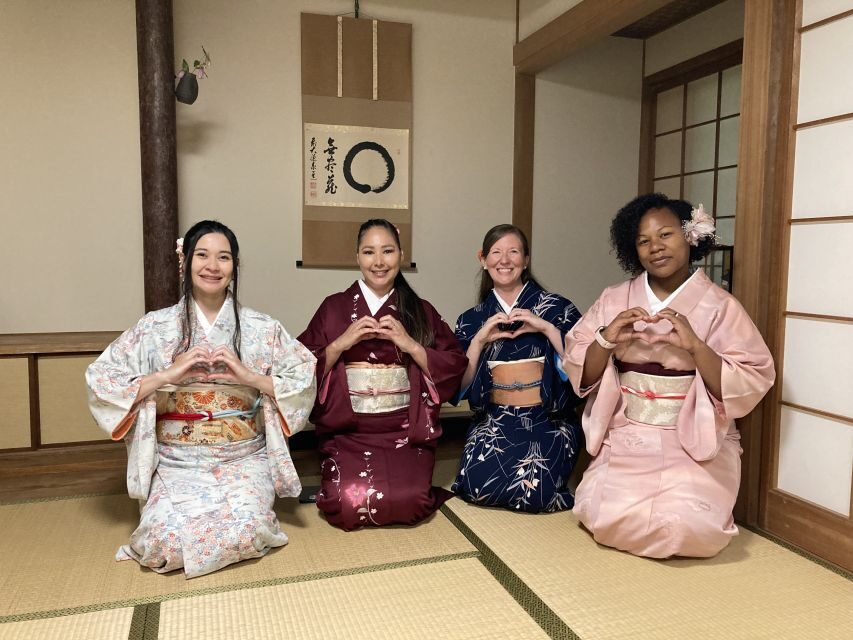
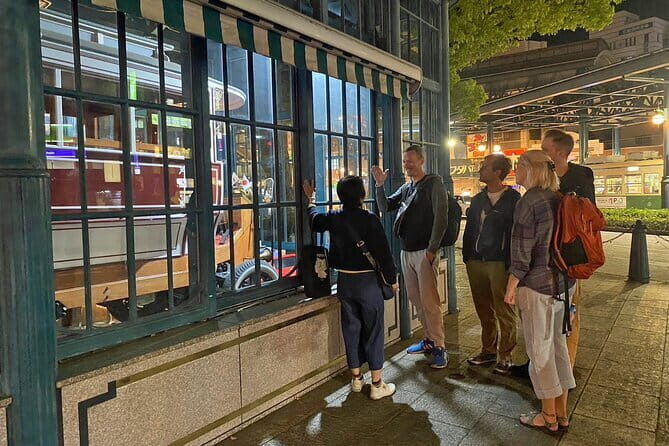
Hiroshima has more than you think. This full-day tour pairs Peace Tourism with real variety, from a mountain Buddhist temple to a refined Japanese garden and then back to the city for breathing room. I especially like how guide Isabella keeps the history clear and grounded, and I also appreciate that the group stays small, max 15 people, so the day feels organized instead of rushed.
On the practical side, the pacing is smart: you get guided time where you need it, plus independent time where you can reset. Expect about three hours at Mitaki-dera (Mitaki-dera), then a relaxed garden stroll, and finally the heavier Peace Memorial Park and museum portion.
One possible drawback: it’s a long day at around 8 hours, with lots of moving between sites, and lunch is not included, so you’ll want to plan where you’ll eat during the free time.
In This Review
- Key highlights you’ll actually feel
- A smart full-day mix: solemn history plus real local rhythm
- Mitaki-dera: Buddhist temple time above the city
- Shukkei-en Garden: Japanese garden principles you can spot
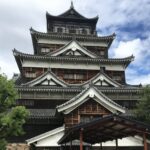
- Hiroshima Castle ruins: the city’s Sengoku-era origin story
- Peace Memorial Park and Museum: making sense of the Atomic Bomb Dome
- Hondori Shopping Street: free time that feels like real Hiroshima
- Transportation and meeting point: how to keep the day smooth
- Value check: what you get for $148.93
- Who this Hiroshima tour fits best
- Should you book this Hiroshima day tour?
- FAQ
- How long is the Hiroshima full-day tour?
- What time does the tour start?
- Where do I meet the tour?
- Where does the tour end?
- Is there an English-speaking guide?
- How large is the group?
- What stops are included during the day?
- Are entry fees included?
- Is lunch included?
- Is free cancellation available?
Key highlights you’ll actually feel
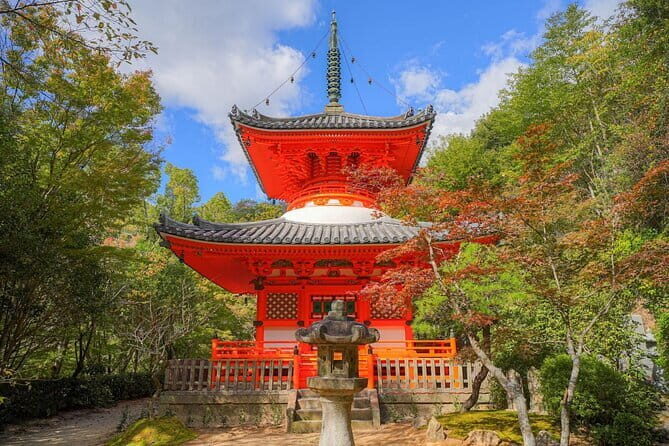
- Mitaki-dera in the mountains: a Buddhist temple setting far from the city noise.
- Shukkei-en garden education: Japanese garden design explained as you walk.
- Hiroshima’s castle-town roots: history of the city tied to the Sengoku Period.
- Peace Memorial Park + museum entry included: time to reflect with the Atomic Bomb Dome in view.
- Small-group guidance by Isabella: enthusiastic, well-prepared explanations in English.
- Paper crane supplies: origami paper included for a meaningful touch during the day.
A smart full-day mix: solemn history plus real local rhythm
This is the kind of Hiroshima day tour that makes sense if you want more than checkboxes. You start with Mitaki-dera, shift into garden culture, then move toward Hiroshima’s deeper story through castle history and the Peace Memorial area. That structure matters. It helps you connect themes instead of treating each place like an isolated stop.
I also like that you get breathing room. After the first half is mostly guided, you hit the Hondori Shopping Street area for free time. That’s where the day stops being a lecture and turns back into travel.
Pace note: the day runs roughly 8 hours, starting at 9:00 am. You’ll want comfortable shoes and a little patience for walking time between sites.
Other Hiroshima highlights tours in Hiroshima
Mitaki-dera: Buddhist temple time above the city
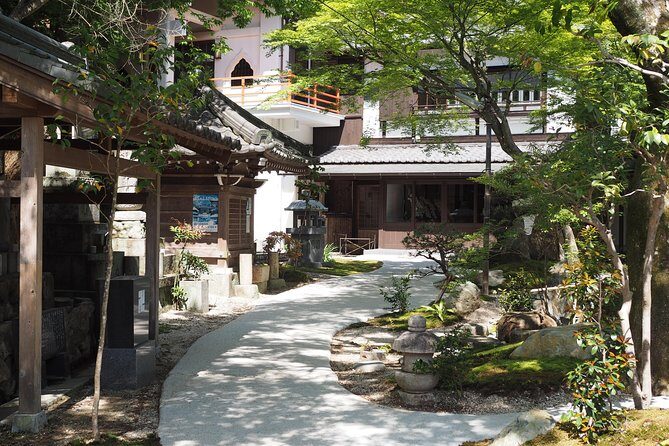
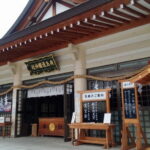
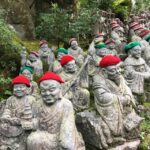
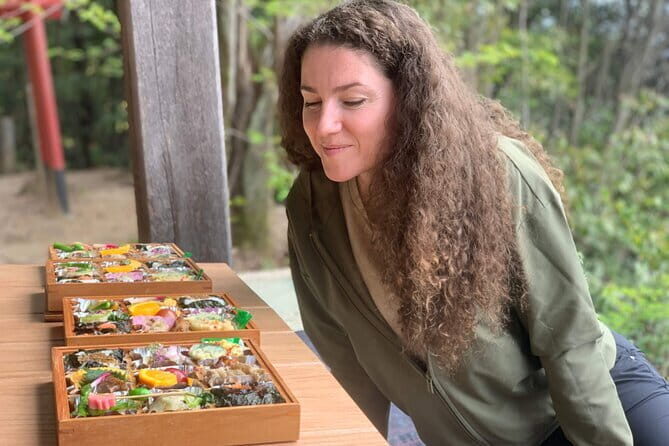
Your first major stop is Mitaki-dera, a Buddhist temple in the mountains. The big value here is contrast. Hiroshima’s Peace areas are intense and urban. Mitaki-dera feels quieter and more vertical, which makes the rest of the day hit differently.
You’ll spend about three hours there, and the entry is free. That’s a lot of time for an early stop, so don’t treat it like a quick photo stop. A guide leads a walk around the temple grounds, with time to take in the scenery and hear about Buddhism in Japan in context.
What you’ll likely enjoy most:
- Slower walking paths that let you look around, not just forward
- Temple atmosphere shaped by the surrounding hills, not city crowds
- A clearer explanation of Buddhist ideas rather than vague sightseeing
A small planning tip: dress for changing mountain-air feel. Even when the city is warm, temple areas can feel cooler.
Shukkei-en Garden: Japanese garden principles you can spot
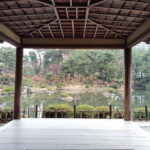
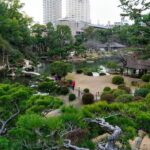
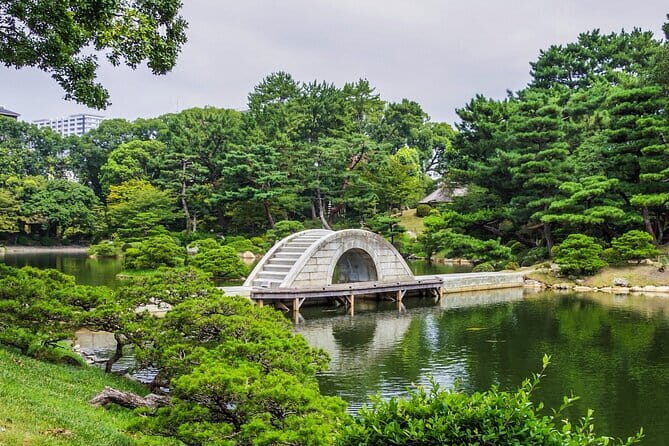
Next comes Shukkei-en, one of Hiroshima’s best-known garden experiences, with about an hour here. The time is long enough to do a leisurely stroll and short enough that you won’t feel trapped inside a museum loop.
Your guide explains the main principles of Japanese gardens as you walk, which is the key difference between “seeing a nice pond” and understanding what you’re looking at. You’ll be able to enjoy the main pond, plus tea houses, bridges, and hills. And yes, you’ll stop at photo spots, but the real win is learning what makes the design work.
Here’s what makes this section valuable for most visitors:
- You get a guide’s framework for interpreting the garden
- You see multiple garden elements tied together by design choices
- You get movement through the space, instead of just staring from one spot
Practical note: gardens are great, but they also mean there’s walking on uneven paths. Comfortable shoes help.
Hiroshima Castle ruins: the city’s Sengoku-era origin story
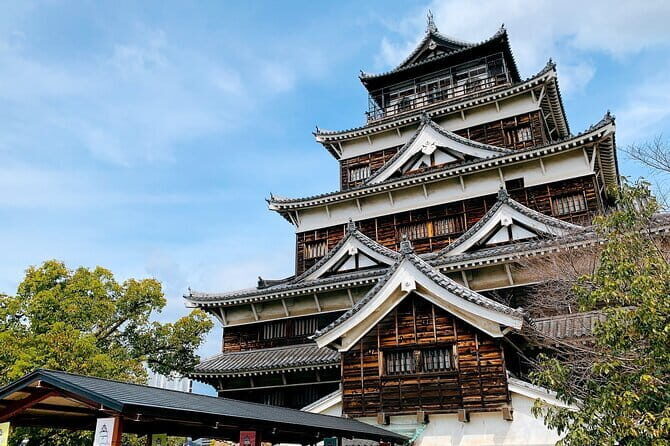
After the garden, the tour shifts into historical context with a stop at the Hiroshima Castle ruins. This is where the day starts adding “how the city became what it is” instead of only “what happened later.”
The guide focuses on Hiroshima as a castle town during the Sengoku Period. Even if you don’t know much Japanese history going in, this stop helps you understand why the city developed where it did and how power and settlement shaped the urban layout.
Why I think this matters:
- It gives you background before the Peace Memorial section
- It changes how you read the city geography
- It makes the day feel like a story with cause and effect
If you’re the type who likes history but hates running from one landmark to another, this portion hits a good balance.
Peace Memorial Park and Museum: making sense of the Atomic Bomb Dome
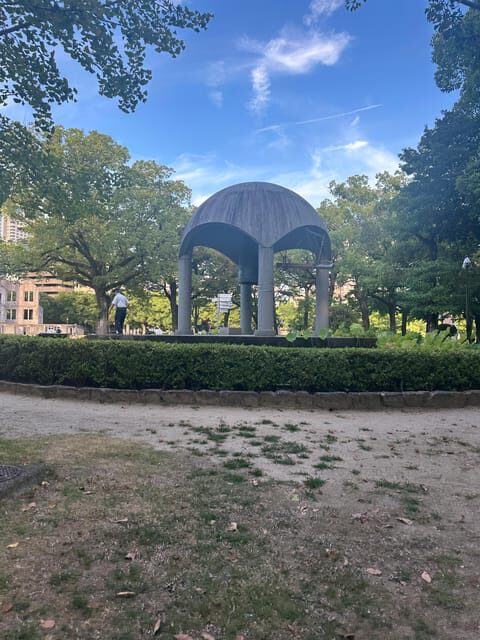
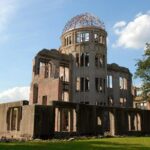
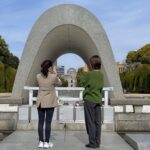
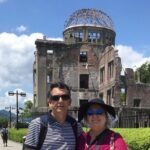
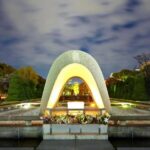
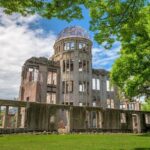
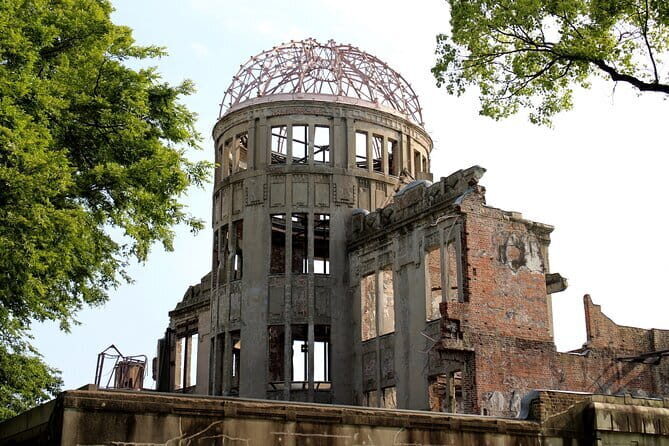
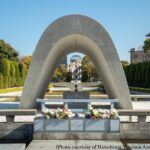
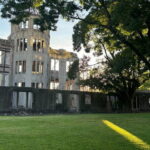
Then you reach the heart of the day: Hiroshima Peace Memorial Park and the Peace Memorial Museum. The Atomic Bomb Dome is within the park area, and you’ll spend about two hours here with included entry.
This part is heavier, obviously. But the value of this tour setup is that you’re not just dropping in. You’re guided through places that hold meaning, with time to observe traces of the atomic bombing and monuments built to honor the victims.
What to expect:
- You’ll see the Atomic Bomb Dome while you’re in the park area
- You’ll have time connected to the museum visit
- You’ll reflect on the concept of peace as you look at what remains
One practical way to handle this emotionally: go slow with your own pace. You don’t have to rush through the museum sections to “finish.” Let the guide’s explanations land, then pause when you need to.
Also, the tour includes origami paper for paper cranes. You may find that helpful here, not because it turns the day into a craft project, but because it gives you something small and human to do while you’re thinking about peace.
A few more Hiroshima tours and experiences worth a look
Hondori Shopping Street: free time that feels like real Hiroshima
After the main history and garden sections, you return to the city and head toward Hondori Shopping Street. You get about two hours of free time here, and admission is free.
This is not an “organized activity” block. It’s your chance to:
- Browse shops at your own speed
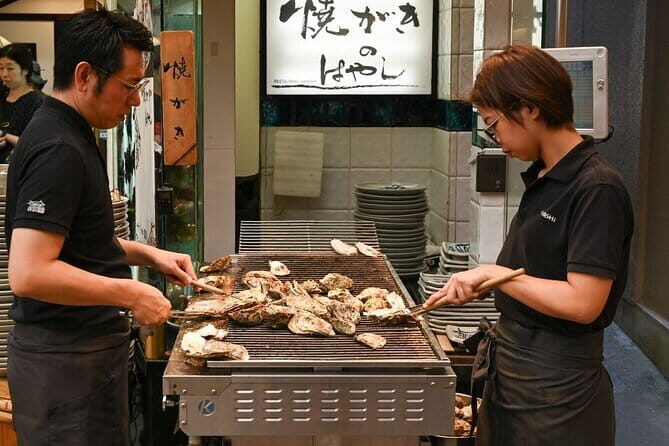
- Find snacks or a proper lunch option
- Reset your brain after the Peace section
And this is where I really like what Isabella reportedly does in the best versions of this tour: she’ll share helpful lunch recommendations. Even if you don’t copy them, it’s a smart way to avoid aimless wandering.
Tip for the free-time window: choose one food plan and don’t overthink it. You’re on a schedule for the full day, so staying decisive helps.
Transportation and meeting point: how to keep the day smooth
Logistically, the tour uses public transport between activities, and that transportation is included. Entry fees are also included at all tour locations, and you’ll use a mobile ticket.
Meeting point is at the 7-Eleven ekie Hiroshima Shinkansen Exit location, at Matsubarachō, Hiroshima, Minami Ward. The tour starts at 9:00 am and ends back at the meeting point.
Why this matters: when you don’t have to figure out the travel between stops, your day stays focused. You can spend your energy on listening, walking, and actually looking—rather than doing navigation math between transit transfers.
Value check: what you get for $148.93
At $148.93 per person, it’s not the cheapest day trip in the world. But for Hiroshima, it’s priced like a guided, multi-stop, entry-fee-included day.
Here’s the value math that matters:
- English-speaking guide
- Entry fees included at each tour location
- Transportation between activities by public transport
- A small group size (max 15), which makes explanations easier to follow
- Time distribution that covers quiet temple nature, garden culture, castle-town history, and Peace Memorial reflection
The big “cost” you’ll handle yourself is simple: lunch. That’s your main extra expense. Everything else that usually turns tours into surprise spending is covered by the tour.
In other words, if you want one guide-run day that covers a lot of serious ground without constant decision-making, this holds up.
Who this Hiroshima tour fits best
This tour is a strong fit if:
- You want Peace Memorial Park and museum time, but also want the day to include other cultural context
- You like guided explanations instead of wandering alone with a map
- You prefer small groups, not mass-tour bus energy
- You’re okay with a full day of walking and layered emotions
It’s also ideal if you’re the type who appreciates when a guide brings order to the story. Isabella’s approach (professional, enthusiastic, and well read on history and culture) is exactly the kind of guidance that helps the Peace section land with more meaning.
Should you book this Hiroshima day tour?
Yes, if you want a guided day that balances temple nature, Japanese garden design, castle-town history, and Peace Memorial reflection without turning your day into separate half-finished trips. This is also a good call if you value English guidance and want the day to feel organized from the 9:00 am start.
Book it with two small expectations in mind:
- You’ll be on the move for much of the day, so plan for walking.
- You’ll need to handle lunch on your own during the Hondori Shopping Street free time.
If that sounds like your kind of day in Hiroshima, this tour is a solid, practical way to experience the city with context.
FAQ
How long is the Hiroshima full-day tour?
It runs for approximately 8 hours.
What time does the tour start?
The start time is 9:00 am.
Where do I meet the tour?
You meet at the 7-Eleven ekie Hiroshima Shinkansen Exit area in Hiroshima, Minami Ward, Matsubarachō (address provided at the meeting point).
Where does the tour end?
The tour ends back at the meeting point.
Is there an English-speaking guide?
Yes, the tour includes an English speaking guide.
How large is the group?
The tour has a maximum of 15 travelers.
What stops are included during the day?
You visit Mitaki-dera, Shukkei-en Garden, Hiroshima Peace Memorial Park, and you also have time near Hondori Shopping Street. The tour also includes a stop at Hiroshima Castle ruins.
Are entry fees included?
Yes, entry fees at all tour locations are included.
Is lunch included?
No, lunch is not included.
Is free cancellation available?
Yes. You can cancel up to 24 hours in advance for a full refund.