REVIEW · HIROSHIMA
Private Tea Ceremony Experience in Hiroshima
Book on Viator →Operated by kay · Bookable on Viator
A Japanese tea room can feel like a pause button. This private ceremony in Hiroshima is special because you’re not watching from the sidelines, you’re learning the full tea-making steps and making your own bowl of matcha under a tea master’s guidance. I also like how it takes place in a working, local-style space where the mood is calm and the process is tightly organized, not a rushed show.
One thing to watch: the meeting spot is on a side street and the room is on the second floor, so you’ll want extra time to get your bearings.
In This Review
- Key highlights before you go
- What this Hiroshima tea ceremony is really like (Chado, not a performance)
- The 45-minute flow: from history to your own bowl
- 1) Background: the story behind the movements
- 2) Be the Guest: a formal demonstration with sweets
- 3) Hands-on: whisk your own matcha bowl
- 4) Ends where you started
- Where you’ll be and how to avoid the common “where is it?” moment
- What’s included (and what you’ll still need to plan for)
- Included
- Not included
- Language, etiquette, and dietary needs: what’s easy to handle
- Price and value: is $71.54 a good deal?
- Optional shopping: tea from the G7 summit 2023 and a bamboo whisk
- Who this tea ceremony suits best (and who might skip it)
- Practical tips to get the most from your 45 minutes
- Should you book this private tea ceremony in Hiroshima?
- FAQ
- Is this experience private?
- How long does the private tea ceremony last?
- What languages are available?
- What do I get during the experience?
- Does the package include wearing a kimono?
- Can you accommodate dietary restrictions?
- Where is the meeting point?
- Is the tea room hard to find?
- Can I buy the tea and tools used during the ceremony?
- What’s the cancellation policy?
Key highlights before you go
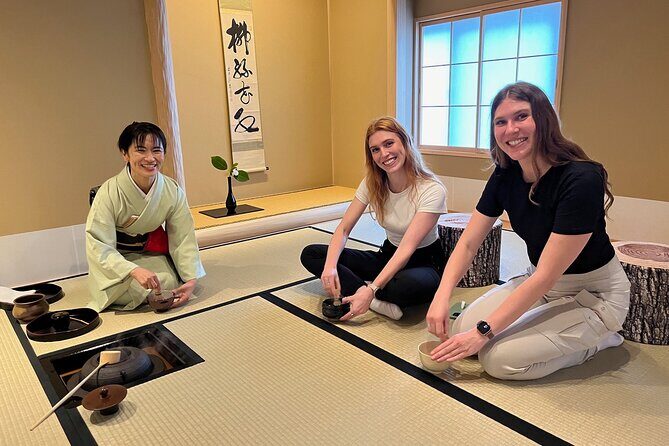
- Hands-on matcha whisking: You’ll learn techniques and make your own bowl, not just sip along
- A real tea-room atmosphere: Local students practice there daily, so the vibe feels lived-in
- Seasonal sweets with the formal flow: You’ll get the full rhythm of background, demonstration, then practice
- Private group comfort: Only your group participates, with etiquette explained if you ask
- Optional shopping on site: You can buy the tea used at the G7 summit 2023 and a bamboo whisk
What this Hiroshima tea ceremony is really like (Chado, not a performance)
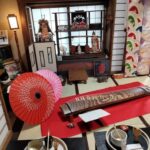
This experience is built around Chado, the Japanese tea ceremony approach to hospitality, mindfulness, and craft. But it’s not presented like a theatrical one-off. You’re stepping into a traditional tea room where local students practice daily, so the setting has a working feel. The movements and the sequence of actions matter because they’re part of a system, not because someone told a crowd to clap.
What you get right away is structure. The session follows a clear flow: a short introduction to the spirit and history, a formal demonstration with seasonal sweets and premium matcha, then your turn to do the hands-on steps. That combination is what makes it worth your time, especially if you care about Japanese tradition rather than just taking photos.
Also, this is private. That changes everything. In a private setting, you’re more likely to ask questions about technique and etiquette. And you’ll have time to focus on the small details that make matcha taste better.
Other private guided tours in Hiroshima

The 45-minute flow: from history to your own bowl
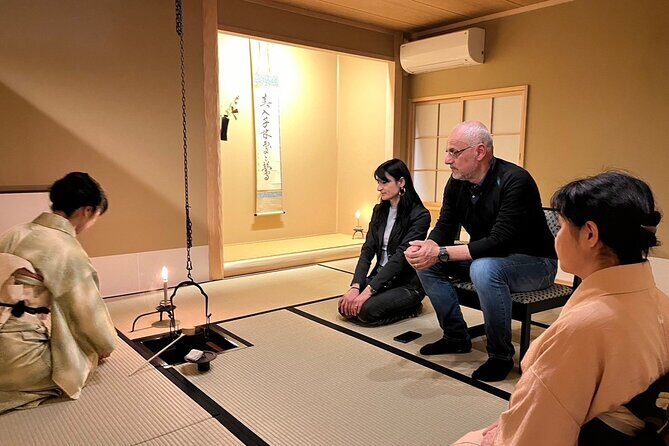
The session runs about 45 minutes. It’s short, but it’s designed so you still cover the core parts: context, observation, then technique.
1) Background: the story behind the movements
You start with a brief intro to the history and the spirit of the tea ceremony. Even if your Japanese is minimal, the session is offered in English or Japanese, so you can follow along. This isn’t just trivia. The tea master’s explanations help you understand why the steps feel precise and why small actions are treated seriously.
The key payoff here is mindset. You’ll learn to treat the ceremony as an organized way of hosting and paying attention, not as a checklist you rush through.
2) Be the Guest: a formal demonstration with sweets
Next comes a demonstration with seasonal sweets and premium matcha. This is the moment to watch how everything lines up: how the matcha is prepared, how the drink is served, and how the room stays quiet and respectful.
It’s also when you get a feel for what you’ll be doing later. If you tend to learn by doing, you’ll still benefit from watching first, because you’ll know which step matters most and what to look for with the whisking.
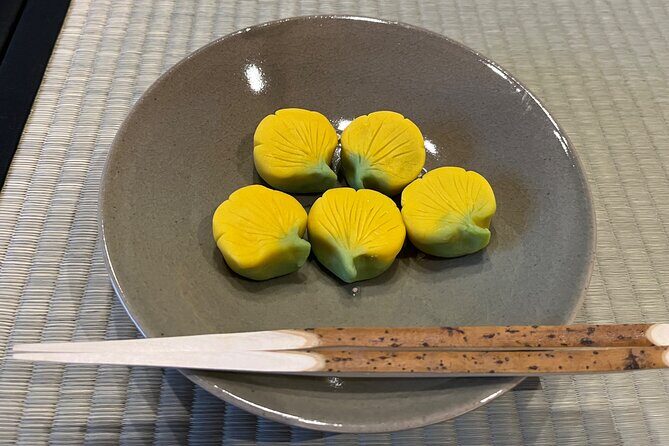
The sweets are traditional and included, so you’ll get a taste of the seasonal side of tea culture, not just the green powder.
3) Hands-on: whisk your own matcha bowl
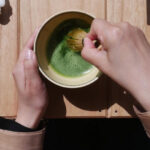
Then it’s your turn. You’ll learn the techniques for making matcha and you’ll whisk your own bowl under professional guidance. This is the big reason I’d book this style of experience instead of a simple tasting.
You’ll pick up practical details you can repeat later at home: the general approach to preparing matcha and the timing/texture cues that help the result taste right. You don’t need fancy gear beyond what’s standard for matcha whisking; you just need the method. This is what turns the experience from entertainment into a skill you can reuse.
Other tea ceremony tours in Hiroshima
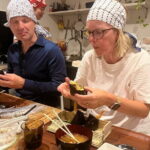
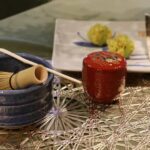
4) Ends where you started
The activity ends back at the meeting point, so you don’t have to tack on extra transit or plan for a second drop-off.
Where you’ll be and how to avoid the common “where is it?” moment
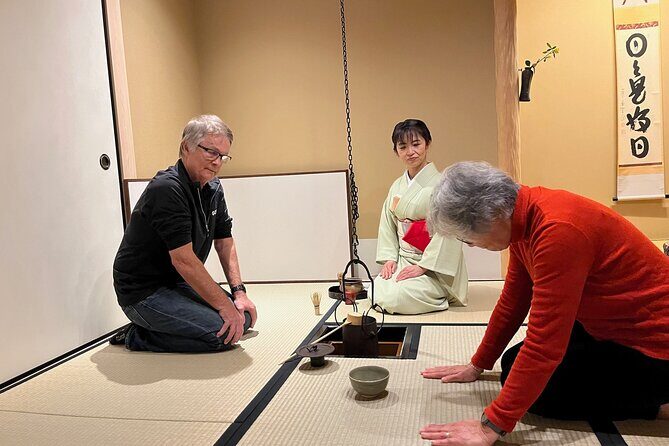
The meeting point is:
201, 1-chōme-11-12 Minamimachi, Minami Ward, Hiroshima, 734-0007, Japan.
Here’s the practical truth: the tea room is on the second floor. One review note points out the need for a sign at ground level, and that being early still didn’t guarantee you found it right away. So, build in buffer time. If you arrive 10 to 15 minutes early, you’ll feel less stressed about stairs, signage, and walking up from the street.
Good news: it’s near public transportation, and you’ll receive confirmation within 48 hours of booking, subject to availability. Also, the experience is private, so you’re not juggling a long line or joining a big group.
What’s included (and what you’ll still need to plan for)
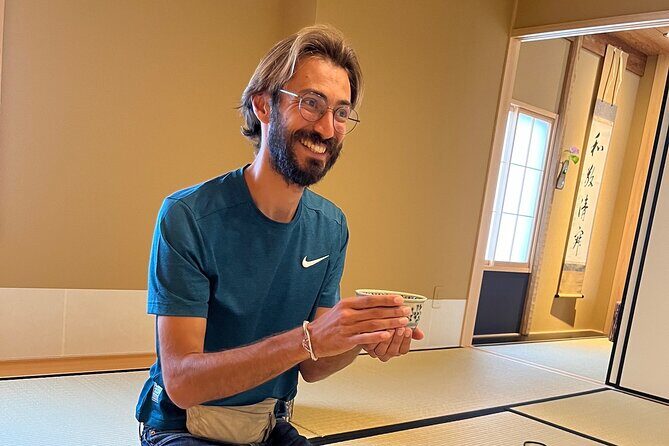
This is a value-focused session because it includes more than a drink.
Included
- Coffee and/or tea
- A bowl of matcha tea
- Japanese traditional sweet
- The experience to make your bowl of tea
- Guide is licensed or certified
That “make your bowl” part is the heart of the deal. If your goal is to learn matcha technique, you’re not paying mainly for atmosphere. You’re paying for instruction plus the materials involved in the hands-on portion.
Not included
- Wearing kimono
So if you’re hoping for a full costume photo moment, you’ll need to manage expectations. You can still dress comfortably. Think: shoes that work for stairs, and layers you’re happy to wear in a tea-room setting.
Language, etiquette, and dietary needs: what’s easy to handle
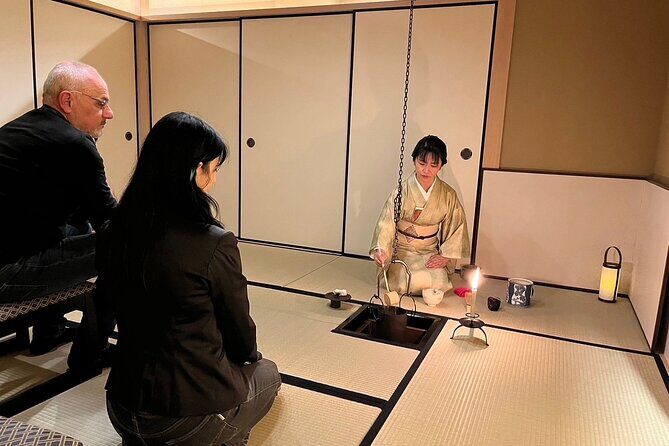
This ceremony can be conducted in English or Japanese. If you want etiquette explained, you can request it. That’s useful, especially if you’re unsure about tea-room manners or how to behave during the formal demonstration.
Dietary restrictions are also accommodated, including vegetarian and vegan. If you have requirements, indicate them when booking. That matters because sweets and snacks are included, and you’ll want the ceremony flow to stay comfortable for you.
Price and value: is $71.54 a good deal?
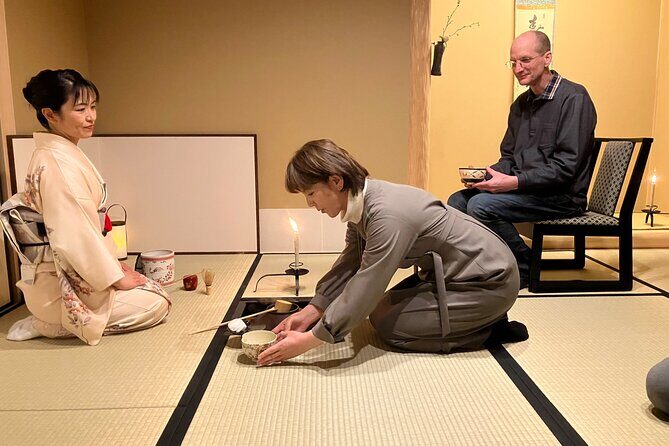
At $71.54 per person, this isn’t the cheapest way to do Hiroshima culture. But it’s also not trying to be. The value comes from three things:
1) You make your own matcha bowl (not just watch and drink)
2) The session includes sweets and premium matcha as part of the flow
3) It’s private, so your instruction time is shared only with your group
It’s also about timing. At roughly 45 minutes, you’re getting a structured cultural lesson without losing half a day. If you only have a limited window for a “deep” experience, this format can be a practical choice.
One more value angle: you can learn techniques you can reuse at home. That turns part of the cost into a future skill, not a one-time souvenir.
Optional shopping: tea from the G7 summit 2023 and a bamboo whisk
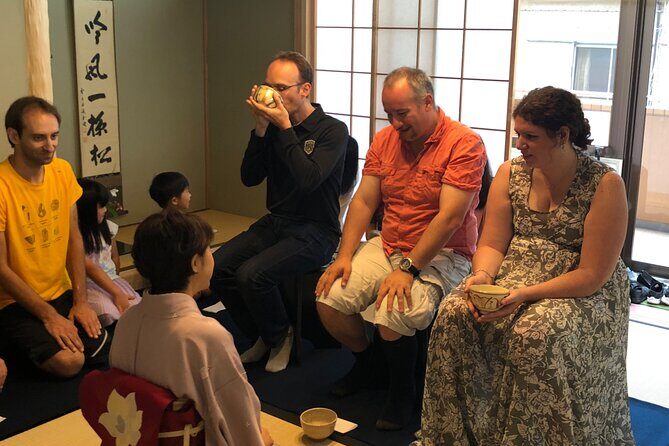
You’ll have the opportunity to purchase the tea used at the G7 summit 2023 and a bamboo whisk on site.
This is worth considering even if you’re not a matcha shopper now. If you learn the whisking approach during the ceremony, buying the right tool can make practicing at home much easier. The whisk is the bridge between the session and your future routine.
If you’re traveling light, think about whether you want to carry matcha and a whisk back. It’s manageable, but it does add weight.
Who this tea ceremony suits best (and who might skip it)
I’d steer you toward this experience if you:
- Like Japanese culture and want a session that’s more craft than performance
- Want hands-on instruction in making matcha
- Prefer a private setting where you can ask questions
- Appreciate small details: sequence, etiquette, and seasonal sweets
You might consider a different option if you:
- Mainly want a long sightseeing-style activity
- Are uncomfortable with the idea of a quiet, formal setting
- Are expecting a kimono costume experience
Practical tips to get the most from your 45 minutes
- Plan to arrive early and still give yourself time to find the entrance and climb to the second floor.
- Bring questions. If you’re curious about etiquette or technique, you’ll get more out of it with direct prompts.
- If your Japanese is limited, choose English for the smoothest experience.
- If you care about taste consistency at home, pay attention to the texture and technique cues during whisking. That’s the part you’ll replicate later.
Should you book this private tea ceremony in Hiroshima?
If your idea of a great cultural activity is learning something you can do, this is a strong yes. The private setup, the full sequence (background, demonstration, then your bowl), and the included sweets and matcha make it feel like a real lesson, not a quick ticketed show.
Book it if you want a calm, organized tea-room experience and you’re interested in matcha technique. If you’re mostly shopping for a photo-friendly, costume-heavy attraction, you may feel the lack of kimono and the shorter, more focused format.
FAQ
Is this experience private?
Yes. It’s a private tour/activity, so only your group participates.
How long does the private tea ceremony last?
It lasts about 45 minutes (approximately).
What languages are available?
The ceremony is conducted in English or Japanese.
What do I get during the experience?
You’ll have a bowl of matcha tea, traditional Japanese sweet, and you’ll participate in making your own bowl of tea. Coffee and/or tea may also be included.
Does the package include wearing a kimono?
No. Wearing kimono is not included.
Can you accommodate dietary restrictions?
Yes. Vegetarian and vegan options can be accommodated. Indicate your dietary requirements when booking.
Where is the meeting point?
201, 1-chōme-11-12 Minamimachi, Minami Ward, Hiroshima, 734-0007, Japan.
Is the tea room hard to find?
It’s on the second floor, and signage may be limited at street level. Giving yourself extra time helps.
Can I buy the tea and tools used during the ceremony?
Yes. You can purchase the tea used at the G7 summit 2023 and a bamboo whisk on site.
What’s the cancellation policy?
Free cancellation is available. You can cancel up to 24 hours in advance for a full refund, based on the local time of the experience.
If you want, tell me your travel dates and whether you prefer English or Japanese, and I can suggest the best time of day to slot this into a Hiroshima day.